재난대비
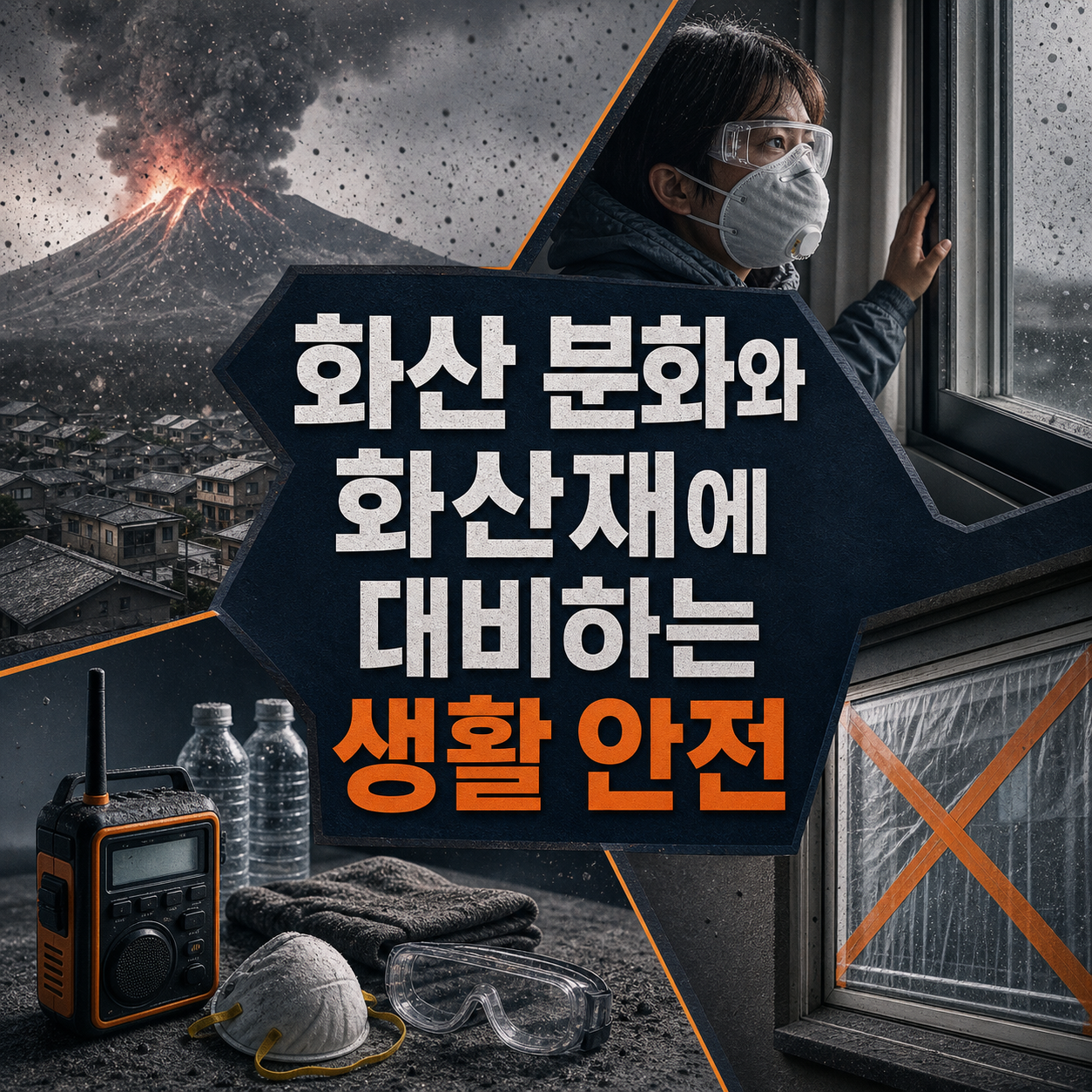
Volcanic Ash Alerts: What to Check Before You Reach for a Mask
When a volcanic ash alert goes out, check official warnings and evacuation orders first, then seal the house, protect your lungs, and clean up carefully.

The Forecast Isn't the Signal: When to Retreat From a Sudden Downpour Outdoors
When a shower hits during a hike, camp, or swim, go by what you can see and hear right now, like thunder, water color, and wind, and move at once.

10 Outdoor Spots to Leave the Moment You Hear Thunder
During a shower, avoid tall trees, open hilltops, waterside paths, and underpasses, which carry lightning, flash-flood, and flooding risk, and move into a building or car as soon as you hear thunder.
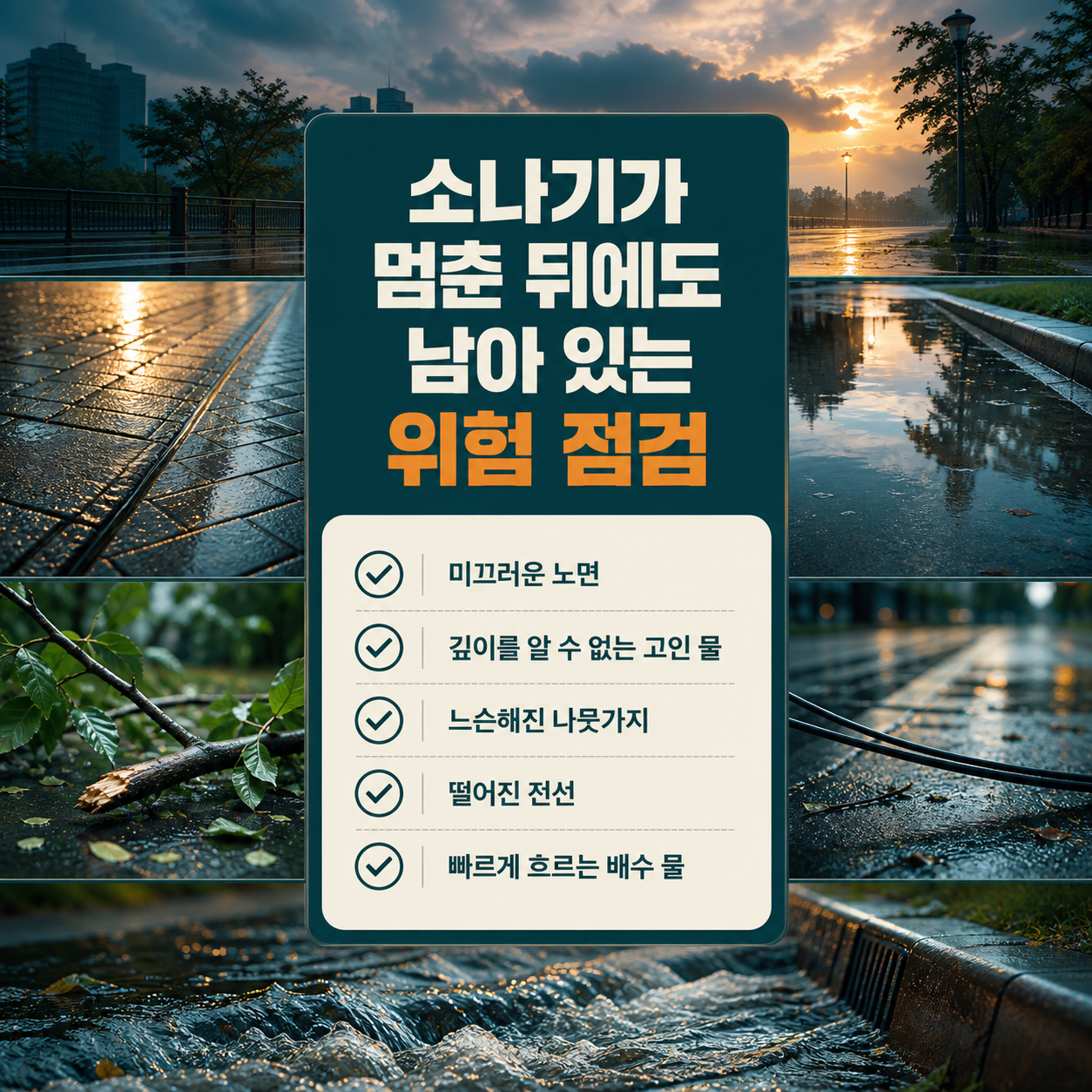
Blue Sky Doesn't Mean Safe: 10 Checks Before You Go Back Out
The real danger arrives in the quiet after the rain, not during it—here's the order to check things.

Route Before Umbrella: A Rain-Day Order of Operations for the Commute and School Run
From packing before you leave to checking gear once you're home, here's a ten-step order of operations for getting through a rainy commute or school run safely.

Forget the Weather Terms, Watch the Warnings Instead
Naming it a shower, monsoon, or heavy rain matters less than the warnings, lightning, and water levels in front of you — here's the check order, radar to alerts.
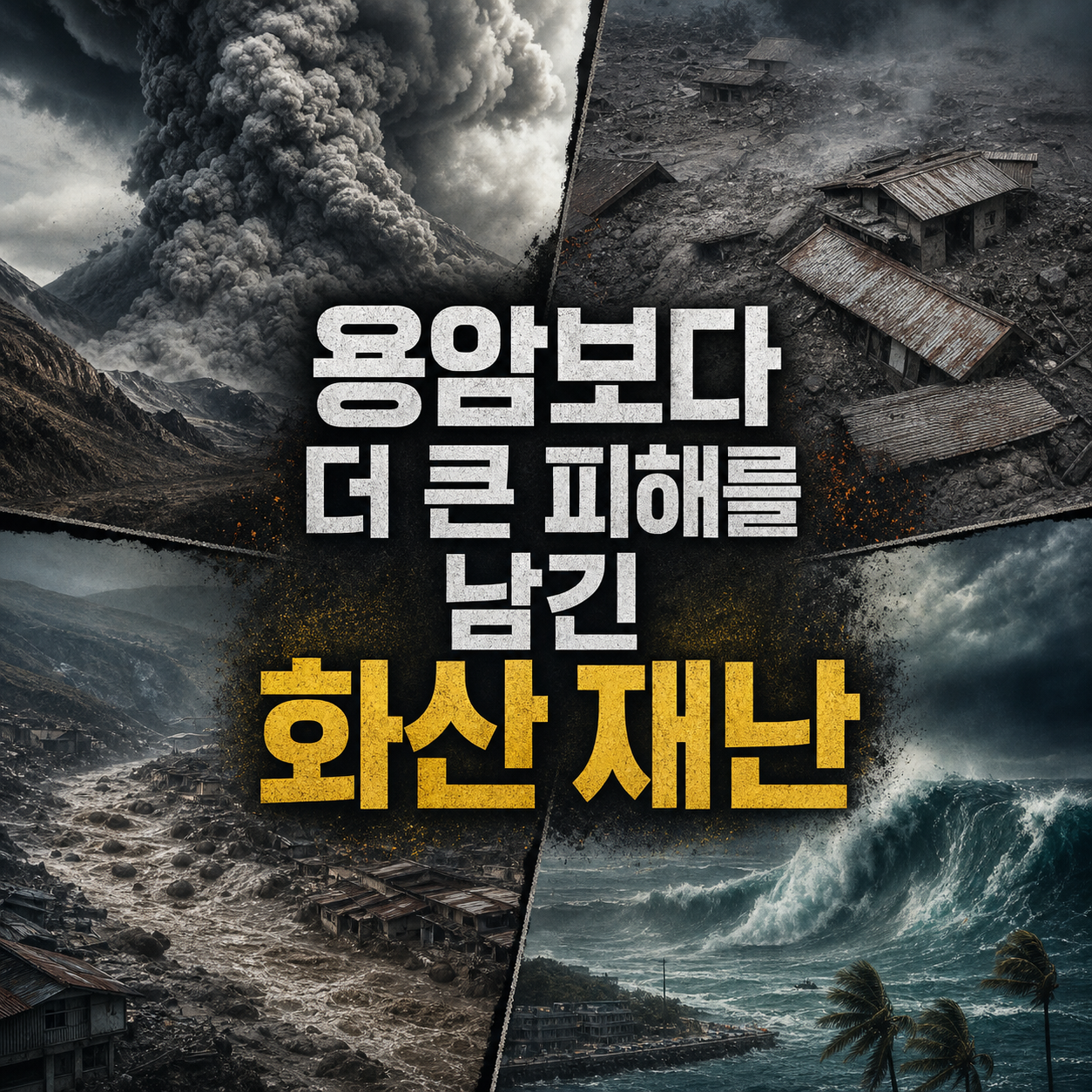
In Volcanic Disasters, Lava Is Rarely the Deadliest Part
The worst damage in volcanic history has usually come not from lava but from chain reactions such as tsunamis, lahars, ash, and gas, as these ten cases show.
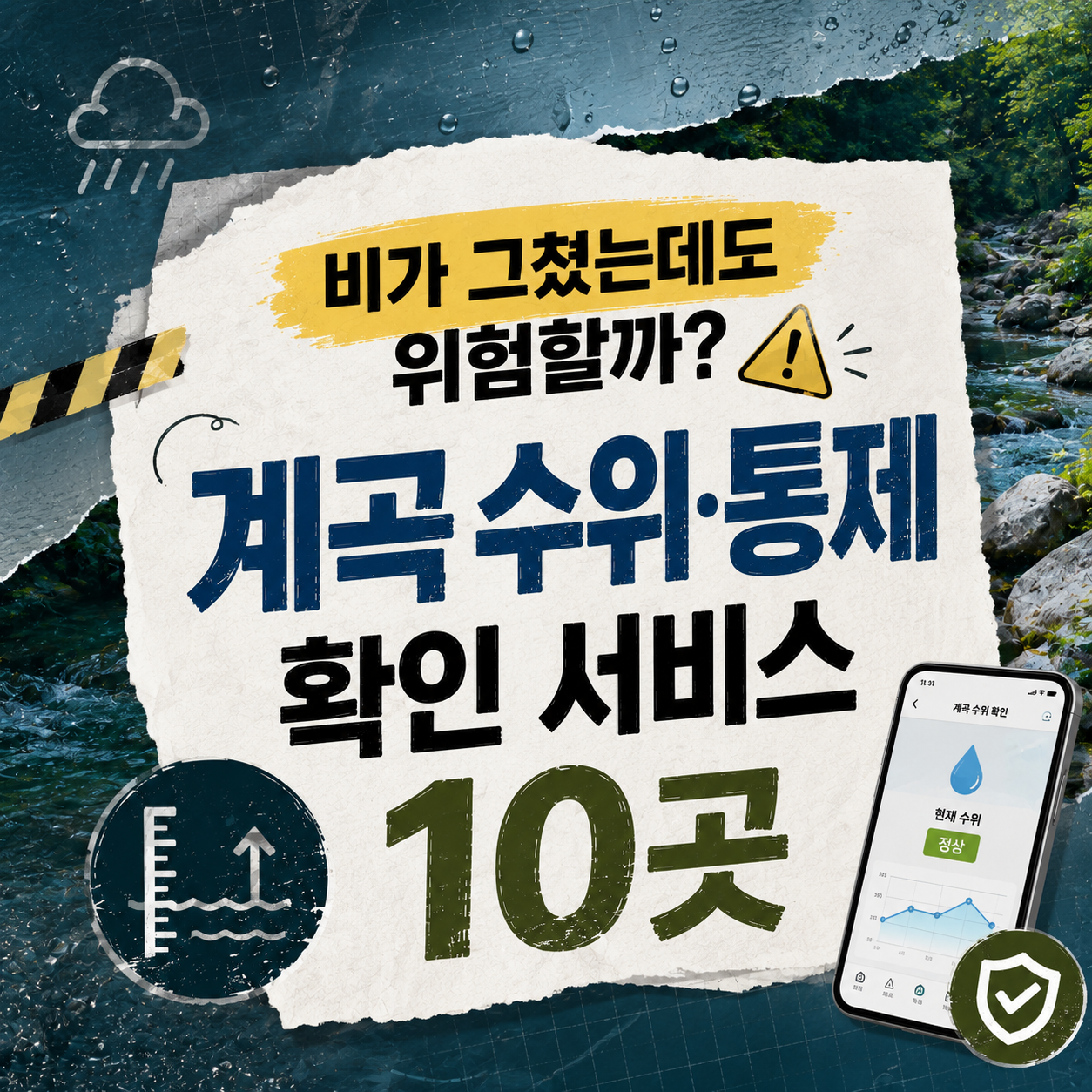
Check the Controls First: 10 Official Sources for Valley Water Levels
Before heading to a valley, check official water-level and closure information rather than photos or reviews, and always put on-site controls first.