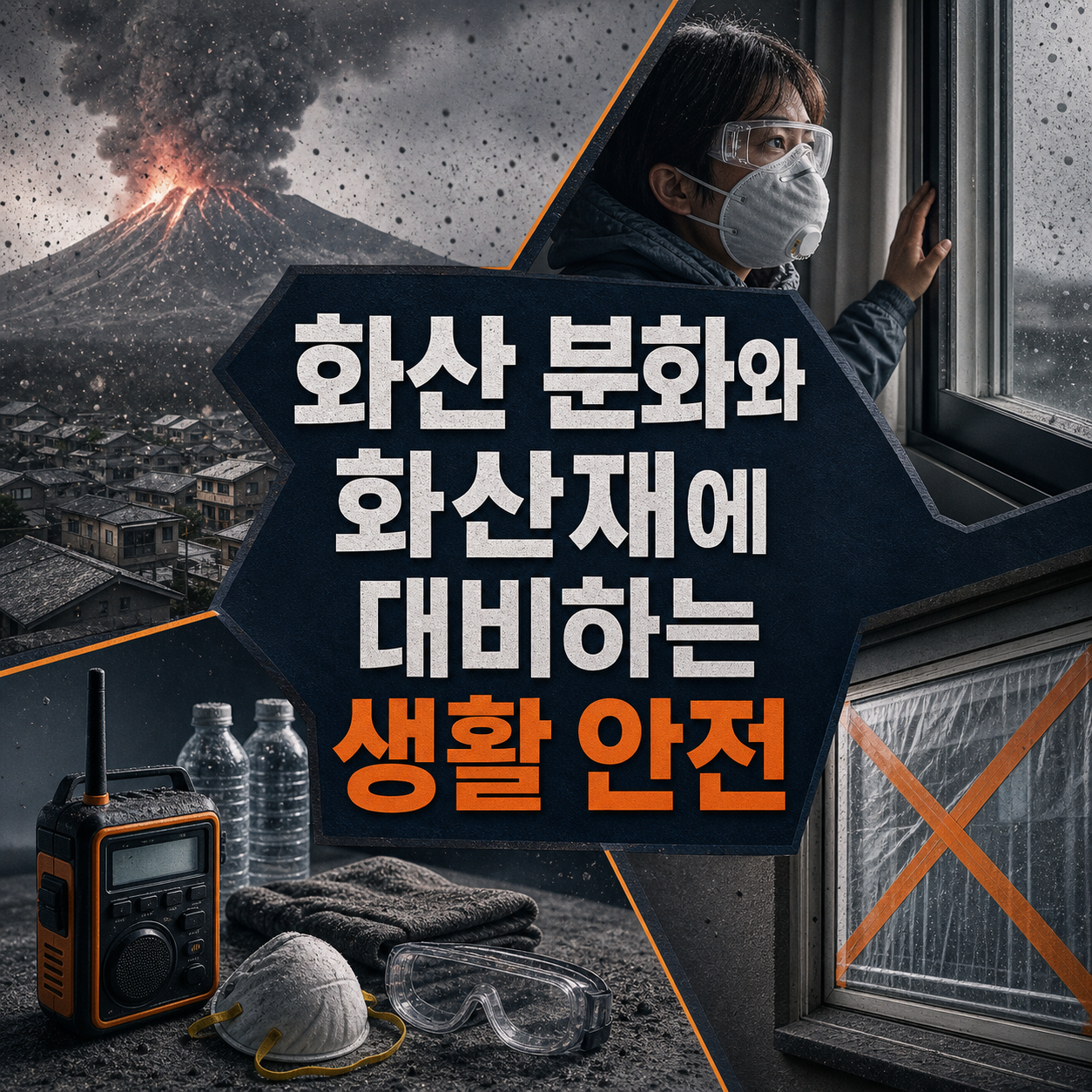
When a volcanic ash alert goes out, check official warnings and evacuation orders first, then seal the house, protect your lungs, and clean up carefully.
If you are wondering what to do first when ash is falling, the answer is not a mask. It is checking the current official alert and any evacuation orders. Ash spreads far wider than lava, irritates the lungs, cuts road visibility, slowly damages electronics and ventilation equipment, and can threaten a roof by piling up weight.
Where people get confused varies. How tightly should you seal the windows? Is it fine to sweep the ash? Can you climb onto the roof? This list lays out ten steps in the order you would act: preparation before an eruption, indoor response during it, and cleanup and recovery afterward.
How we chose
- Actions consistent with official guidance and general disaster-response principles
- Whether you can do it yourself or must wait for authorities
- Actions that cause the most harm when done wrong are placed earlier
To read it, start with 1 to 5 if an alert is active now, 6 to 8 once the eruption has eased, and 9 to 10 if you are preparing in advance. If conditions on the ground differ from this list, follow official instructions.
Check Official Alerts and Evacuation Orders

Seal the House and Move Indoors

Protect Your Airway and Eyes

Cut Out Nonessential Trips and Driving

Cover Your Water and Food

Shield Electronics and Ventilation Equipment

Check Roof Load From Ash

Clean Up Ash the Right Way

Protect Pets and Livestock

Build an Evacuation Kit and Family Plan

How to choose
If an alert has just gone out, focus on checking official alerts at 1, sealing gaps at 2, and protecting your airway and eyes at 3. After the eruption eases, roof load at 7 and cleanup at 8 matter most, and both share one rule: do not climb up or sweep dry before authorities say it is safe. For everyday preparation, the evacuation kit and family plan at 10 pay off the most.
If anyone has emergency symptoms or is in danger, call 119 before reading anything else. Ash spread and danger change quickly with wind and eruption size, so treat this as general guidance and follow the latest instructions from the Korea Meteorological Administration and other official bodies.
Frequently asked questions
What should I check first when I hear about an eruption?
Check the alert level, emergency text alerts, and evacuation orders from the weather agency and volcano monitoring bodies. Do not judge the situation from social media clips or old eruption photos, and keep the whole family on the same official source.
How can I reduce ash getting indoors?
Close windows, doors, and vents, and add damp towels along wide gaps. Keeping minimal ventilation is better than sealing everything perfectly, and protect the air conditioner's outdoor intake too.
What is the biggest thing to watch when cleaning up ash?
Do not throw it back into the air. Skip dry brooms and blowers, dampen small amounts as you gather them, wear protective gear, and follow the local collection method.
Can I wear any mask in volcanic ash?
Fine particles pass through thin masks. Use a health mask recommended by authorities (KF94 or higher) and snug protective goggles, and wear regular glasses instead of contact lenses.
Can I sweep ash off my roof myself?
Not until it is declared safe. Wet ash is very heavy, and climbing up raises the risk of falls and collapse. If you hear unusual noises, contact the authorities.
How do I protect pets in the ash?
Keep animals indoors or under a roof, and check their paws, eyes, water bowls, and food often. Do not give them human medicine, and consult a vet if symptoms appear.
Get new lists before anyone else
Once a week — only the new lists worth your time.
No spam · unsubscribe in one click
You may also like

The Forecast Isn't the Signal: When to Retreat From a Sudden Downpour Outdoors
When a shower hits during a hike, camp, or swim, go by what you can see and hear right now, like thunder, water color, and wind, and move at once.

10 Outdoor Spots to Leave the Moment You Hear Thunder
During a shower, avoid tall trees, open hilltops, waterside paths, and underpasses, which carry lightning, flash-flood, and flooding risk, and move into a building or car as soon as you hear thunder.
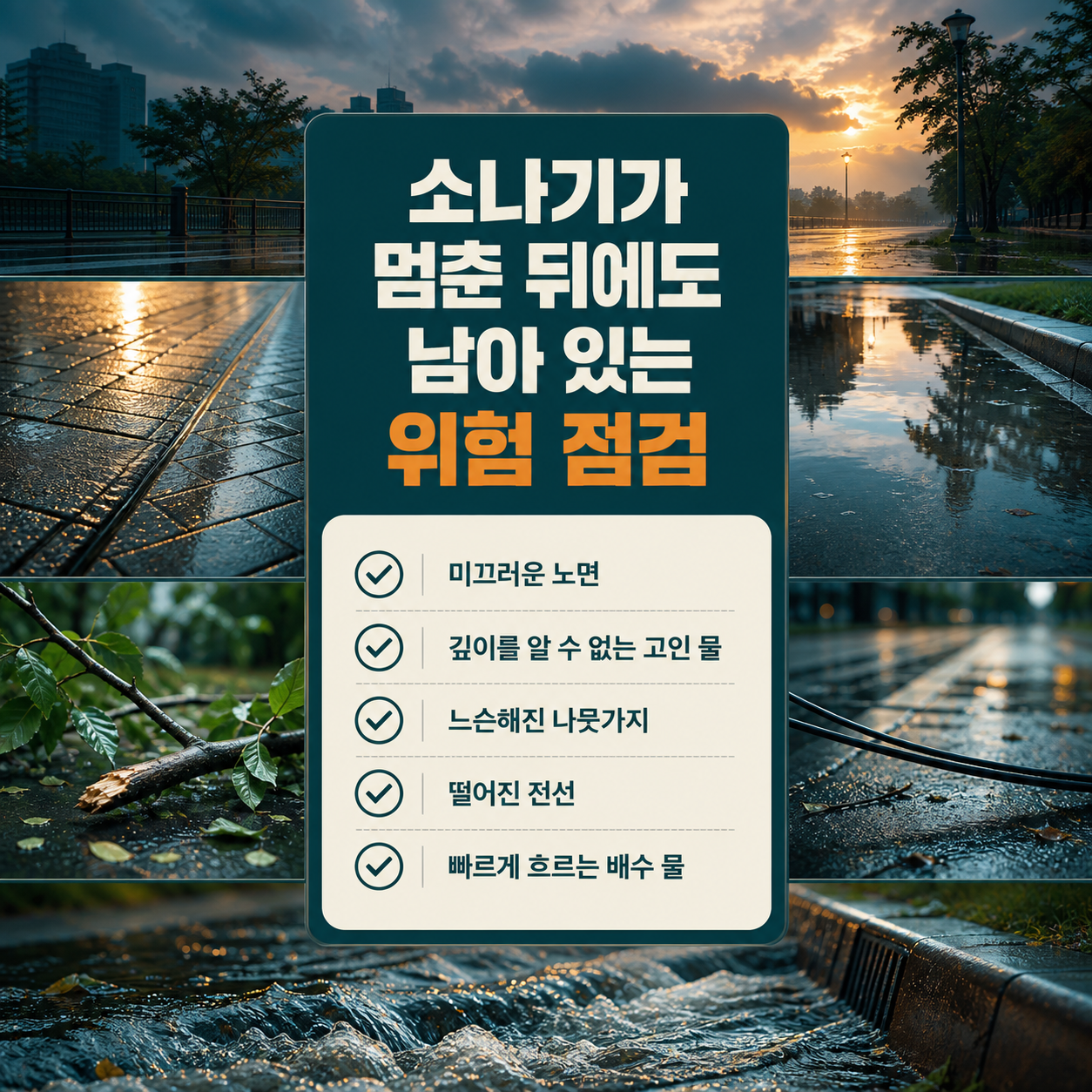
Blue Sky Doesn't Mean Safe: 10 Checks Before You Go Back Out
The real danger arrives in the quiet after the rain, not during it—here's the order to check things.

Route Before Umbrella: A Rain-Day Order of Operations for the Commute and School Run
From packing before you leave to checking gear once you're home, here's a ten-step order of operations for getting through a rainy commute or school run safely.