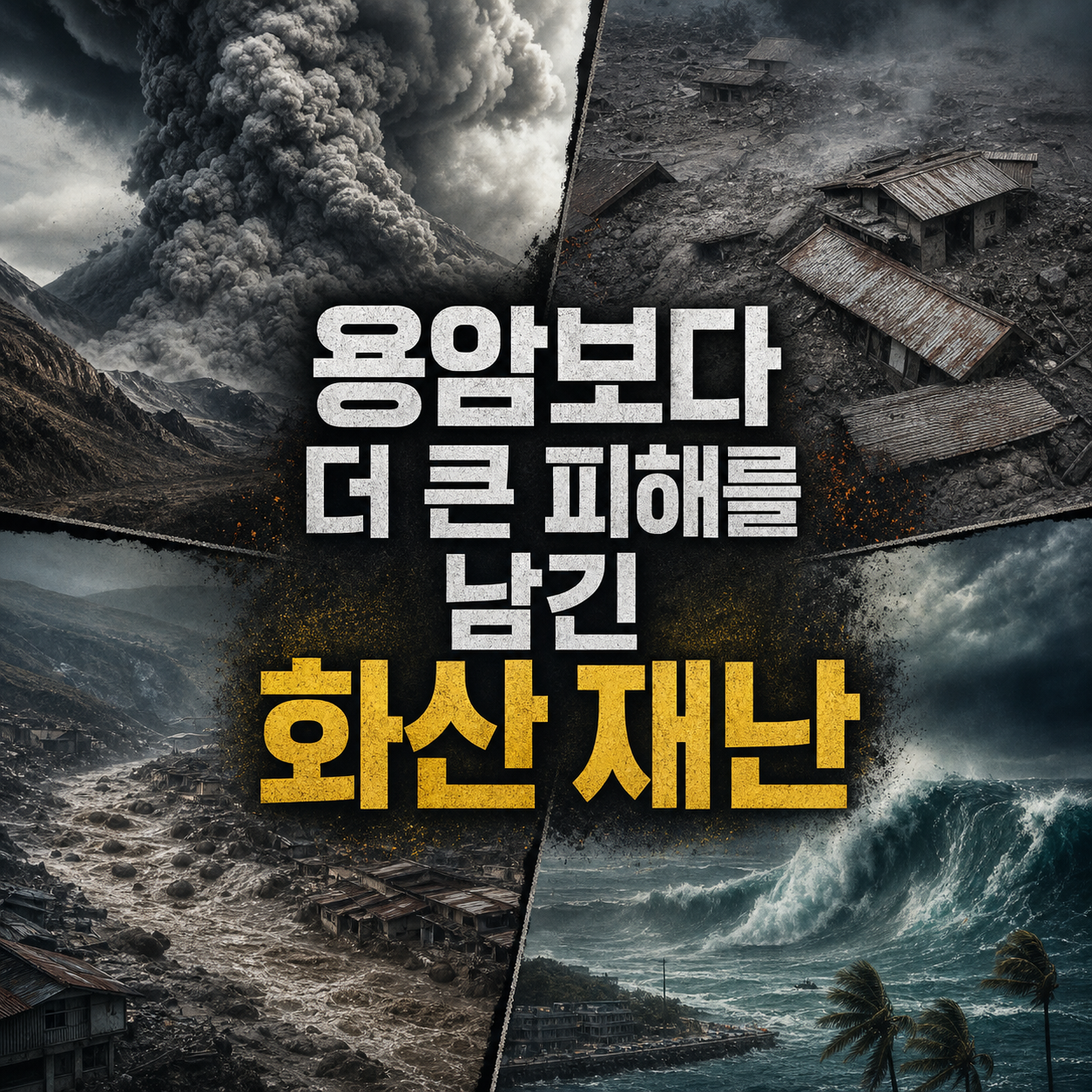
The worst damage in volcanic history has usually come not from lava but from chain reactions such as tsunamis, lahars, ash, and gas, as these ten cases show.
The deadliest part of a volcanic disaster is rarely the lava itself. It is the chain of events that follows. A mountain that collapses into the sea becomes a tsunami, ice on the summit melts into a mudflow called a lahar that races to a distant city, wet ash presses down on roofs, fine ash particles can stop a jet engine in flight, and gas trapped under a lake can blanket villages without any eruption at all. Lava moves at a speed people can get away from, but these other hazards travel faster and farther.
So this list picks ten cases by how the damage was delivered, not by which volcano was biggest. The order reflects how far the danger traveled beyond the vent into places people did not expect.
How we chose
- Each case follows a different damage path
- The harm occurred well away from the crater
- The event is often cited in volcano preparedness discussions
- The chain of cause and effect is clear, regardless of death toll
Reading it is simple. If you live near a coast or river, start with ranks 1, 2, 6, and 9; if you fly often, rank 3; if you hike, rank 8. This is a collection of historical cases, and decisions about any currently active volcano should follow local hazard maps and the latest official advisories.
Mount Unzen, 1792 flank collapse and tsunami

Mount Ruapehu and the 1953 Tangiwai lahar

Galunggung, 1982 ash and aircraft

Lake Nyos, 1986 gas release

Pinatubo, 1991 wet ash and roof collapse

Nevado del Ruiz, 1985 lahar

Montserrat's Soufrière Hills and long-term displacement

Mount Ontake, 2014 eruption and ballistic rocks

Hunga Tonga eruption, 2022 tsunami and pressure wave

Laki, 1783 gas and famine

How to use this list
Which case to read first depends on where you live and how you spend your time. If you live near the sea or a river, ranks 1, 2, 6, and 9 cover tsunamis and lahars. If volcanic disasters are new to you, ranks 4 and 5 show danger spreading in very different ways. For long-term effects, ranks 7 and 10 are a good place to begin.
When comparing cases, follow the path the material took, along slopes, rivers, the sea, the wind, and transit networks, rather than the size of the eruption. Once you can see how far the danger reaches, what to prepare for becomes clearer. In an emergency, call 119 in Korea and follow official instructions.
The information here reflects the time of research and may change, so confirm the latest details through official channels before any visit or preparation plan.
Frequently asked questions
Is being far from a volcano enough to be safe?
No. Lahars can travel a long way down valleys, tsunamis spread along entire coastlines, and ash clouds can cross continents on the wind. Distance from the vent alone does not determine safety, so each hazard's path needs to be checked separately.
Is it safe to clear volcanic ash off a roof myself?
It is not recommended while a warning is in effect. Wet ash is far heavier than it looks, and climbing onto a roof carries its own risk of falls or structural collapse. Follow official guidance on timing and method.
Can pilots just see and avoid an ash cloud?
Not reliably. Volcanic ash is hard to tell from ordinary cloud by eye and may not show clearly on weather radar. Flight decisions around ash rely on air traffic control and the Volcanic Ash Advisory Centers (VAACs), not an individual pilot's judgment.
Can a volcano cause a disaster without erupting?
Yes. At Lake Nyos, carbon dioxide trapped deep in the lake was suddenly released and covered villages. Danger can also reach downstream without a visible eruption, as when water burst out of a crater lake.
Does a small eruption mean small damage?
Not necessarily. At Nevado del Ruiz the eruption was modest, but melted summit ice formed a lahar that buried a town. Terrain, weather, and the presence of ice and water can matter more than eruption size.
Can people go home as soon as the eruption ends?
Not always. As Montserrat showed, when repeated pyroclastic flows and ash close a city, returning can take a very long time. Check local authority announcements for what areas are open.
Get new lists before anyone else
Once a week — only the new lists worth your time.
No spam · unsubscribe in one click
You may also like
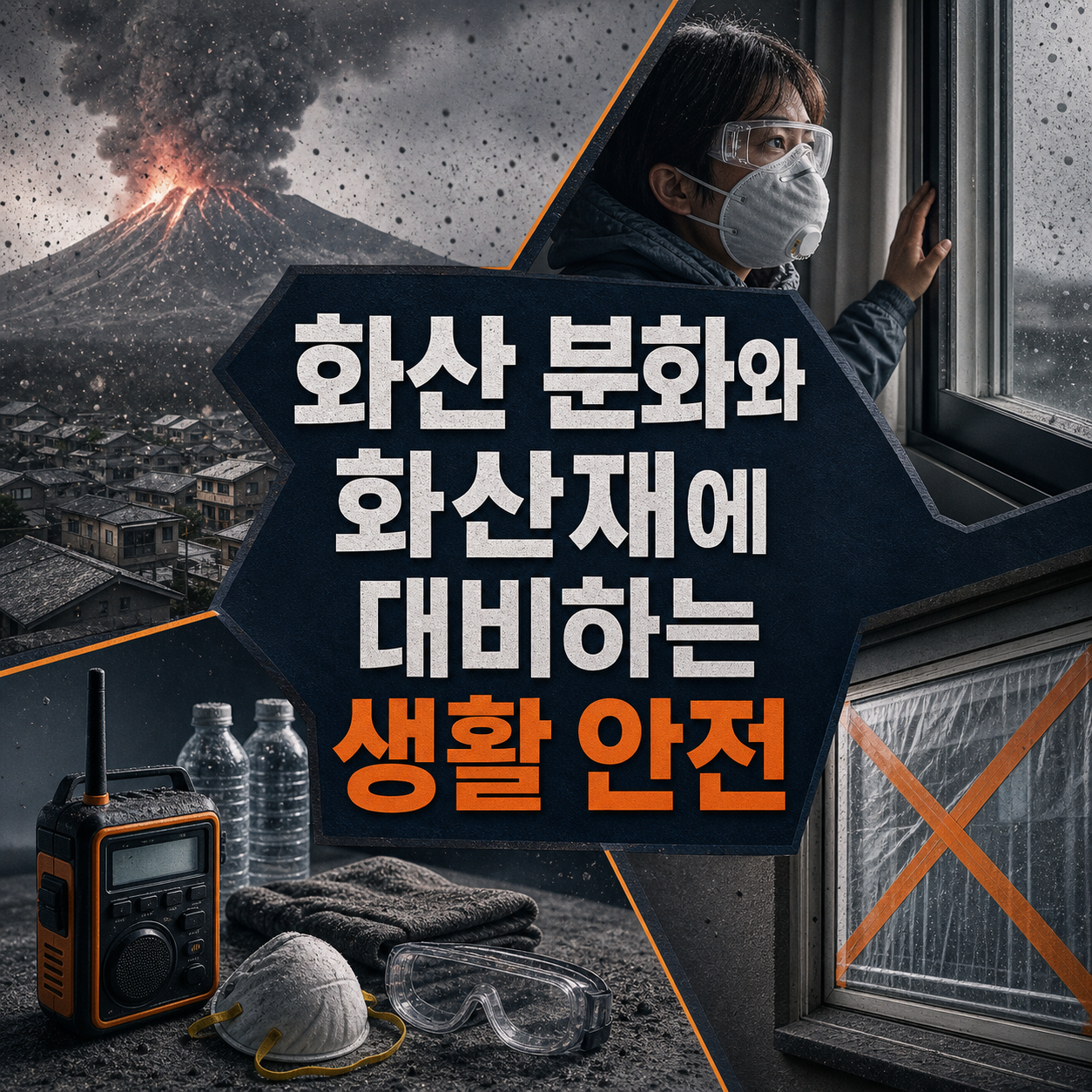
Volcanic Ash Alerts: What to Check Before You Reach for a Mask
When a volcanic ash alert goes out, check official warnings and evacuation orders first, then seal the house, protect your lungs, and clean up carefully.

The Forecast Isn't the Signal: When to Retreat From a Sudden Downpour Outdoors
When a shower hits during a hike, camp, or swim, go by what you can see and hear right now, like thunder, water color, and wind, and move at once.
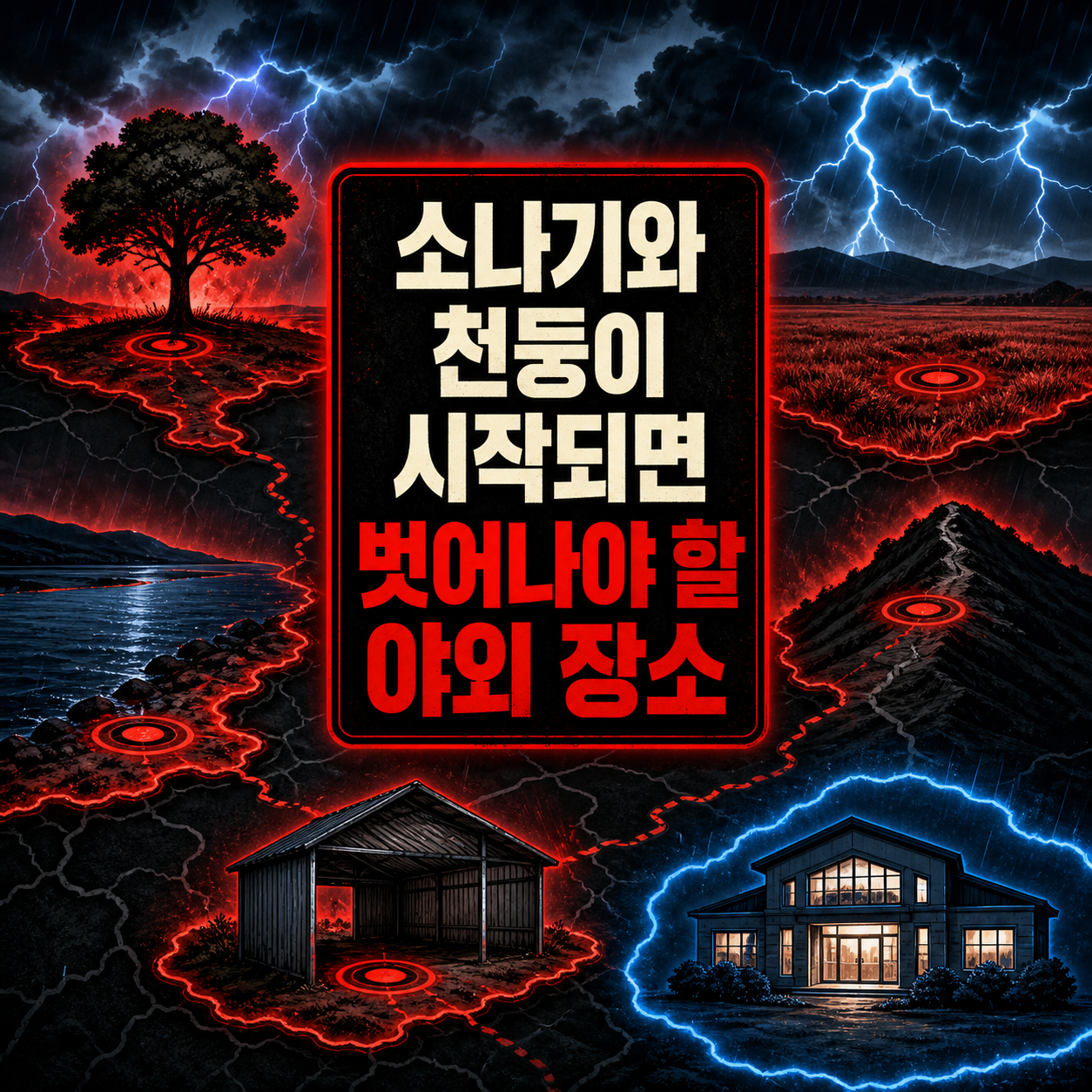
10 Outdoor Spots to Leave the Moment You Hear Thunder
During a shower, avoid tall trees, open hilltops, waterside paths, and underpasses, which carry lightning, flash-flood, and flooding risk, and move into a building or car as soon as you hear thunder.
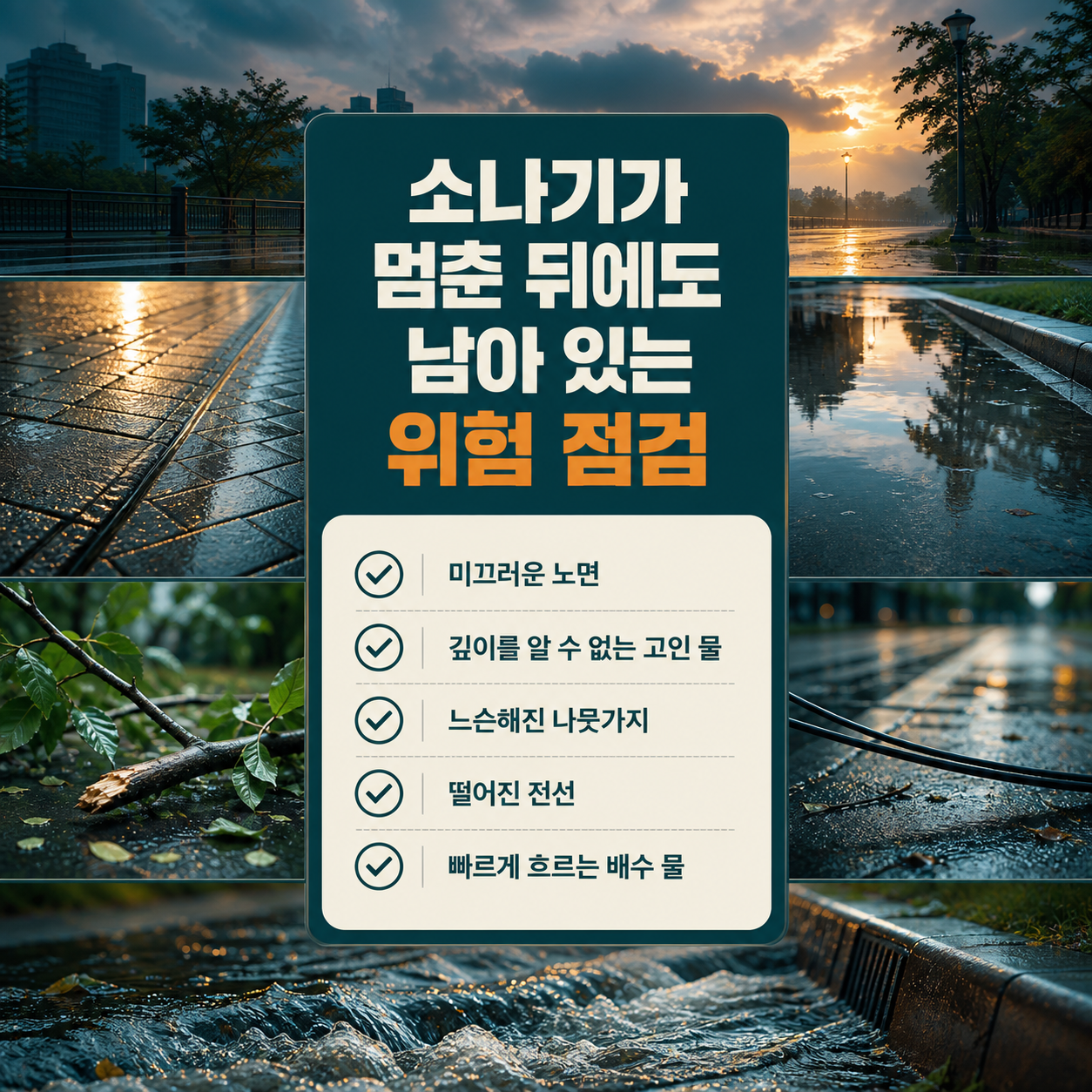
Blue Sky Doesn't Mean Safe: 10 Checks Before You Go Back Out
The real danger arrives in the quiet after the rain, not during it—here's the order to check things.