TOP 10

Forget the Weather Terms, Watch the Warnings Instead

Updated 8/18/2026
Forget the Weather Terms, Watch the Warnings Instead

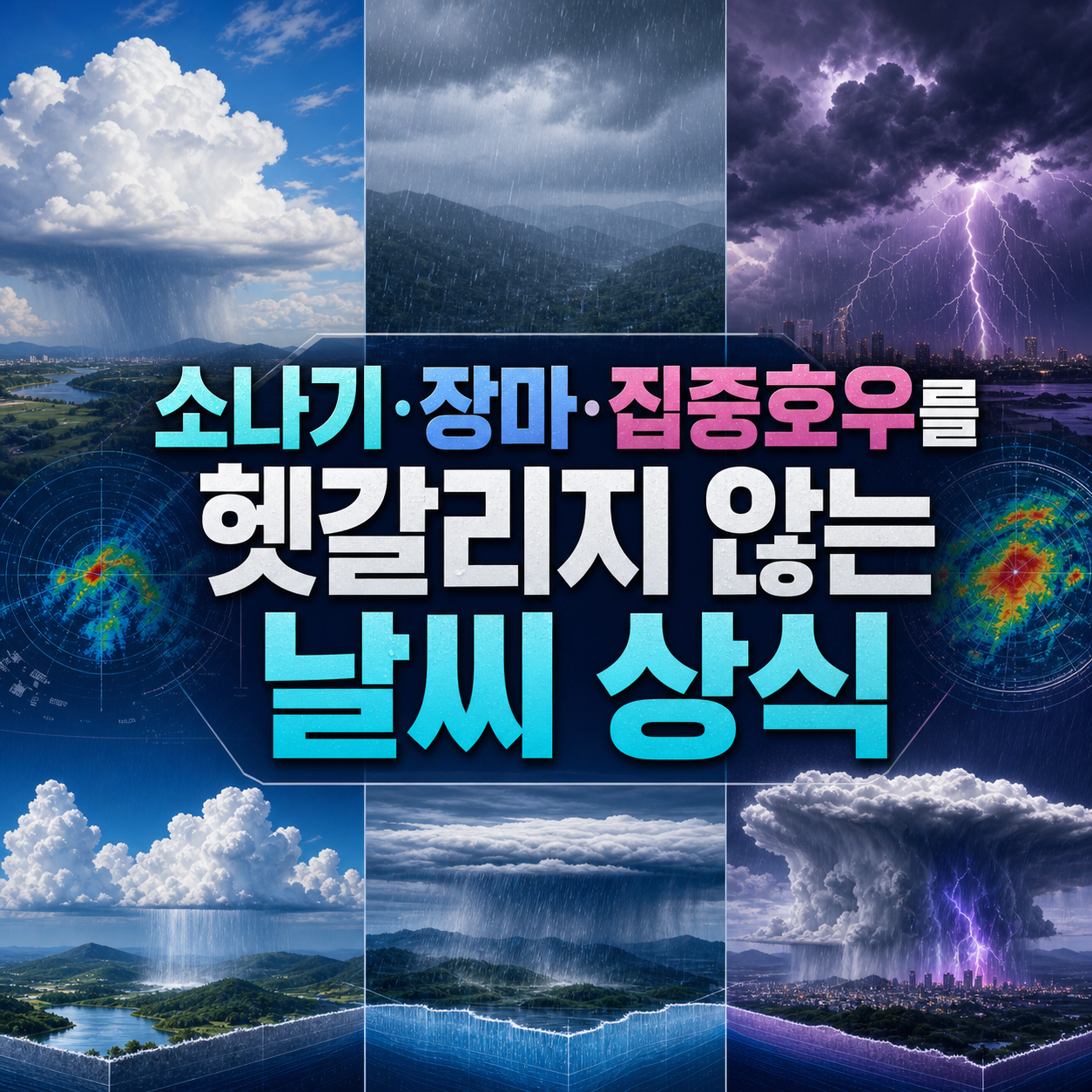
Naming it a shower, monsoon, or heavy rain matters less than the warnings, lightning, and water levels in front of you — here's the check order, radar to alerts.

When rain is in the forecast, most people ask "is this a shower or monsoon season?" but the details that actually keep you safe aren't the terminology. They're the warnings, lightning activity, and water levels showing up in real time. This list skips the dictionary definitions and focuses on the order you should actually check things, whether you're walking a dog, watching a kid, driving, or packing up camping gear.

The Check Order

  • Start with radar and short-term forecasts to gauge how localized and fast-changing the rain is.
  • Use rain probability and expected rainfall to size up the scale.
  • Let heavy rain warnings and lightning data decide whether you actually move or shelter.
  • Treat naming it — shower, monsoon, heavy rain — as the last, least important step.

Read the ten points as a sequence, not a ranking. If you're just curious whether it's a shower or monsoon rain, start with #1–4; if you need to decide fast whether to move, jump to #5–8. Forecasts shift quickly, so always recheck official sources right before you leave.

01

Showers Don't Fall the Same Two Blocks Apart

Convective clouds that build up over a small area can dump very different amounts of rain just a few blocks apart. Zoom in separately on your current spot and your destination on the radar instead of assuming one neighborhood's reading applies citywide. Even a shower that looks brief can carry lightning or gusts, so glance at the actual sky before you head out. If your plans move around a lot — walking a dog, meeting someone outdoors — it helps to refresh the radar separately for both your starting point and your destination.
02

A Shower Can Change Its Mind Within the Hour

Showers can start, intensify, or end far faster than a forecast update cycle. Refresh short-term precipitation and lightning data while you're already out, rather than trusting a forecast you checked hours ago as a fixed schedule. One last check right before you leave saves both wasted trips and unnecessary risk. If you're packing camping gear or planning to wash the car, go by the forecast checked 30 minutes before you leave rather than the one from earlier that morning — it tracks much closer to reality.
03

Monsoon Season Isn't Rain Every Single Day

Korea's monsoon comes from a stalled seasonal front hovering near the peninsula, which means clear spells and downpours alternate rather than rain falling nonstop for weeks. Watching the weekly forecast alongside the front's position and regional rainfall differences makes it easier to spot the next dry window. Plan laundry or outdoor plans around that shifting front rather than writing off the whole season. Rainfall in the south and in central regions can differ sharply on the same day, so checking your local detailed forecast beats relying on the national outlook.
04

Heavy Rain Warnings Deserve the Same Caution as Showers

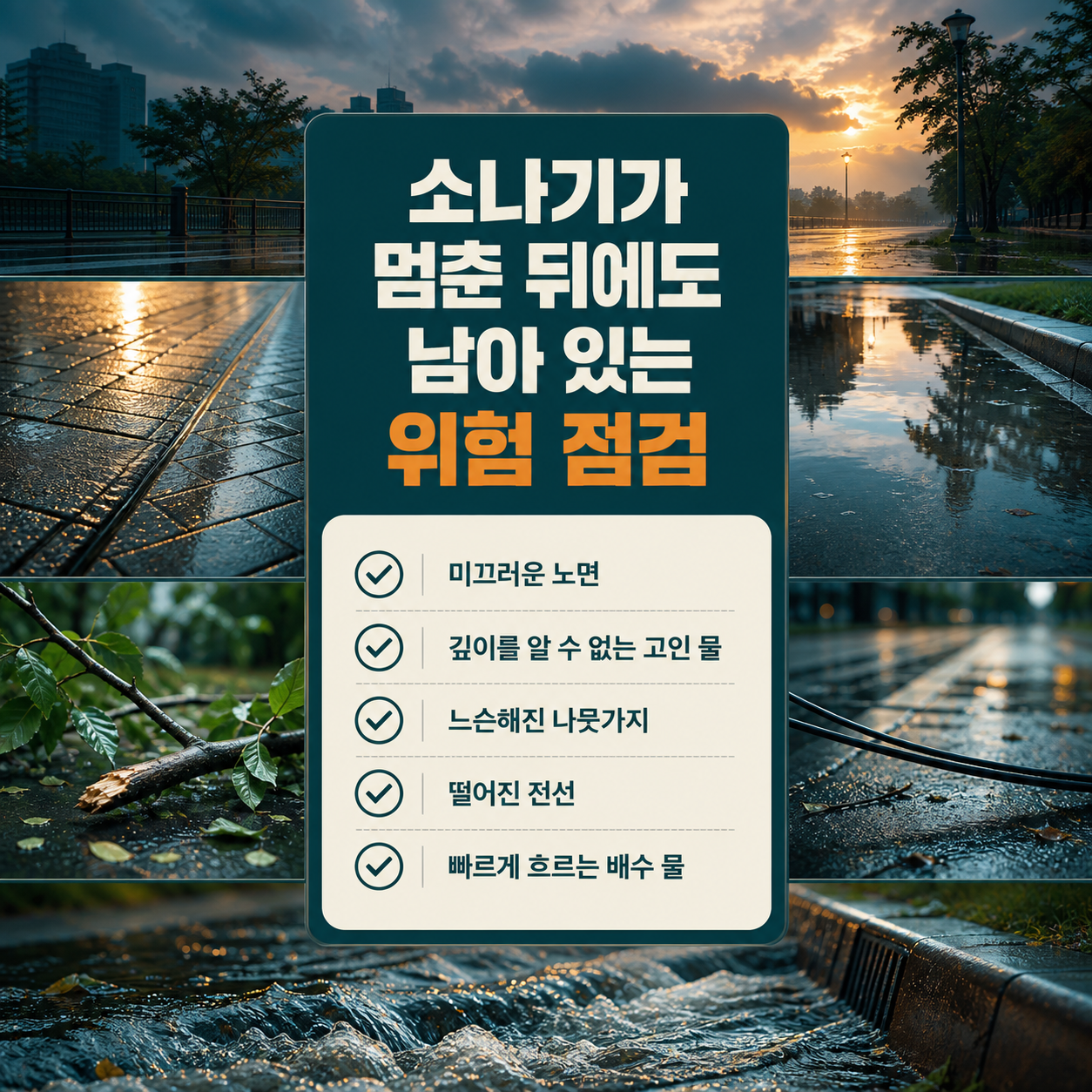
A heavy rain advisory flags a large amount of rain concentrated in a short time over a specific area, a different name from a shower but not a different safety standard. Look past the rainfall number alone to check whether a warning is active, emergency alerts, river levels, and any road closures. Stay away from underpasses and riverside paths until the warning is lifted. If you're driving, never enter a flooded underpass — find a detour first instead.
05

What Rain Probability Actually Tells You

Rain probability shows the likelihood that measurable rain falls in a given zone and time window, not the share of time it will rain or how much area it will cover. Read the percentage together with expected rainfall and sky conditions for a fuller picture. Don't let a single number like 70% or 30% dictate your umbrella or travel decision on its own. Even a low probability doesn't guarantee safety in summer, since shower-type rain can develop suddenly, so don't let a low number make you complacent.
06

Expected Rainfall Is a Range, Not a Guarantee

Forecast rainfall totals are given as a range for the period, and the upper number doesn't mean every location gets exactly that much. Factor in the chance of local variation and the hourly outlook rather than reading the range as a flat number. For camping or outdoor events where gear is at stake, plan waterproofing and drainage around the higher end of the range. If hourly rainfall is forecast to exceed 30mm at some point, it's worth adjusting plans for low-lying areas where drainage is slow.
07

Check the Actual Warning, Not Just the Forecast

A heavy rain warning is an official alert issued when substantial rain is expected to cause real damage. Confirm which areas and times it covers along with the recommended actions, and don't assume no warning exists just because the forecast only mentioned showers. Checking official alerts separately before you travel can determine whether you evacuate in time. A warning can also get upgraded from advisory to full warning, so if you're planning to be outdoors for a long stretch, recheck the warning status periodically.
08

Treat Lightning as Its Own Risk, Separate from Rainfall

Lightning risk needs to be judged independently of how much rain is falling. Check lightning observation data and the interval between thunderclaps rather than assuming lighter rain means the lightning has passed too. As a rule of thumb, stay away from trees and open spaces for a while after the last thunderclap you hear. If you're somewhere open like a golf course or a field, move indoors or under a low roof the moment you hear thunder, rather than waiting to see if it gets closer.
09

Radar Colors and Ground Reality Aren't the Same Thing

The rain bands shown on radar and the actual conditions at a specific spot serve different purposes. Compare the radar trend with ground observations and the sky right in front of you to reduce the margin of error. A deep color on the radar map doesn't automatically confirm flooding or intensity at the exact spot you're standing. Areas with a lot of mountains or tall buildings can see larger radar errors, so checking the actual sky outside your window is the more reliable read.
10

What Matters Is the Action, Not the Terminology

Correctly naming whether it's a shower, monsoon rain, or heavy rain matters less than deciding whether to move or shelter based on warnings, water levels, and lightning. Let the latest official warning and public safety guidelines drive your decision, and don't let the familiarity of the word shower talk you into underestimating the risk. In the end, safety comes down to a simple rule: stop when a warning is active, and move again once it's lifted. Remembering this one rule alone makes up for a lot of judgment calls missed in the nine points above.

The Warning Is What Decides It

Correctly naming the weather matters less than knowing which warning, if any, currently covers your location. For camping or outdoor plans, prioritize the heavy rain warning (#7) and lightning data (#8) over rain probability (#5); for getting around a city, lean on radar (#1–2) and water levels or road closures (#4).

When comparing sources, don't trust radar alone — cross-check ground observations, the sky right in front of you, and the official warning together to cut down on misjudgment. The simple rule of stopping when a warning is active and moving again once it's lifted protects you more reliably than knowing the terminology ever will.

Weather conditions change by the minute, so treat this guide as a reference and recheck the latest official warnings before you actually head out or make travel plans.

Frequently asked questions

Does a 70% chance of rain mean it will rain 70% of the time?

No. Rain probability means the likelihood that at least 1mm of rain will fall in a given area and time window, not how long it will rain or how much ground it will cover. Pair the percentage with expected rainfall amount and sky conditions for a more accurate read.

If the shower stops, is the lightning risk over too?

Not necessarily. Even after rain eases or stops, clouds can still hold enough charge to produce lightning. Check lightning data or thunder intervals separately, and hold off on outdoor activity for a while after the last thunderclap rather than assuming it's safe the moment the rain lets up.

Where can I check if a heavy rain warning is in effect?

Local weather services and emergency text alerts show which regions have an active warning, along with recommended actions. Don't assume there's no warning just because the forecast only mentioned showers; check separately before you travel.

Why does it stay dry for days at a time even during monsoon season?

Monsoon rain comes from a stalled front that shifts north and south near the Korean peninsula, and clear stretches show up whenever the front retreats to one side. Watching the weekly forecast alongside the front's position gives a rough sense of the next dry window, though regional differences are wide enough that it's worth checking the local forecast too.

If radar shows a deep color over my spot, does that mean it's dangerous there?

Not necessarily. Radar color reflects rainfall intensity, not a confirmed verdict on flooding or lightning risk at that exact spot. Cross-checking ground observations, the sky in front of you, and the official warning gives a much more accurate read on the actual risk where you're standing.

NEWSLETTER

Get new lists before anyone else

Once a week — only the new lists worth your time.

No spam · unsubscribe in one click

This page contains affiliate links. We may earn a commission from qualifying purchases.
Shower vs Monsoon vs Heavy Rain: What Matters | Golladream