생활용품
TOP 10생활용품
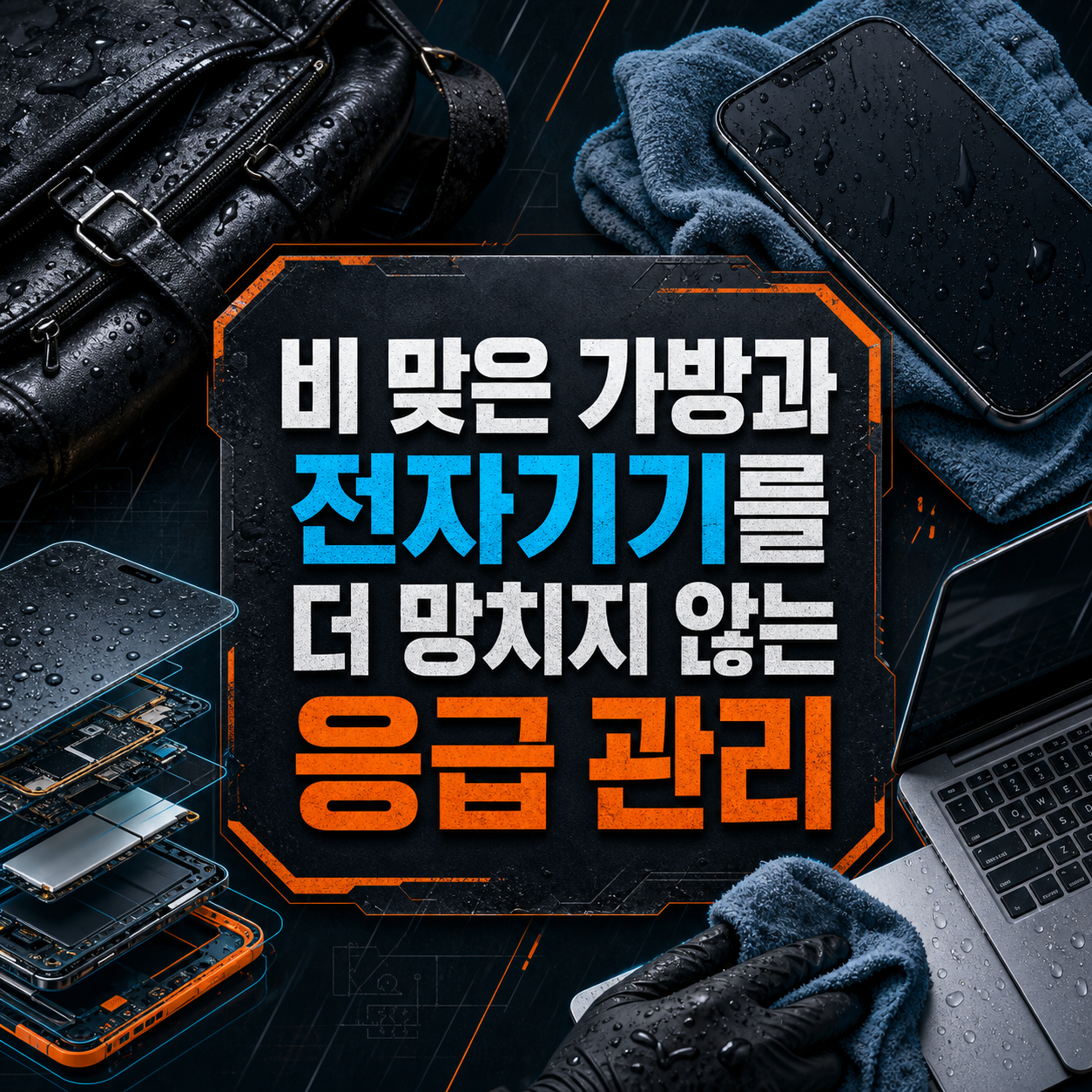
Don't Press the Power Button First — A 10-Step Guide for Rain-Soaked Bags and Electronics
Bags need drying first, devices need power cut first — get the order right after a soaking and you're looking at a repair bill, not a replacement.

TOP 10생활용품
Choosing Liquid Detergent: Washer Compatibility Before Scent
Deciding drum compatibility, scent, and indoor-drying performance first makes picking a liquid detergent much easier.
TOP 10생활용품
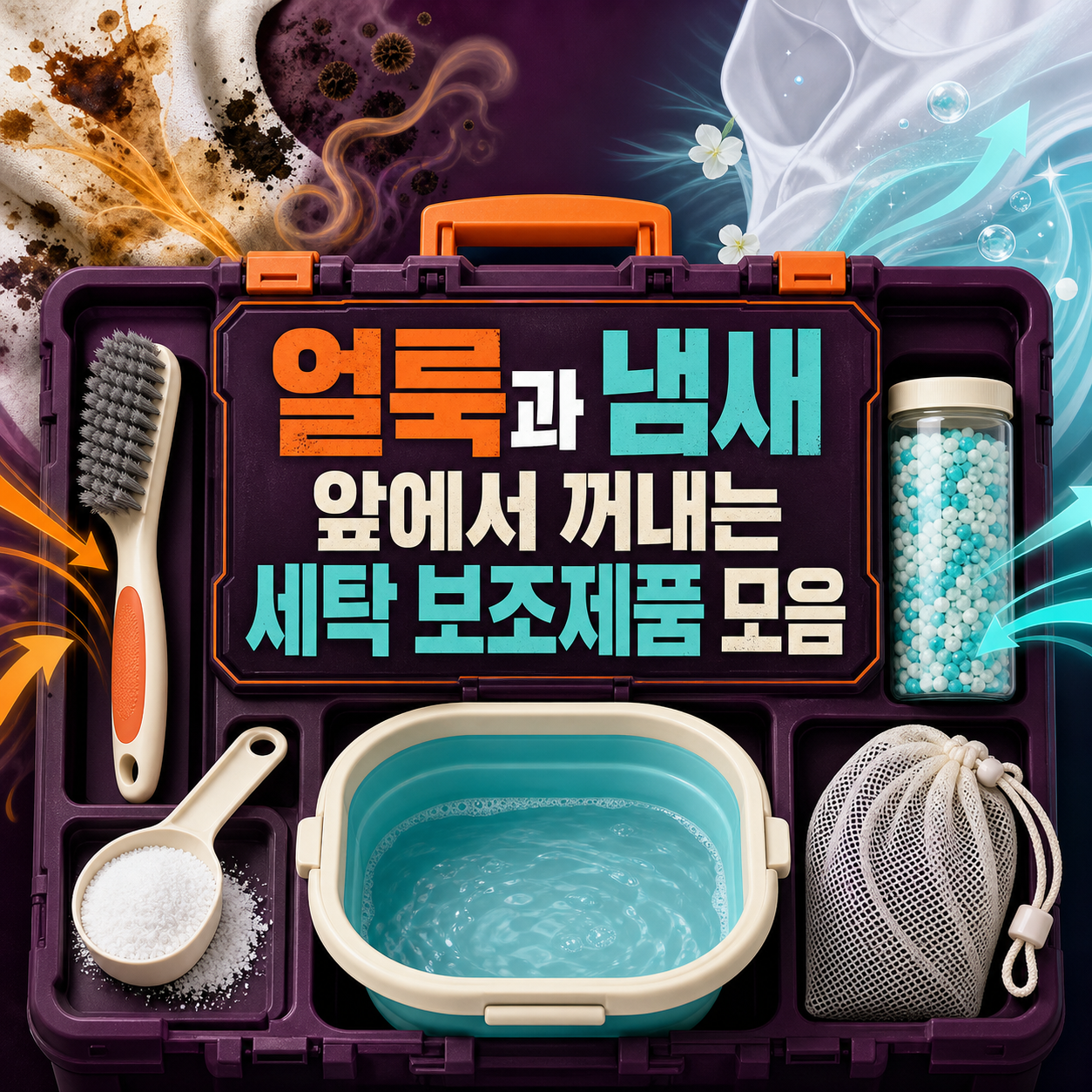
Why You Shouldn't Just Grab Any Stain Remover
Spot stains call for a pretreatment, yellowed whites call for oxygen bleach, and if measuring detergent every load annoys you, that's what pods are for — match the product to the problem, not the shelf display.

TOP 10생활용품
Why Your Laundry Piles Up: It's the Workflow, Not the Washer
Laundry bottlenecks are usually sorting, carrying, or drying space — match each tool to the exact step where your routine breaks down.
TOP 10생활용품
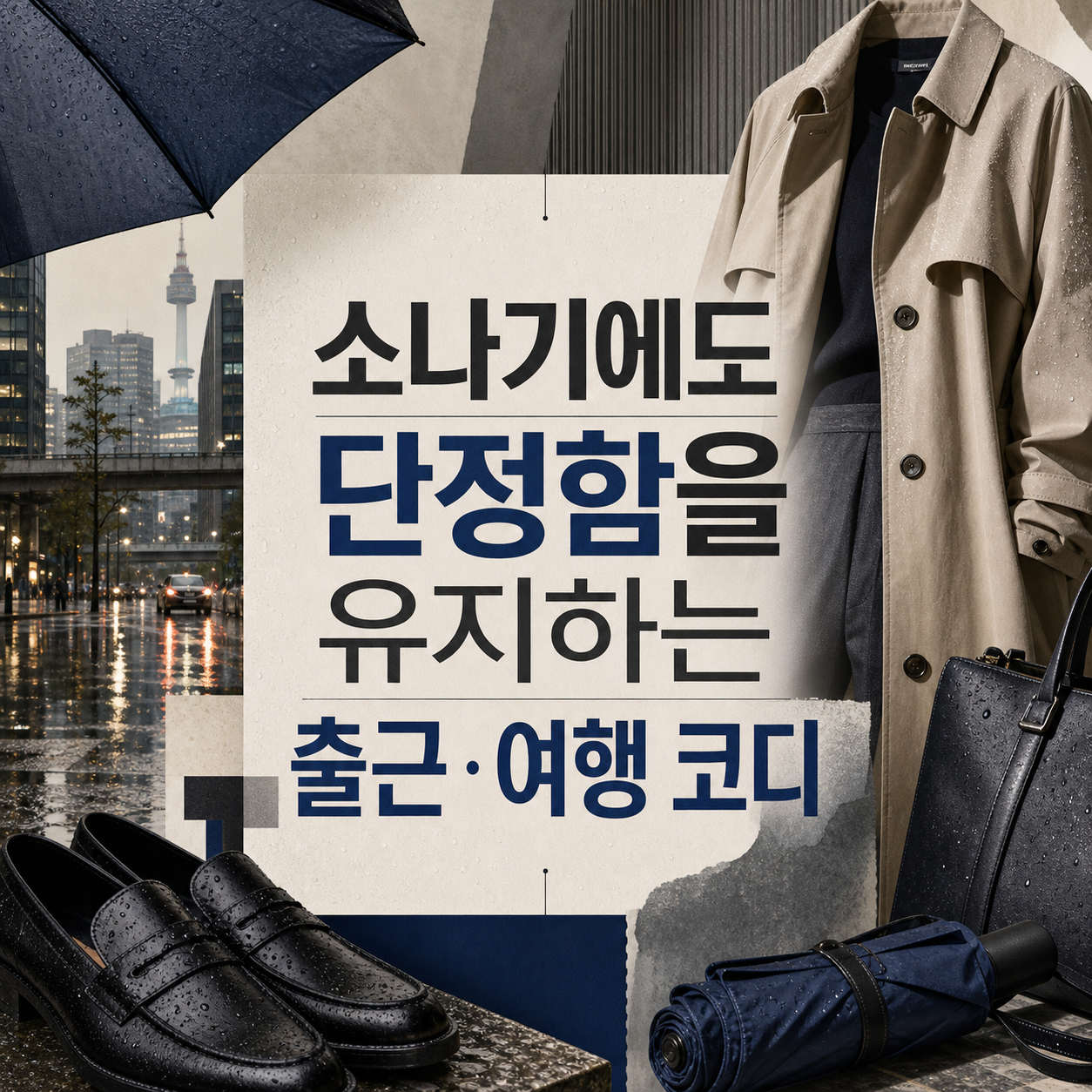
Forget the Layer Count — Decide Where You'll Wear It First: Waterproof Jackets, Boots and Bags
Skip the 2-layer vs. 3-layer debate and start with where the piece will live — commute or travel — and the right gear picks itself.