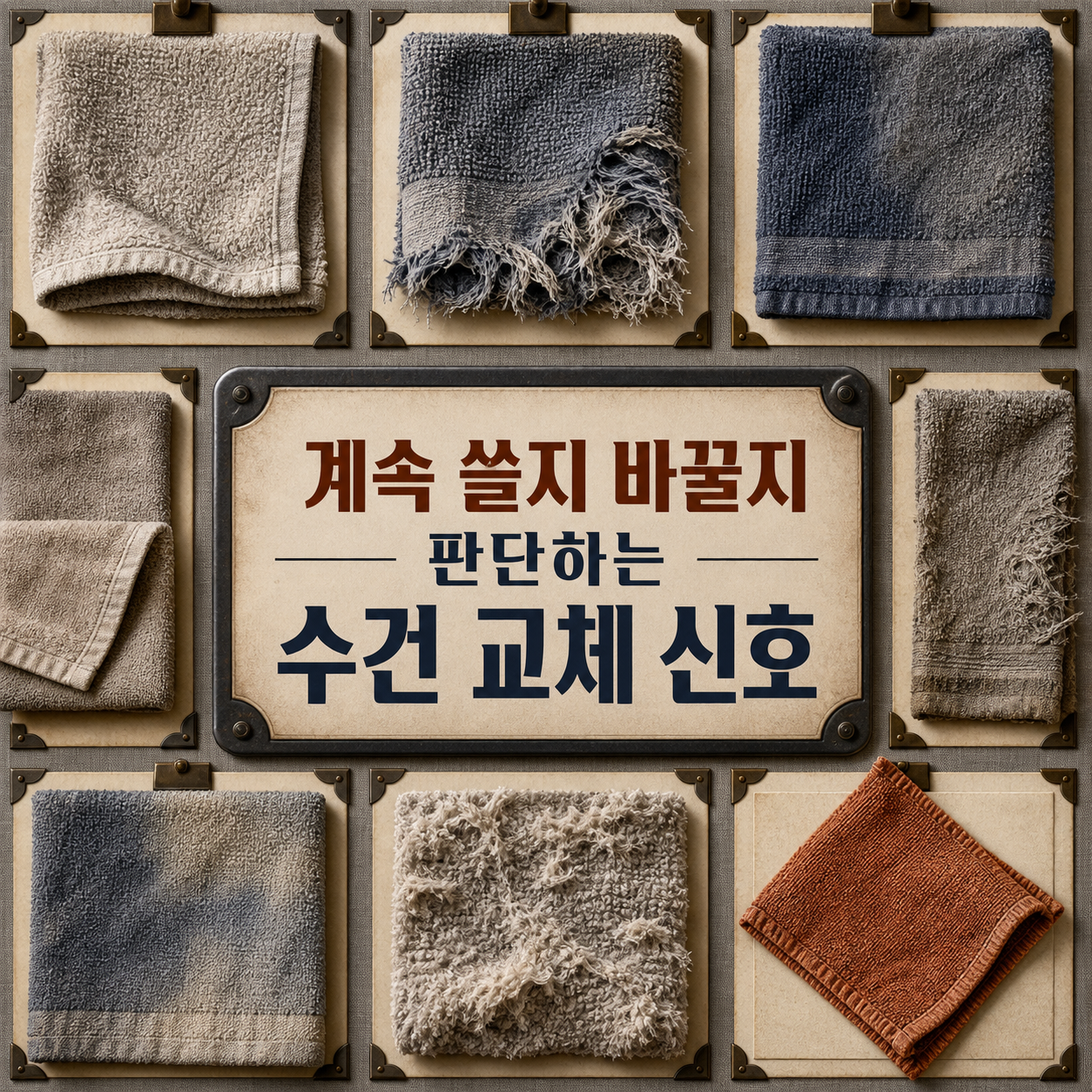
Judge a towel by overlapping signs of fraying, slow absorbency, odor, and rough texture, not by age, and recycle retired bath towels as cleaning cloths.
You can't decide when to replace a towel by counting how many years ago you bought it. The same towel changes at very different speeds depending on how often it's used, how much detergent goes into the wash, and how it dries, so its weave, thickness, absorbency, smell, and feel against your skin all shift in their own ways. That's why it pays to look at your laundry routine before tossing a towel just because it smells.
This list covers ten signs that help you decide whether a towel stays in body use, moves to cleaning duty, or goes out entirely. Instead of judging from one sign, it is ordered so you adjust detergent, rinsing, and drying first and see whether the problem persists.
How to read this list
- Items 1-3 are signs you can check by sight.
- Items 4-6 call for a change in laundry method before you decide.
- Items 7-9 involve hygiene and skin, so the bar for stopping use is stricter.
- Item 10 covers what to do after a towel leaves bath duty.
Long Loose Threads

Fraying Along the Hem

A Noticeably Thin Center

Absorbency Has Clearly Slowed Down

Odor Returns Quickly After Washing

Unusually Rough Texture After Drying

Stains That Won't Wash Out

Black Spots Paired With a Musty Smell

Skin Irritation Tied to One Specific Towel

Label It Clearly Once You Downgrade It

How to choose
If a towel only looks worn, check items 1-3, then trim or repair it and keep using it. If absorbency or odor is the issue, fix your laundry method first as in items 4-5, and replace the towel only if that fails. For mold spots or repeated skin irritation (items 8-9), the safer move is to stop using the towel without hesitation.
Don't throw out a retired bath towel right away; mark it as in item 10 and use it for cleaning to cut waste. These criteria are general household guidance and vary with fabric and conditions, so check the care label on your towels as well.
Frequently asked questions
How many years should a towel last?
Usage frequency and care matter more than a fixed number of years. A well-kept towel used in rotation can stay in bath use for three to four years or more, while a neglected one can lose absorbency and softness in one or two. Count how many signs on this list overlap rather than counting years.
Can I cover towel odor with fragrance?
Fragrance leaves the cause untouched. Odor returns when a towel stays damp too long or isn't rinsed well, so hang it right after washing and try machine cleaning and a hot wash first. If the smell still returns, treat the towel itself as retired, as in item 5.
How do I tell cleaning towels from bath towels?
The surest way is a visible mark plus a separate storage spot. Tie on a differently colored string or snip a corner, and keep them in another drawer or basket. Agree with everyone at home that a cleaning towel never goes back on the body.
My towel went stiff. Will changing detergent fix it?
If detergent or softener residue is the cause, using less and rinsing more often helps. Dryer overheating can also stiffen towels. If it still feels prickly after those adjustments, the fibers themselves are the problem and the towel should come out of body use.
Can I boil a towel with mold spots and keep using it?
With black spots plus a moldy smell, stopping use is the safer choice. Check the towels stored with it and the humidity and airflow in your bathroom so it doesn't come back. A towel that only smells, with no spots, should be judged separately.
Only one towel makes my skin itch. What should I do?
Suspect detergent and softener residue first and rewash it with extra rinses. If the same reaction repeats, stop using it, and if symptoms continue or worsen, consult a dermatologist.
Get new lists before anyone else
Once a week — only the new lists worth your time.
No spam · unsubscribe in one click
You may also like
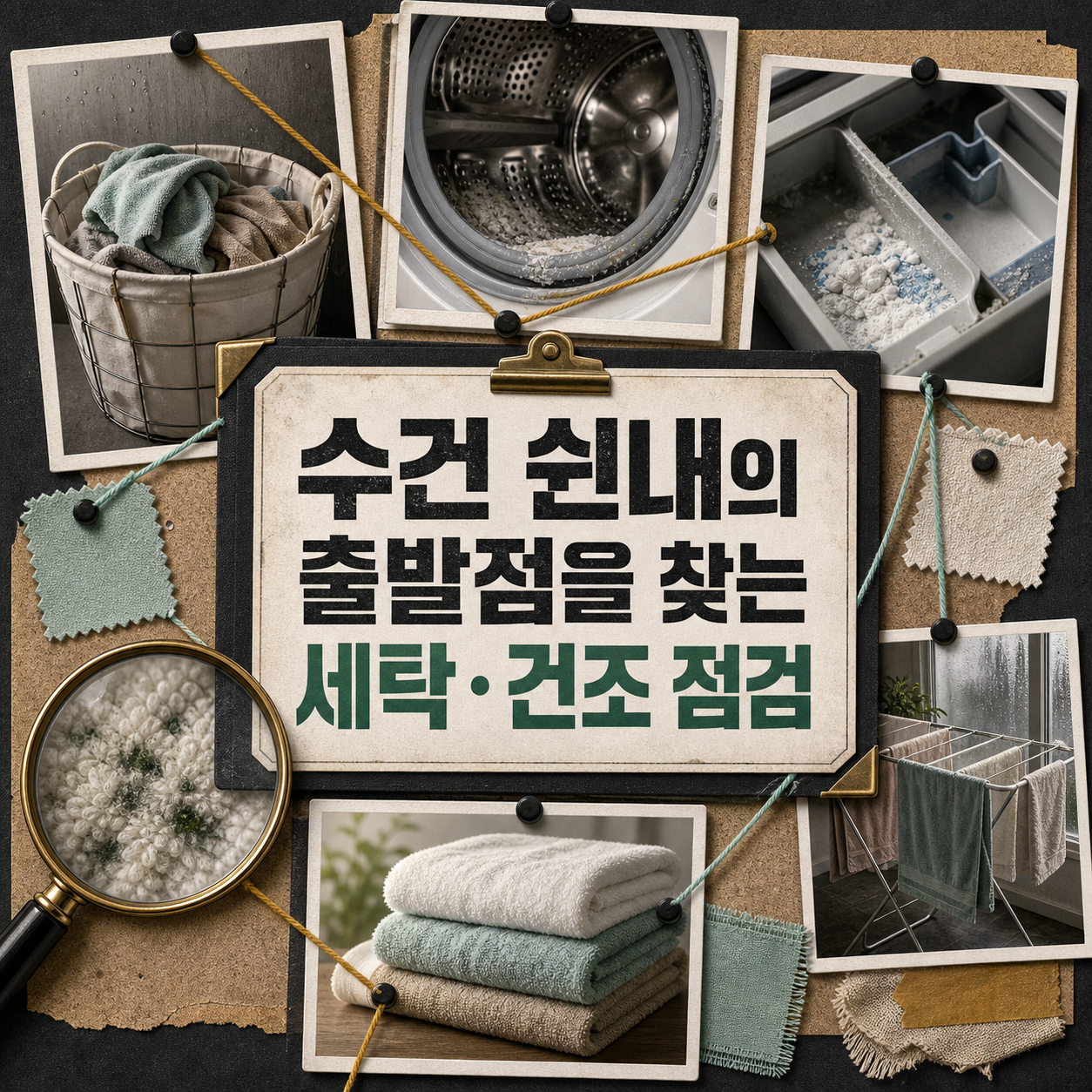
Why Your Towels Still Smell Musty (Hint: It's Not the Detergent)
Musty towel smell usually comes from how long they stayed wet and how clean the washer is, so checking storage, washing, and drying in order will pinpoint the cause.
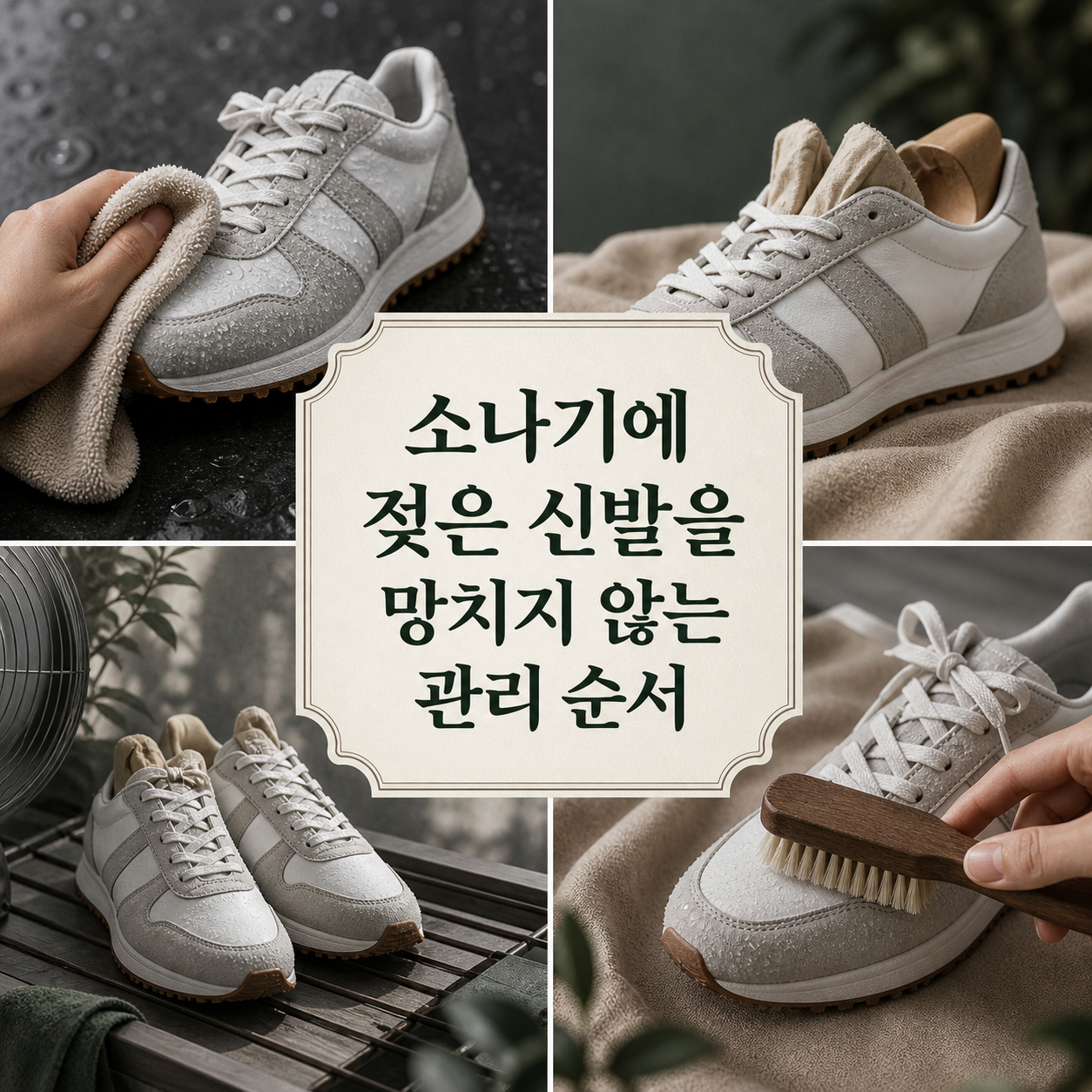
Saving a Rain-Soaked Shoe Comes Down to the First Few Hours, Not a Blow-Dryer
Check the material first, then dry soaked shoes slowly in the shade without heat so the shape and glue hold up.
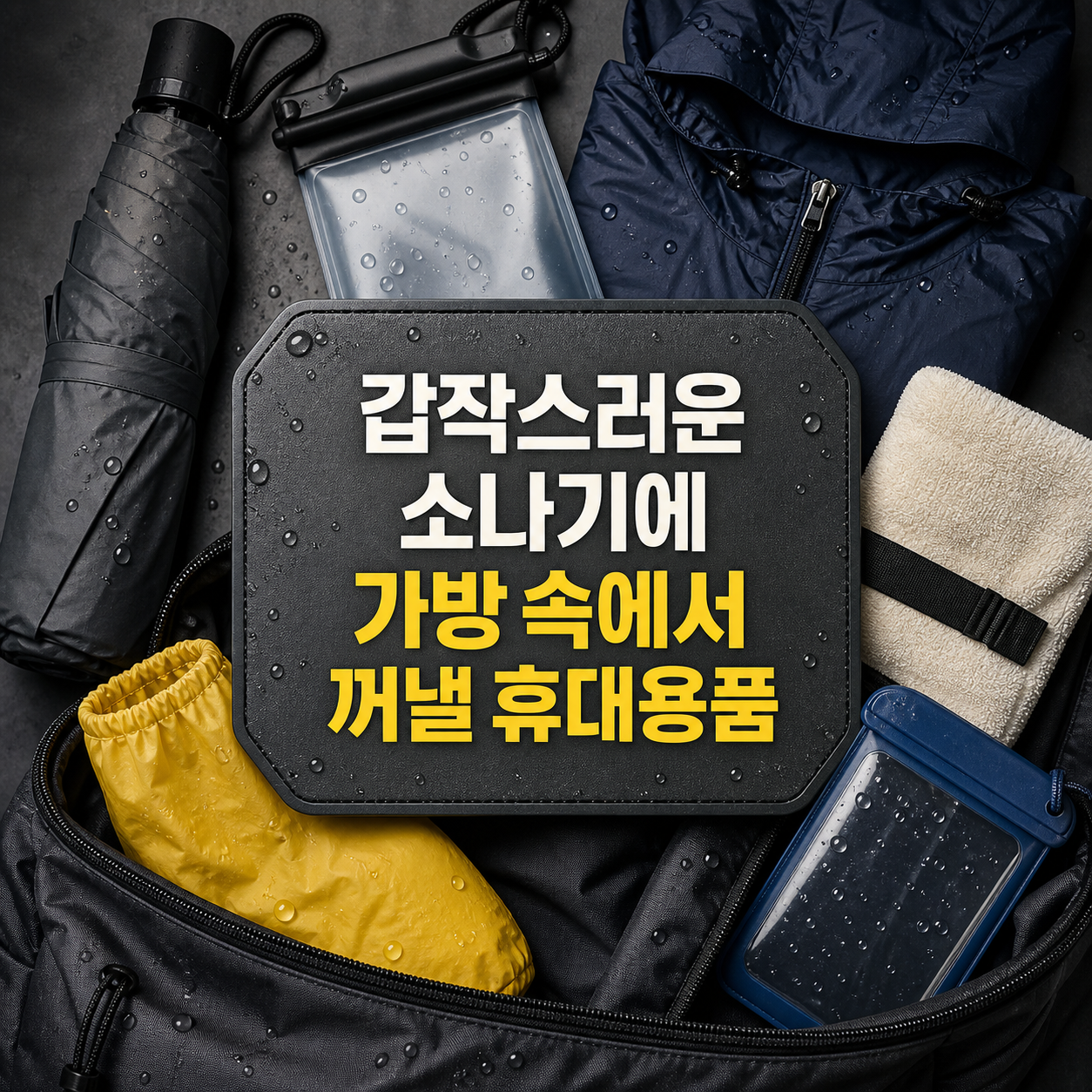
The Rain Kit That's Only Useful If You Actually Carry It
For sudden showers, pick the light, slim umbrella, pouch or dry bag you will carry every day before chasing the highest waterproof rating.

Don't Press the Power Button First — A 10-Step Guide for Rain-Soaked Bags and Electronics
Bags need drying first, devices need power cut first — get the order right after a soaking and you're looking at a repair bill, not a replacement.