
Strip wet clothes off right away, blot and spread them out, then wash by the care label and dry quickly to keep odor from setting in.
The smell in rain-soaked clothes comes mostly from bacteria multiplying in damp fabric. That is why the hours before the wash matter about as much as the wash itself. Most people get tripped up on three questions: whether to add extra detergent, whether hotter water is always better, and whether to let clothes partly dry before washing.
This list favors steps you can realistically do at home over a perfect fix. The ten steps run in time order, from the moment you peel off wet clothes through drying and storage, with the biggest odor-prevention moves placed earliest.
How we chose
- Can you do it at home without special tools?
- Does it directly reduce what causes the smell?
- Is the risk of damaging the fabric low?
If you just got home, start at number 1. If you already washed and the smell lingers, check from number 4.
Take wet clothes off the moment you're home

Spread them out somewhere with airflow before washing

Check the care label before setting water temperature

Use just the right amount of detergent

Don't skimp on the rinse cycle

Consider dry cleaning for delicate fabrics

Start drying the second the wash finishes

Sun-dry cotton, shade-dry anything with color

If the dryer's safe, go high heat

Only store clothes once they're completely dry

How to choose
If you just came in from the rain, numbers 1 and 2 come first. Taking the clothes off and pulling out moisture makes every later step easier. If the smell survived the wash, check numbers 4 and 5, detergent amount and rinsing, and if drying is the problem, look at numbers 7 through 9.
For delicate pieces like wool or silk, think of number 3, reading the label, and number 6, dry cleaning, first. For everyday clothes, the dryer at number 9 is the easiest. Finally, the habit in number 10, feeling that clothes are truly dry before storing them, stops the smell from coming back. Conditions differ by fabric and appliance, so this is general guidance that may change; check your washer and dryer manuals and each garment's care label.
Frequently asked questions
Can I just toss wet clothes straight into the hamper?
Sealing damp clothes in a closed hamper makes the smell worse. Wash within half a day if you can. If that's not realistic, spread them out somewhere with airflow first; even partially drying them slows odor a lot.
What gets rid of the smell for good?
Follow the care label for water temperature, use the right amount of detergent, and dry as fast as possible after washing. If the fabric is dryer-safe, high heat helps reduce odor-causing bacteria.
Does the fabric change how I should handle it?
Cotton and linen dry fast and hold less odor. Polyester and nylon dry slowly and need extra attention, and wool and other natural fibers often can't take hot water or a dryer. Checking the label and ensuring airflow applies to every fabric.
Does more detergent mean less smell?
It's the opposite. Too much detergent doesn't rinse out fully, and the residue can cause a musty smell. Stick to the amount recommended on the bottle.
What if I can't hang clothes right after the wash?
Clothes left in the drum after spinning bring the smell back. If you can't hang them promptly, skip delayed start and time the wash for when you're home. For clothes already left too long, run one more rinse.
Get new lists before anyone else
Once a week — only the new lists worth your time.
No spam · unsubscribe in one click
You may also like
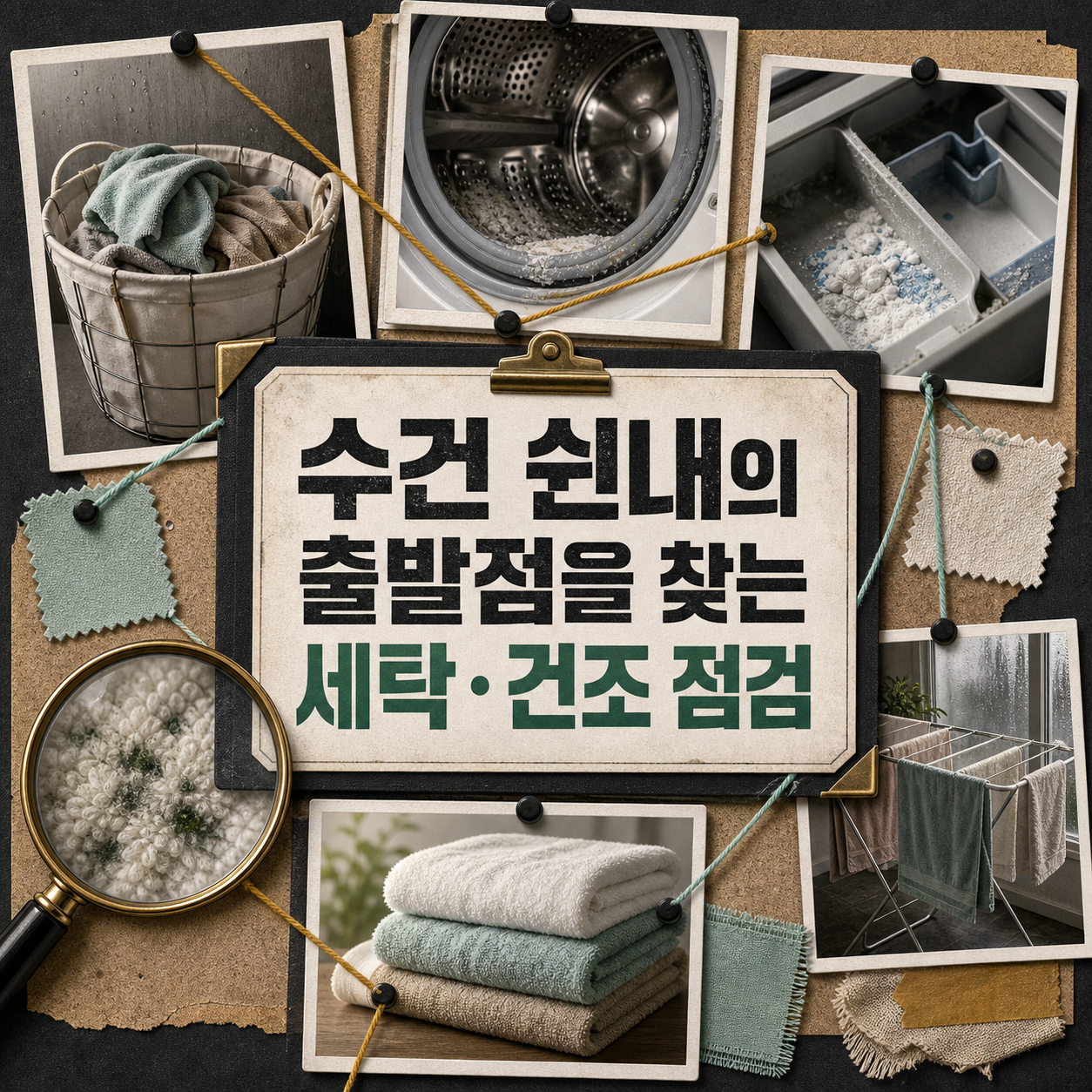
Why Your Towels Still Smell Musty (Hint: It's Not the Detergent)
Musty towel smell usually comes from how long they stayed wet and how clean the washer is, so checking storage, washing, and drying in order will pinpoint the cause.
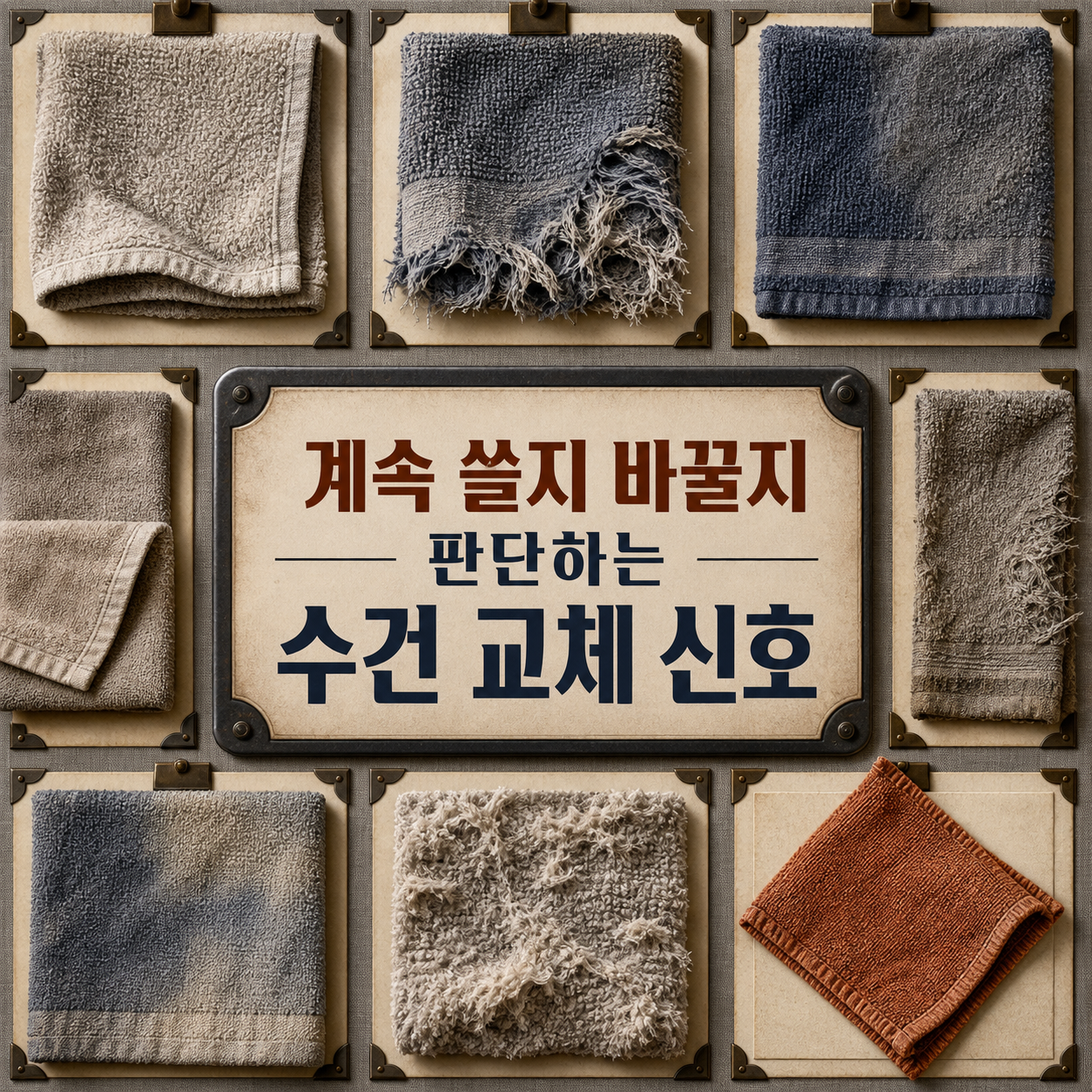
Forget the Calendar: Ten Signs That Tell You Whether a Towel Still Belongs in the Bathroom
Judge a towel by overlapping signs of fraying, slow absorbency, odor, and rough texture, not by age, and recycle retired bath towels as cleaning cloths.
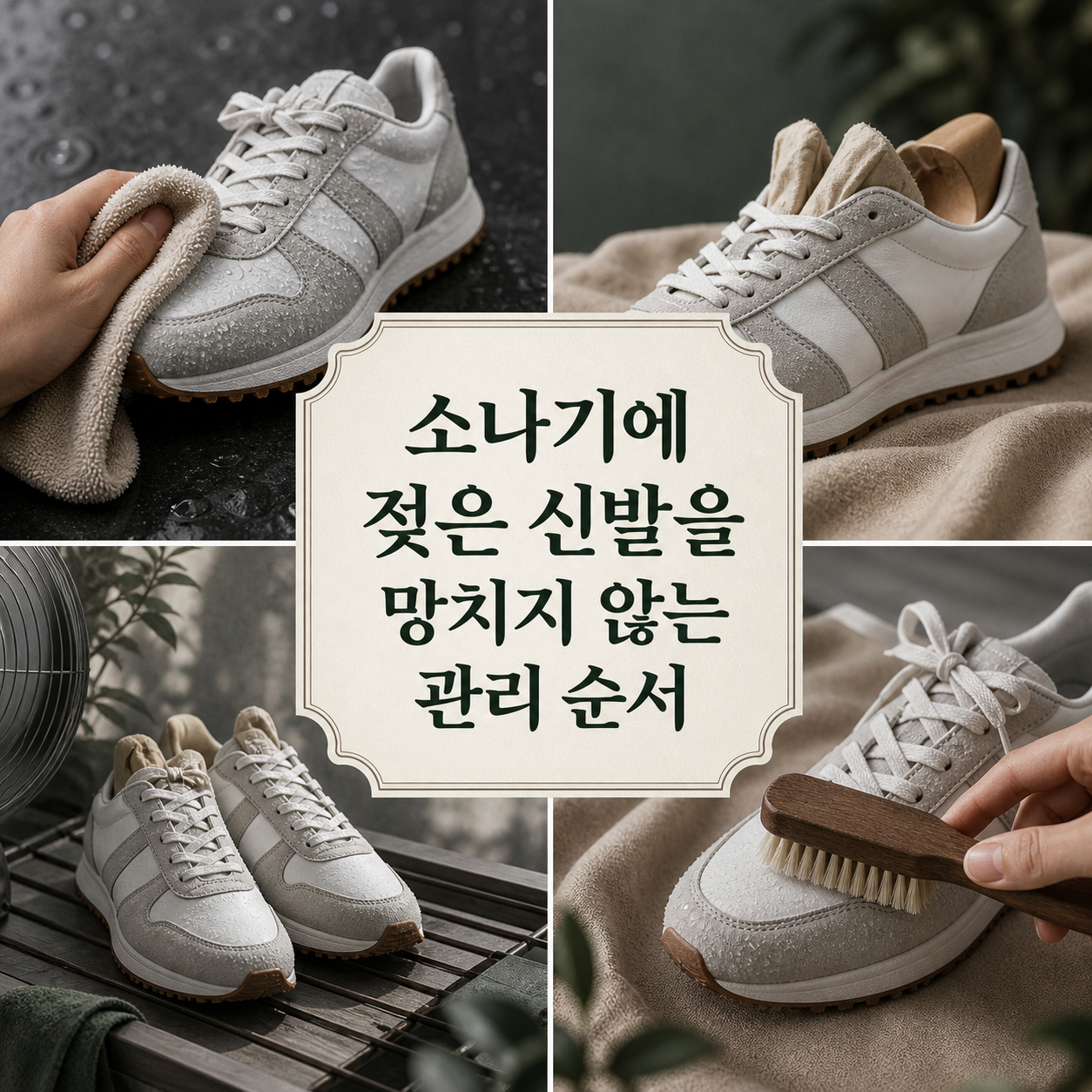
Saving a Rain-Soaked Shoe Comes Down to the First Few Hours, Not a Blow-Dryer
Check the material first, then dry soaked shoes slowly in the shade without heat so the shape and glue hold up.
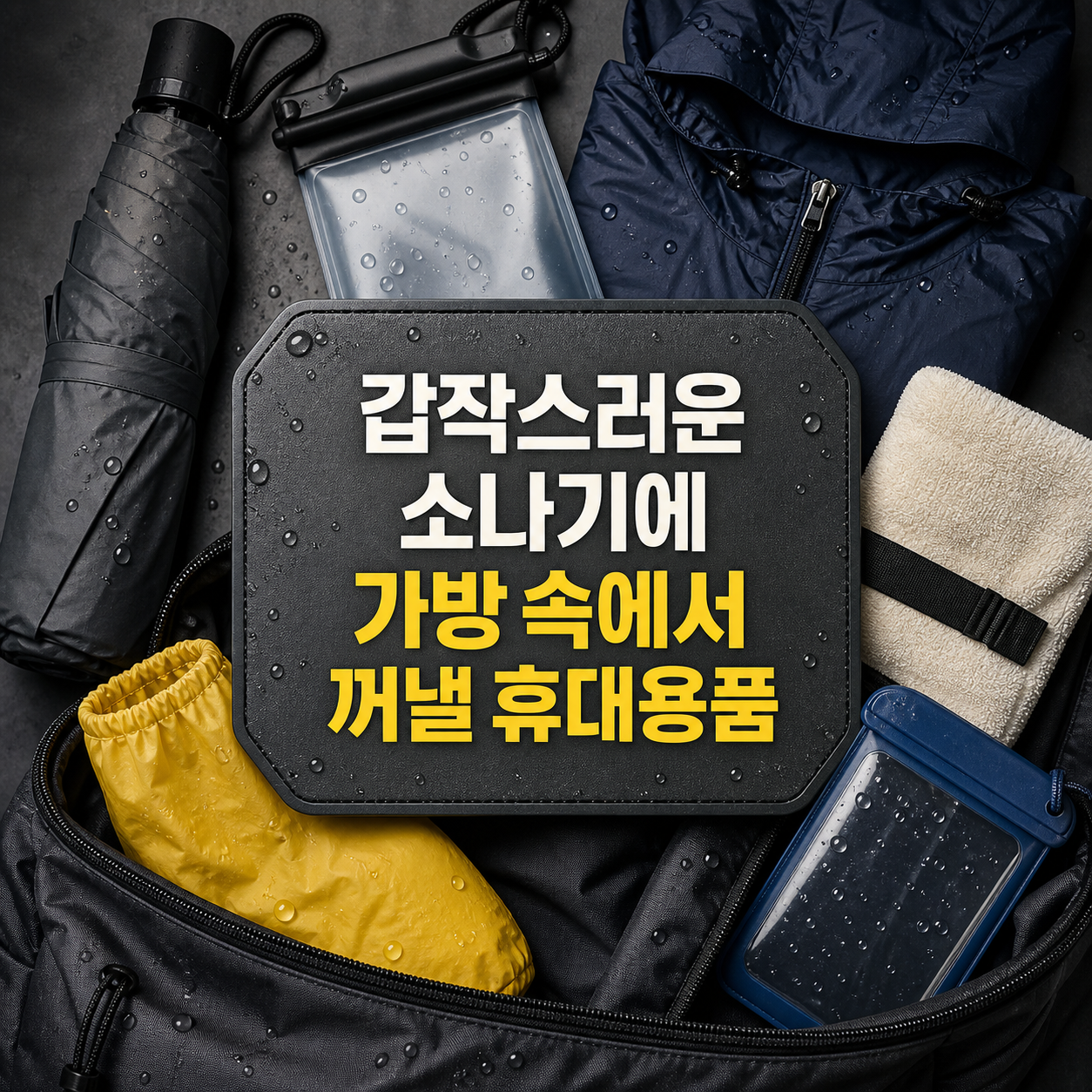
The Rain Kit That's Only Useful If You Actually Carry It
For sudden showers, pick the light, slim umbrella, pouch or dry bag you will carry every day before chasing the highest waterproof rating.