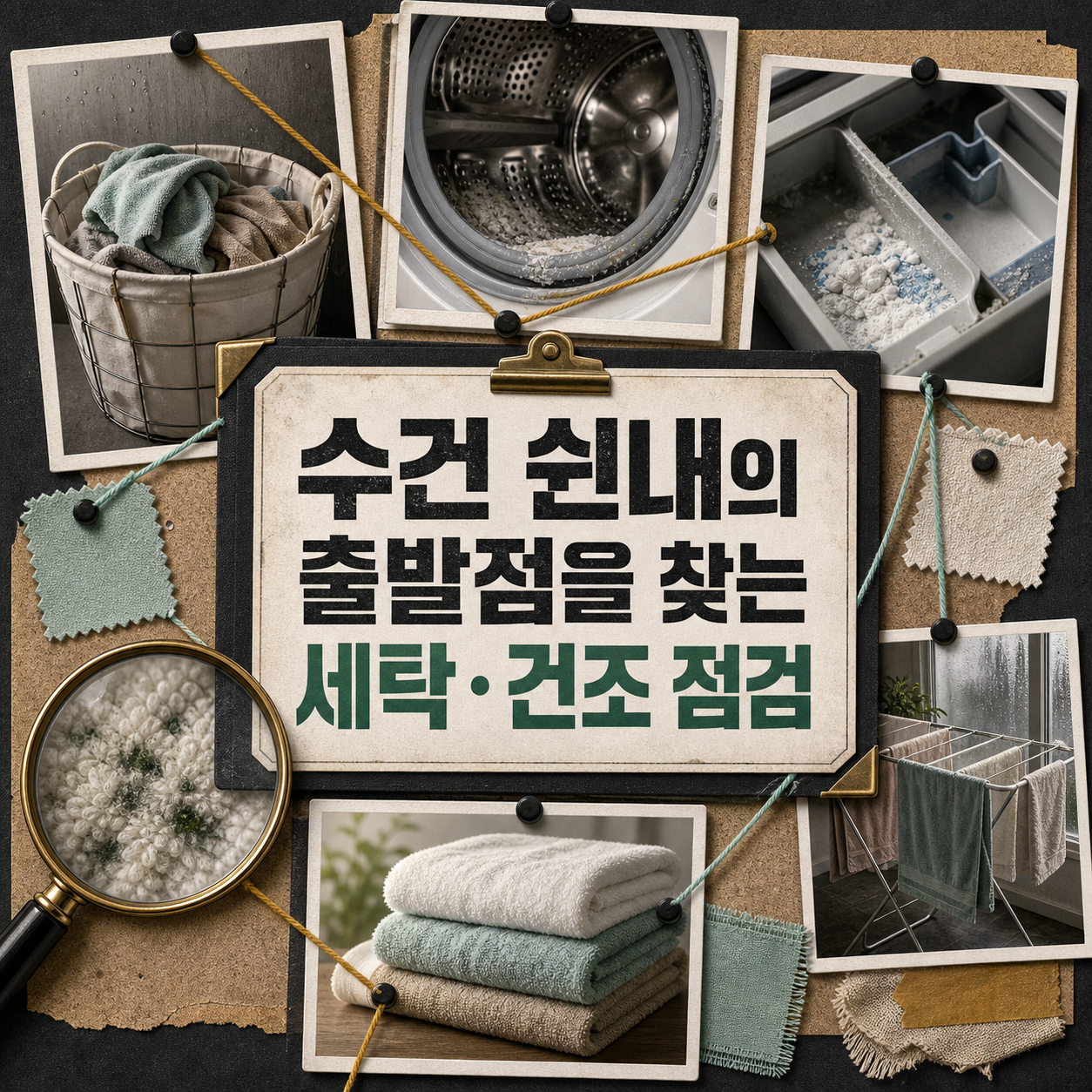
Musty towel smell usually comes from how long they stayed wet and how clean the washer is, so checking storage, washing, and drying in order will pinpoint the cause.
When towels smell musty, the first things to suspect are how long they stayed wet and how clean your washer is, not a lack of fragrance. Scented detergent or softener only masks the problem, and if the cause is still there the smell comes back within days, which is why so many people keep switching products and going in circles.
This list skips the extra scent and walks through the checks that narrow down the cause one at a time. The 10 steps run in order, from how you store towels before washing to the washer itself and the final drying. Change one thing at a time and compare the smell before moving on.
How we chose
- Can you try it today at no cost
- Does it help tell the possible causes apart
- Is it safe for your washer and your towels
If only the towels smell, start with items 1 to 3. If it seems to come from the washer, start at 4 to 8. Your manual always comes first for model limits.
Air Out Wet Towels Before Washing

Set an End-of-Cycle Reminder

Re-measure Your Detergent

Confirm You're Using HE Detergent

Wipe Down the Door Gasket

Clean Out the Detergent Drawer

Run the Tub-Cleaning Cycle

Check the Drain and Filter

Give Towels Room and Time to Dry

Isolate Where the Smell Is Coming From

How to choose
If you are just starting out, begin with items 1 and 9. They cost nothing, and changing only your towel habits makes the result easy to see. If all your laundry smells, items 5 (gasket), 6 (drawer), and 7 (tub care) come first, and if water drains slowly, check the filter in item 8 before anything else.
Going through item 3 (measuring) and item 4 (HE check) before you switch detergents can save you needless spending. If you cannot tell where the smell comes from, use item 10 to sort that out first. When using cleaners, never combine bleach with acidic products.
This information reflects general checkpoints and may differ by machine, so check your manual or the manufacturer's official channel before use.
Frequently asked questions
What is the most common reason towels smell musty?
Leaving damp towels balled up for too long, or detergent that does not fully rinse out, is the most common cause. The smell can also transfer from the washer's gasket, drawer, or drum, so check those too.
Can I add baking soda or vinegar to the wash?
Check what your washer and towel care label allow first. Mixing several cleaning agents can leave more residue and stress the machine, so using one measured detergent is safer.
How often should I run a tub-cleaning cycle?
Use the manufacturer's recommended interval as a baseline and shorten it if the smell keeps coming back. Never mix bleach with acidic cleaners. Use the dedicated cycle and one cleaner at a time.
Does adding more detergent reduce the smell?
Usually the opposite. Detergent that does not rinse out stays in the fibers and can cause stiffness and odor. Measure the recommended dose, and split a big pile of towels into smaller loads.
Is there anything to watch for when drying towels?
Spread towels open without overlapping and leave a gap for air. If the room is humid, add ventilation or a dehumidifier, and if you use a dryer, follow the manual's temperature and time limits.
Get new lists before anyone else
Once a week — only the new lists worth your time.
No spam · unsubscribe in one click
You may also like
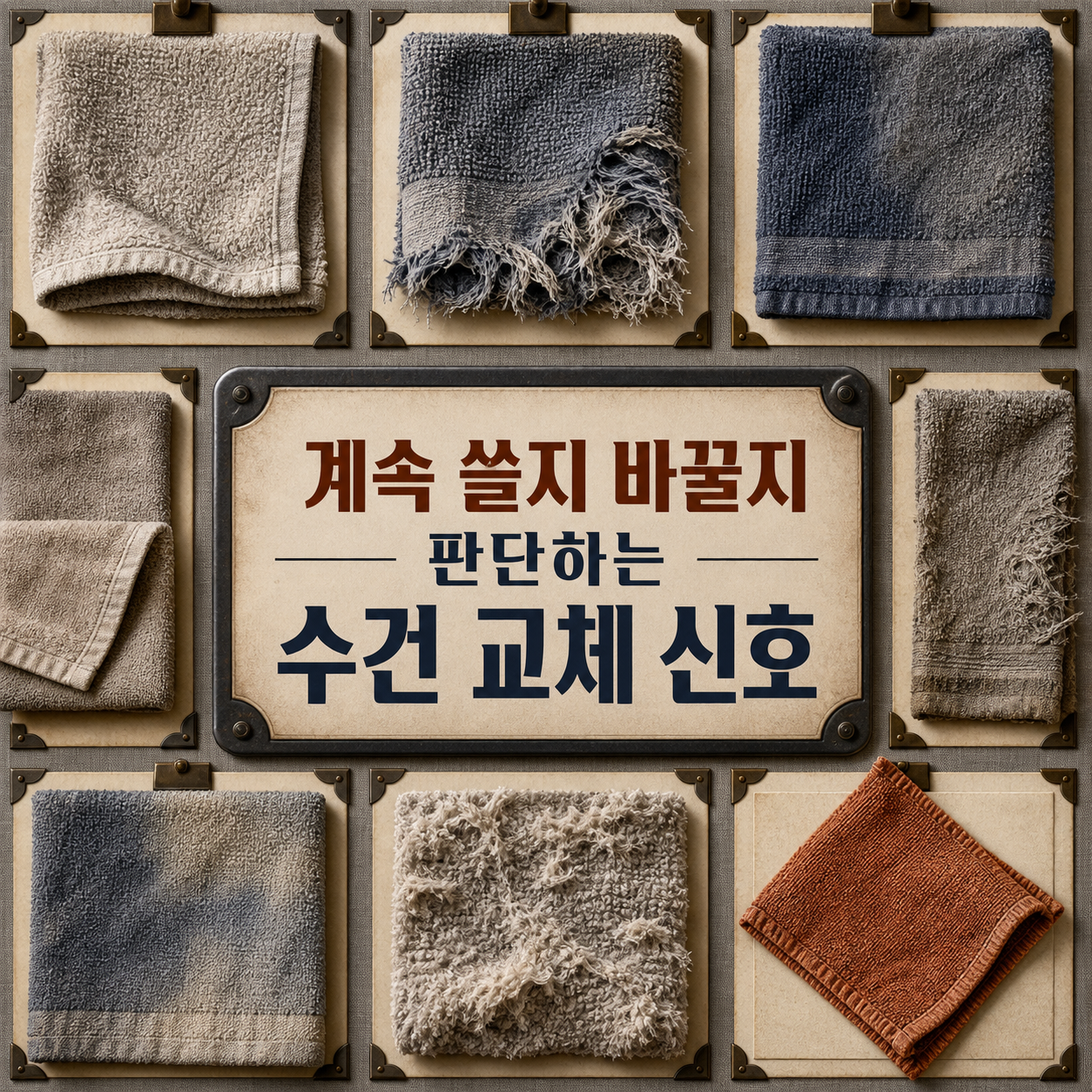
Forget the Calendar: Ten Signs That Tell You Whether a Towel Still Belongs in the Bathroom
Judge a towel by overlapping signs of fraying, slow absorbency, odor, and rough texture, not by age, and recycle retired bath towels as cleaning cloths.
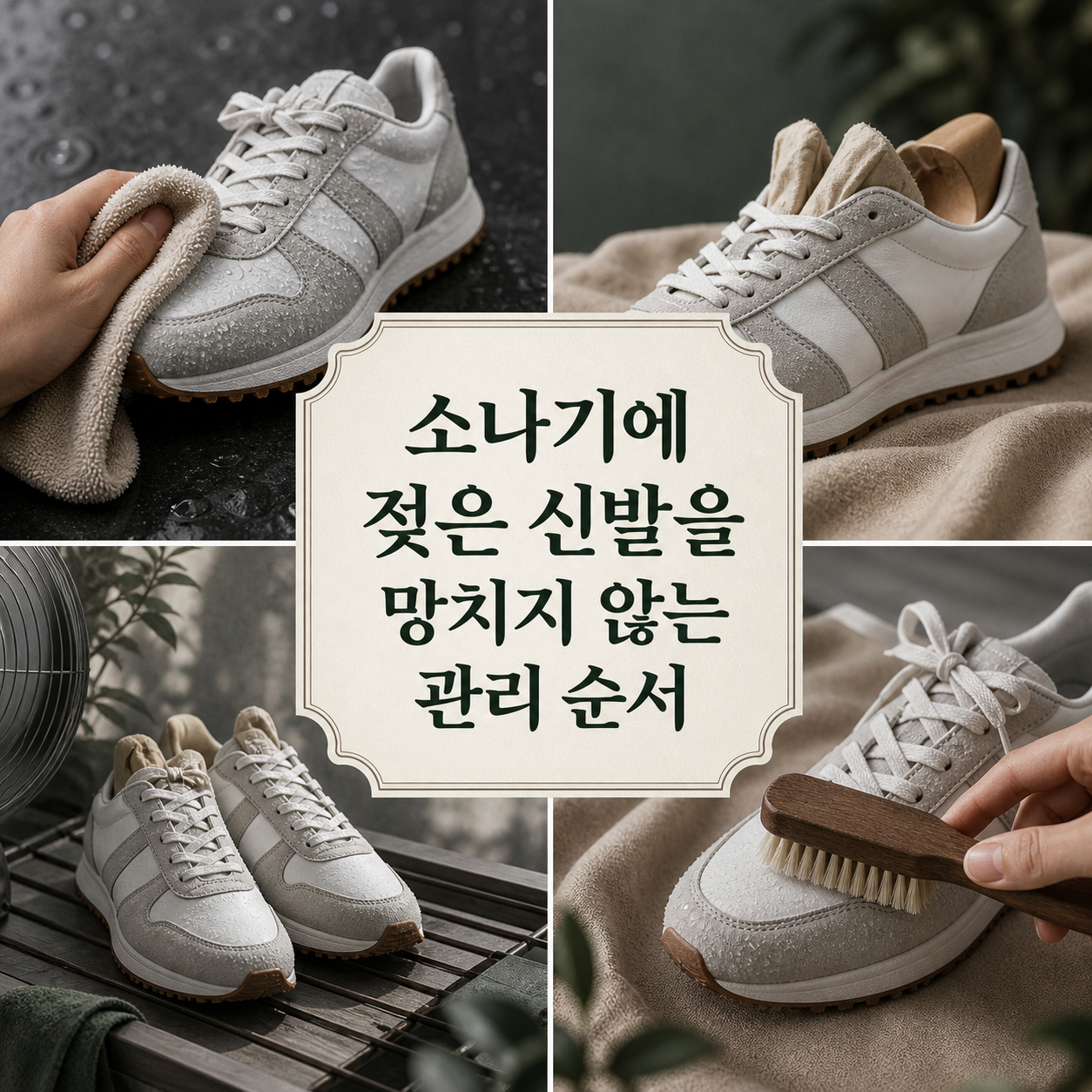
Saving a Rain-Soaked Shoe Comes Down to the First Few Hours, Not a Blow-Dryer
Check the material first, then dry soaked shoes slowly in the shade without heat so the shape and glue hold up.
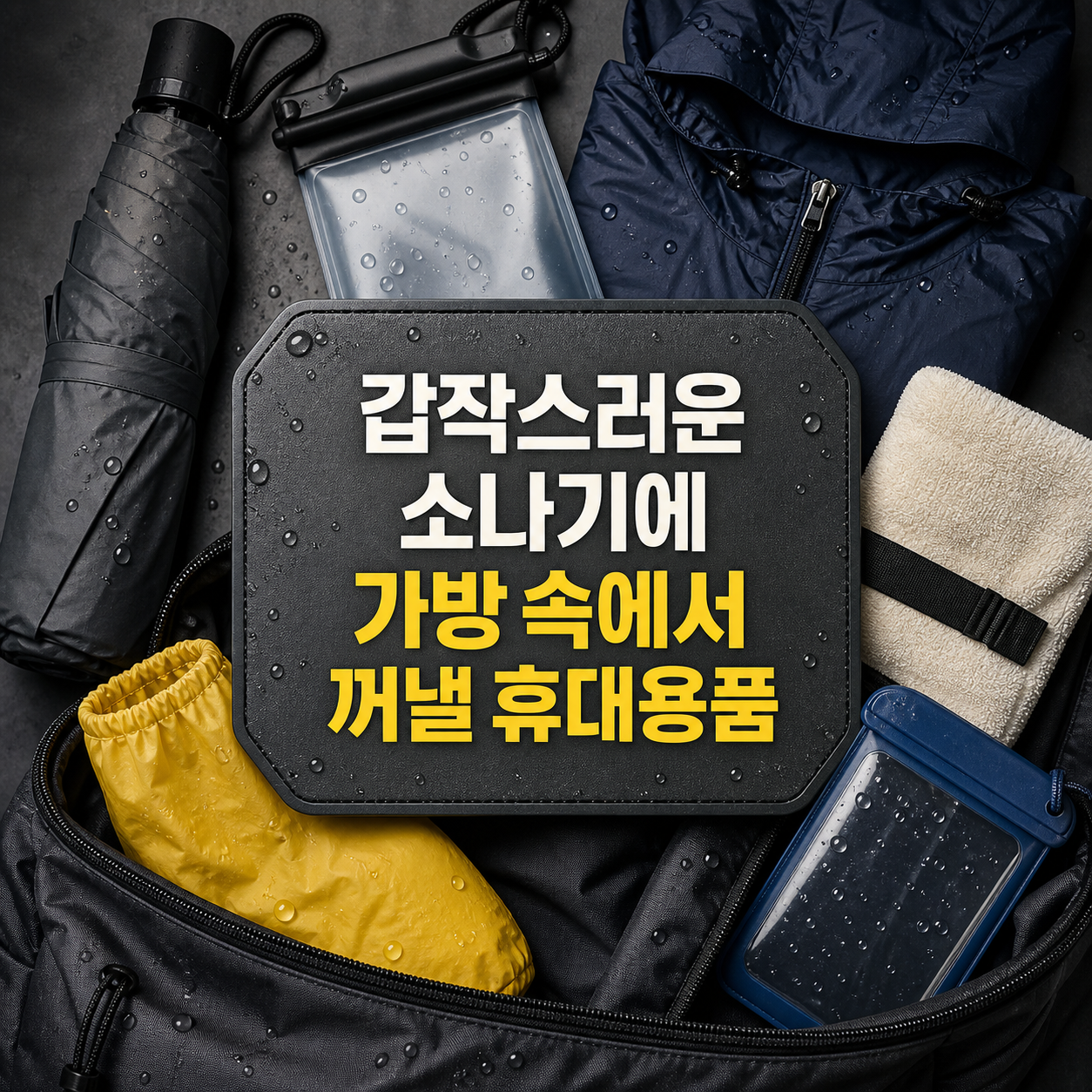
The Rain Kit That's Only Useful If You Actually Carry It
For sudden showers, pick the light, slim umbrella, pouch or dry bag you will carry every day before chasing the highest waterproof rating.

Don't Press the Power Button First — A 10-Step Guide for Rain-Soaked Bags and Electronics
Bags need drying first, devices need power cut first — get the order right after a soaking and you're looking at a repair bill, not a replacement.