
Stiff or poorly absorbent towels usually come from detergent residue, overloading, or drying conditions rather than too little softener, so check those three first.
When towels turn stiff or stop soaking up water, the first instinct is to add more softener. In practice the cause is more often detergent residue, a washer packed too full, or the drying temperature and time. Softness and absorbency don't always move together, so protecting one can quietly cost you the other.
This list splits towel care into ten steps, from prep to rinsing, drying, and dryer upkeep. Items that affect feel and absorbency most, and can be fixed today, come first. If towels feel stiff, start with ranks 1 to 4; if they come out rough or take forever to dry, start with ranks 5 to 9.
How we chose
- Can you isolate the cause and compare results?
- Can you try it right away without special tools?
- Does it stay within what your care label and appliance manuals allow?
Use Less Detergent, Not More

Check the Fabric Softener Label First

Don't Overload the Machine

Check How Towels Feel Right After Rinsing

Dry Towels of Similar Weight Together

Shake Towels Out Before Drying

Dry at the Temperature Your Label Allows

Don't Over-Dry

Clean the Dryer's Lint Filter Regularly

Don't Pour Vinegar In Without Checking First

How to choose
If towels are stiff and slick, start with rank 1 (less detergent) and rank 4 (check the rinse). If you use softener, rank 2 is where to rethink whether and how often. If towels come out rough or take too long to dry, work through rank 7 (temperature), rank 8 (stop on time), and rank 9 (clean the filter).
If you're just starting, change only one thing at a time. Cut the detergent, run two or three loads, compare, and only then adjust drying, so you know what actually worked. For anything that could affect your machine, like rank 10's vinegar, skip it when you're unsure. This information reflects the time of research and may change, so check your towel's care label and your washer and dryer manufacturers' guidance before applying it.
Frequently asked questions
What most often makes towels stiff?
Too much detergent that never fully rinses out is the usual culprit. Cut the dose to match the load and check whether towels feel slick after rinsing. Then look at load size and drying conditions.
My towels smell musty. Should I use a stronger-scented softener?
Masking the smell doesn't fix the cause. Check how long towels sat damp and whether rinsing and drying were thorough enough. That's usually where the odor starts.
Why are brand-new towels not absorbent at first?
Leftover finishing agents from manufacturing can make new towels feel less absorbent at first. A few ordinary wash-and-dry cycles usually fix it without any special steps.
Can towels stay soft without fabric softener?
Yes. Using the right amount of detergent, not overloading, rinsing well, and controlling drying temperature and time can keep towels soft on their own.
What temperature should I dry towels at?
There's no single number. The rule is to stay within the drying range on the care label. High heat dries faster but can damage fibers and cause shrinkage.
Is it OK to put vinegar in the washer?
It's often mentioned for odors, but it may react with rubber parts or other detergents. Confirm your washer and detergent makers allow it, and skip it if you're unsure.
Get new lists before anyone else
Once a week — only the new lists worth your time.
No spam · unsubscribe in one click
You may also like

Keep Towels Separated and Laundry Care Gets Easier
Splitting towels by face, bath, kitchen, gym, and pet use makes wash timing and replacement clear and cuts cross-contamination and odor.

The Ten Minutes Right After Getting Rained On Decide the Smell
Strip wet clothes off right away, blot and spread them out, then wash by the care label and dry quickly to keep odor from setting in.
Why Your Towels Still Smell Musty (Hint: It's Not the Detergent)
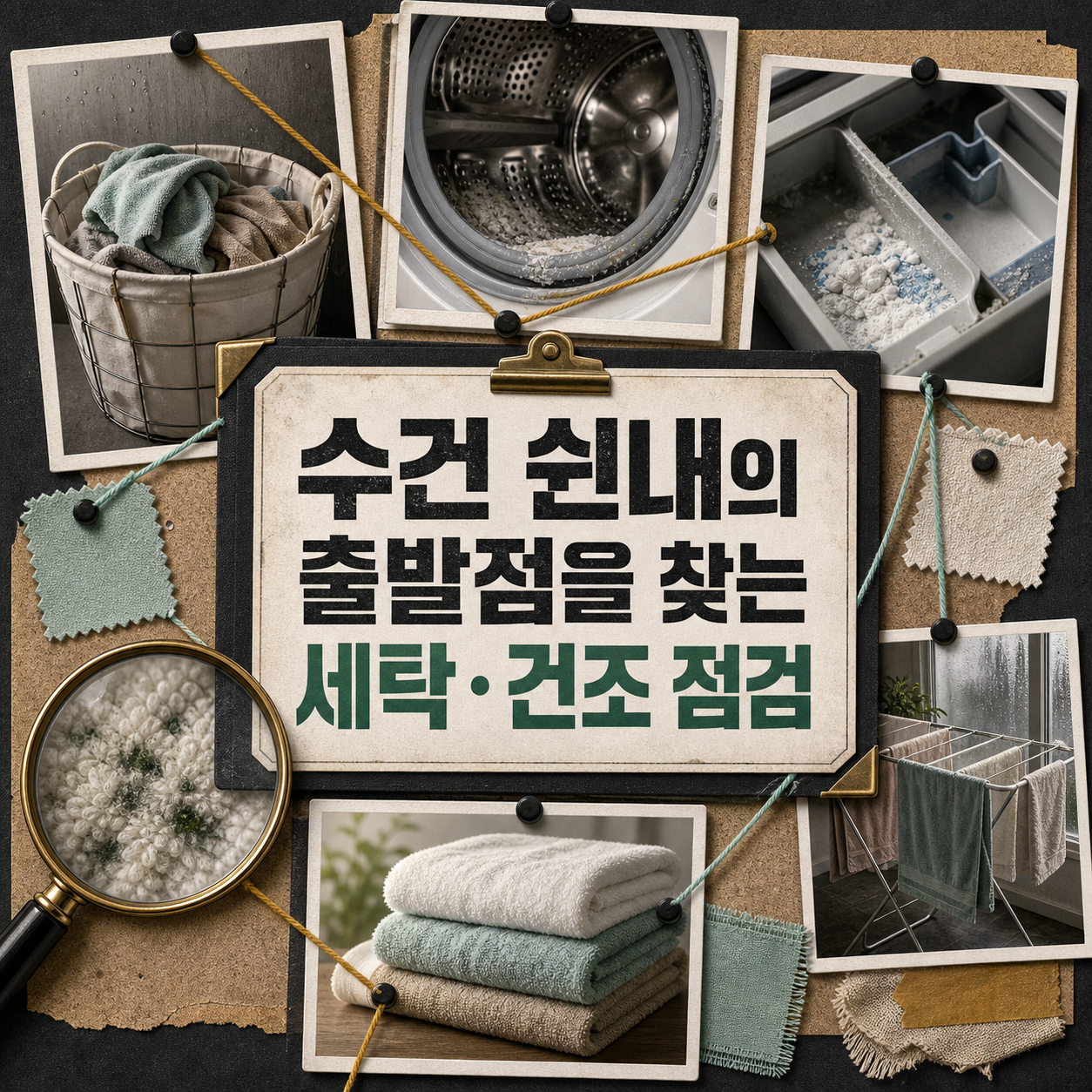
Musty towel smell usually comes from how long they stayed wet and how clean the washer is, so checking storage, washing, and drying in order will pinpoint the cause.
Forget the Calendar: Ten Signs That Tell You Whether a Towel Still Belongs in the Bathroom
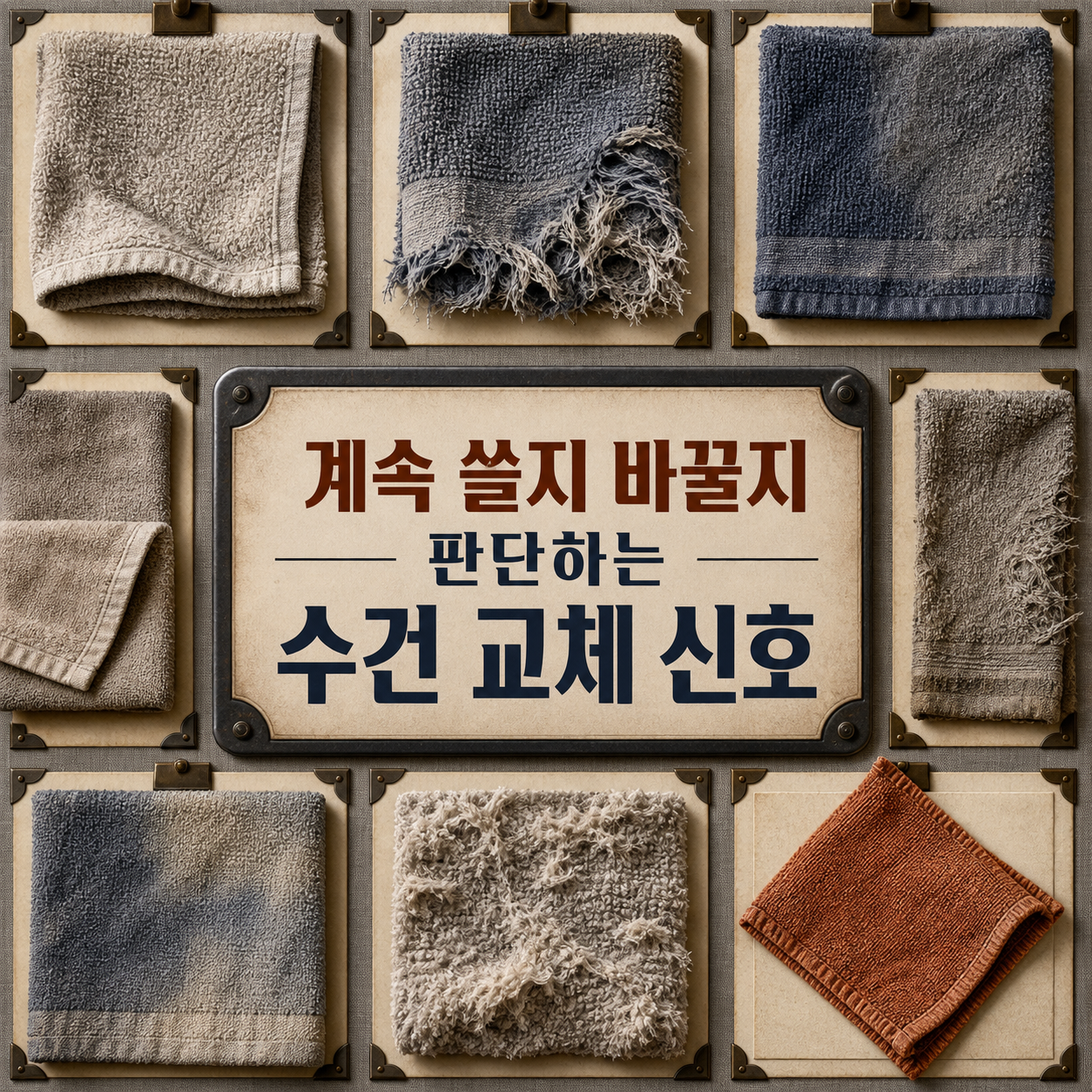
Judge a towel by overlapping signs of fraying, slow absorbency, odor, and rough texture, not by age, and recycle retired bath towels as cleaning cloths.