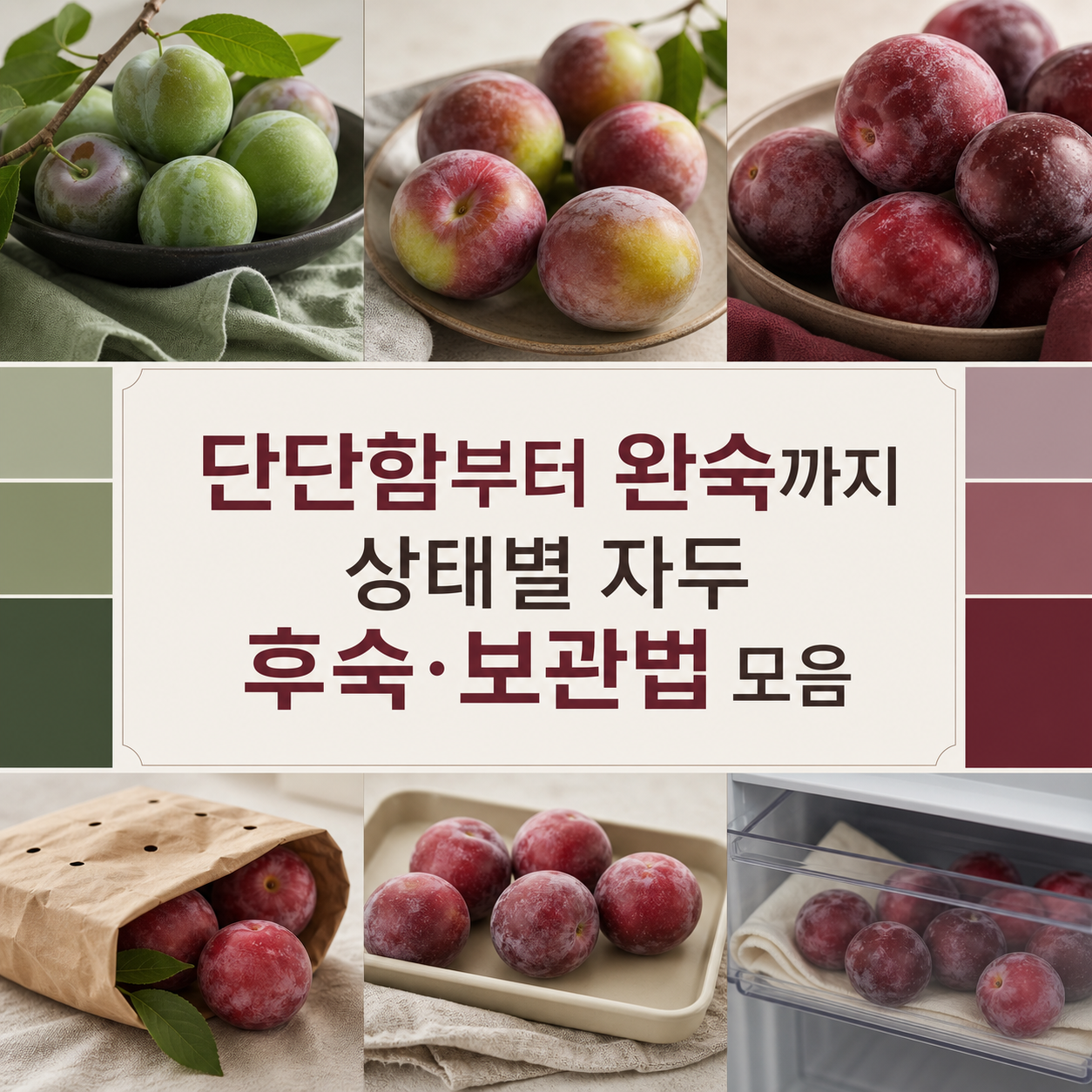
Watch firm plums at room temperature, move ripe ones to the fridge, and split storage by ripeness to waste far less fruit.
Even plums from the same box are on different clocks: some need eating today, others need a few more days. Judged by color alone they look nearly identical, so people put them all in the fridge and the sweetness never arrives, or leave them out and watch them turn mushy overnight. This list untangles that confusion into responses matched to each stage.
The order follows the path a plum takes. It starts firm, moves to ripe and then overripe, and finishes with handling habits such as washing, packing, cutting, freezing, and checking. You do not need to memorize every entry. Just start with the one that matches the plum in your hand right now.
How we chose
- Does a sweet scent come through?
- How does it give under your fingertip?
- Are there bruises or weeping juice on the skin?
- Is there a risk of spoilage spreading in storage?
We trusted the signals the fruit itself gives over the purchase date or the label on the shelf.
Let Firm Plums Sit at Room Temperature

Move Ripe, Fragrant Plums to the Fridge

Use Overripe Plums Right Away

Store Unwashed, Wash Right Before Eating

Store in a Single Layer or With Cushioning

Separate Plums by Ripeness

Seal and Refrigerate Cut Plums Right Away

Portion and Freeze Extra Flesh

Pull Out Damaged Plums Immediately

Mark an Eating Order Inside the Fridge

How to choose
If the plums you just brought home are firm, start at number 1. If they already smell sweet and feel soft, start at number 2. If they have gone too soft, jump straight to number 3 and cook them that day. Numbers 4 and 5 cover when to wash and how to pack, while numbers 6 and 9 help when you are managing many plums at once.
If you bought a lot, numbers 7 and 8 deal with the leftovers, and the note-taking habit in number 10 keeps you from losing track of the order. In the end, what matters is checking scent, give, and bruising once a day instead of relying on dates. These are general storage tips that vary with variety and conditions, so also check the seller's guidance and official information.
Frequently asked questions
Can I put plums in the fridge right away?
If a plum is very firm with little scent, it is better to watch it at cool room temperature for a few days than to chill it immediately. Once it smells sweet and starts to give, moving it to the fridge helps slow further softening.
Should I throw out plums that have gone soft?
If a plum is very soft but has no mold or fermented smell, cooking it right away into a compote or sauce wastes less than eating it raw. If it weeps juice or smells off, do not cut around it. Discard it for safety.
Is it better to wash plums before storing them?
Washing early leaves surface moisture that can speed up spoilage, so washing just before eating is easier to manage. Brush off dirt dry, remove damaged fruit, and store the rest in a clean container.
Can I freeze plums?
Yes, for uses like smoothies and sauces where fresh texture does not matter. Wash, dry, and pit them, then freeze in portions. Thawed plums turn soft, so use them for cooking, and avoid refreezing.
How long can cut plums be kept?
A cut surface spoils faster than a whole plum, so seal it and refrigerate right away, and plan to eat it that day or the next. Do not put cut fruit that sat out for a long time back into storage.
How can I tell if a plum is ripe?
Scent and give are more reliable than color. A sweet aroma and a slight spring-back under gentle pressure mean it is ready, while a deep dent or weeping juice means it is overripe.
Get new lists before anyone else
Once a week — only the new lists worth your time.
No spam · unsubscribe in one click
You may also like

The Real Reason You Waste Peaches Isn't Storage — It's Timing
Checking each peach's scent and give daily, then moving it from counter to fridge at the right moment, cuts waste more than any storage trick.
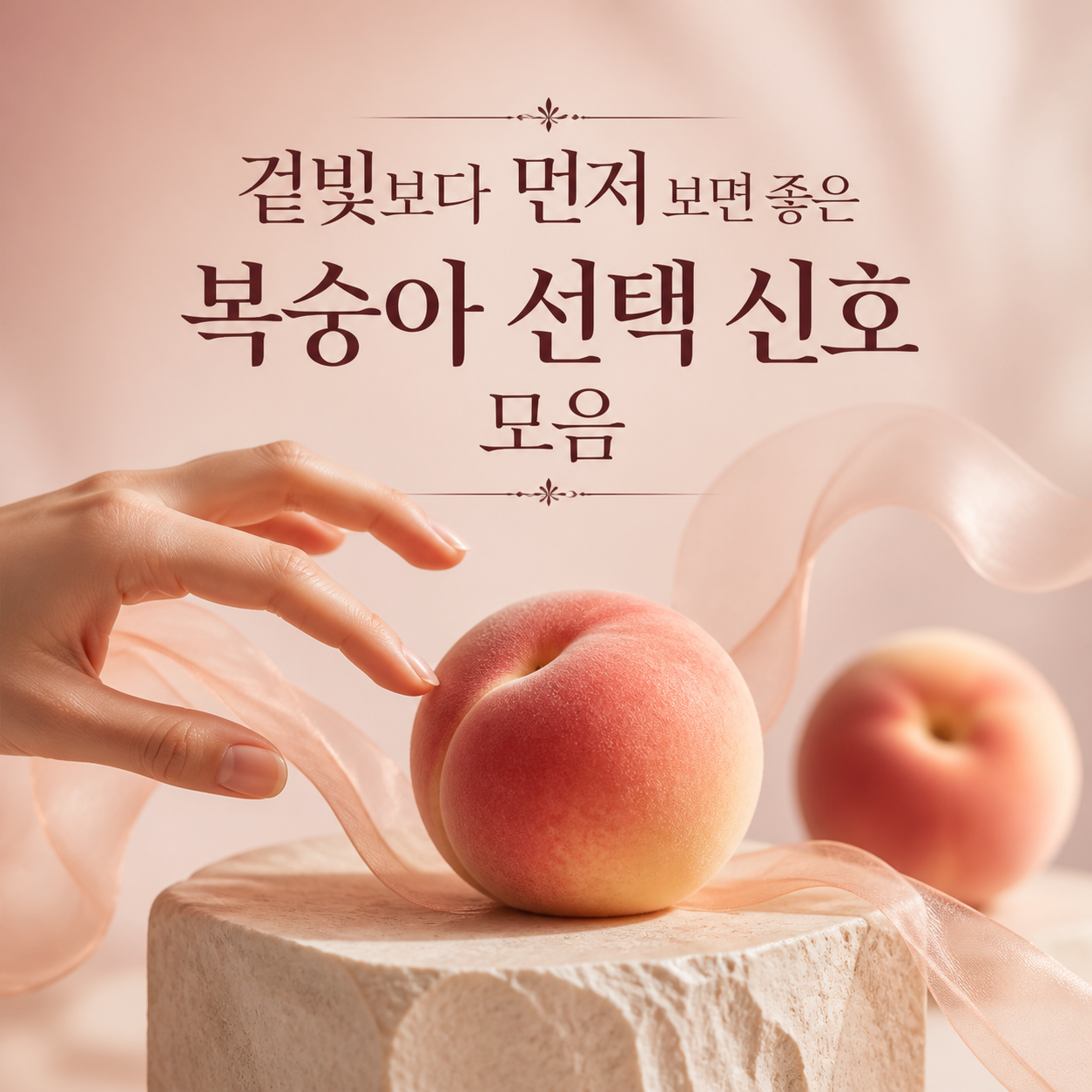
Don't Trust the Color — How to Actually Judge a Peach at the Store
Judge a peach by its label, scent, firmness, and the bottom layer of the box rather than its color, and you will avoid most bad buys.
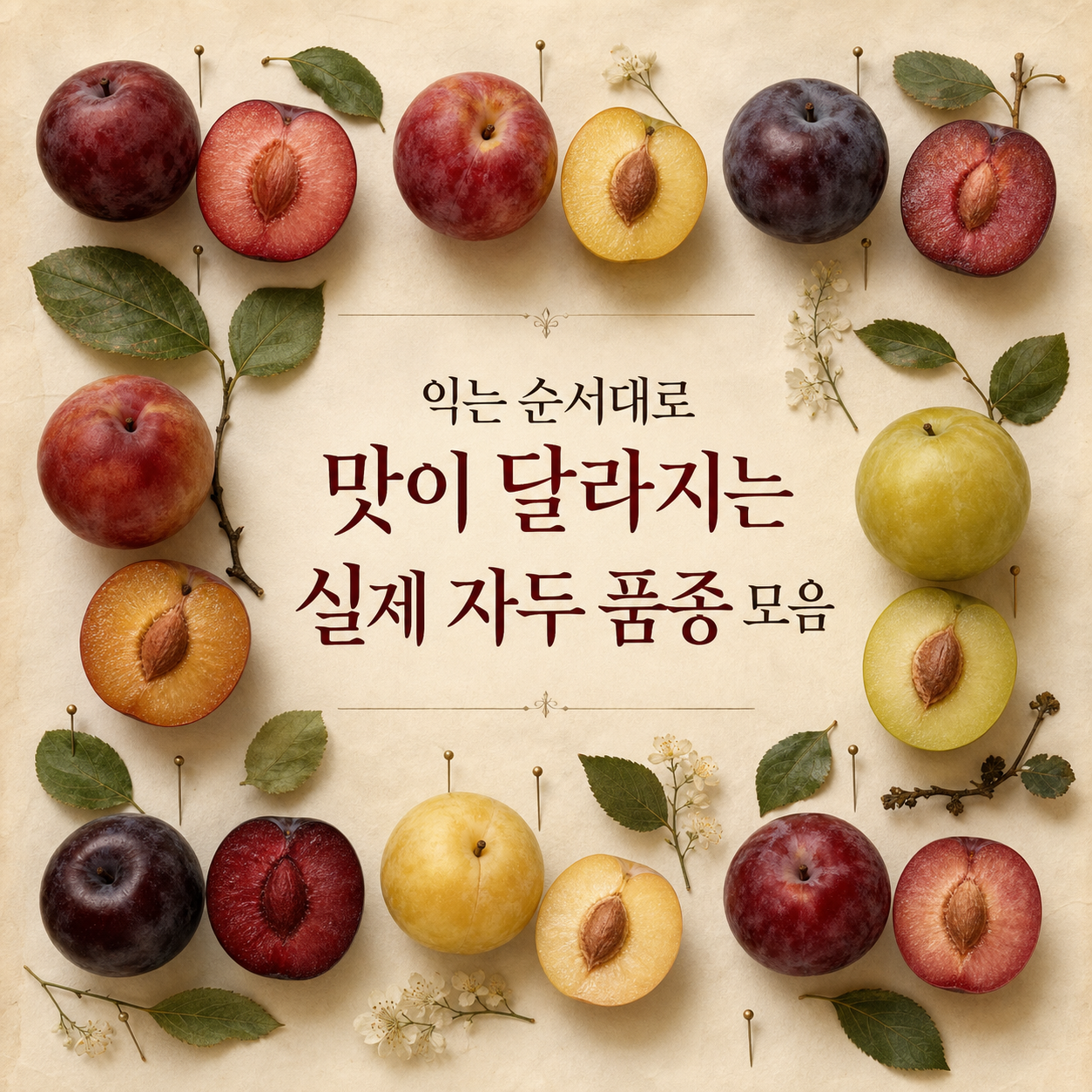
Know the Name, Know the Season: A Field Guide to Real Plum Varieties
Plum flavor and texture shift with the harvest calendar, so learning variety names beats guessing by color alone.
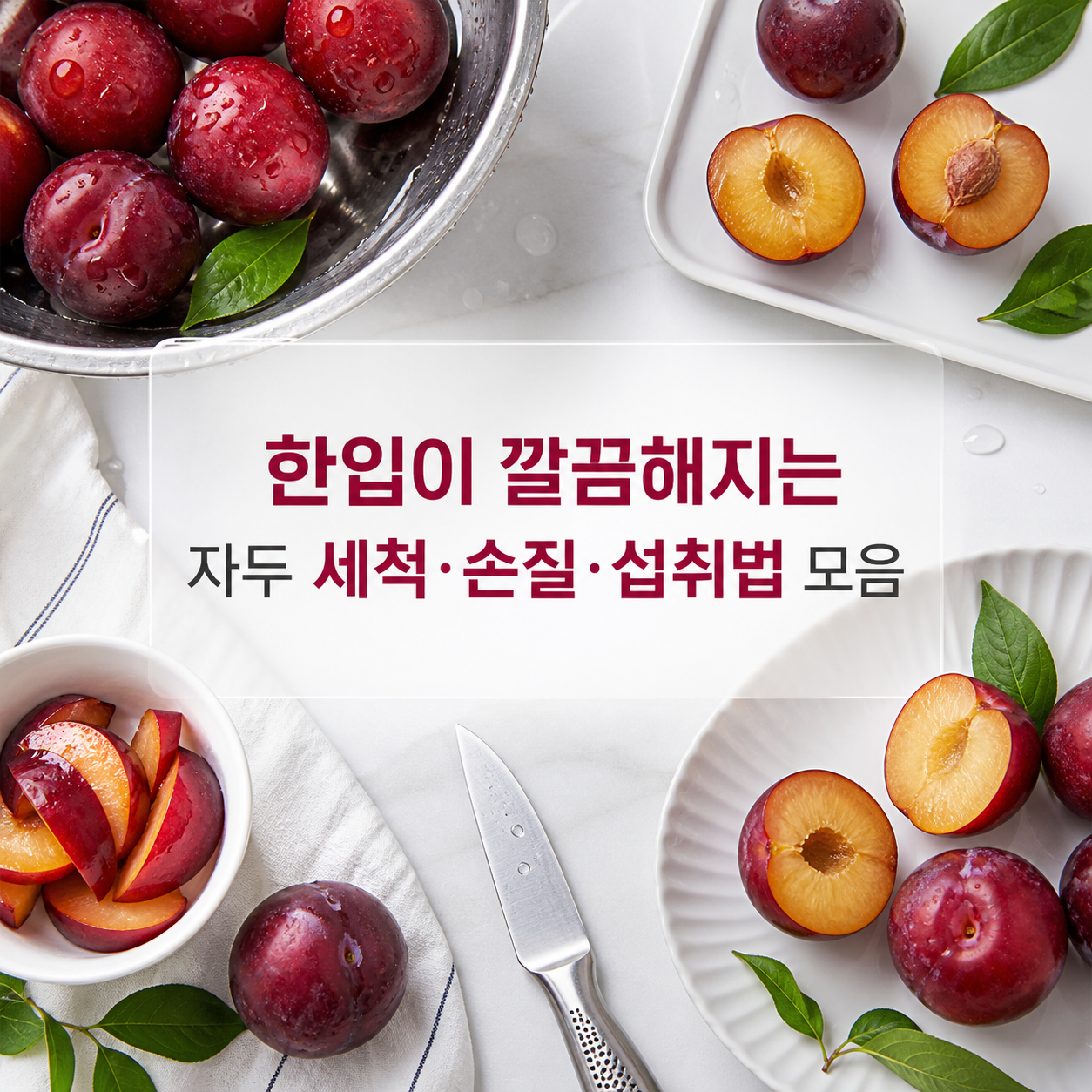
Plums: What to Check Before You Wash Them
Learn to tell natural bloom from mold on plum skin, then pit, prep, and decide when to discard, all in the right order.