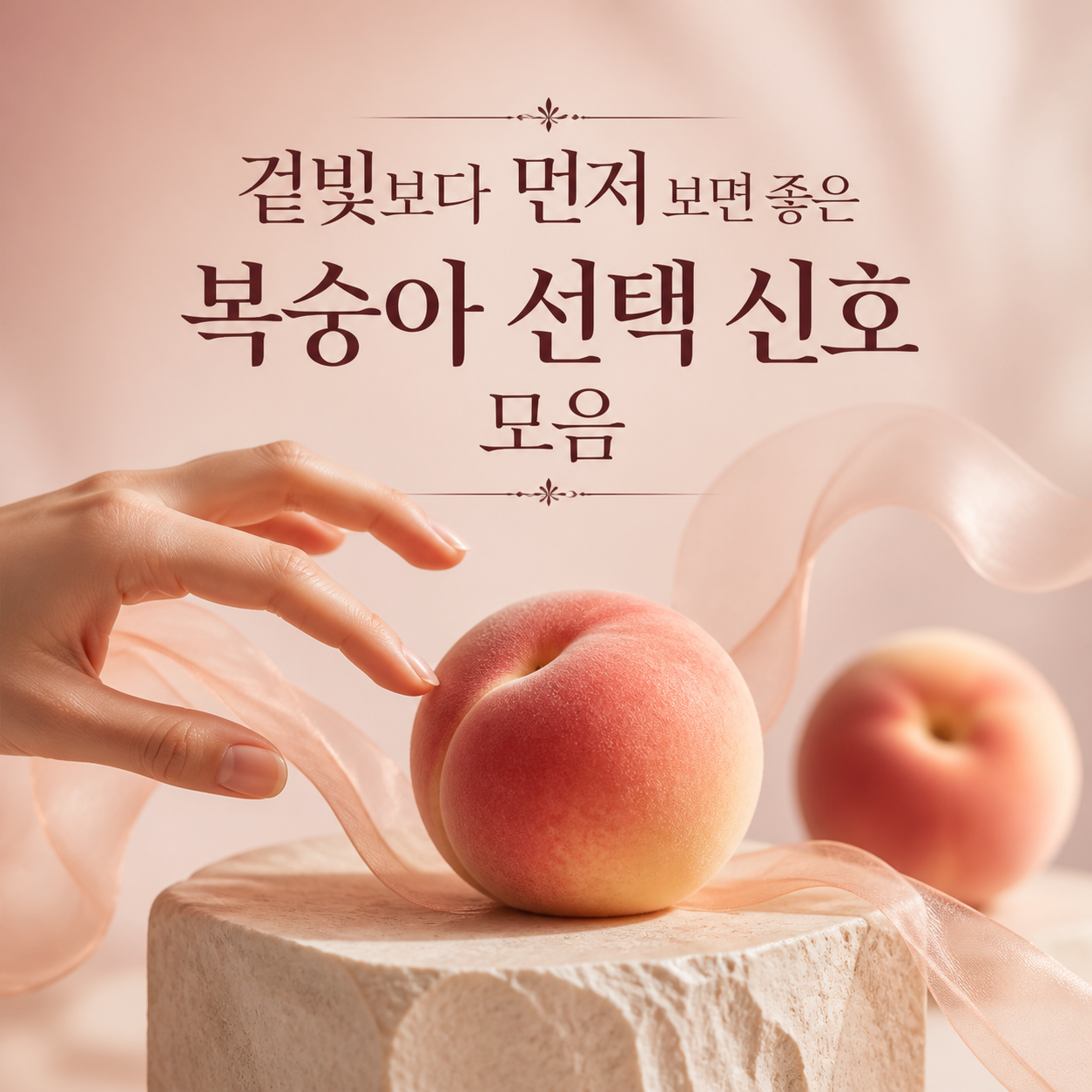
Judge a peach by its label, scent, firmness, and the bottom layer of the box rather than its color, and you will avoid most bad buys.
To pick a good peach, trust your hands and nose rather than its color. A deep red skin only tells you the fruit got plenty of sun, not how ripe it is inside. Even within one variety, the harvest date, the temperature during shipping, and the time spent on the shelf can make yesterday's peach and today's feel like entirely different fruit. That is why the prettiest one and the tastiest one so often turn out to be different peaches.
This list gathers 10 checks you can do right at the display, not claims from a sales sign. The flow runs from reading the label, to looking at shape and color, to comparing scent and weight, to checking the packaging, to handling at home. Follow it from the top and it usually takes only a few minutes.
How we chose
- Can you do it in the store with no tools?
- Does it avoid damaging the fruit?
- Is it a signal that really connects to ripeness and sweetness?
- Does it cut down on disappointing purchases?
If you are new to this, learning checks 1 to 5 is enough. If you buy by the box, don't skip 7 and 8.
Read the variety label first

Check the balance around the center seam

Look for underripe color near the stem

Smell it from about 20cm away

Rest it in your palm to compare firmness

Check the fuzz and surface for damage

Check for splits or weeping

Check what's at the bottom of the box, not just the top

Match ripeness to how you'll use it

Sort by when you'll eat each one

How to choose
If you are eating the peach today, focus on the scent in check 4 and the firmness in check 5. If you will eat it over a few days, use the stem color in check 3 and choose one that is slightly underripe. When buying a box, checks 7 and 8, splits and the lower layers, make the difference, and if you are new to this, starting with the label in check 1 is the easiest way in.
When comparing, look at the same variety under the same conditions. After buying, sort them by ripeness as in check 10 so every one gets eaten at its best. The information here reflects the time of research and may change, so check the seller's official labeling and guidance before you buy.
Frequently asked questions
Can I still eat a peach that's gone soft?
Softness means ripening is well along. If there is no sour smell, weeping, or mold, it is fine to eat, but plan to finish it within a day or two. Once it is out of the fridge its condition can shift within a single day, so check it daily.
How should I store a peach after slicing it?
Cut flesh changes much faster than a whole peach. Put it in a clean, sealed container and refrigerate right away. If more than half a day has passed, check the smell and color again before eating; the safest habit is to slice only what you will eat right then.
How can I tell imported peaches from domestic ones?
Always check the variety and origin labeling, and ask the seller directly if it is missing. Knowing the source matters more than judging by price or size. Even the same variety can taste very different depending on where it was grown, when it was picked, and how it was shipped.
Is it okay to press a peach with my fingers to test it?
Avoid pressing. Even light pressure leaves a bruise that spoils quickly. Rest the peach lightly on your palm and compare how heavy it feels for its size and how much spring it has.
How close should I hold a peach to smell it?
Don't put your nose right against it; about 20cm away works better. A sweet, soft fragrance means it is ripening, while a sour or boozy note may mean fermentation has begun. Comparing several side by side makes the difference easier to notice.
What should I watch for when buying a whole box?
Don't judge by the top row alone; check the lower layers too. Weight can soften the bottom first and let juice pool. Lift the pack slightly to check the bottom, and if you can, ask to see one or two from the lower layer.
Get new lists before anyone else
Once a week — only the new lists worth your time.
No spam · unsubscribe in one click
You may also like
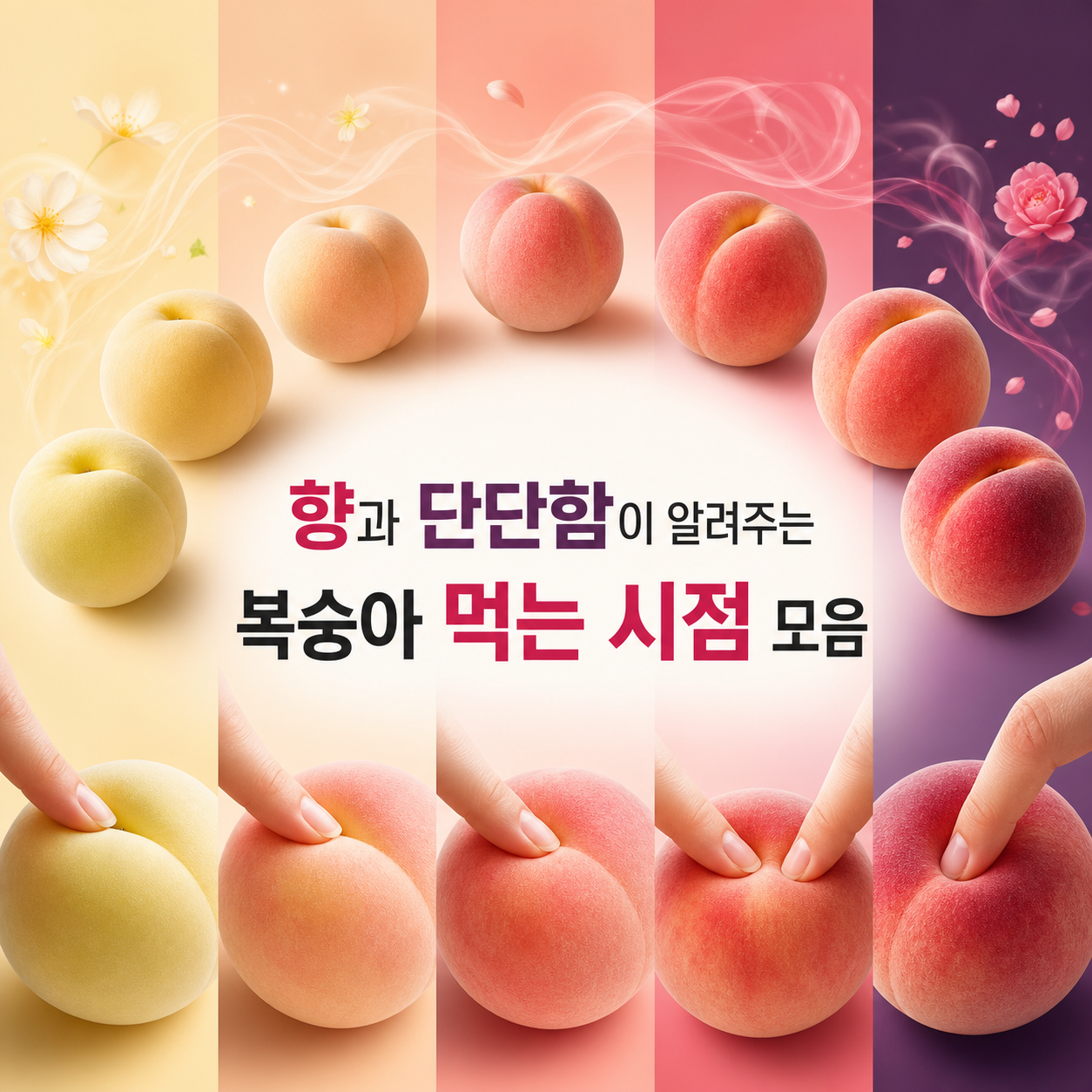
The Real Reason You Waste Peaches Isn't Storage — It's Timing
Checking each peach's scent and give daily, then moving it from counter to fridge at the right moment, cuts waste more than any storage trick.
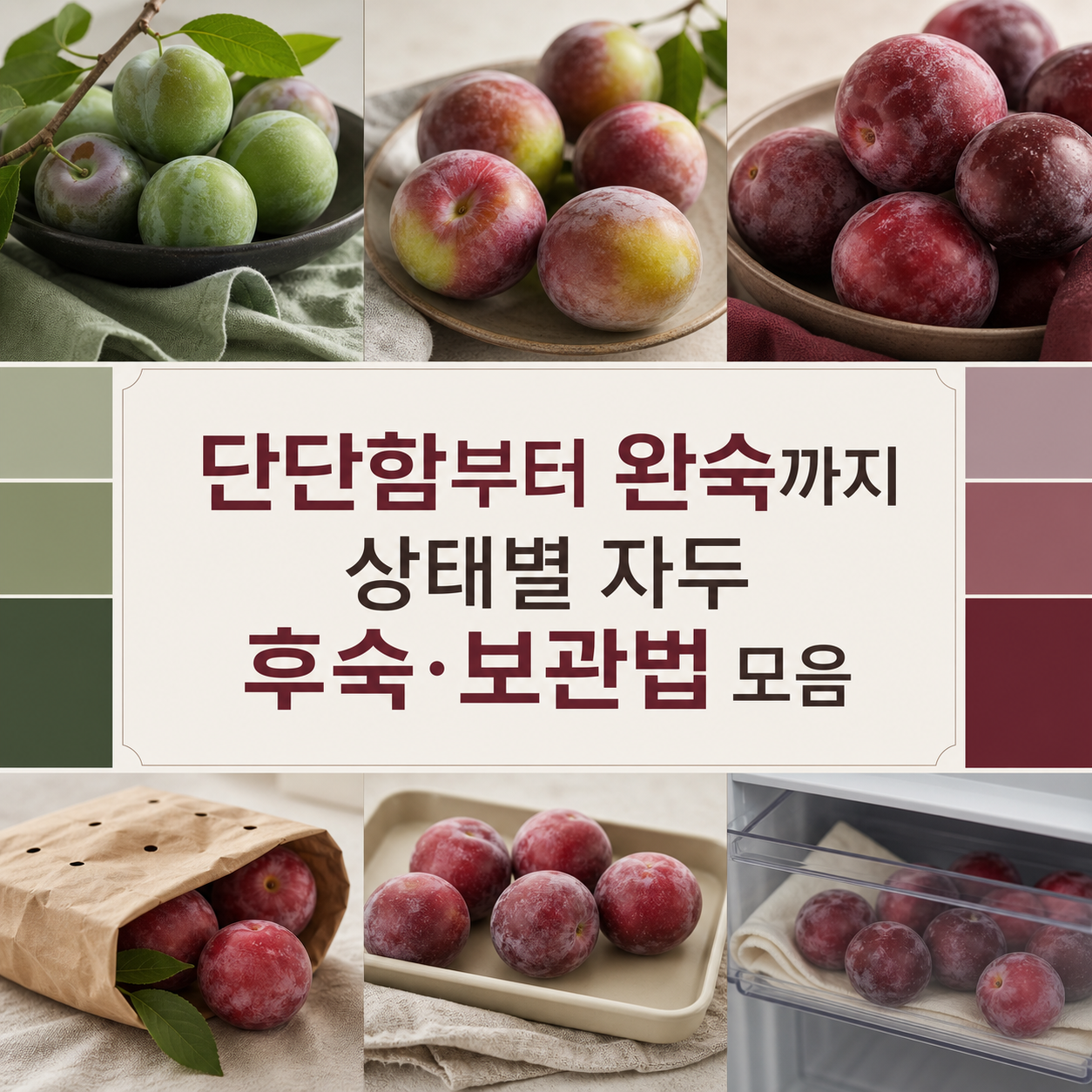
Scent and Give, Not Color, Should Decide What Order You Eat Your Plums
Watch firm plums at room temperature, move ripe ones to the fridge, and split storage by ripeness to waste far less fruit.
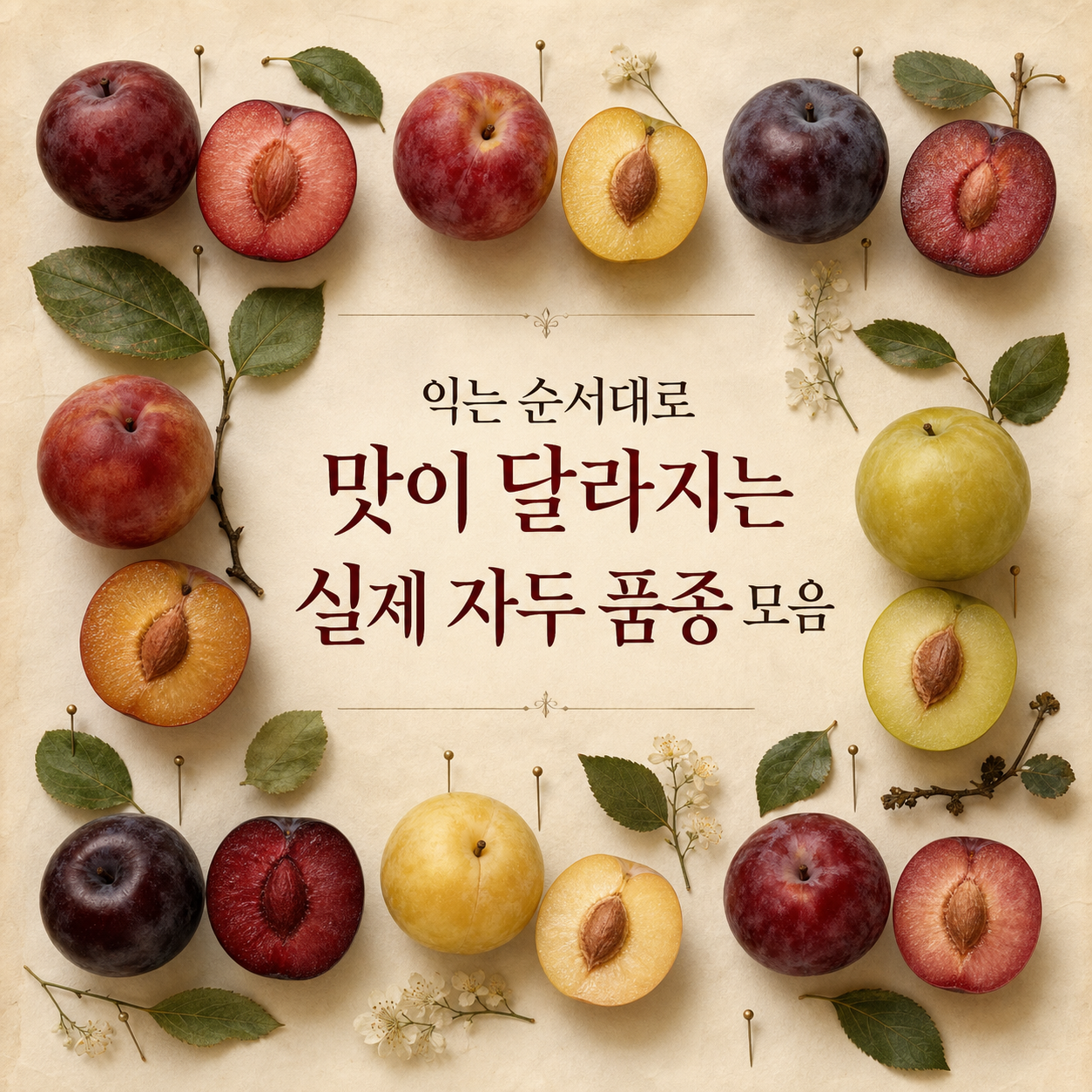
Know the Name, Know the Season: A Field Guide to Real Plum Varieties
Plum flavor and texture shift with the harvest calendar, so learning variety names beats guessing by color alone.
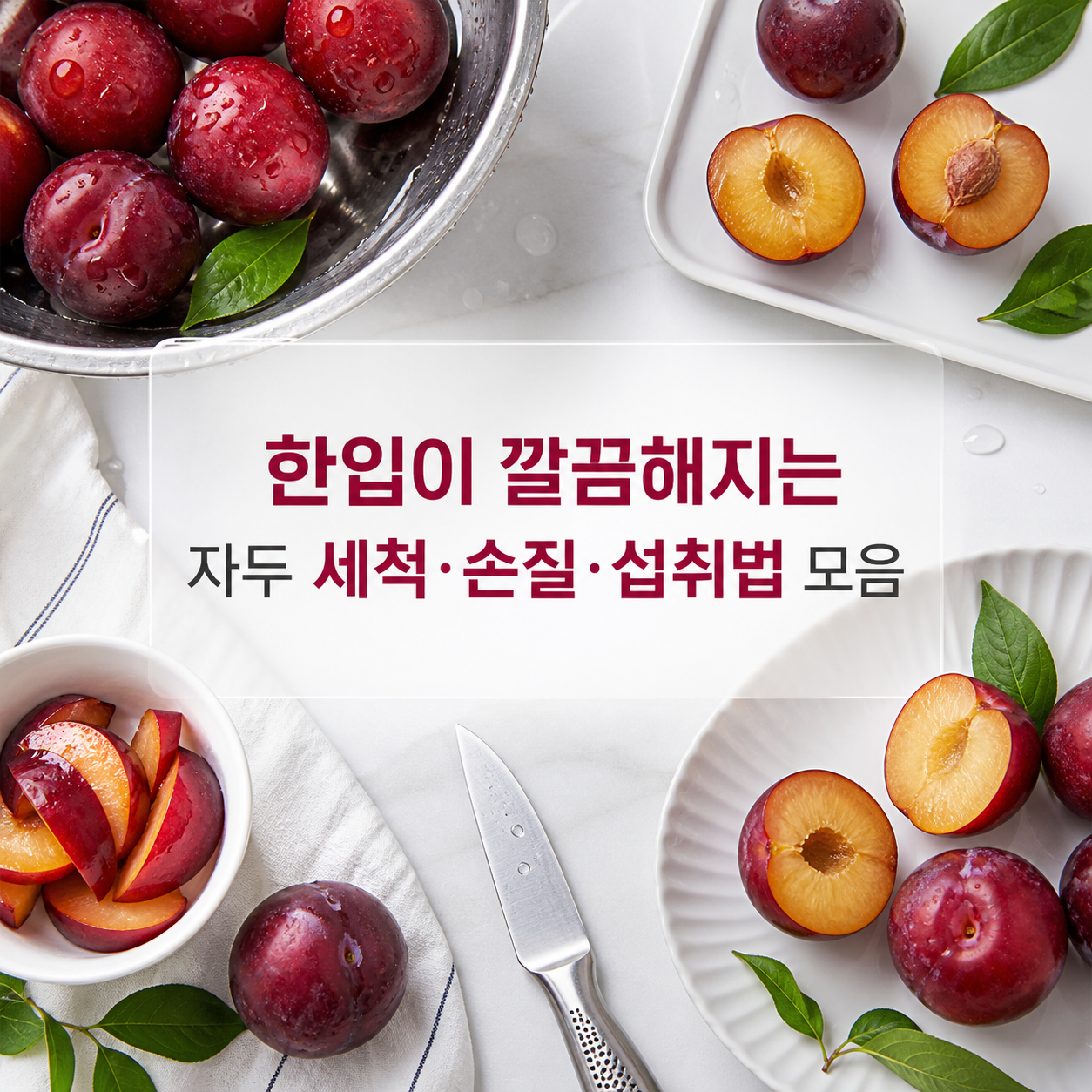
Plums: What to Check Before You Wash Them
Learn to tell natural bloom from mold on plum skin, then pit, prep, and decide when to discard, all in the right order.