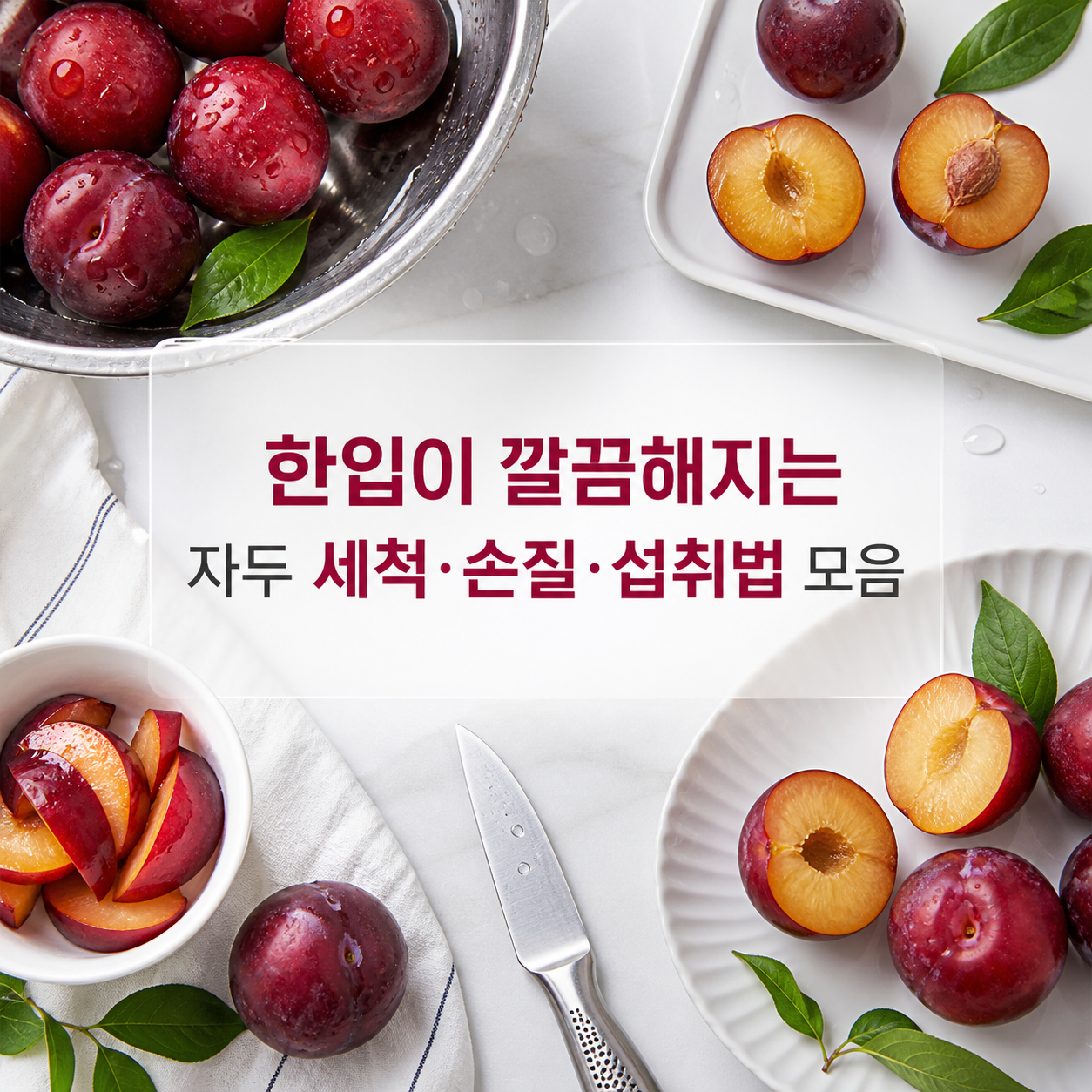
Learn to tell natural bloom from mold on plum skin, then pit, prep, and decide when to discard, all in the right order.
Bring home a plum and you may stop at the pale, dusty coating on its skin. Is that residue, or is it mold? Most of the time it is bloom, which the fruit makes itself and is harmless, but anything that clumps like fuzz or smells sour deserves suspicion. Other small questions keep coming up too: when to wash, how to pit, and whether to peel.
This guide splits those moments into ten steps in the order you actually prep. First washing and telling bloom from mold, then tools and pitting, then the skin, and finally child safety and when to discard.
How the steps are ordered
- They follow the real order of prepping a plum
- Food-safety steps are spelled out in detail
- Only methods that work at home with no special tools
If you are new to this, read from number 1. If you are serving a child or worry a plum has spoiled, start with 9 and 10.
Rinse under running water right before eating
Tell bloom from mold
Clean the stem dimple carefully
Wash your knife and cutting board first
Split along the pit's seam
Cut clingstone plums into sections
Eat it skin-on
Peel it for sauces or jam
Cut small pieces for children
Know when to throw a plum out
How to choose
If you are new to prepping plums, start with when to wash at 1 and bloom versus mold at 2. If the pit will not come out, follow 6, and if you are making sauce or jam, follow 8. For children, or any plum you doubt, use 9 and 10 as your guide.
Remember three things: clean tools, safe pitting, and knowing when to discard. When unsure, skip the fruit. This information reflects general guidelines and may vary by variety and storage, so check official food safety sources if needed.
Frequently asked questions
How can I tell if the white on a plum is bloom or mold?
Bloom rubs off evenly and leaves smooth skin underneath. Mold clumps like fuzz and leaves a mark or spreads back after wiping. If there is a sour smell too, treat it as spoilage and do not eat it.
When should I wash plums?
Wash them right before eating. Rinsing ahead and refrigerating leaves moisture that softens the skin faster. Rinse under running water without soap and rub the stem dimple too.
How do I remove a plum pit?
Cut around the pit's curve all the way around, then twist the halves apart with both hands. If the pit clings to the flesh, do not force it; cut off the four sides around the pit instead.
Should I peel plums before eating?
Not if they are well washed. If the tart skin is too strong, slice it thin and serve with yogurt. Peel only when you need a smooth texture, such as for sauce or jam.
What should I watch for when serving plums to kids?
Remove the pit completely and cut the fruit small, since the pit is a choking hazard. Have children sit while eating and keep an adult nearby.
Can I cut the moldy part off a plum and eat the rest?
It is not recommended. Mold threads you cannot see may have spread through the flesh, so if you see mold, seeping juice, or a large soft spot, it is safer to discard the whole plum.
Get new lists before anyone else
Once a week — only the new lists worth your time.
No spam · unsubscribe in one click
You may also like
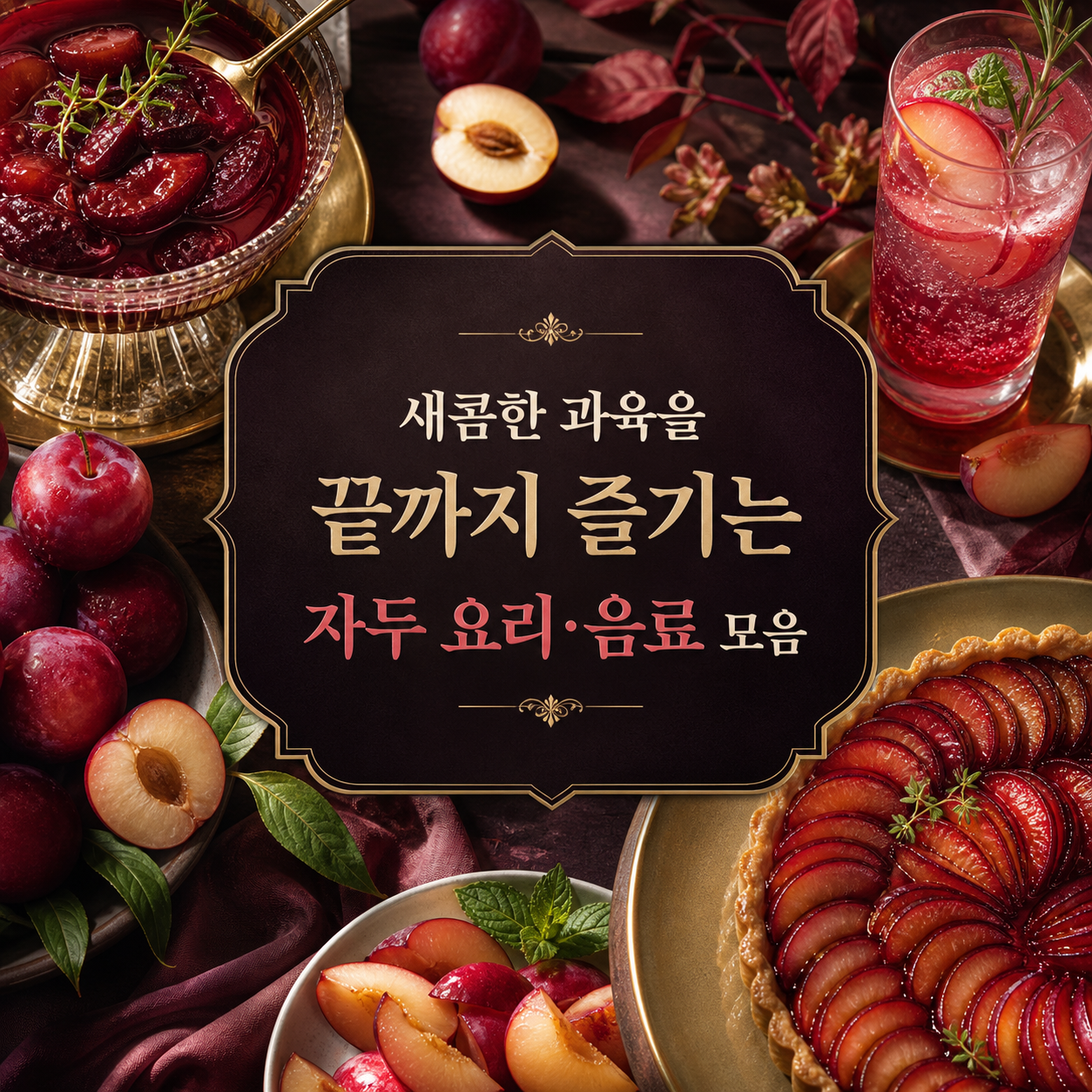
Plums Aren't All the Same Fruit — Match the Recipe to How Firm They Feel
How firm a plum feels decides what to make: slice firm ones fresh and cook soft ones, from syrup to sauce, so nothing goes to waste.
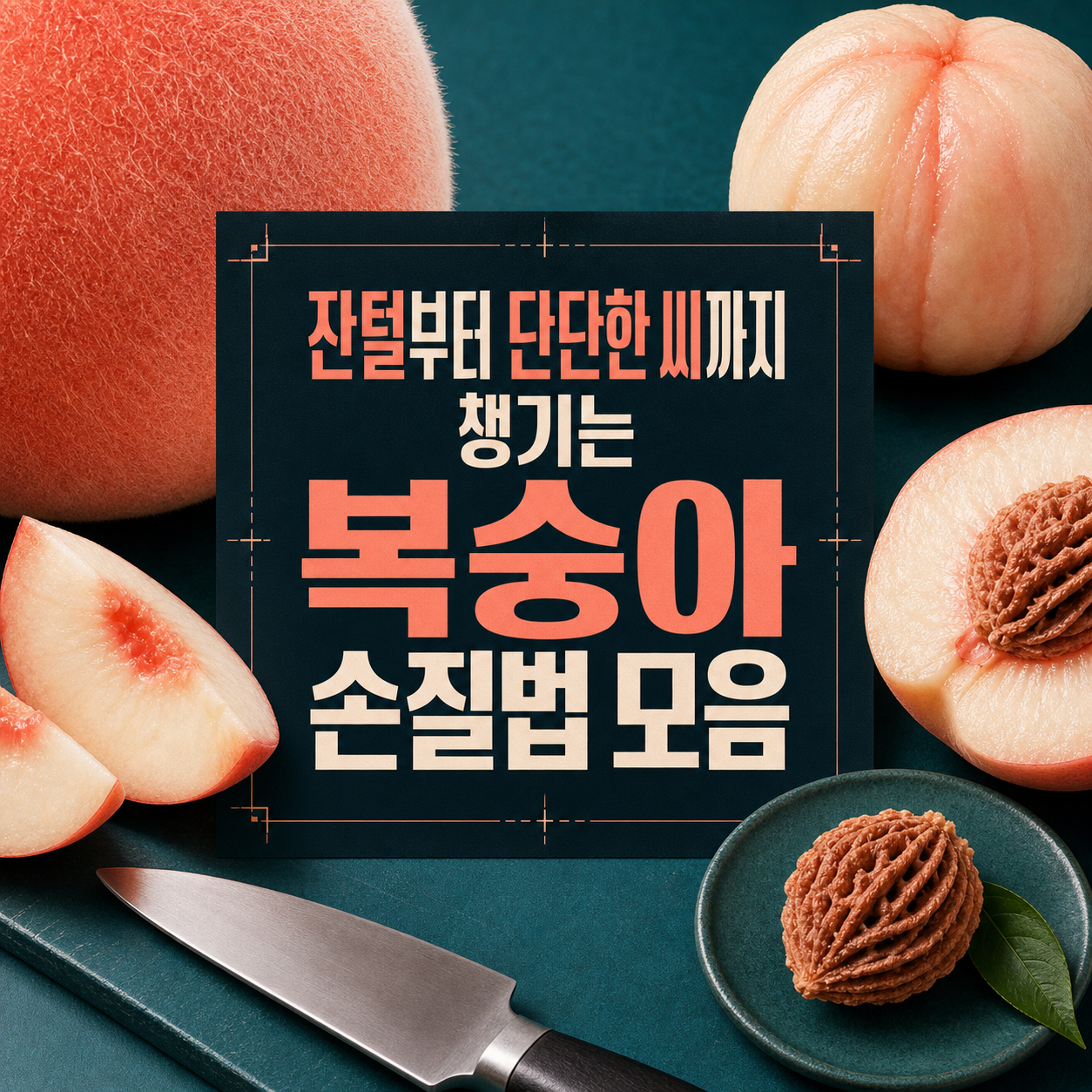
Picking a Peach Is a Job for Your Nose, Not Your Eyes
Pick peaches by scent and firmness, rinse them under cold water just before eating, and refrigerate cut pieces in a sealed container right away.
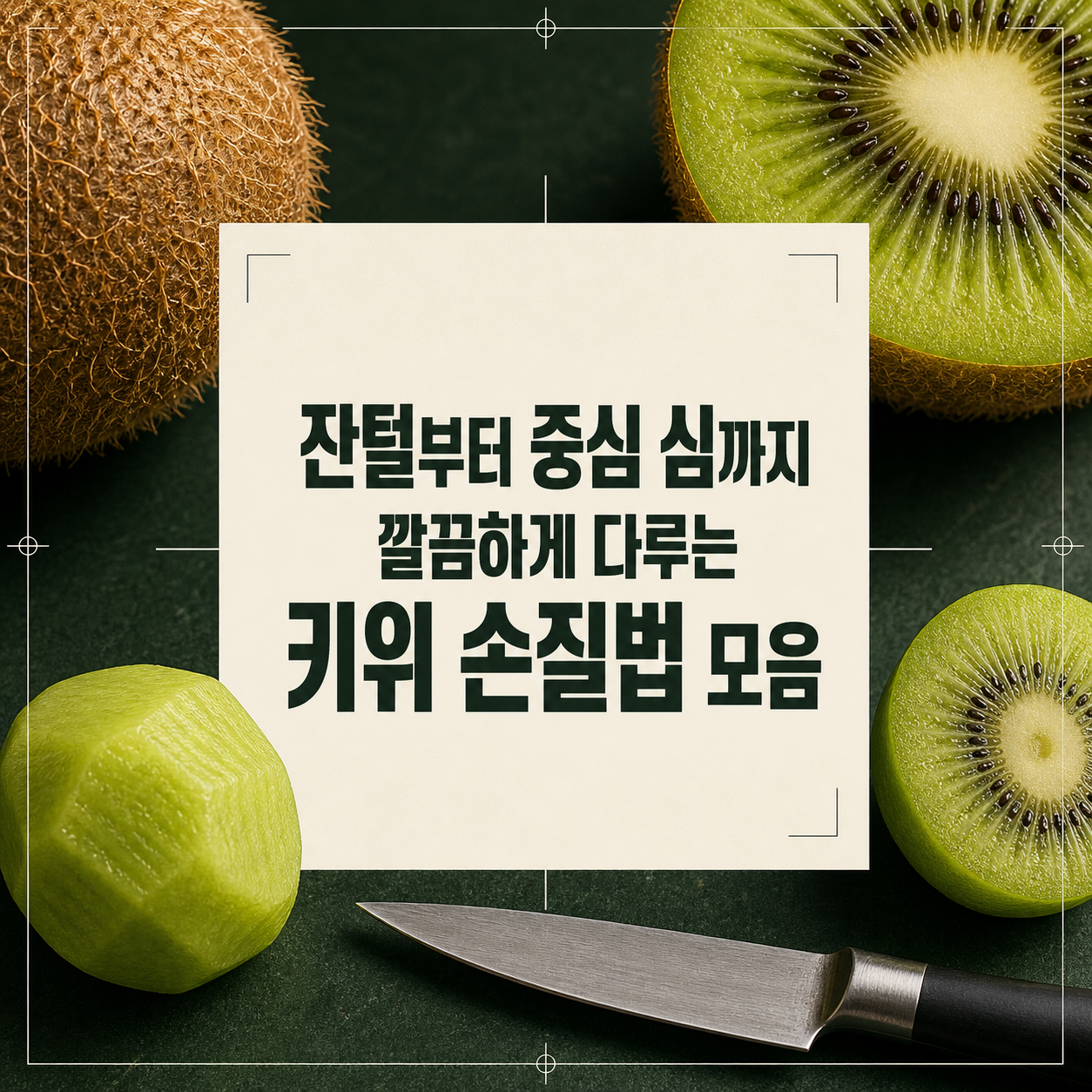
Knife Last, Hands First: How to Prep Kiwi Safely
From washing to allergy response, here is the ten-step order for handling kiwi without cross-contamination or injury.
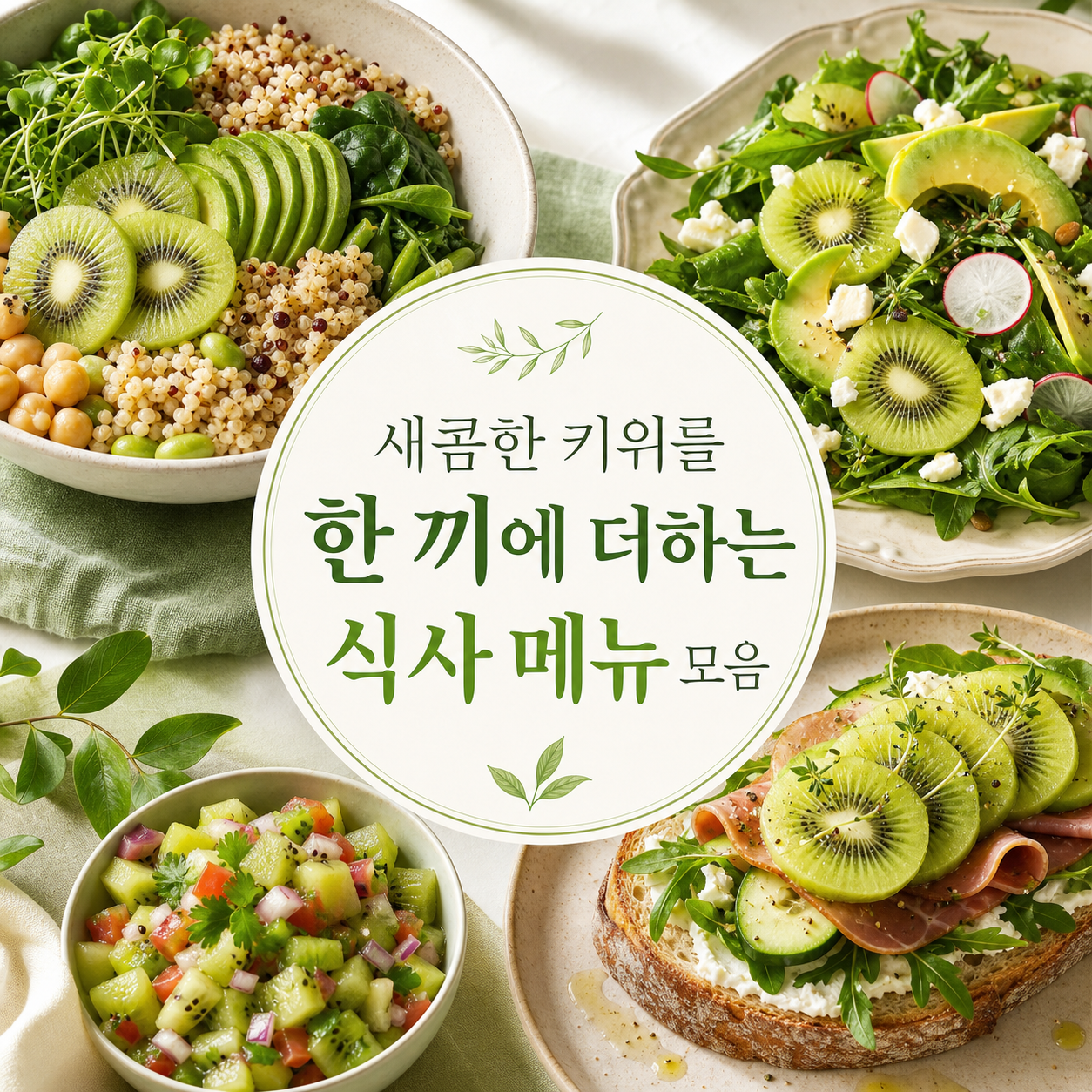
Beyond Dessert: How to Build Kiwi Into an Actual Meal
This list puts kiwi's tartness and actinidin enzyme to work across salsa, grain bowls, cold soup, and meat tenderizer, with prep and storage notes for each.