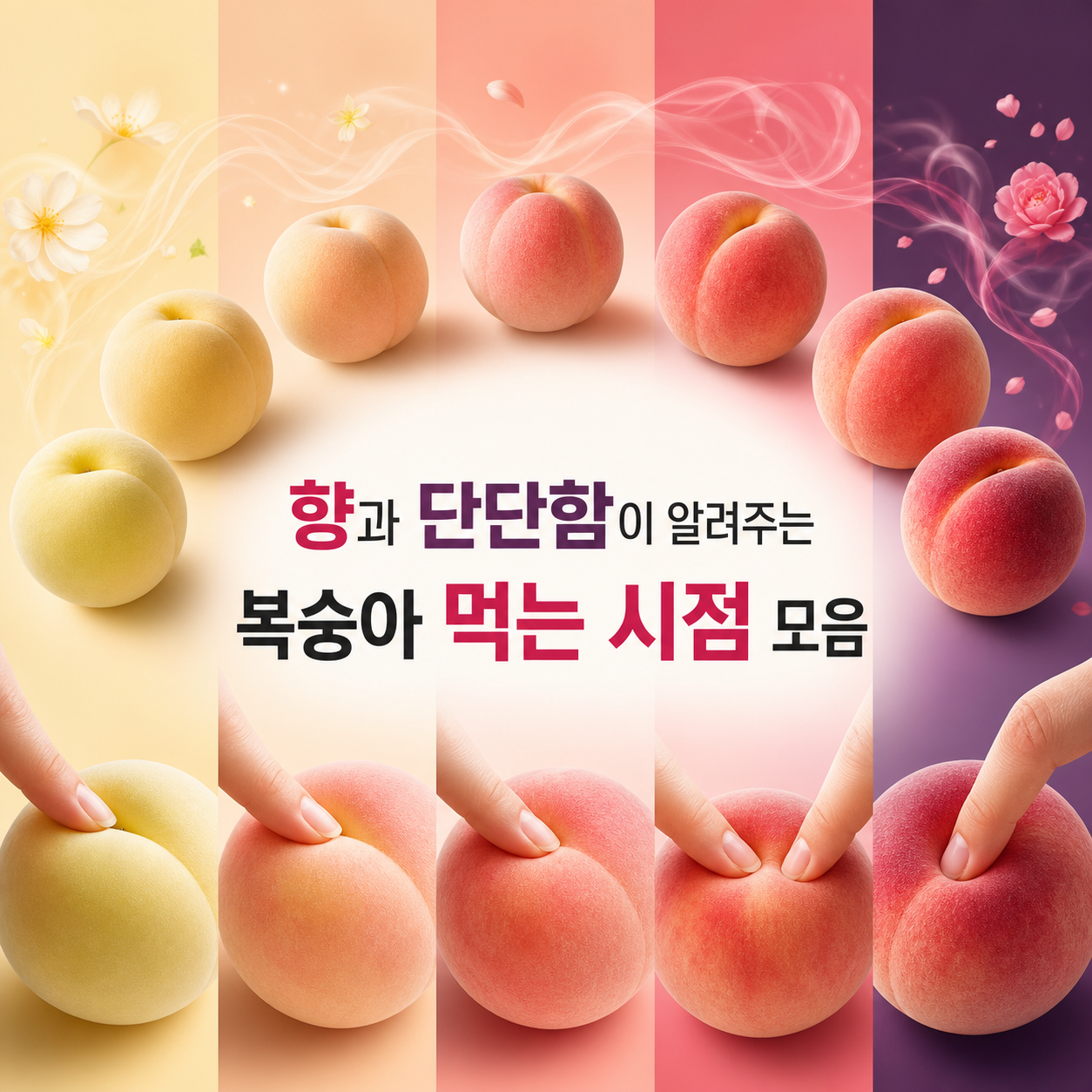
Checking each peach's scent and give daily, then moving it from counter to fridge at the right moment, cuts waste more than any storage trick.
When is a peach at its best? The answer isn't a date or the color of the skin. It's the fragrance and the give under your fingers. Peaches from the same box ripen at different speeds depending on variety, harvest timing, and shipping, so one that felt rock-hard yesterday can be soft today. That's where most people get stuck: they know where to store fruit, but not which stage the peach in their hand has reached.
Rather than add another storage trick, this list shows how to read a peach and decide the next move. Ranks 1 to 6 follow ripeness, from hard and scentless through fully ripe to nearly overripe. Ranks 7 to 10 cover practical steps: sorting a new box, moving fruit to the fridge, warming it before eating, and handling cut fruit.
How to read this list
- Just bought a box? Start at rank 7 and sort.
- Peach still firm? Look at ranks 1 to 3. Strong scent? Rank 4.
- Any soft spots? Ranks 5 and 6 show how to save it.
Rock-Hard, Barely Any Scent

Scent Just Starting, Still Firm

Gentle Give in Your Palm

Fragrance Reaches Your Nose — Peak Window

Soft on One Side, No Blemishes

Nearly Overripe — Rescue It Now

Sort by Ripeness the Day You Buy

Move to the Fridge When Scent and Give Line Up

Warm a Chilled Peach Before Eating

Cut Peaches Go Straight to the Fridge

How to choose
If a box just arrived, start with rank 7 and spread the fruit out by ripeness. Check firm ones daily on the counter using ranks 1 to 3, and when scent and give line up, move them to the fridge as in rank 8. When you're ready to eat, take the chill off as in rank 9 and the aroma comes back.
If some have already softened, go to ranks 5 and 6 and check smell and appearance first, and refrigerate cut peaches right away as in rank 10. This information reflects the time of research and can vary with variety and storage conditions, so when in doubt, don't eat it and check the product's instructions.
Frequently asked questions
My peaches are too hard. Is there a way to speed up ripening?
Heat or a sealed bag makes the outside soften faster, but the sweetness doesn't keep up. Keep them somewhere cool and out of direct sun, check the scent once a day, and move them to the fridge when the fragrance appears. Rushed peaches tend to turn soft and bland.
How long can I keep a ripe peach in the fridge?
Chilling slows ripening without stopping it, so a fully ripe peach is best eaten within two to three days. After that the flesh softens further and the aroma fades. Taking out only the amount you'll eat helps the rest hold up longer.
My peach smells a little off. Can I still eat it?
If you notice a fermented or moldy smell, ooze, or brown spots, it's safer not to eat it. Discard it before tasting, and check the other peaches in the box too. Even if it feels wasteful, skip any fruit you're unsure about.
Should peaches go in the fridge or stay on the counter?
While a peach is still firm with little scent, ripen it on the counter somewhere cool. Once scent and give line up, move it to the fridge, which slows softening by roughly 24 to 48 hours. Take it out 10 to 15 minutes before eating so the aroma opens up.
One side is soft. Can I eat the rest?
If there's no mold, ooze, or fermented smell and the skin is clean, eat it that day or cook it right away. Softness alone doesn't mean it's spoiled. But cutting off a bad part doesn't make the rest safe, so let smell be the final test.
How should I store cut peaches?
Remove the pit with a clean knife, put the pieces in an airtight container, and refrigerate right away. Cut flesh oxidizes and spoils quickly. Pieces that have sat out for a few hours should be thrown away rather than chilled.
Get new lists before anyone else
Once a week — only the new lists worth your time.
No spam · unsubscribe in one click
You may also like
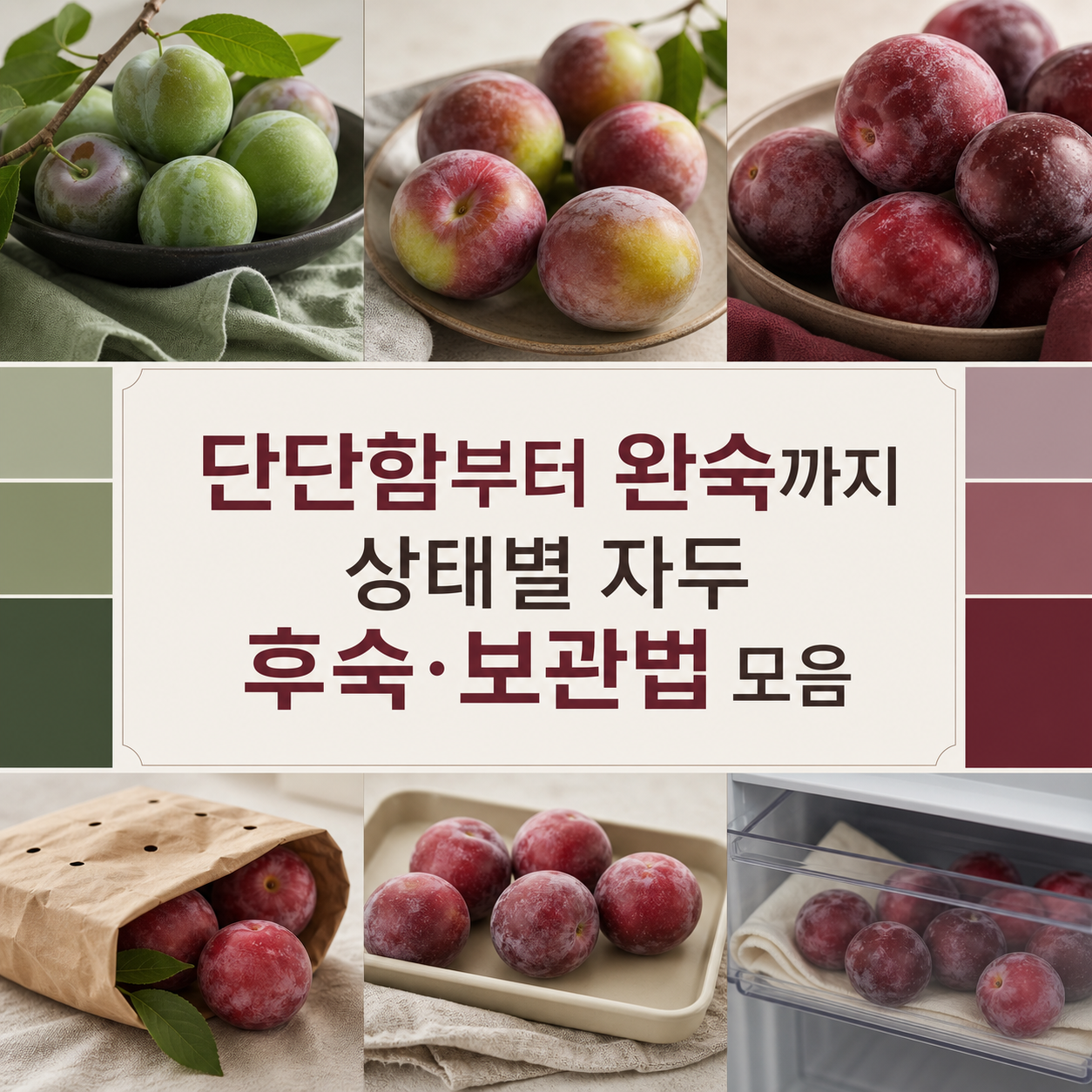
Scent and Give, Not Color, Should Decide What Order You Eat Your Plums
Watch firm plums at room temperature, move ripe ones to the fridge, and split storage by ripeness to waste far less fruit.
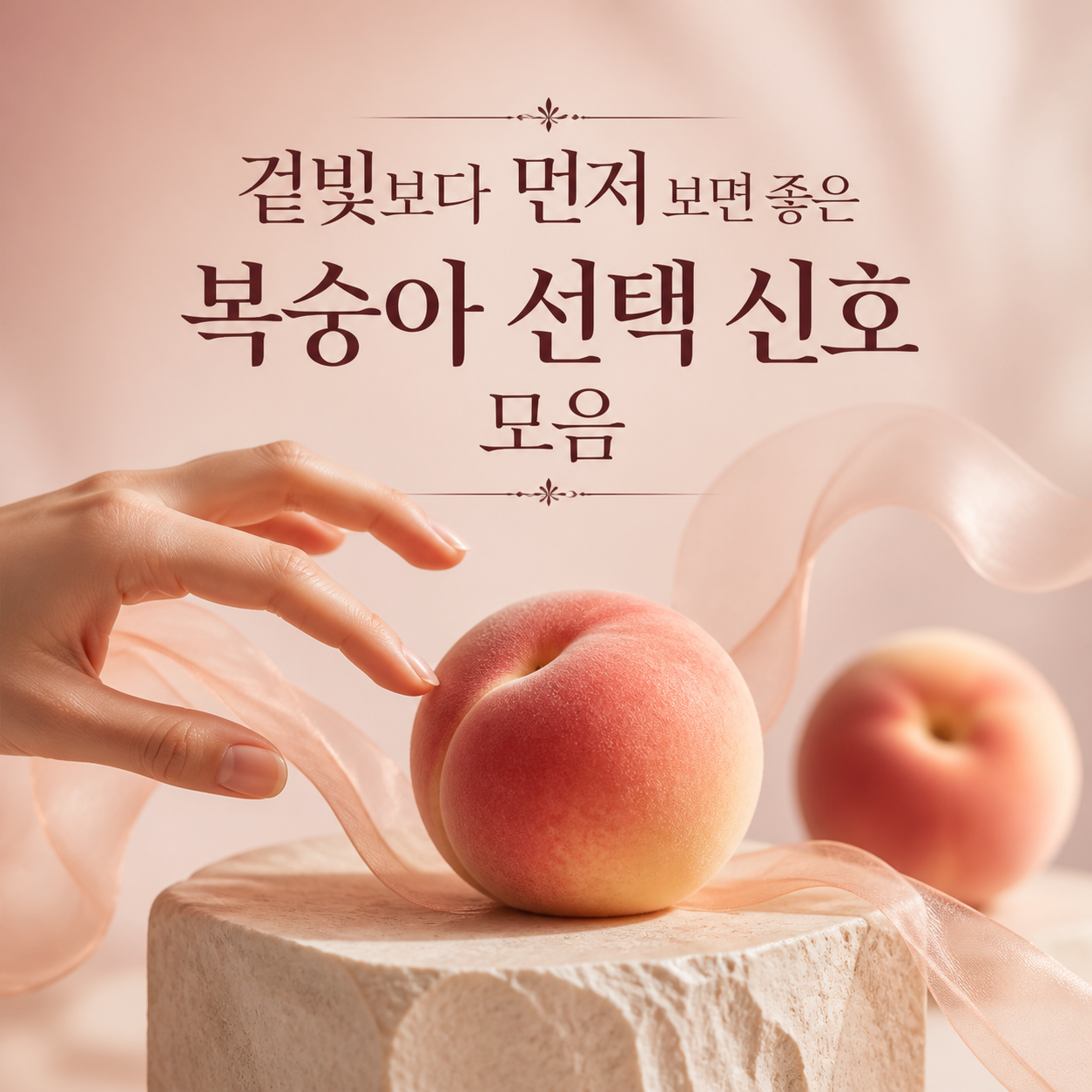
Don't Trust the Color — How to Actually Judge a Peach at the Store
Judge a peach by its label, scent, firmness, and the bottom layer of the box rather than its color, and you will avoid most bad buys.
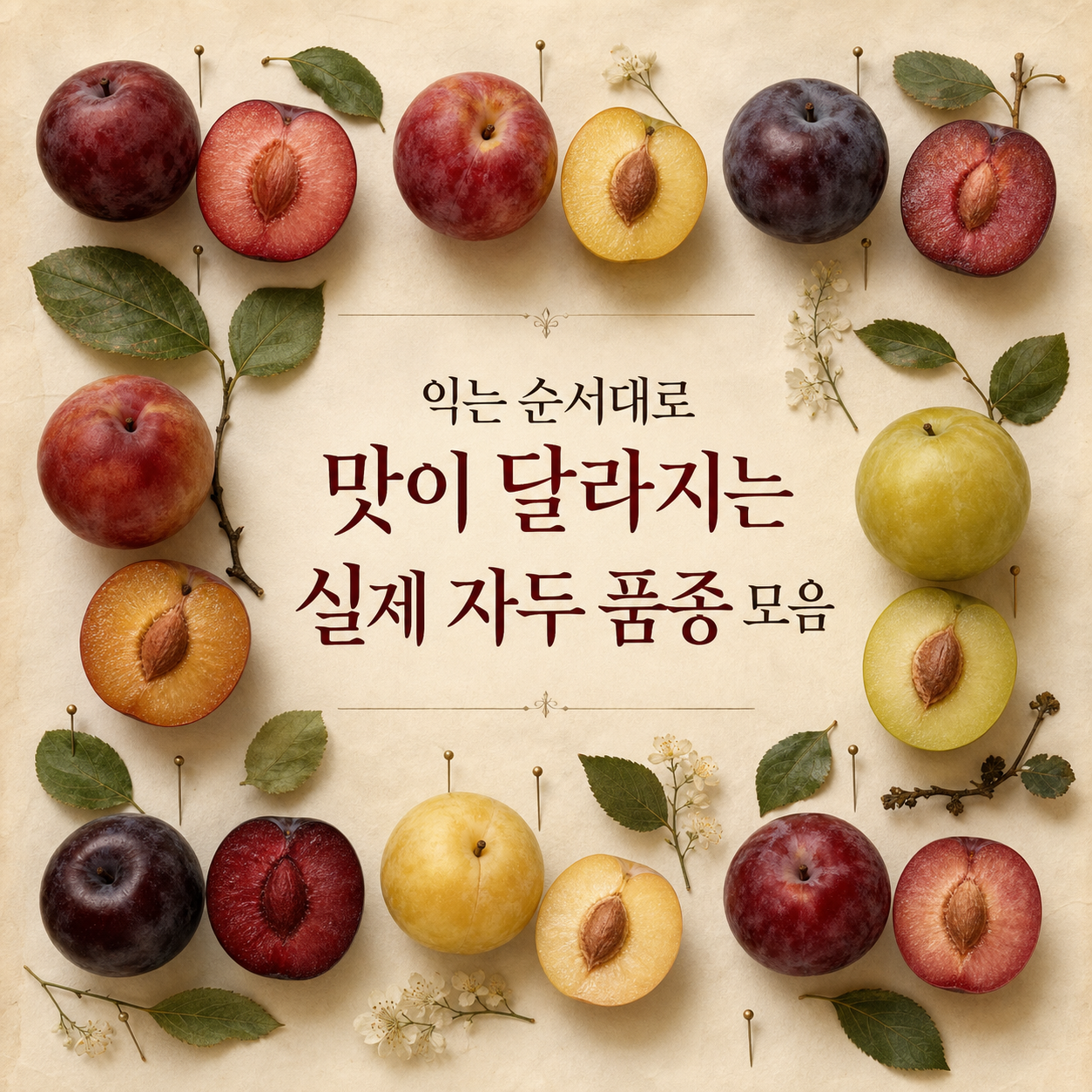
Know the Name, Know the Season: A Field Guide to Real Plum Varieties
Plum flavor and texture shift with the harvest calendar, so learning variety names beats guessing by color alone.
Plums: What to Check Before You Wash Them
Learn to tell natural bloom from mold on plum skin, then pit, prep, and decide when to discard, all in the right order.