
A stage bass should put noise control, simple operation and battery-free peace of mind ahead of spec sheets, and these ten are compared that way.
Pick a stage bass by how little it rattles you, not by its spec sheet. Knobs and wiring you could adjust calmly in a studio turn into sources of mistakes when soundcheck lasts a few minutes. Noise suppression beside tangled lights and cables, battery dependence, and switches your hand might bump come first.
This list holds all ten basses to one yardstick: how few controls you manage, how much power upkeep is needed, and whether fret count and body shape fit the high-position passages in your setlist. The ranking blends on-stage stability with simplicity,.
Selection criteria
- Noise suppression near lighting and cabling
- Number of knobs and switches
- Battery dependence and upkeep
- Upper-fret access by neck and body
If rehearsals are short, begin with the passive models at 6, 7 and 9. To sculpt tone in detail, start at 1 or 8. Specs are as of August 2026 and may change.
Fender American Ultra II Jazz Bass

Ernie Ball Music Man StingRay Special 4

Ernie Ball Music Man StingRay Special 5

Warwick German Pro Series Corvette

Spector Euro 4 LX

Rickenbacker 4003

Yamaha BBP34

Ibanez Prestige SR5000

Fender American Professional II Jazz Bass V

Spector NS Pulse II

How to choose
If soundcheck is short and mistakes worry you, choose a simple passive model. The Yamaha BBP34 at 7 leaves only volume and tone, and the Rickenbacker 4003 at 6 has no battery to fret over. For a lower register, number 9 stays passive; for active shaping, try 1 and 2.
Compare noise, knob count, battery upkeep and balance. For lots of high-register playing, see the bodies at 5 and 10. Specs may change, so confirm through official channels before buying.
Frequently asked questions
What should I check first when soundcheck is under five minutes?
Start with a passive circuit that has few knobs. With only volume and tone, you can land a basic sound quickly. If your bass is active, write down your usual settings and recreate them exactly.
Is passive or active better on stage?
There is no single answer, but a passive bass carries no risk of a dead battery. If you go active, check the voltage the night before a gig and keep a spare battery in your case.
Do I really need a backup bass or spare strings?
If you play out regularly, carry at least one spare set of strings. A backup instrument depends on your situation, but using a main bass with a dependable bridge and tuners reduces that need.
Which basses handle noise well on stages full of lights and cables?
On this list, number 1, the Fender American Ultra II Jazz Bass with noiseless pickups, and number 5, the Spector Euro 4 LX with EMG pickups and a TonePump preamp, are the noise-control picks. Test them with the gain turned up.
Are five-string basses hard to handle on stage?
A wider neck means you should check that the B string feels comfortable in hand. Number 3, the StingRay Special 5, is active and number 9, the American Professional II Jazz Bass V, is passive, so their power upkeep differs.
Which basses suit lots of high-register solos?
The 24-fret necks of number 4, the Warwick Corvette, and number 8, the Ibanez SR5000, offer extra range, and Spector's number 5 and 10 are often praised for upper-fret access thanks to their body cuts. Strap them on and test in person.
Get new lists before anyone else
Once a week — only the new lists worth your time.
No spam · unsubscribe in one click
You may also like

Busking Crafters: What Actually Changes When the Onboard Preamp Is Different?
The MIND, STG, VL, LITE, and GAE lines each use a different onboard preamp, so for busking, check the electronics name and control placement before body choice.

Small Hands, No Compromise: Why Short-Scale Basses Fit Better
A short-scale bass narrows fret spacing and lowers string tension, easing the strain for players with small hands or a smaller frame.
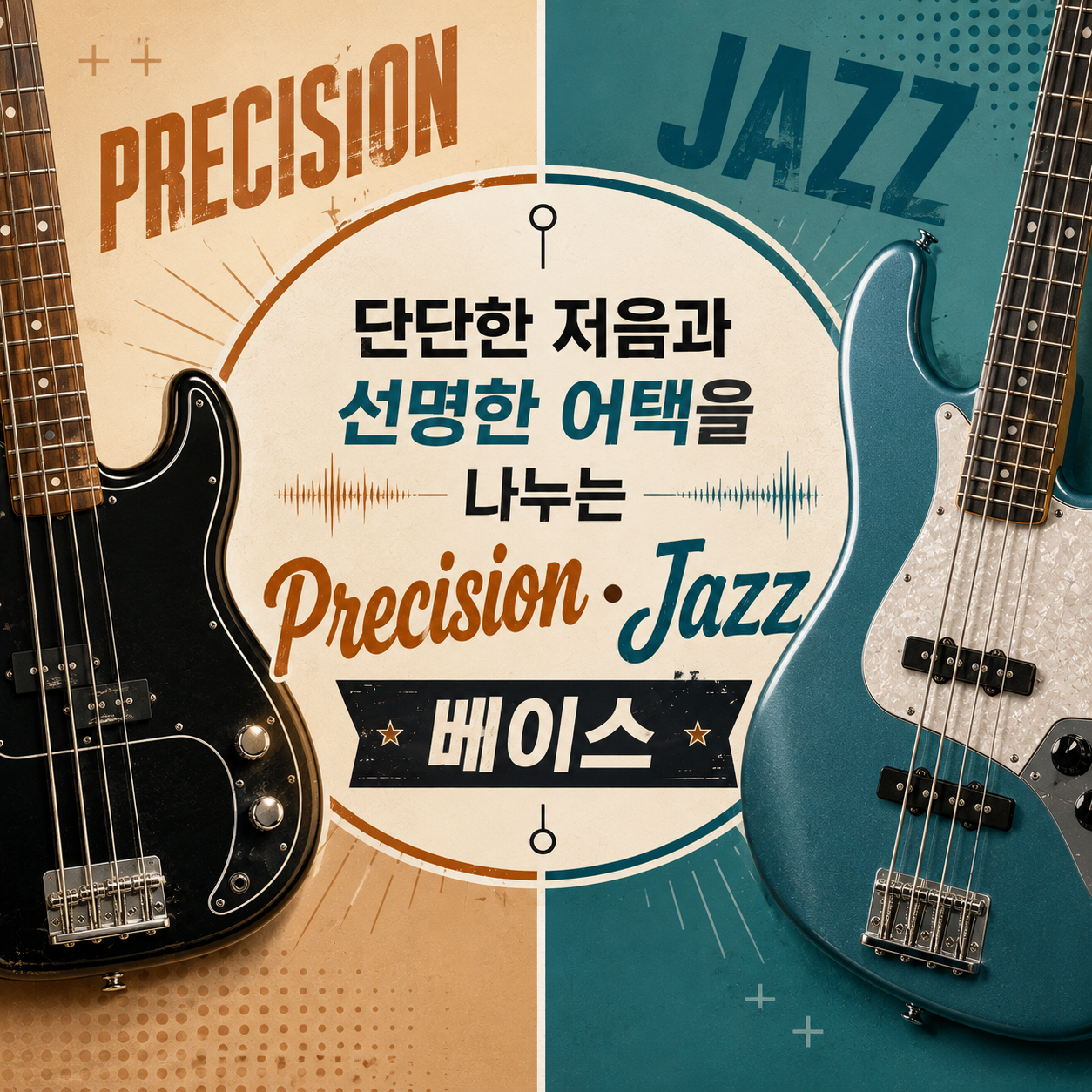
Fat Midrange or Sharp Attack: The Real Difference Between Precision and Jazz
P pickups bring a thick, blunt midrange and J pickups bring a clearer attack, so the right choice depends on genre and your role in the band.

Chasing Low B: Where 5-String Active Basses Actually Differ
Low-B pitch stability, active EQ boost headroom, and neck width and scale are what actually separate five-string basses.