
Despite sharing the same waisted Auditorium shape, Martin's 000 defaults to a shorter scale and the OM to a longer one, a real difference in tension, string spacing, and chord reach.
Martin's 000 and OM share the same waisted Auditorium outline, so side by side on a wall they're easy to mix up. Across the current lineup, though, the 000 typically defaults to a short 24.9-inch scale while the OM runs a longer 25.4-inch scale, and that difference shows up directly in how far your fingers travel between chords and how much tension pulls back against them. Half an inch sounds small, but it stretches the spacing of every single fret, and players with smaller hands or fast chord changes tend to notice it right away. Exceptions like the 000-15M, whose scale actually matches the OM rather than the 000, mean you can't judge hand comfort from the body name alone.
How we sorted this list
- Scale length (24.9" vs 25.4") and nut width came first.
- Within the same scale, we noted the tonal difference top and back/side woods make.
- Ranking follows hand feel, not decoration tier.
Think about the chord shapes, tunings, and strumming intensity you use most before reading further. If you switch chords often or have smaller hands, start with the short-scale models; if you tune low or strum hard, start with the longer-scale, higher-tension OM models instead. That approach narrows down twelve models much faster than reading top to bottom. If you get a chance to try one in person, check hand comfort before you even listen to the tone.
Martin 000-X2E
Martin 000-10E Retro
Martin 000-10E Retro Sapele
Martin 000-15M
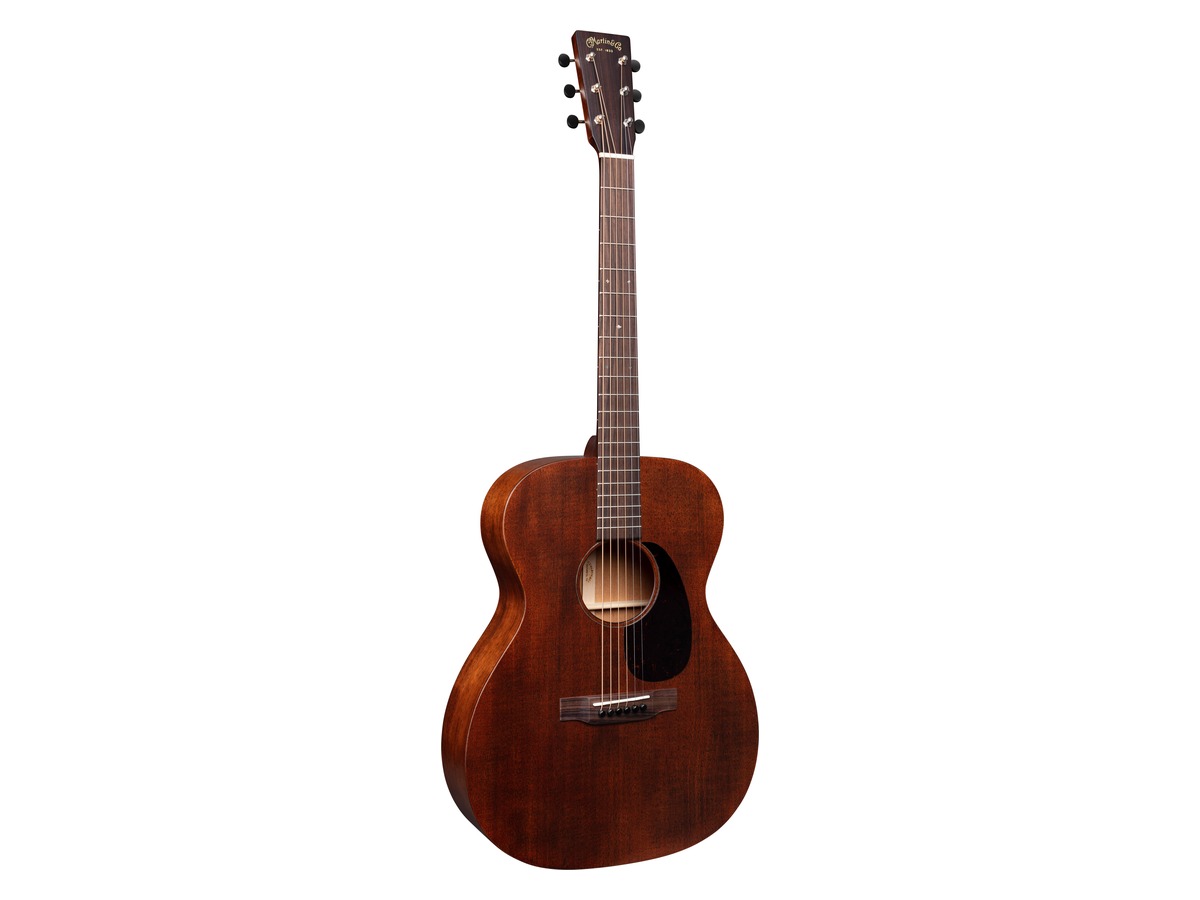
Martin 000-16 StreetMaster
Martin 000-17
Martin 000-18
Martin 000-28
Martin 000-42
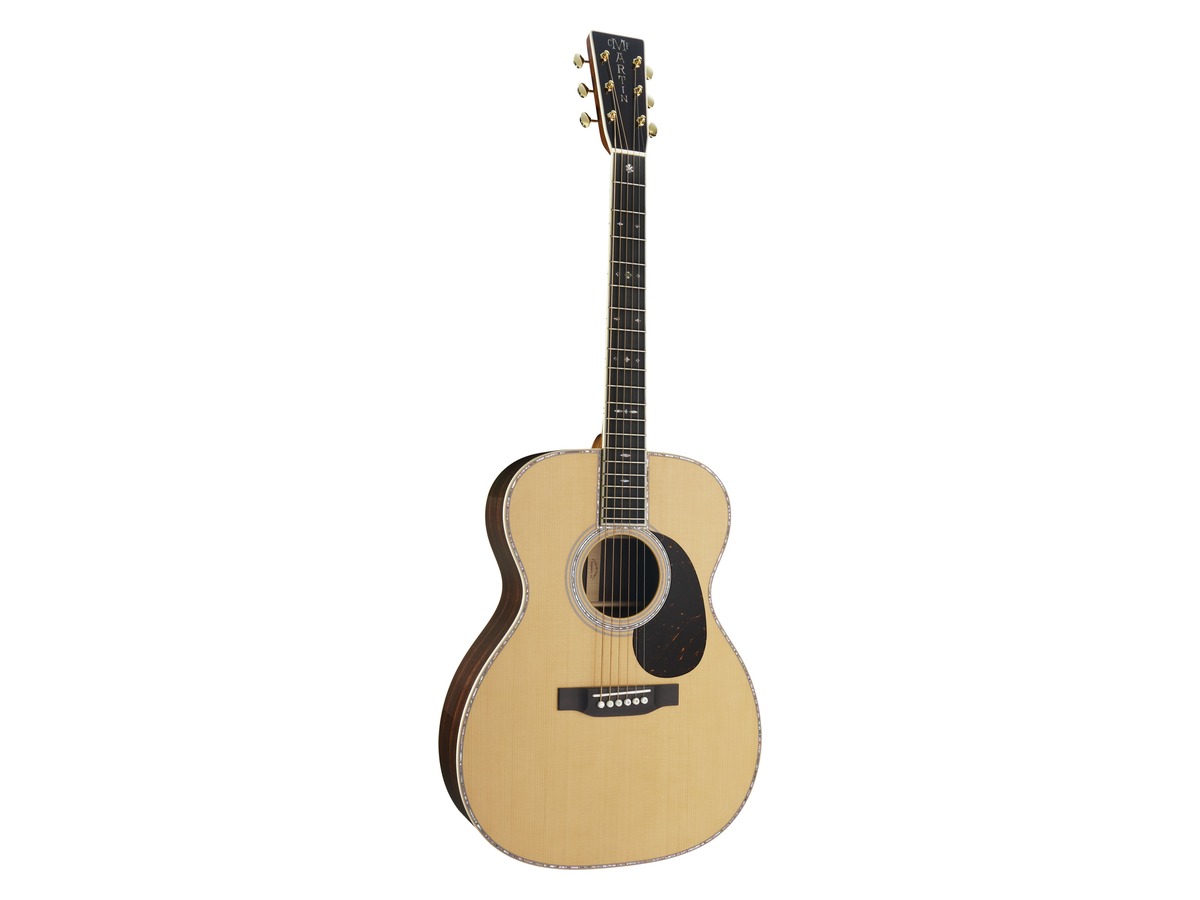
Martin OM-21
Martin OM-28
Martin OM-42
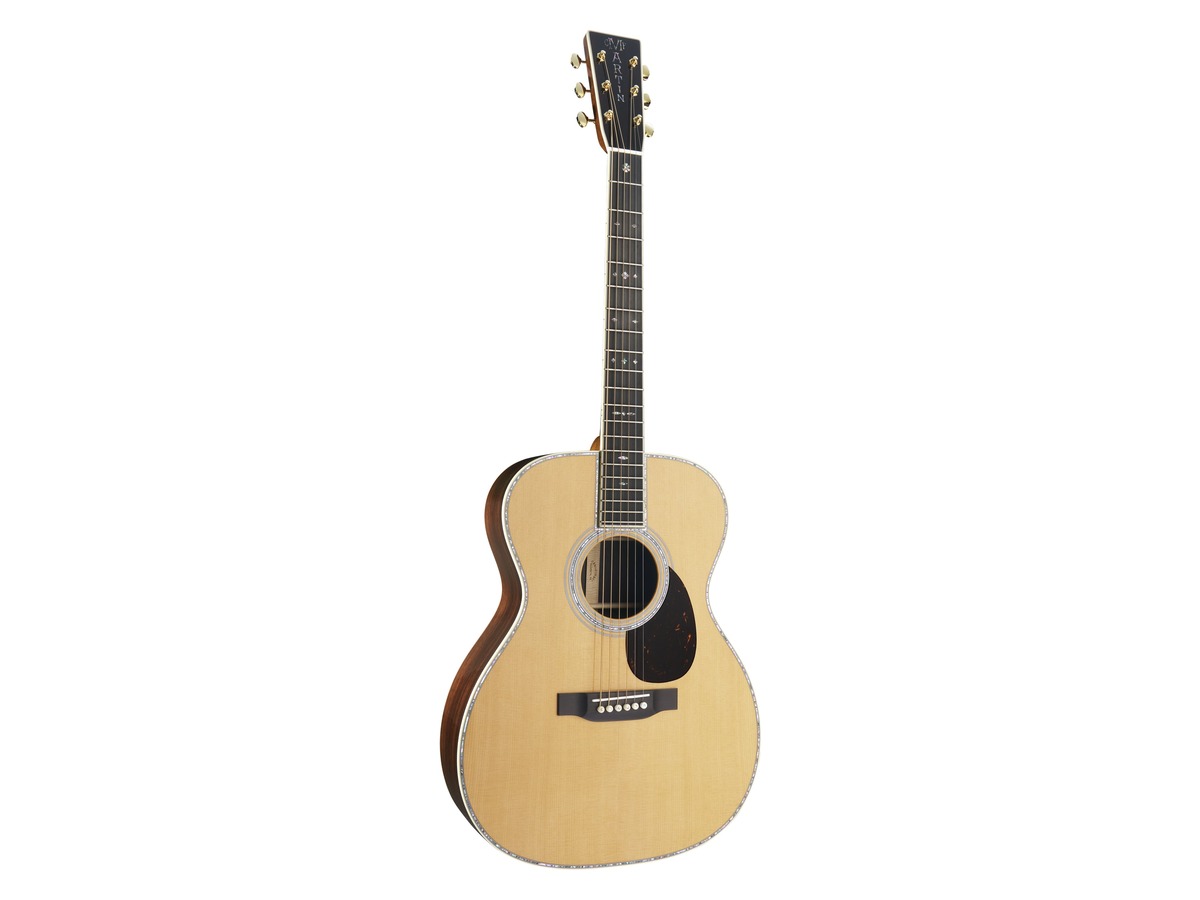
How to choose
If you have smaller hands or care most about chord-change speed, start with the short 24.9-inch scale models: #1 000-X2E, #6 000-17, #7 000-18, and #8 000-28. If you tune low often or strum hard, the extra tension of the 25.4-inch scale on #10 OM-21 and #11 OM-28 may feel more stable and controlled. Note that #4 000-15M breaks the pattern — despite its name, its scale matches the OM, not the short-scale 000 line, so it's not the pick if you specifically want a short scale.
Once scale length and nut width have narrowed your hand-comfort choice, wood pairing is what's left to decide the tone. Higher decoration tiers like #9 000-42 and #12 OM-42 don't change hand feel at all versus their plainer siblings, so there's no need to pay up for decoration if playability is your priority.
This information reflects the lineup as surveyed at the time of writing and specs can change, so confirm current details through official channels before you buy.
Frequently asked questions
Besides scale length, what else differs between 000 and OM?
Body outline, bracing placement, and the structure near the soundhole differ slightly too. But scale length and nut width have the most direct effect on playability, so comparing those two specs first, as this list does, is the practical approach.
Is a shorter scale always better for beginners?
It eases the reach between chords, but it can feel under-tensioned for lower tunings or hard strumming. Weigh it against your playing style and the tunings you actually use.
Why does a model like the 000-15M have a scale that doesn't match its name?
Different models were designed at different times with different goals, so the body-name convention doesn't always line up with scale length. Check the official scale and nut width in the spec sheet rather than assuming from the name. These specs reflect the lineup as surveyed in August 2026 and may be revised later.
If two models share the same scale, is the nut width the same too?
Not necessarily. The 000-15M, for example, has a 25.4-inch scale matching the OM, but its 1 11/16-inch nut is the narrowest on this list. Scale length governs chord-change reach while nut width governs string spacing, so check both separately.
Does wood or decoration tier affect hand comfort?
Not directly. Even the highest decoration tiers, like the 000-42 and OM-42, keep the same scale and nut width as their plainer siblings in the same line. It's best to judge hand comfort by scale and nut width, and tone and looks by wood and decoration, separately.
Get new lists before anyone else
Once a week — only the new lists worth your time.
No spam · unsubscribe in one click
You may also like
Fat Midrange or Sharp Attack: The Real Difference Between Precision and Jazz
P pickups bring a thick, blunt midrange and J pickups bring a clearer attack, so the right choice depends on genre and your role in the band.

Chasing Low B: Where 5-String Active Basses Actually Differ
Low-B pitch stability, active EQ boost headroom, and neck width and scale are what actually separate five-string basses.

From Practice Room to Band Stage: A First Bass You Won't Outgrow
From Squier to Yamaha and Ibanez, here are 10 beginner basses picked with neck and pickup choices that won't force a second purchase later.
Martin Dreadnoughts: What the Low End Actually Gives You for Rhythm
Across Martin's dreadnought lineup, wood pairing and bracing — not sheer volume — decide how the bass holds together under a hard strum.