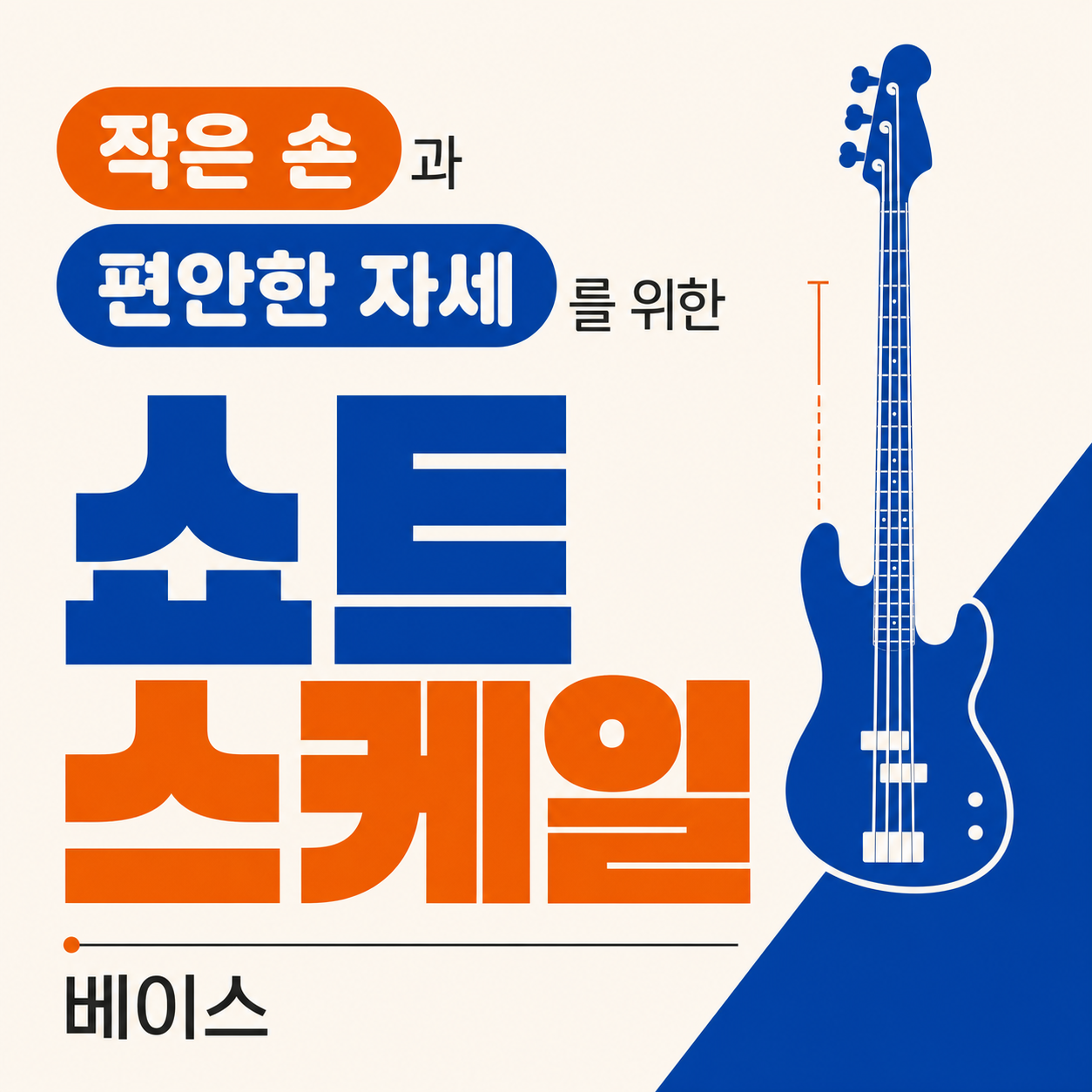
A short-scale bass narrows fret spacing and lowers string tension, easing the strain for players with small hands or a smaller frame.
A short-scale bass is a bass with a shorter neck than the standard 34 inches, built so players with small hands or a smaller frame can play more comfortably. A shorter scale narrows fret spacing and lowers string tension, so the same practice session asks less of your hand and wrist. Choosing by the inch number alone often goes wrong, though. Body weight, strap balance, and stability when seated all have to fit your body too.
Two worries come up again and again: that short scale is only for beginners, and that it sounds thin. This list picks ten basses with both in mind, focusing on how scale length changes real fret spacing and how well the pickup setup supports the low end.
How we chose
- Scale length and fret count
- Body weight and balance when seated
- Pickup configuration and low-end thickness
- How easy the switch from standard scale is
If your hands are very small, start with the 28.6-inch model; if you want something between standard and short, start with the 30-inch range. Prices and specs are as of September 2026.
Fender Player II Mustang Bass PJ
Squier Classic Vibe '60s Mustang Bass
Squier Sonic Bronco Bass
Ibanez GSRM20 Mikro
Ibanez TMB30
Höfner Ignition Violin Bass
Epiphone Newport Bass
Sterling by Music Man Short Scale StingRay
Sire Marcus Miller U5
Fender Vintera II '60s Bass VI
How to choose
If your hands are very small or this is your first bass, start with No. 4 or No. 3. If you spend long hours playing seated, check the body balance of No. 1 and No. 5 first. For a vintage tone, No. 2 fits; for a weighty humbucker tone on a short neck, No. 8. No. 6 suits anyone who wants less strain on the shoulder, and No. 7 suits a gradual move over from standard scale.
When comparing, check the same three things in the same order: scale length in inches, how the fret spacing feels under your hand, and where the weight sits while standing. Nos. 9 and 10 work well as a second instrument for someone already comfortable on another bass. Information reflects the time of research and may change, so confirm with official channels before buying.
Frequently asked questions
Do short-scale basses sound thin?
Lower string tension can make the low end feel a little softer, but pickup and circuit design make up for much of that. Many models sound close to standard scale, so it is worth comparing them side by side in a shop.
Can adults use a short-scale bass, or is it only for beginners?
If it fits your frame and hand size, you can keep using it regardless of experience. Some players with small hands, or who mostly play seated, use a short scale as their main instrument.
Does the looser tension of a short scale hurt tuning stability?
Tension is lower, but most models adjust bridge and nut design to account for it. Switching to a heavier string gauge can add some tension back.
Which bass on this list has the shortest scale?
The Ibanez GSRM20 Mikro, at 28.6 inches. It still has 22 frets, so upper-position moves are not much restricted.
Which short-scale bass is comfortable for seated practice?
The Ibanez TMB30's symmetrical double-cut body balances easily on the knee, and the Fender Player II Mustang Bass PJ has a compact body that works well seated. Balance varies from body to body, so try them sitting down.
Does it take long to adjust from a standard 34-inch bass to short scale?
Fret spacing is tighter, so finger placement may feel slightly off at first. Starting with a model closer to standard, like the 30.5-inch Epiphone Newport Bass, softens the change.
Get new lists before anyone else
Once a week — only the new lists worth your time.
No spam · unsubscribe in one click
You may also like
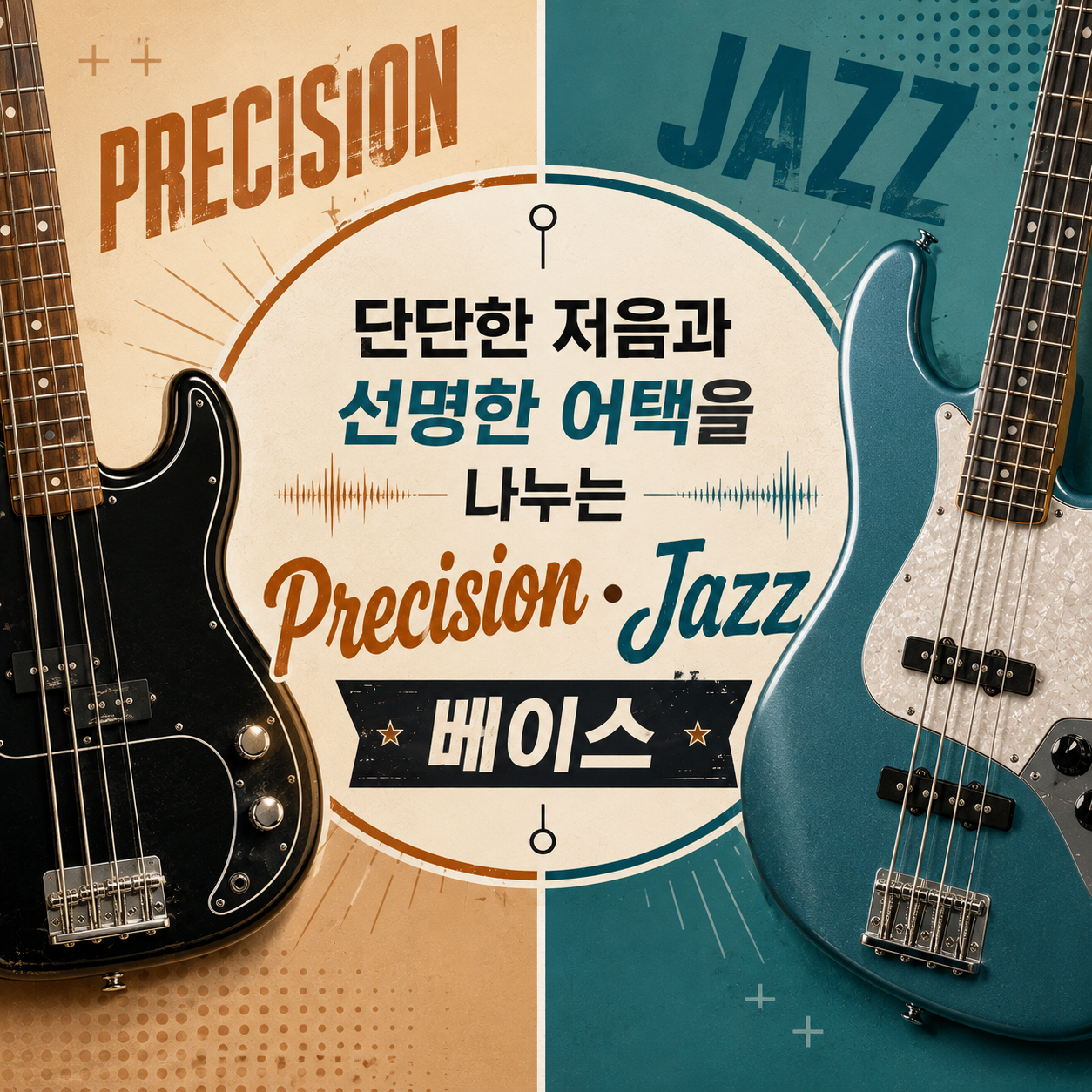
Fat Midrange or Sharp Attack: The Real Difference Between Precision and Jazz
P pickups bring a thick, blunt midrange and J pickups bring a clearer attack, so the right choice depends on genre and your role in the band.

Chasing Low B: Where 5-String Active Basses Actually Differ
Low-B pitch stability, active EQ boost headroom, and neck width and scale are what actually separate five-string basses.

From Practice Room to Band Stage: A First Bass You Won't Outgrow
From Squier to Yamaha and Ibanez, here are 10 beginner basses picked with neck and pickup choices that won't force a second purchase later.
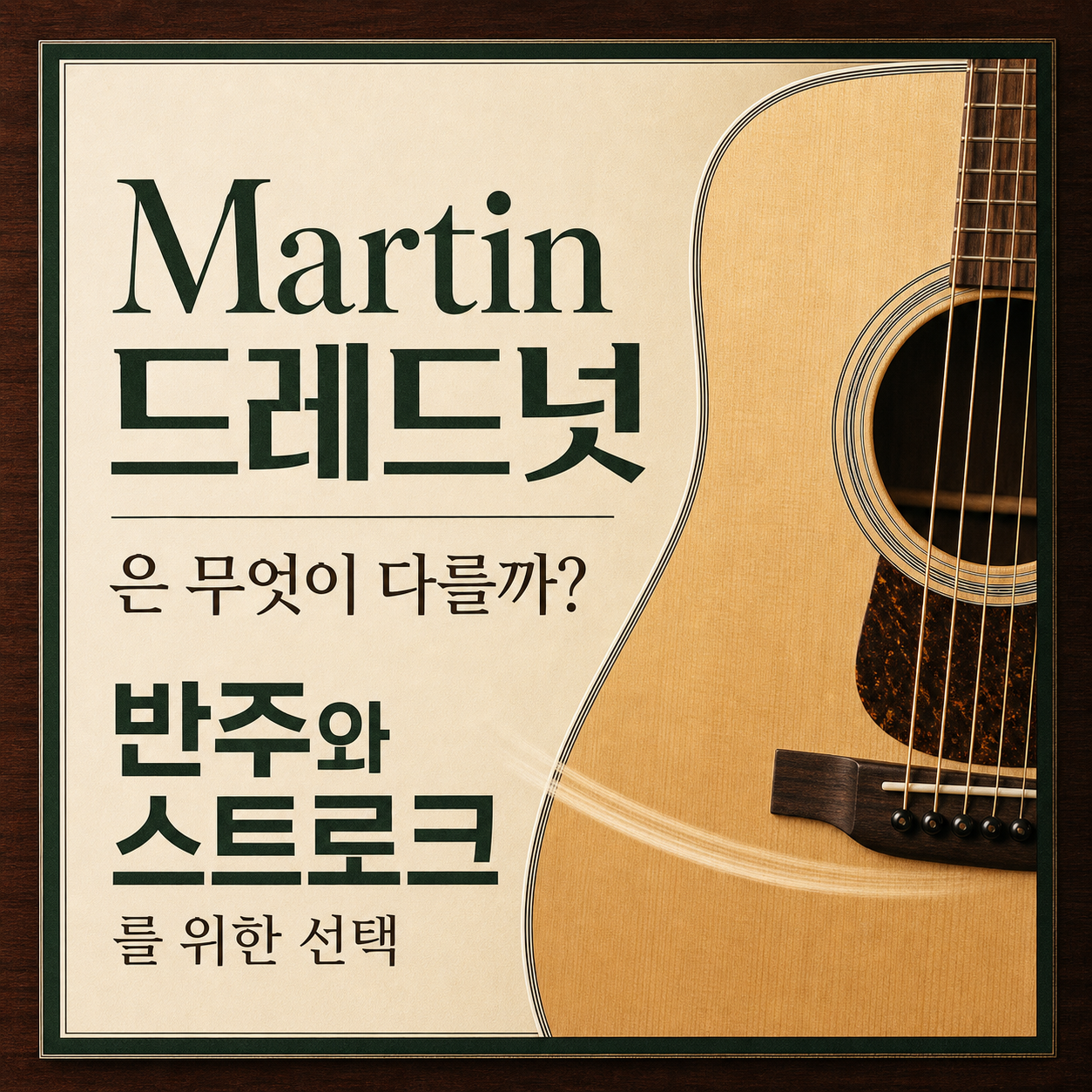
Martin Dreadnoughts: What the Low End Actually Gives You for Rhythm
Across Martin's dreadnought lineup, wood pairing and bracing — not sheer volume — decide how the bass holds together under a hard strum.