
A rock guitar guide comparing bridge-pickup riff density against neck-pickup and body sustain for solos.
When shopping for a rock guitar, it's tempting to think one thick humbucker will cover everything. But most songs swing between tight, driving riffs and long, sustained solos, so it helps to judge the bridge pickup's riff density separately from how well the neck pickup and body construction sustain solo notes.
This list mixes HH, HSS, P-90, and HHH pickup configurations to compare how naturally each guitar shifts between riffing and soloing, and how clean tones sit in between. Beyond pickups, we also looked at bridge type (fixed or tremolo) and body material, since both affect tuning stability after aggressive bending and how long notes sustain.
How we picked
- Bridge pickup output and density — how thick and defined the riff tone gets
- Neck pickup and sustain — how long and smooth solo notes carry
- Switching range — how easily you can move between clean, crunch, and lead
- Bridge and neck construction — how well tuning holds up after bending
If this is your first rock guitar, start from No. 1. If you already own a humbucker guitar and want to fill a tonal gap, check entries with P-90 or HHH configurations first. Prices and specs are current as of September 2026 and may vary by retailer.
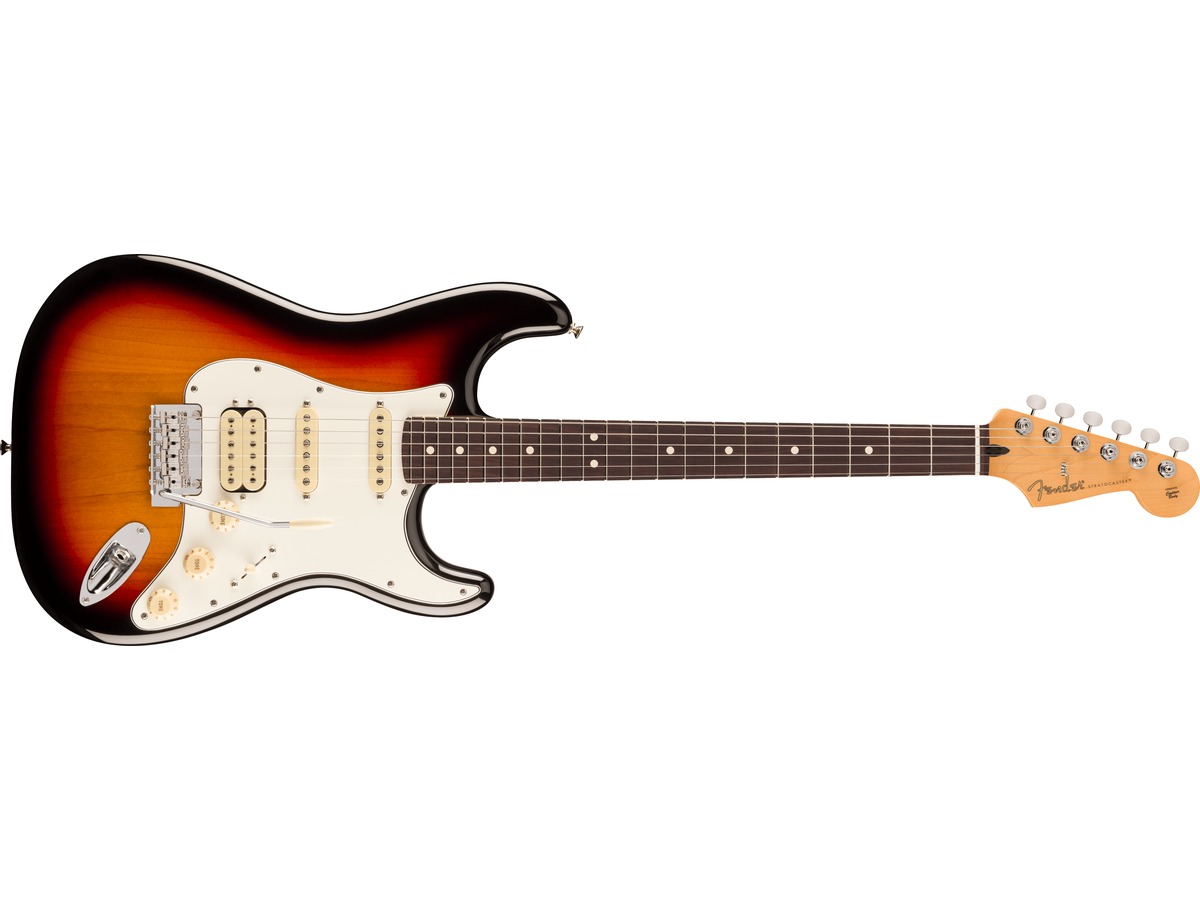
Fender Player II Stratocaster HSS
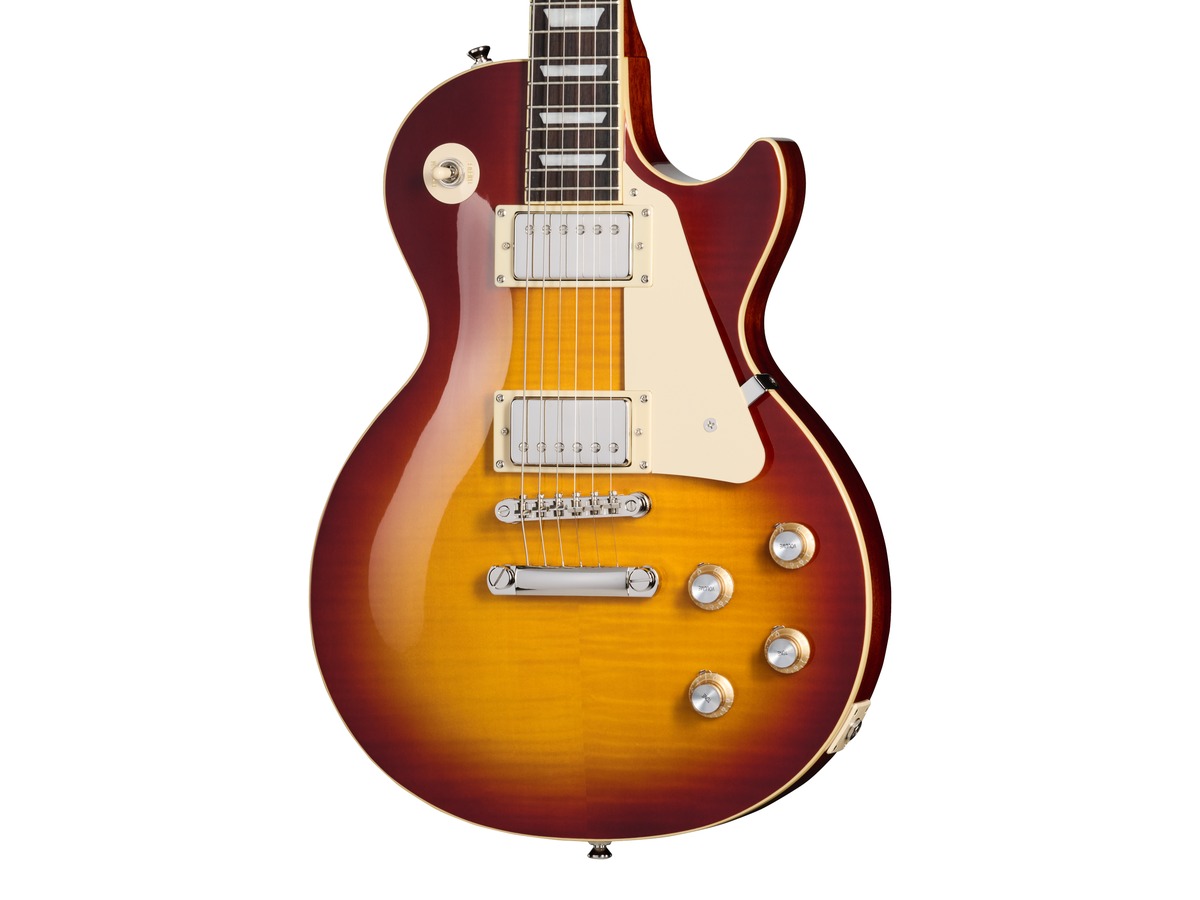
Epiphone Les Paul Standard 60s
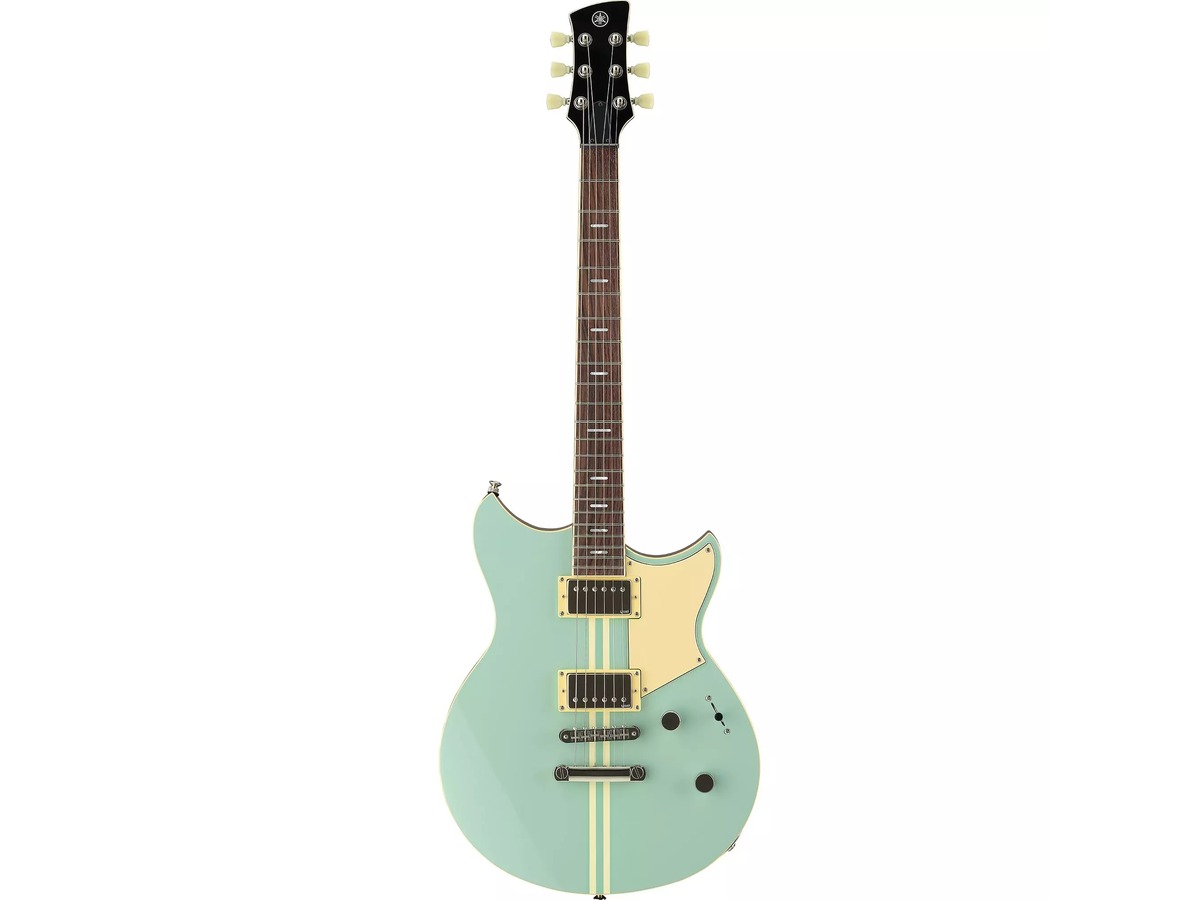
Yamaha Revstar Standard RSS20
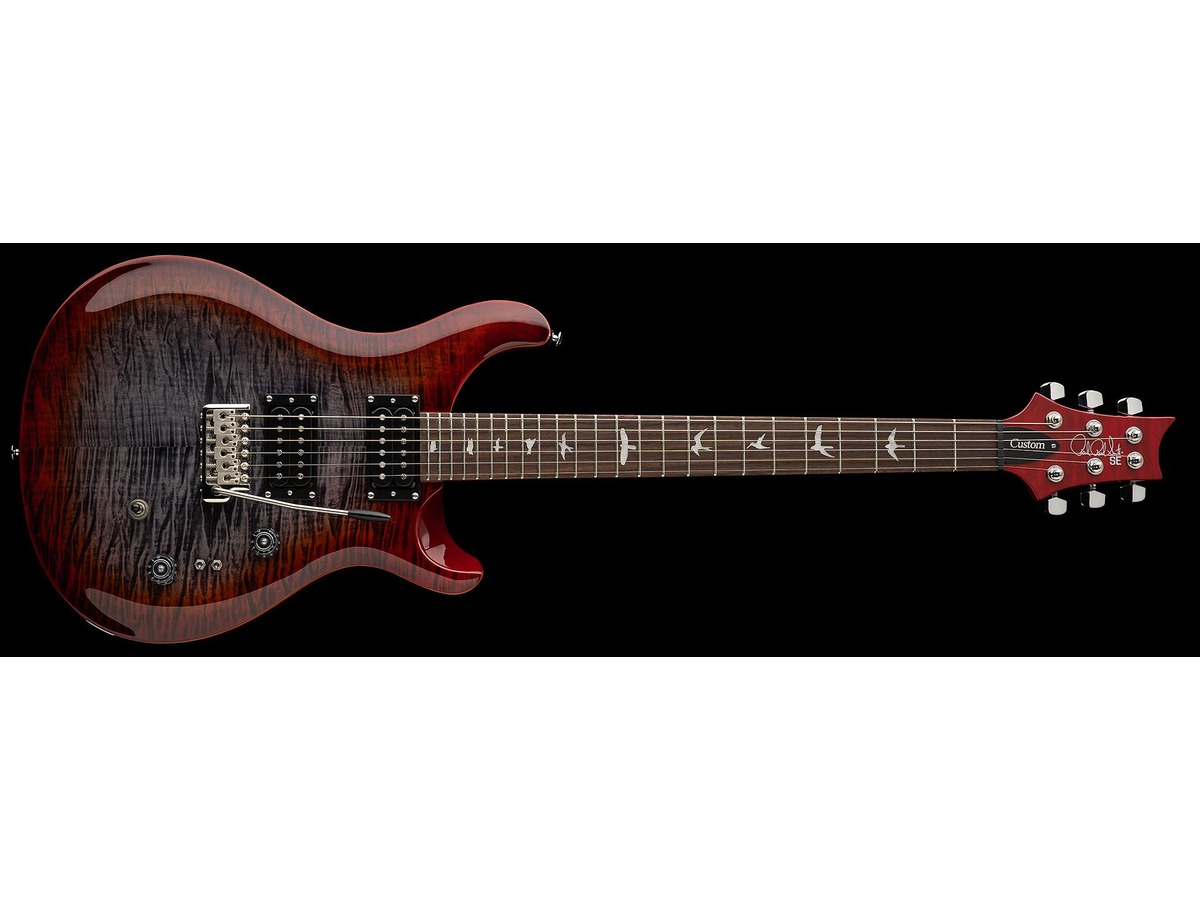
PRS SE Custom 24-08
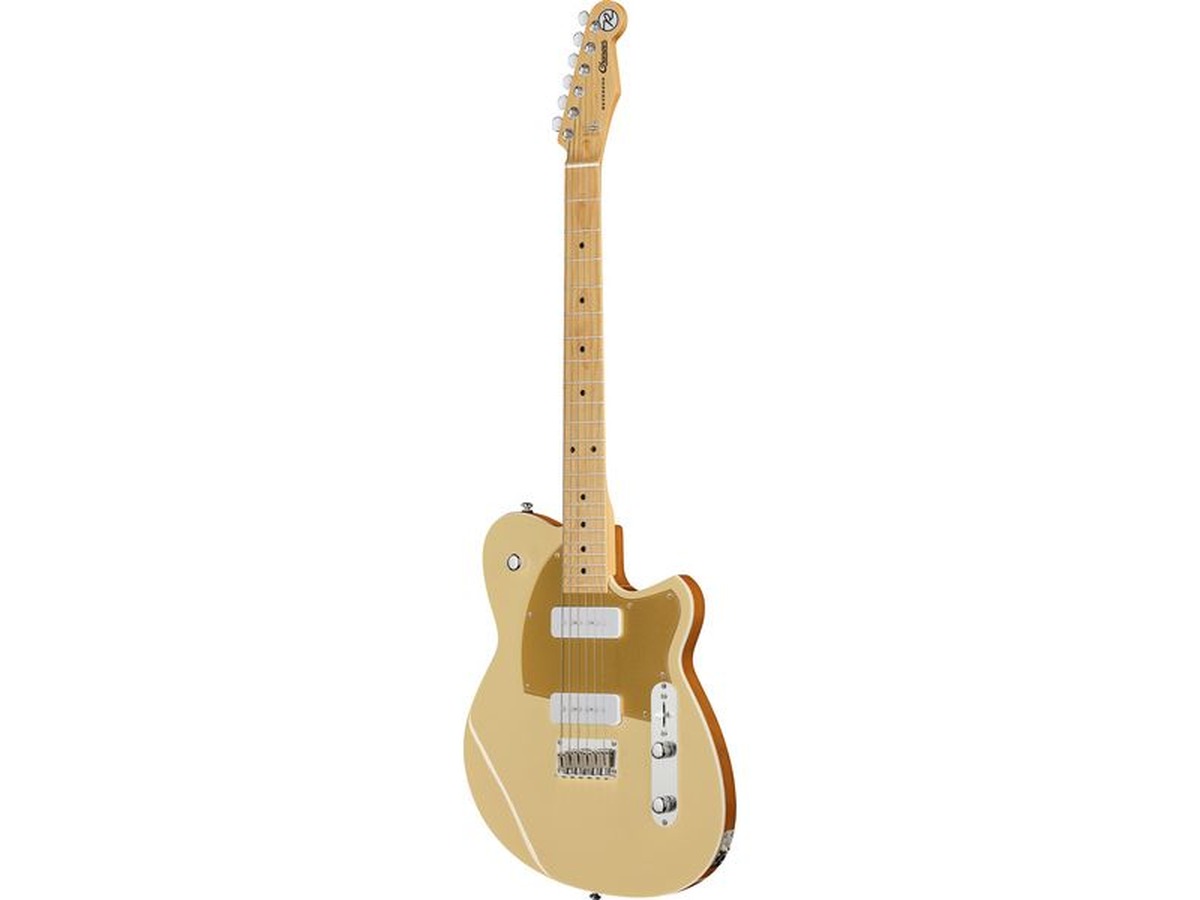
Reverend Charger 290
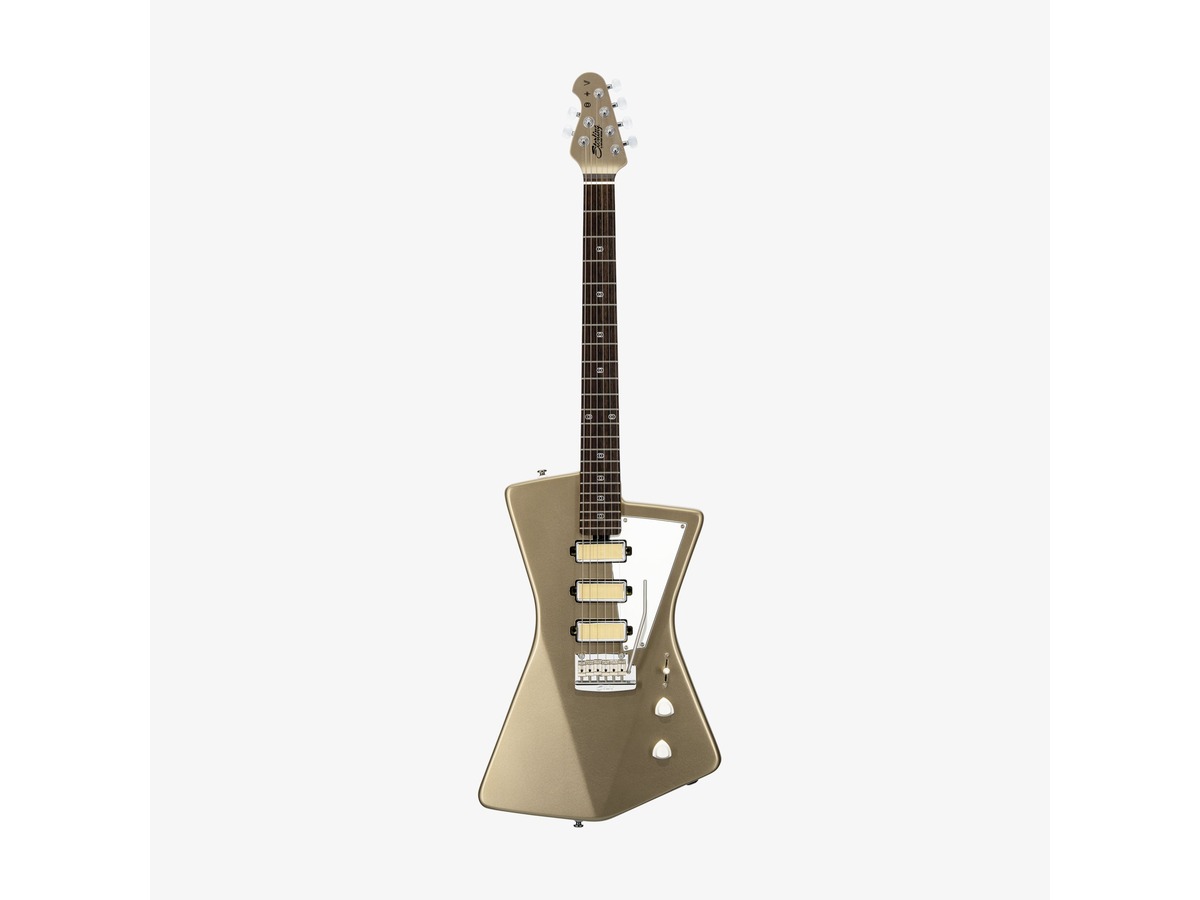
Sterling by Music Man St. Vincent Goldie
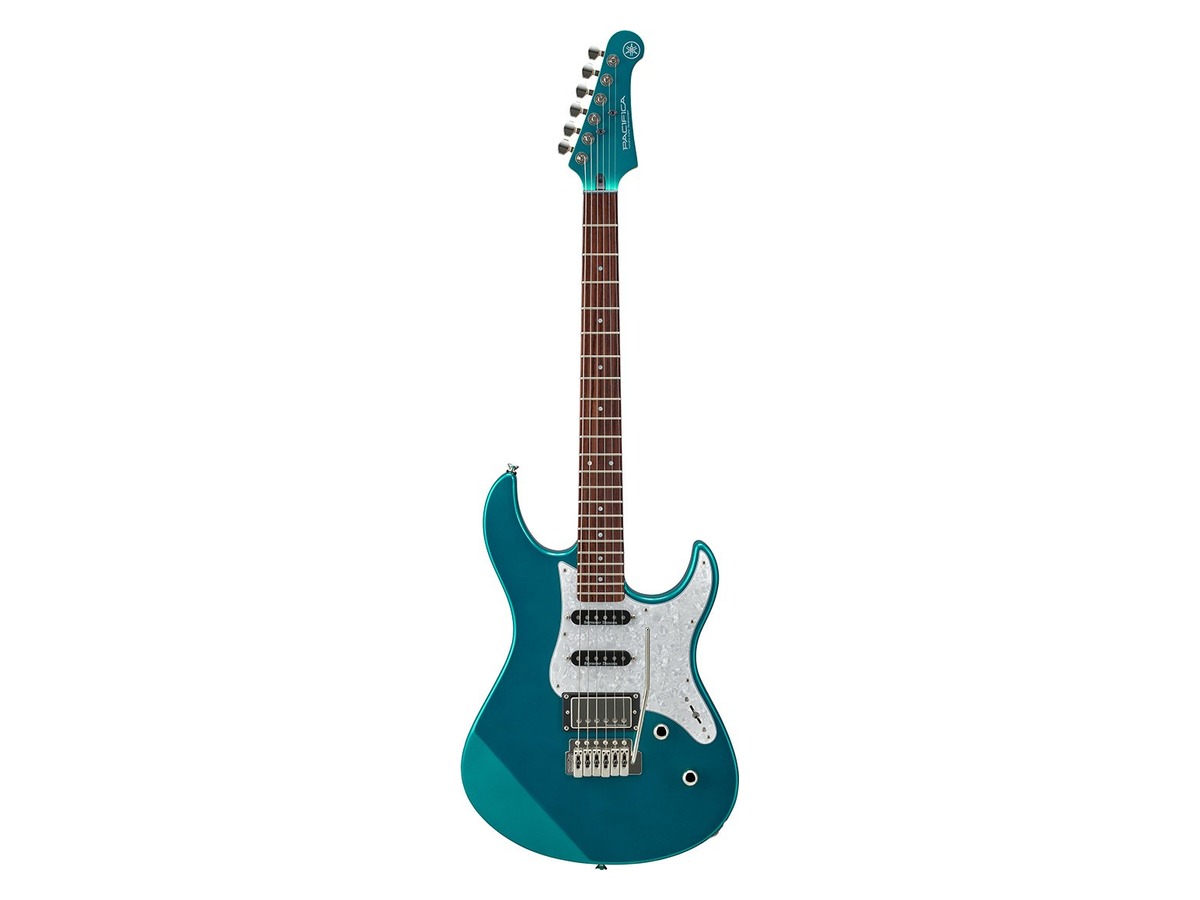
Yamaha Pacifica PAC612VIIX
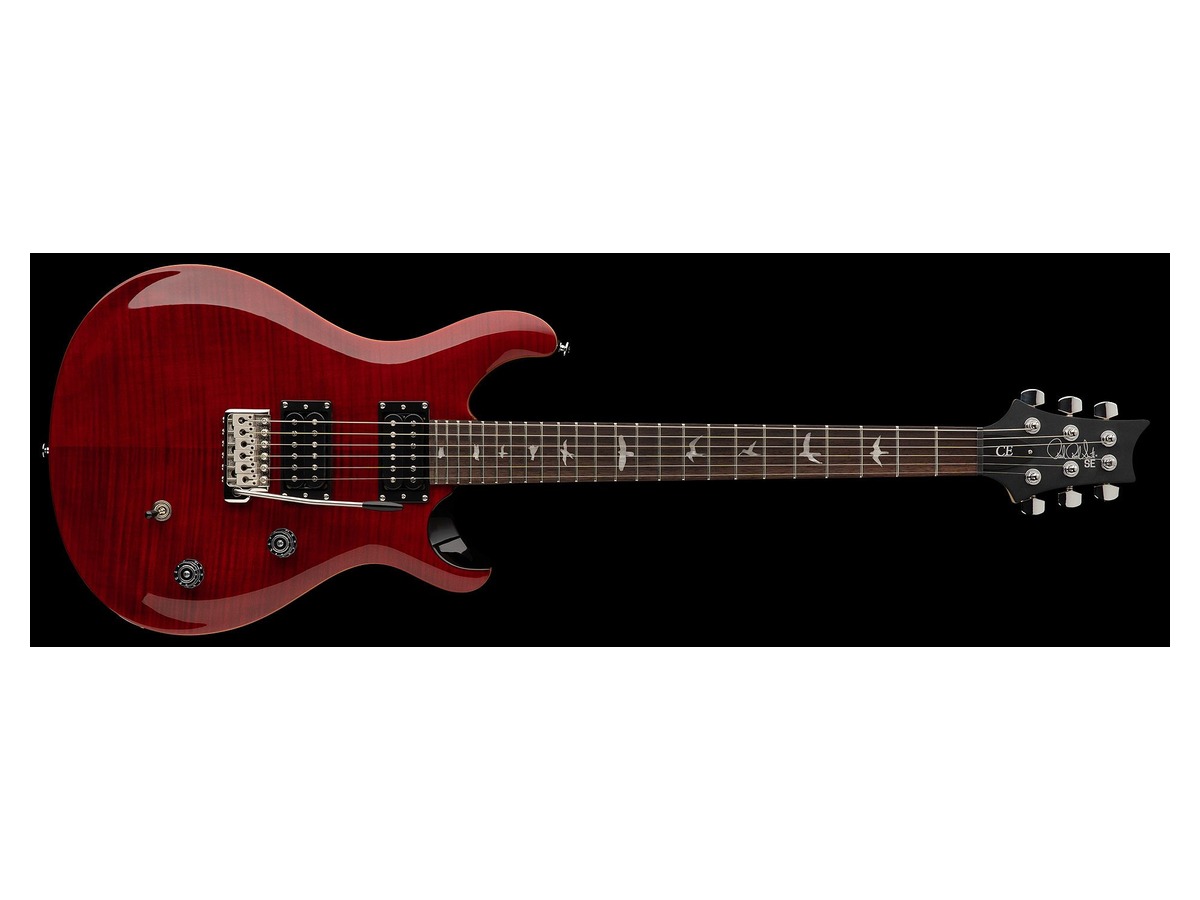
PRS SE CE 24
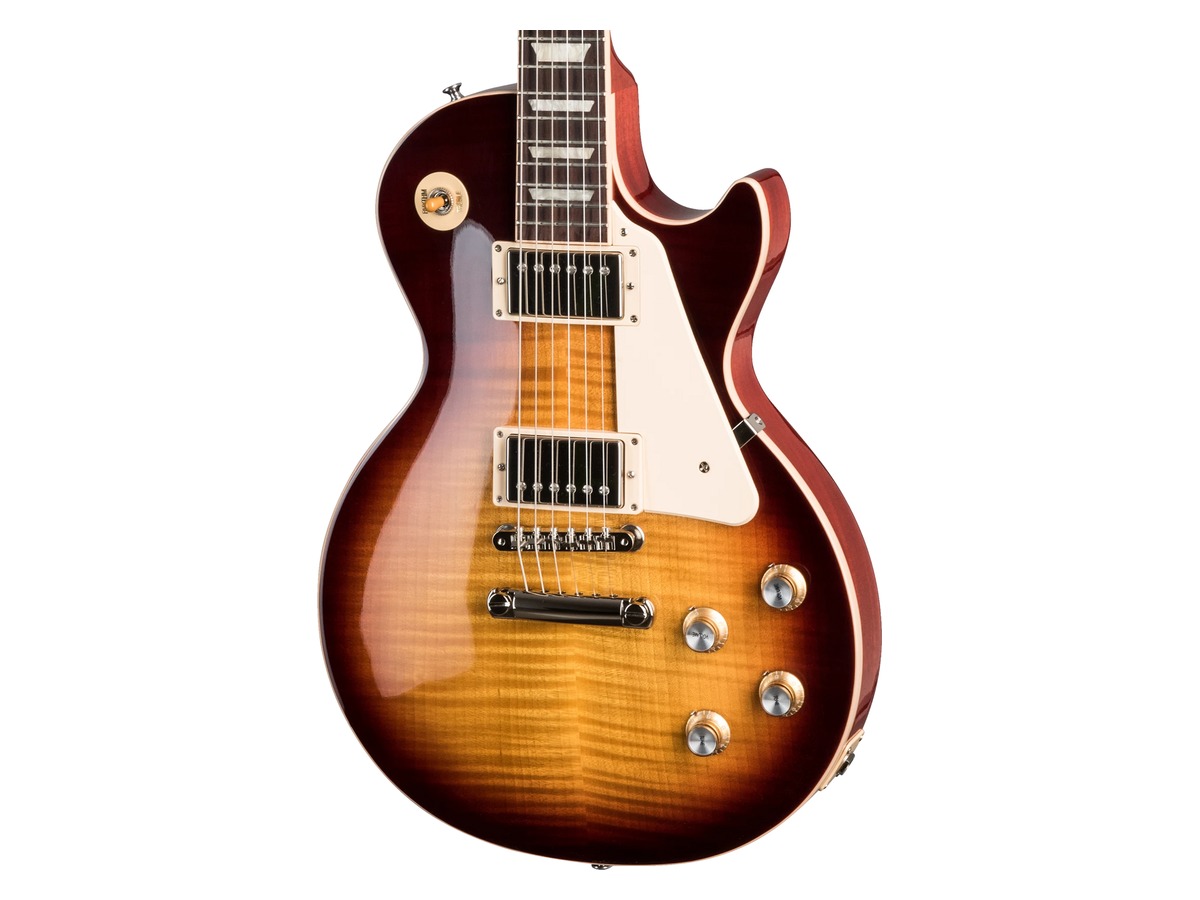
Gibson Les Paul Standard 60s
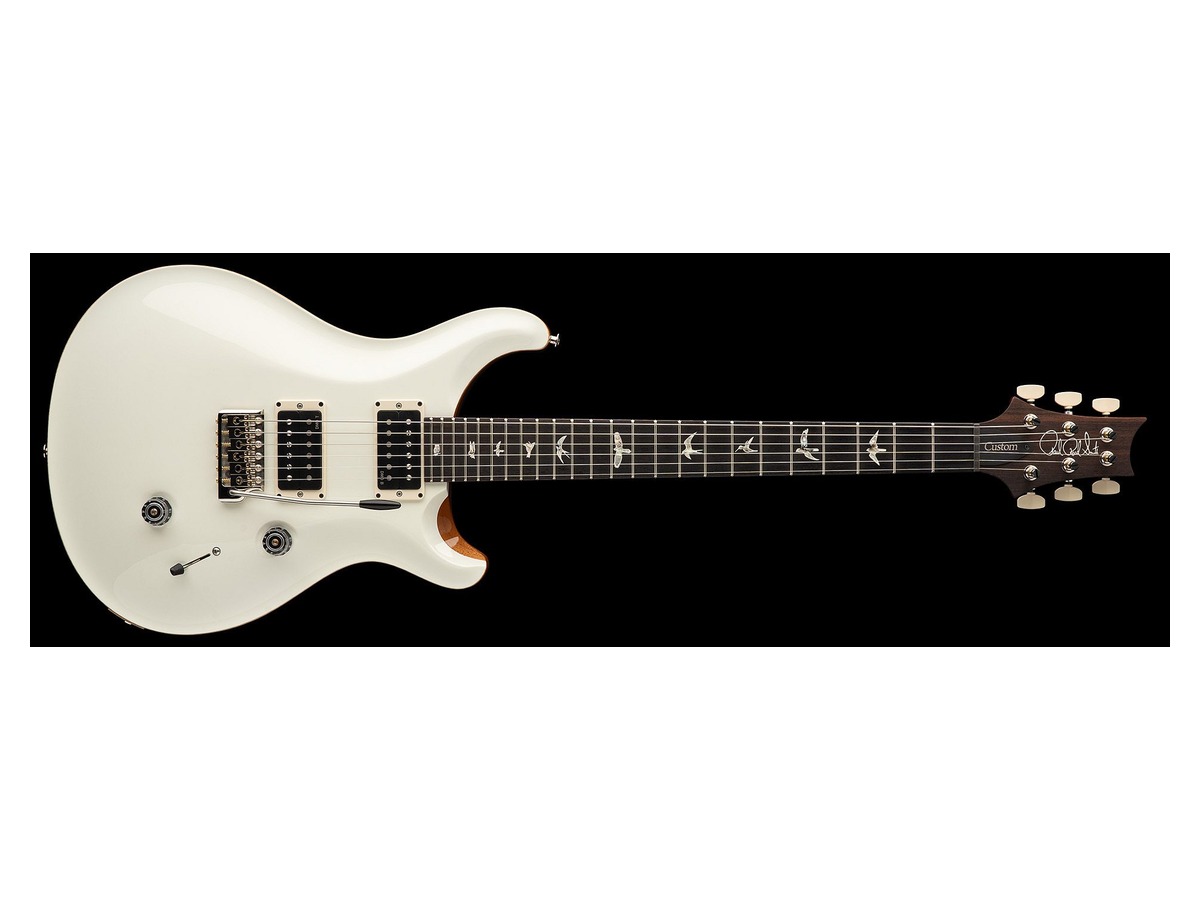
PRS Core Custom 24
How to choose
If your band leans heavily on riffs, No. 1 (Fender Player II Stratocaster HSS) or No. 4 (PRS SE Custom 24-08) give you humbucker thickness alongside single-coil clarity for switching freely between clean and lead. If you want one consistent, classic rock tone instead, No. 2 (Epiphone Les Paul Standard 60s) or No. 9 (Gibson Les Paul Standard 60s) offer more uniform density and sustain from two humbuckers.
When comparing in person, play clean, crunch, and lead at the same volume rather than trusting spec sheets, and bend hard to see how well tuning recovers. Prices and specs reflect the time of research and may change, so confirm current details with an official retailer before buying.
Frequently asked questions
Do you need a humbucker for rock?
It's the most common choice but not required. P-90 or HSS configurations can deliver plenty of rock tone depending on your band setup and desired sound.
Is a wider pickup-switching range always better?
It helps if you play varied material, but too many options can slow you down live. Think about how many tones you actually use before prioritizing switching range.
Does a tremolo bridge make tuning unstable?
It depends on the bridge design and setup. A well-set-up tremolo with good return can hold tuning through hard bending, while a poorly set-up bridge of any type can drift.
Are P-90 pickups noisier than humbuckers?
Yes, their single-coil construction makes them more prone to hum than humbuckers. If you run high-gain tones, consider a noise gate or a well-shielded cable.
Can beginners choose from this list too?
Yes, but first-timers may prefer a common configuration with intuitive switching and plenty of maintenance information available online. Weight and neck thickness matter more in person than list order, so try guitars at a store when you can.
Get new lists before anyone else
Once a week — only the new lists worth your time.
No spam · unsubscribe in one click
You may also like
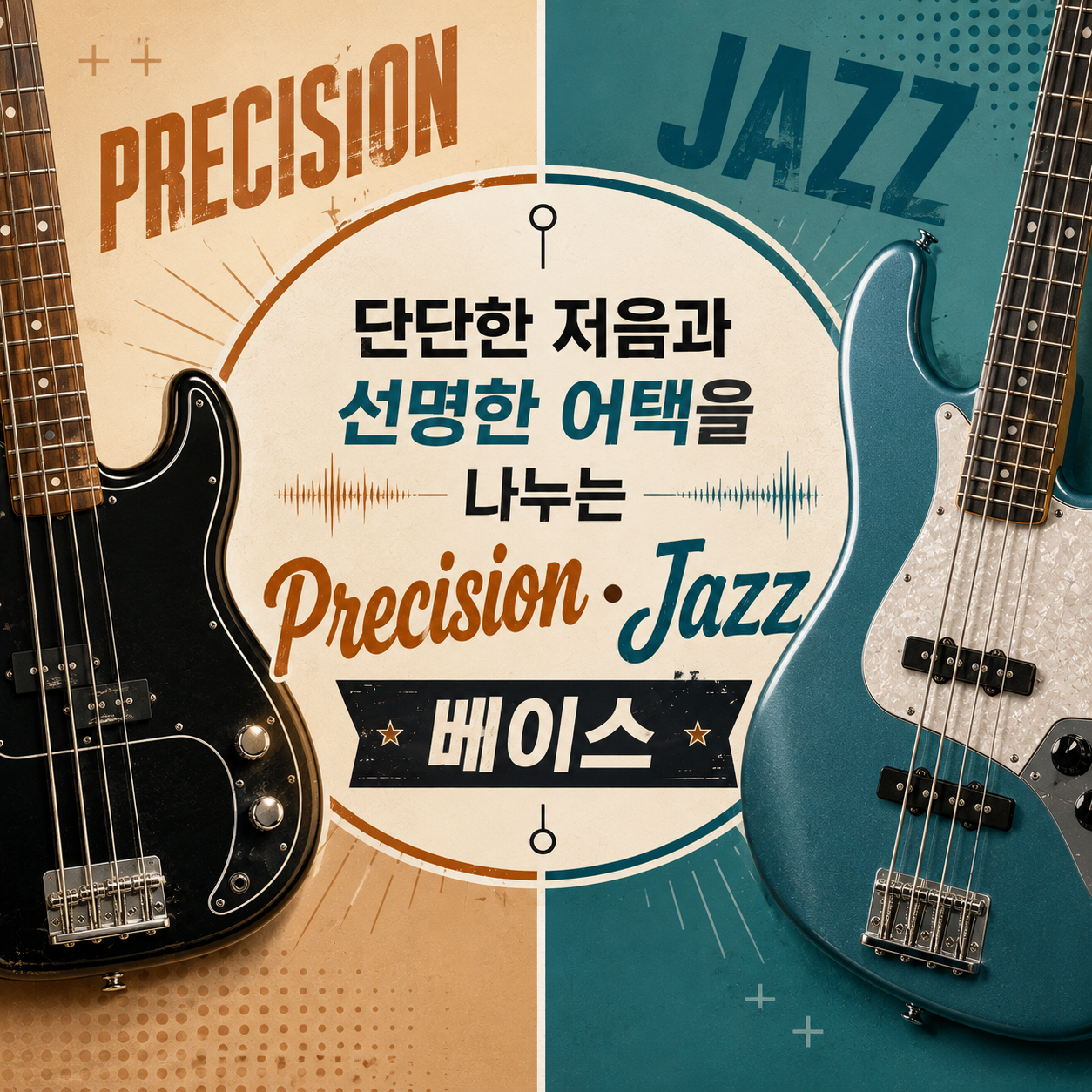
Fat Midrange or Sharp Attack: The Real Difference Between Precision and Jazz
P pickups bring a thick, blunt midrange and J pickups bring a clearer attack, so the right choice depends on genre and your role in the band.

Chasing Low B: Where 5-String Active Basses Actually Differ
Low-B pitch stability, active EQ boost headroom, and neck width and scale are what actually separate five-string basses.

From Practice Room to Band Stage: A First Bass You Won't Outgrow
From Squier to Yamaha and Ibanez, here are 10 beginner basses picked with neck and pickup choices that won't force a second purchase later.

Martin Dreadnoughts: What the Low End Actually Gives You for Rhythm
Across Martin's dreadnought lineup, wood pairing and bracing — not sheer volume — decide how the bass holds together under a hard strum.