
Martin's 18, 28, 35, and 40-series numbers, and the Modern Deluxe line, mark differences in wood pairing and bracing, not just decoration.
It's tempting to assume a higher model number means a better Martin, but the number encodes wood pairing, bracing, and back construction alongside decoration. A number jump can mean a real wood change, as with D-18 to D-28, or be purely decorative, as with D-41 to D-42 to D-45.
This list starts by picking a body shape — Dreadnought, 000, or OM — that fits you, then compares tiers by wood, bracing, and back construction in that order. Even models sharing a decoration number differ in scale and hand feel once the body changes.
How we compared
- Top and back/sides wood — spruce-mahogany versus spruce-rosewood
- Bracing — scalloped bracing and how it changes response
- Back construction — two-piece versus three-piece, and VTS treatment
- Decoration tier — where inlay and binding change finish care, not tone
Read it with an eye toward what you'll keep playing, not rarity or resale value. Start with the D-18 or D-28 as a baseline, move to D-41 and up if ornamentation matters, and check the Modern Deluxe pair at 11 and 12 if VTS interests you.
Martin D-18
Martin D-28
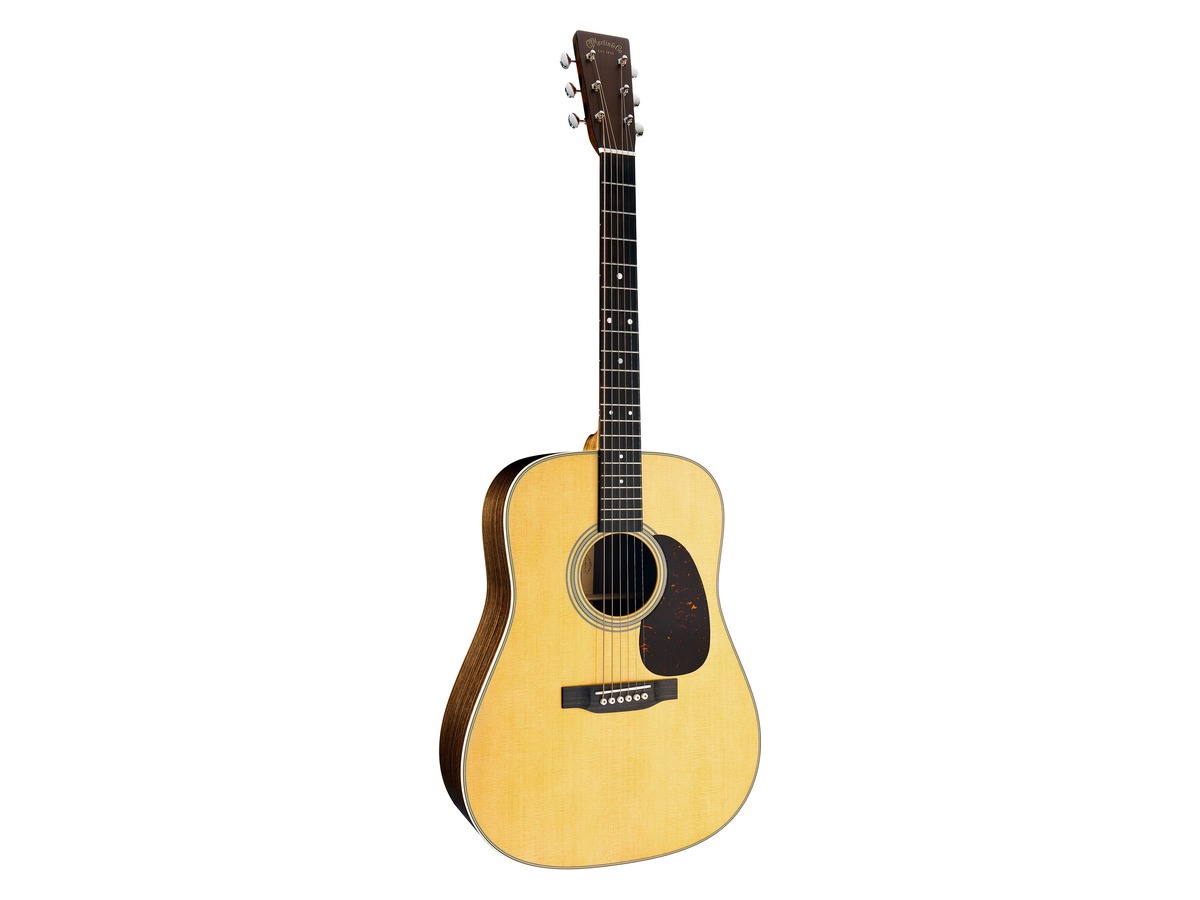
Martin HD-28
Martin D-35
Martin HD-35
Martin D-41
Martin D-42
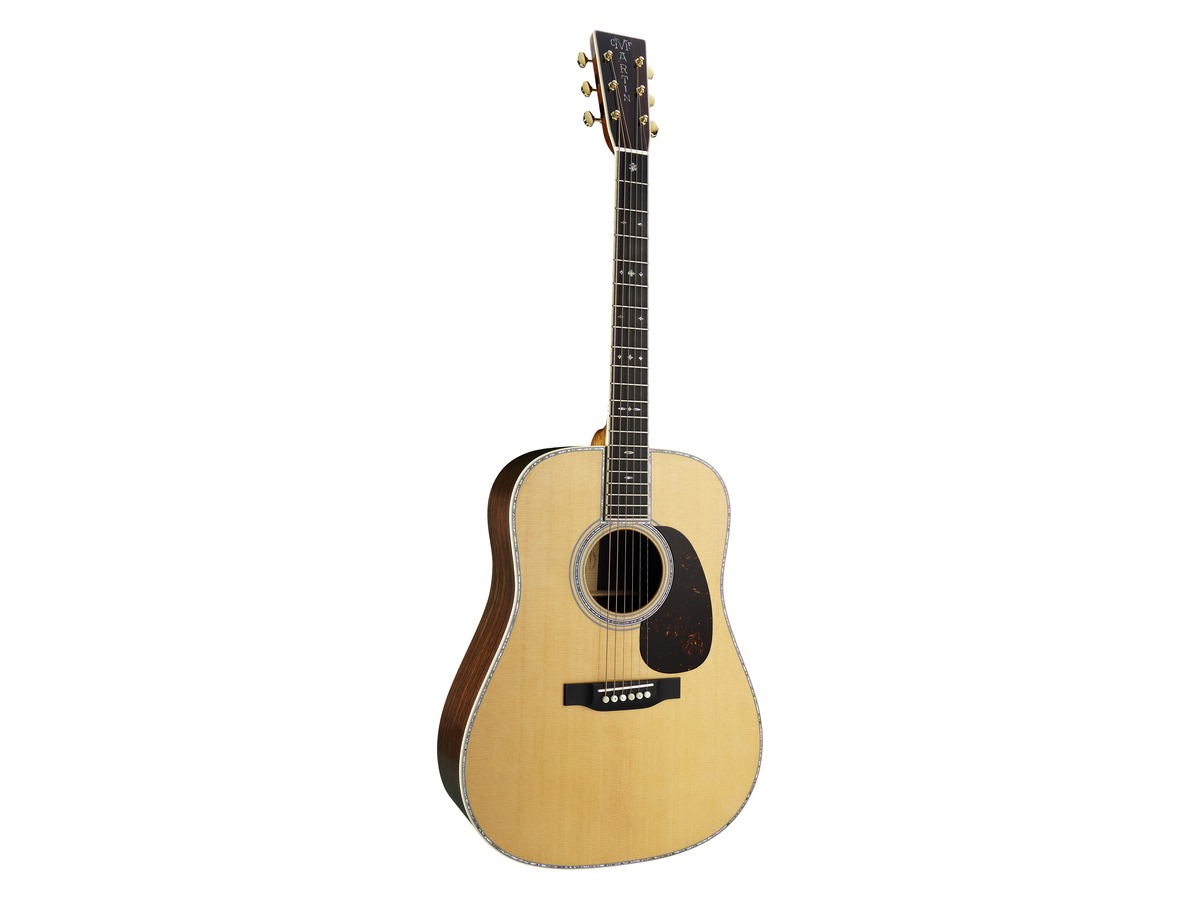
Martin D-45
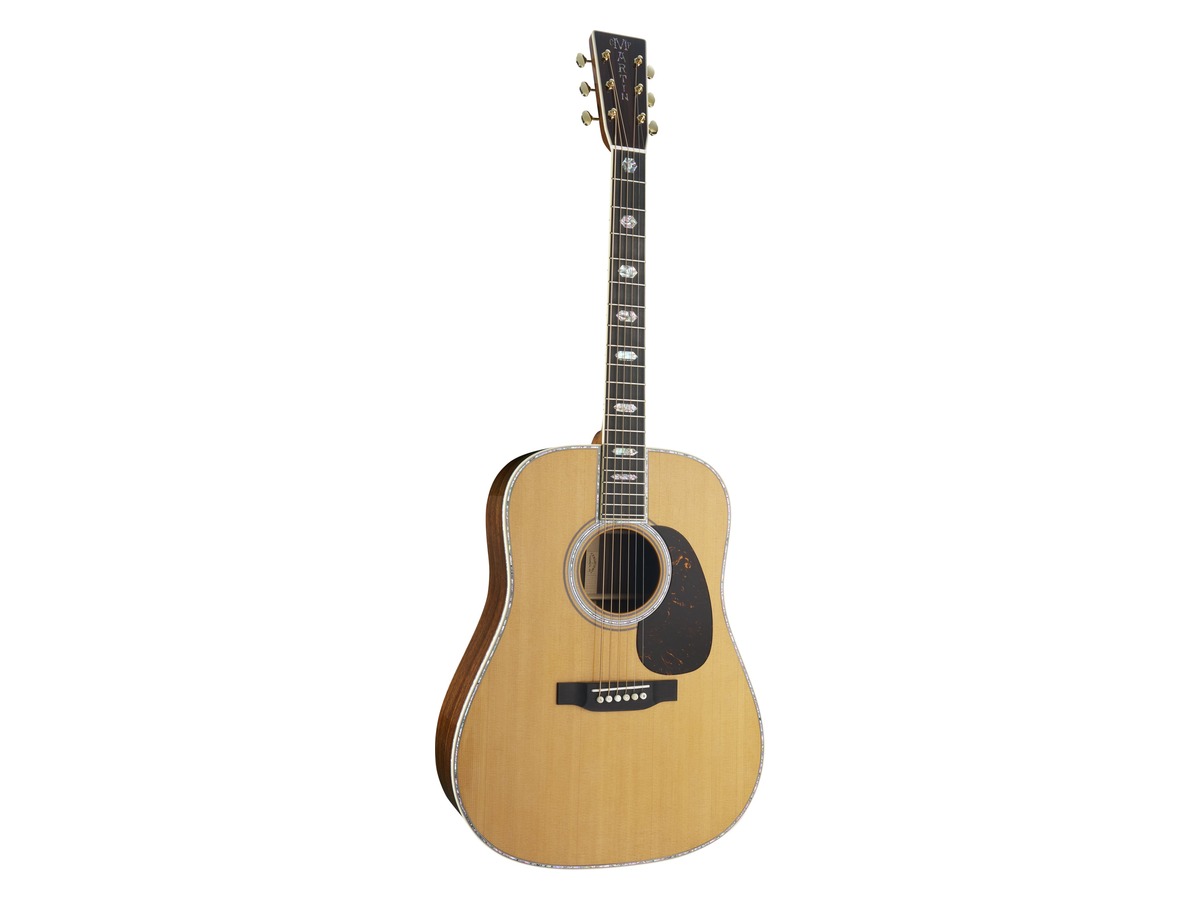
Martin 000-42
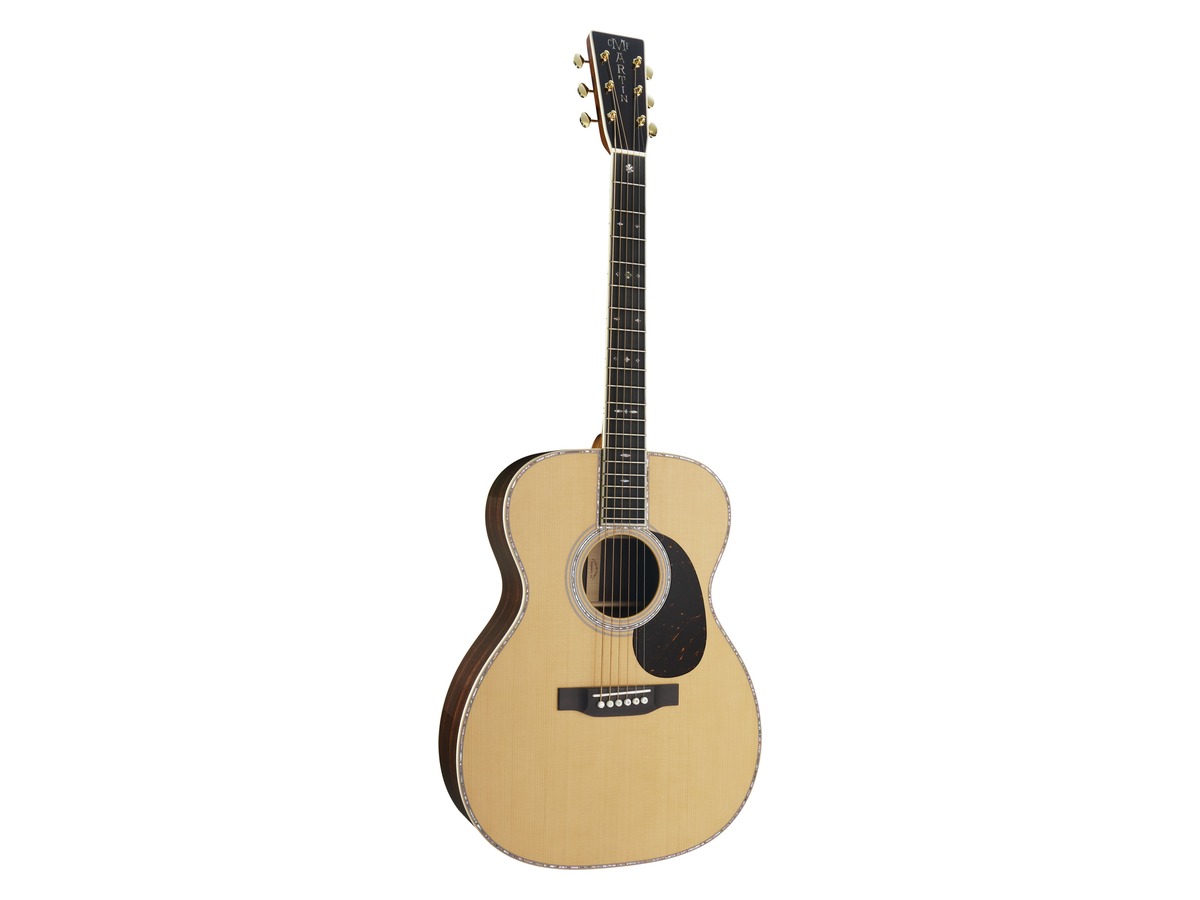
Martin OM-42
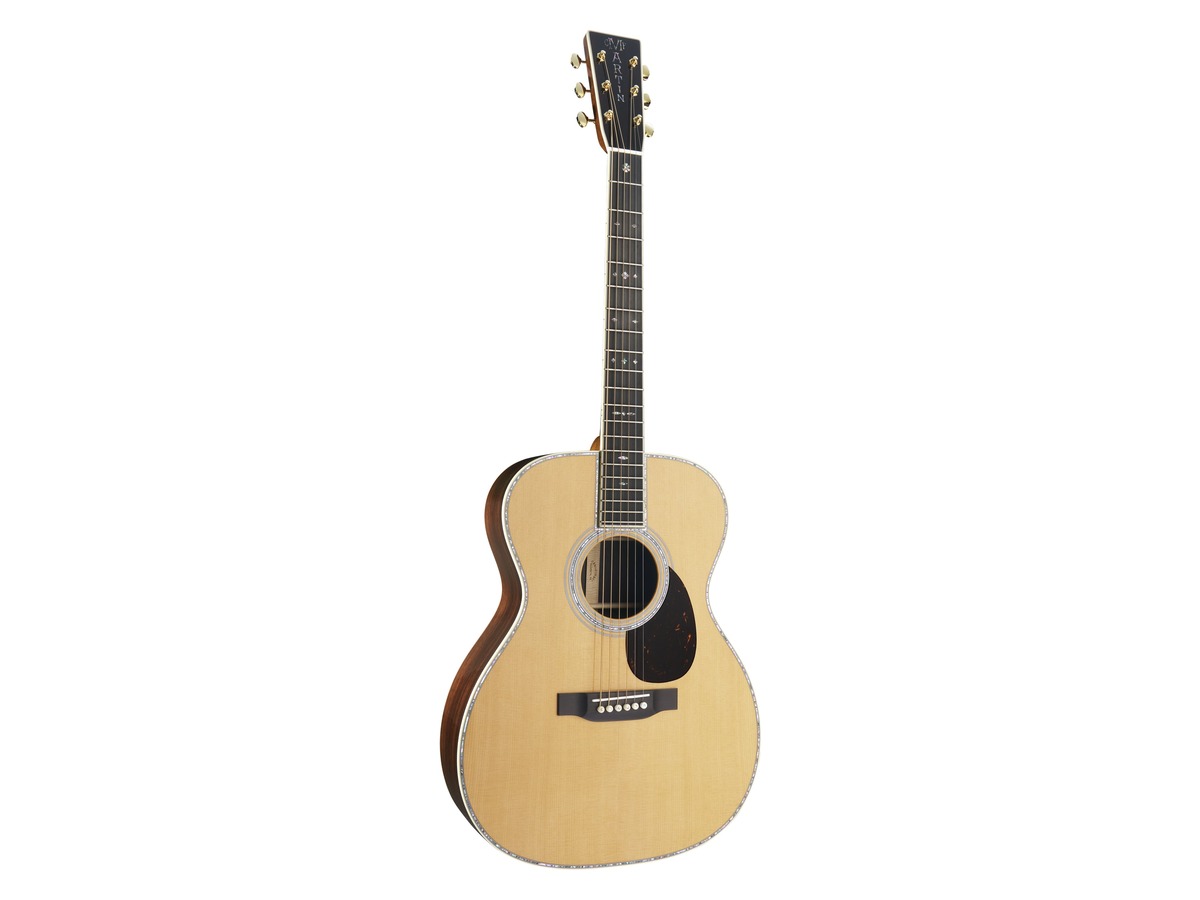
Martin D-18 Modern Deluxe
Martin D-28 Modern Deluxe
How to choose
If this is your first dreadnought, start with the No. 1 D-18 or No. 2 D-28 and decide whether you prefer mahogany's forward midrange or rosewood's wider bass. If you want a faster response, compare the No. 3 HD-28's scalloped bracing; if you want broader overtones, check the No. 4 D-35's three-piece back.
Decoration climbs through No. 6-8 (D-41, D-42, D-45), but the wood pairing barely changes from the D-28 or HD-28, so if tone is your priority, compare bracing and back construction before decoration tier. If you want a 000 or OM body, start with the scale difference between No. 9 000-42 and No. 10 OM-42; if VTS interests you, play No. 11 or 12 back to back with a standard D-18 or D-28.
These specs reflect the lineup as surveyed in August 2026 and details like bracing can change, so confirm the latest specs with an official channel or dealer before buying.
Frequently asked questions
Does a higher model number always mean a better guitar?
No. The model number marks decoration and wood tier, not a guarantee of better playability. Sometimes the number jump reflects a real wood change, as with D-18 to D-28, and sometimes it's purely decorative, as with D-41 to D-42 to D-45, so check the actual spec rather than assuming.
Is Modern Deluxe always a better choice than the standard line?
Not necessarily. VTS treatment is a different design approach aimed at mimicking an aged top's response, and it suits some playing styles and tunings better than others. Compare it directly against the standard line before deciding.
What else should I consider when buying a heavily decorated high-end model?
Detailed inlay and high-gloss finishes can be more sensitive to impact and humidity swings, so factor in a proper case and insurance. These specs reflect Martin's official lineup as surveyed in August 2026; bracing and other details can change, so confirm the latest specs before buying.
The D-28 and D-35 share the same wood — so what's different?
Same spruce-rosewood pairing, but the D-35 uses a three-piece back instead of the D-28's two-piece back. That construction difference is also said to shape the overtones, so it's worth comparing the two side by side.
What's the difference between the 000-42 and the OM-42?
Both use 42-series decoration and rosewood, but the body and scale differ. The 000-42 runs a 24.9-inch scale while the OM-42 runs 25.4 inches, closer to a long scale, which changes string tension and hand feel.
Is the difference between the HD-28 and D-28 clearly audible?
The wood pairing is identical, but the HD-28 adds scalloped bracing that lets the top vibrate more freely. Many players notice a difference in response speed and dynamic range when digging in, so it's worth comparing them in person.
Get new lists before anyone else
Once a week — only the new lists worth your time.
No spam · unsubscribe in one click
You may also like

Chasing Low B: Where 5-String Active Basses Actually Differ
Low-B pitch stability, active EQ boost headroom, and neck width and scale are what actually separate five-string basses.

From Practice Room to Band Stage: A First Bass You Won't Outgrow
From Squier to Yamaha and Ibanez, here are 10 beginner basses picked with neck and pickup choices that won't force a second purchase later.

Martin Dreadnoughts: What the Low End Actually Gives You for Rhythm
Across Martin's dreadnought lineup, wood pairing and bracing — not sheer volume — decide how the bass holds together under a hard strum.

000 or OM: Let Your Fingers Decide
Despite sharing the same waisted Auditorium shape, Martin's 000 defaults to a shorter scale and the OM to a longer one, a real difference in tension, string spacing, and chord reach.