
A metal guitar guide built around how fixed, Floyd Rose, and headless bridge systems affect tuning stability at lower tunings.
Shopping for a metal guitar usually starts with pickup output and humbucker count, but if you tune down regularly, bridge design is the more practical variable. Fixed bridges, Floyd Rose-style systems, and headless setups each trade off setup complexity against return-to-pitch stability in different ways.
This list compares guitars with similar scale length and fret count by bridge type and pickup style — passive, active, and coil-split. Ranking is based on where the low end starts to blur under heavy-gain palm mutes and fast riffing, and whether tuning holds after dropping down. If you play mostly dropped-tuning material, start with the headless models at #2 and #3; if you're new to setup, the simpler options at #1 and #6 are a safer start.
Selection Criteria
- Bridge type: how fixed, Floyd Rose, and headless designs affect drop-tuning stability
- Pickup style: gain response across passive, active, and coil-split configurations
- Scale length and fret count: string tension and hand stretch at lower tunings
- Setup complexity: time needed for string changes and tuning shifts
If you're planning to drop-tune, ask the shop about string gauge and setup range before buying. Prices and specs reflect research as of September 2026 and may change.
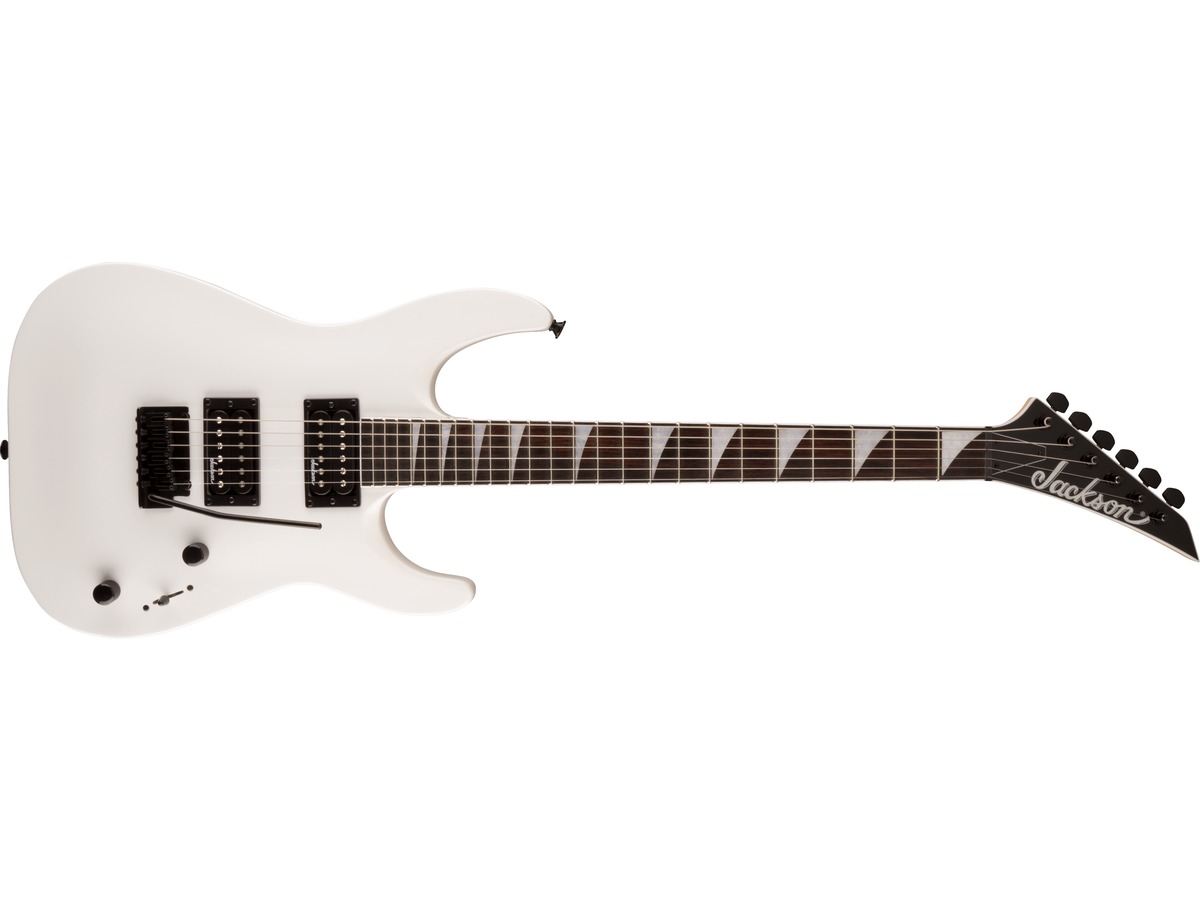
Jackson JS Series Dinky Arch Top JS22
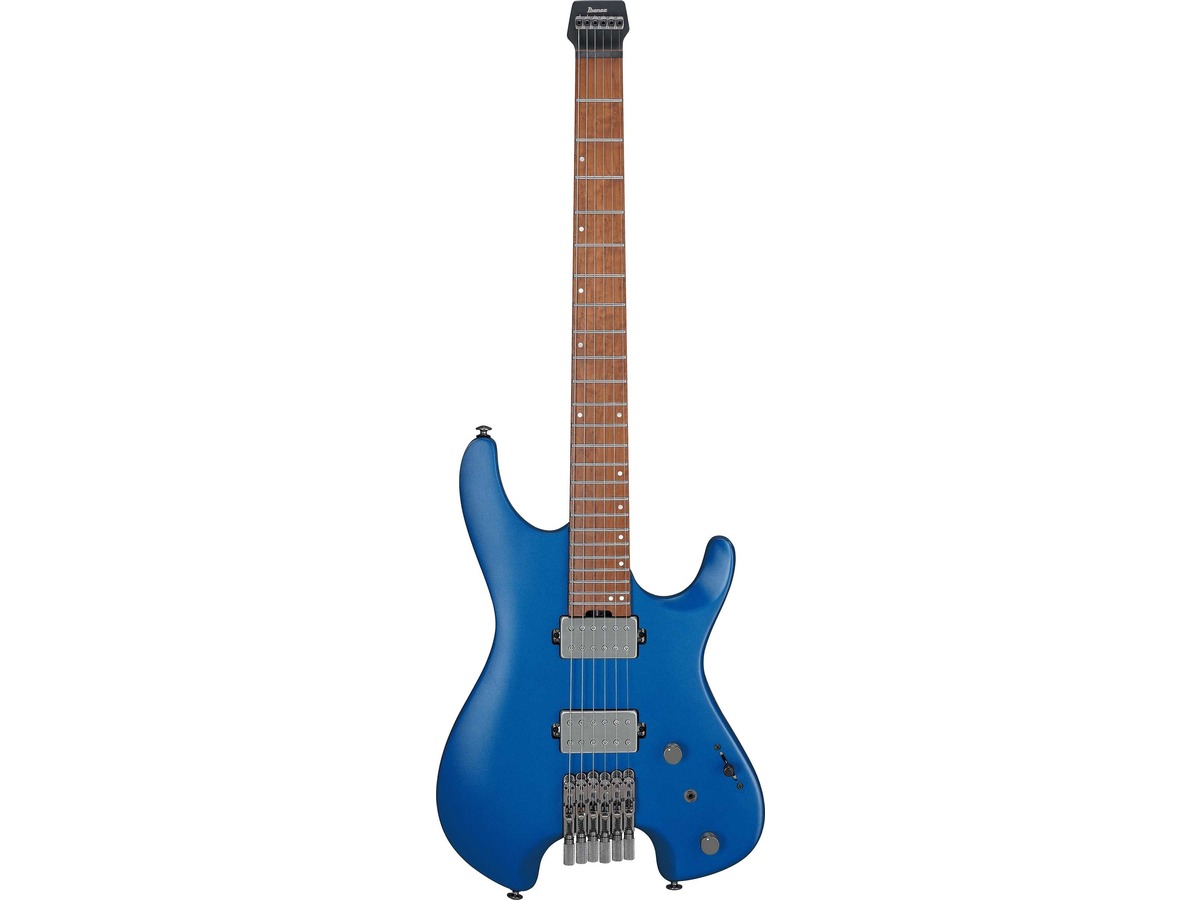
Ibanez Q52
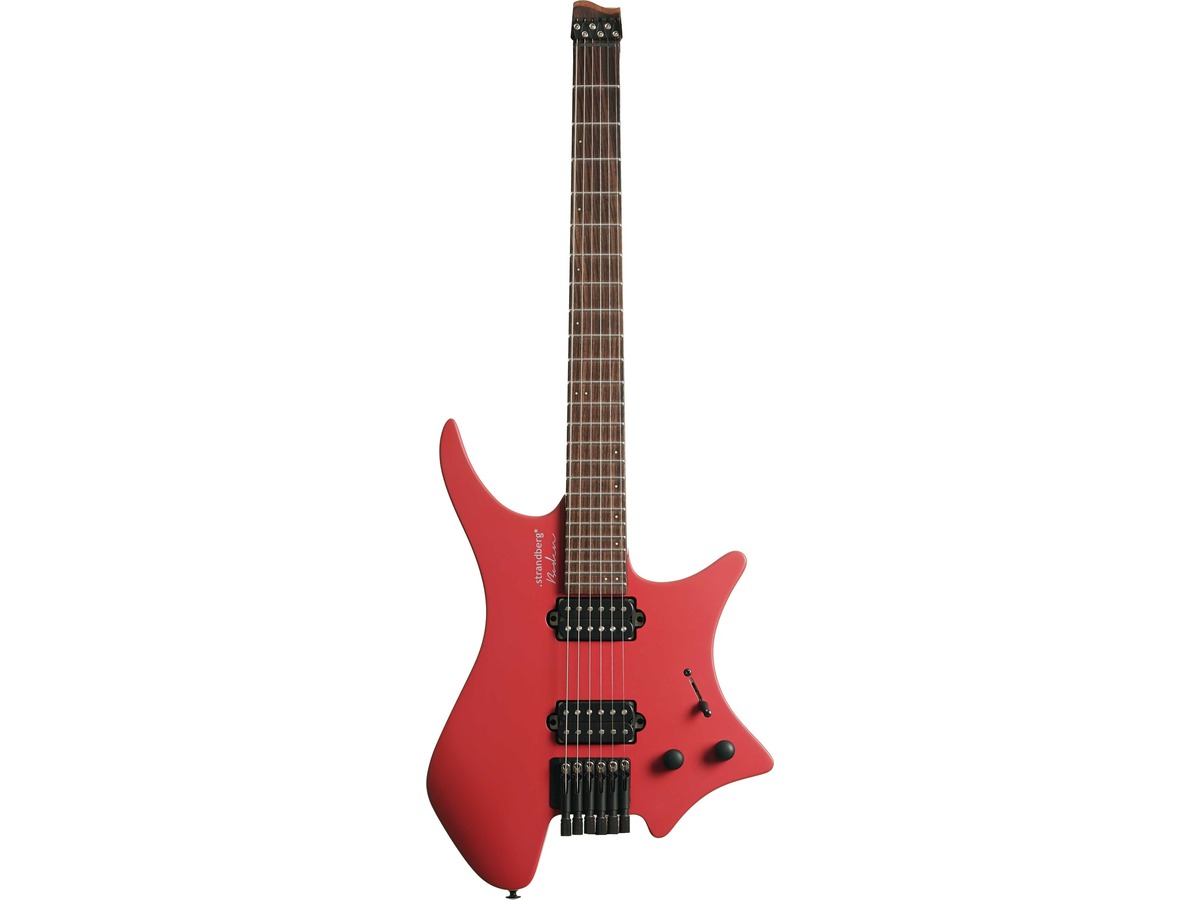
Strandberg Boden Essential 6
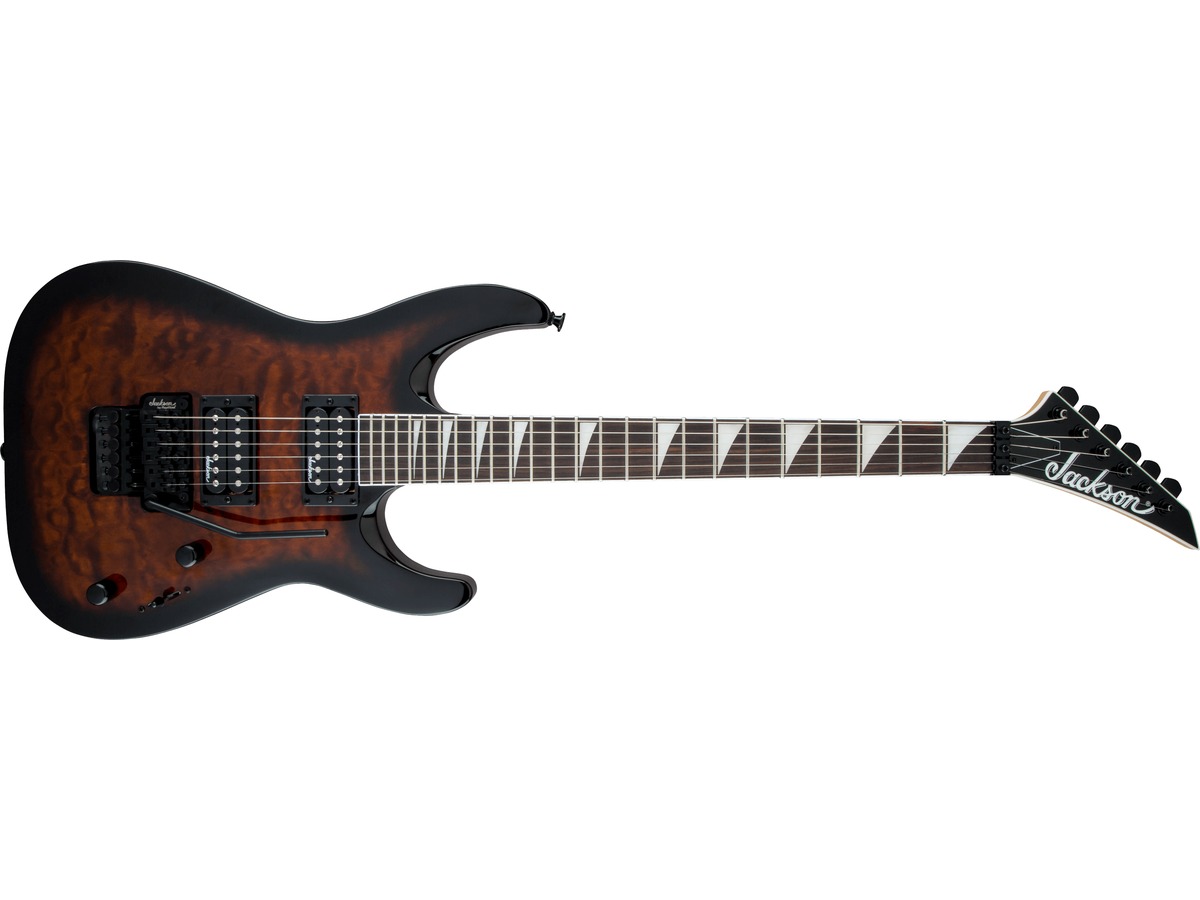
Jackson JS Series Dinky JS32Q DKA
Ibanez Premium AZ24P1QM
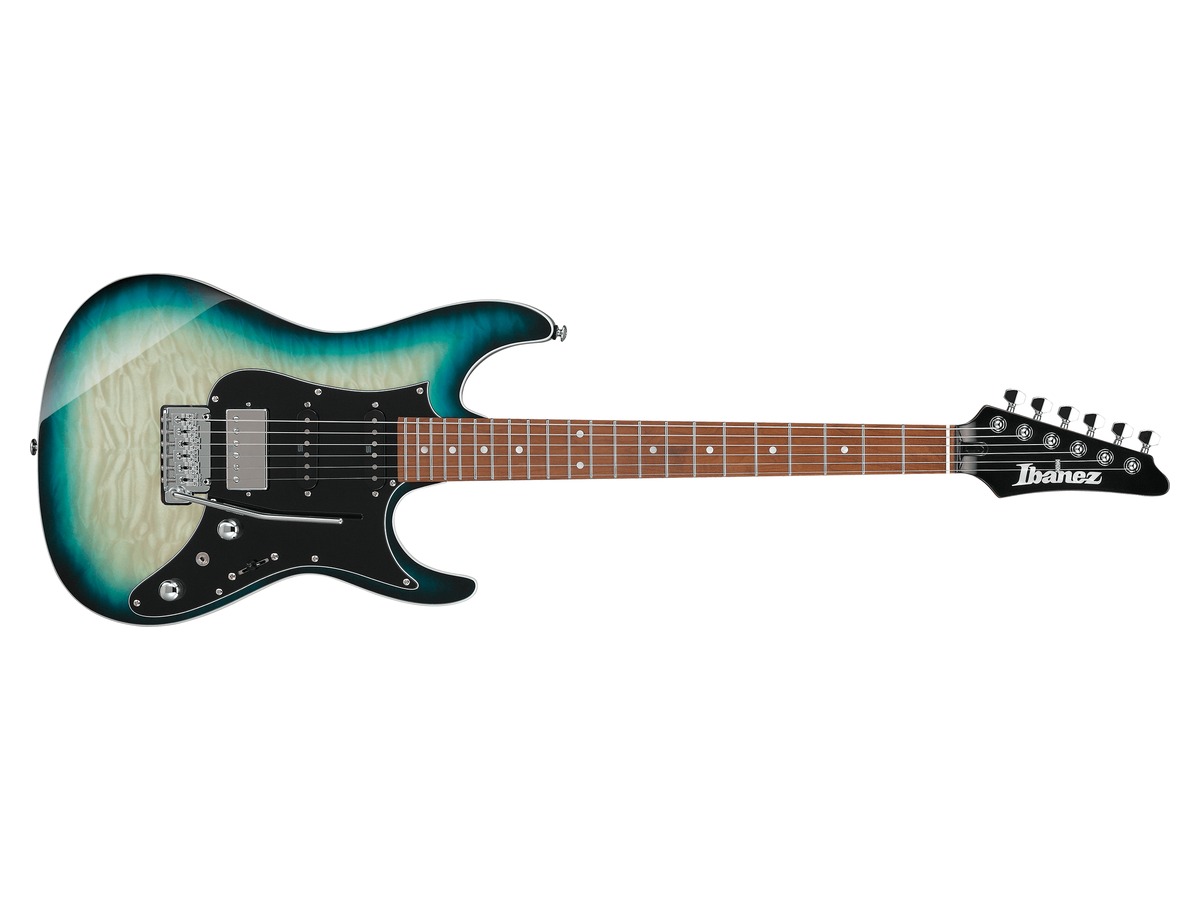
Schecter C-1 SLS Elite
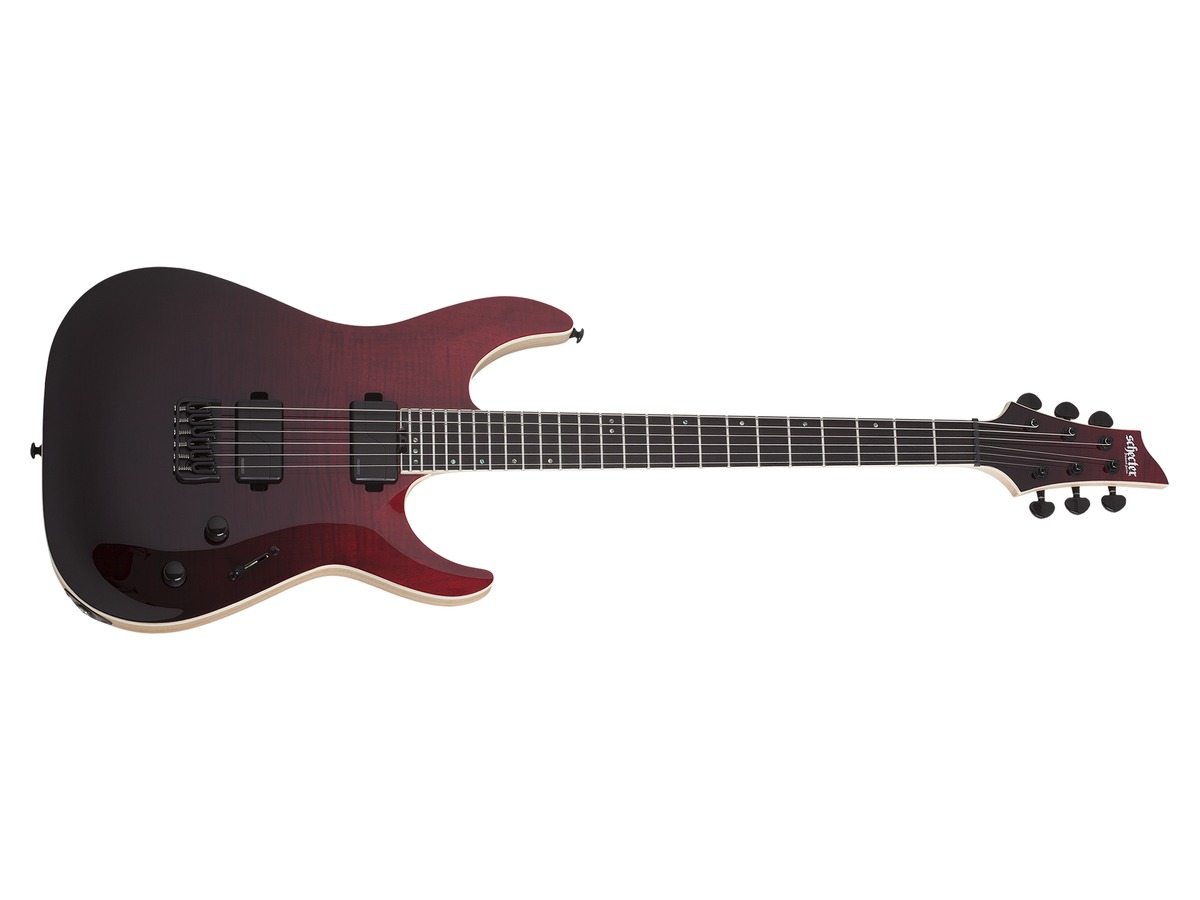
Charvel Pro-Mod DK24 HH 2PT CM
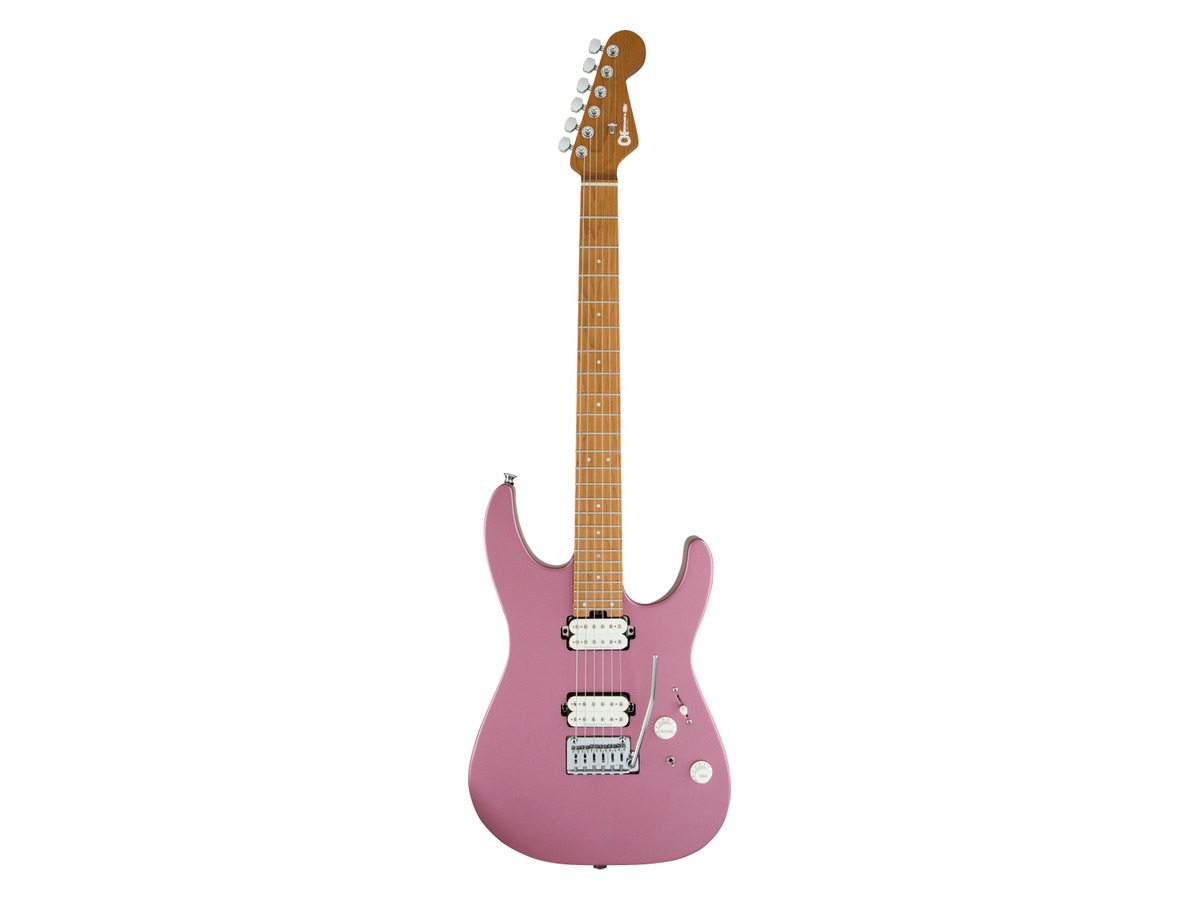
Ibanez Prestige AZ2402
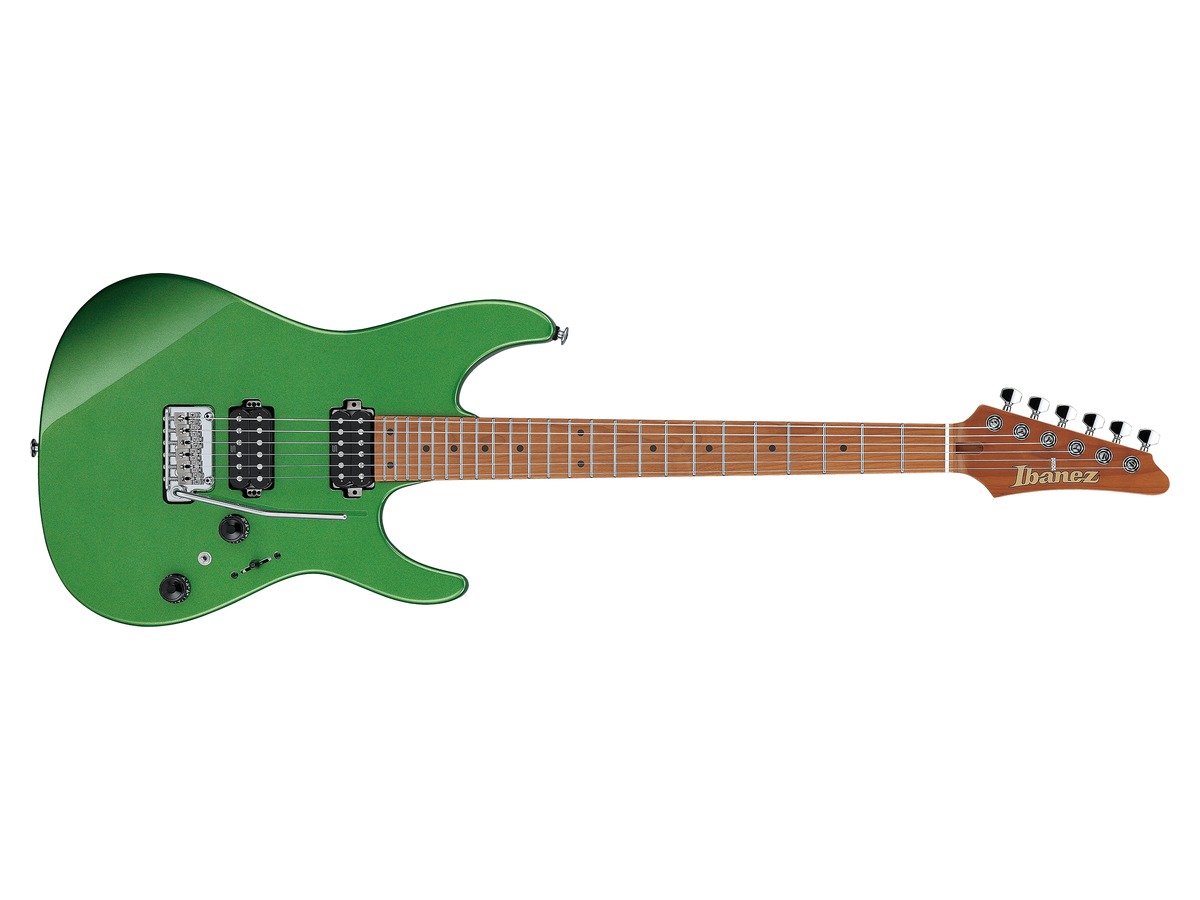
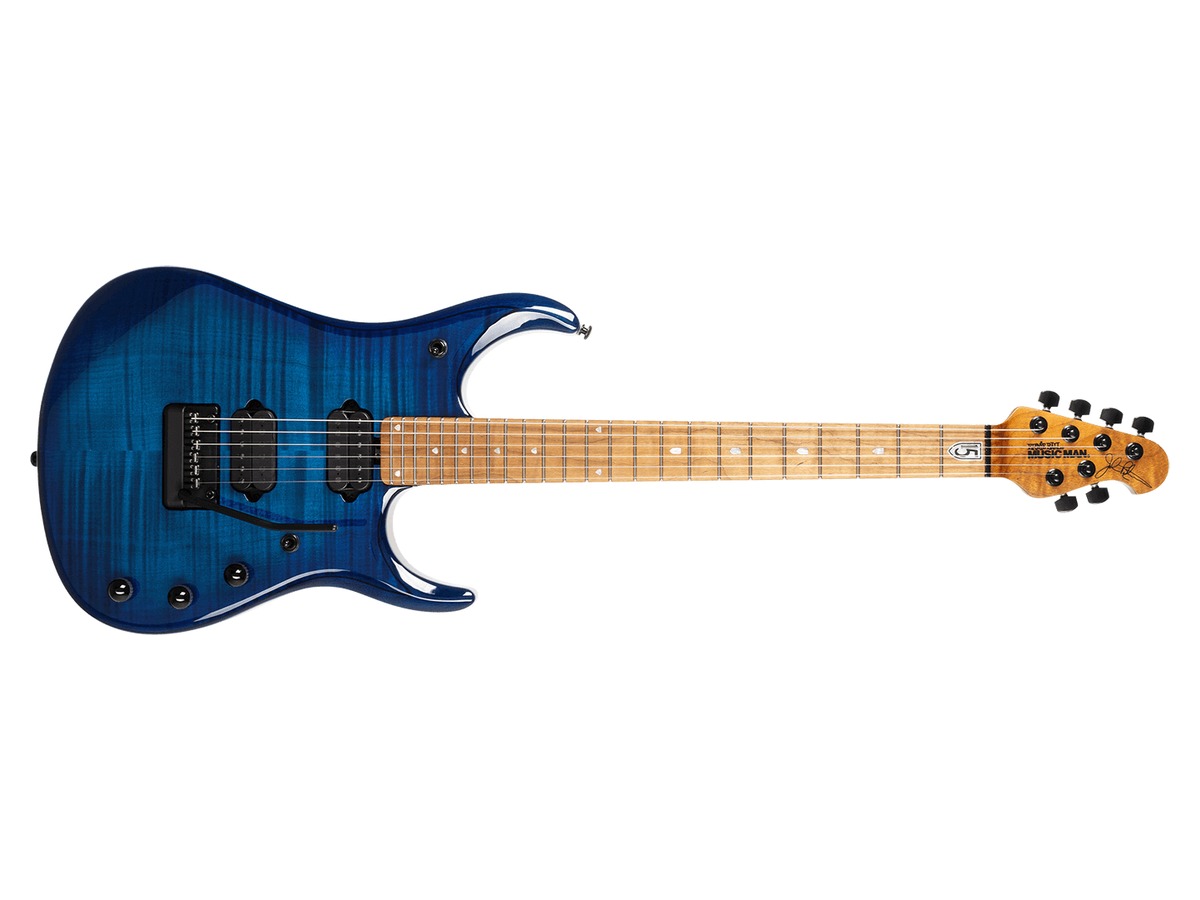
Ernie Ball Music Man JP15
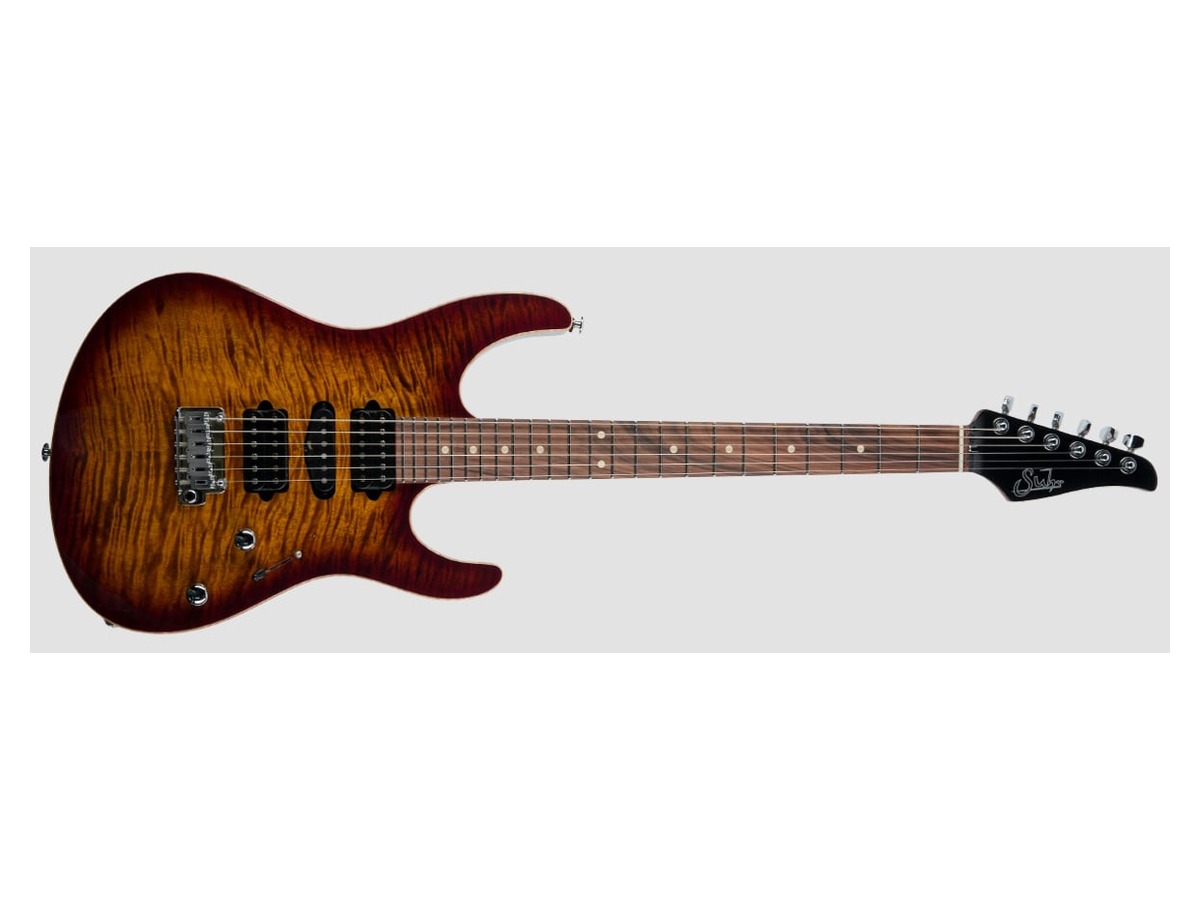
Suhr Modern Plus
How to Choose
New to guitar setup? Start with the simpler hardtail-style options at #1 or #6. Prioritizing drop-tuning stability? Look at the headless designs at #2 and #3; want tremolo use with solid return-to-pitch? Check #4 and #9.
When comparing, weigh bridge type, pickup style, and scale length together — picking on pickup output alone can mean discovering later that tuning slips more than expected in a dropped tuning.
Prices and specs reflect information at the time of research and may change, so confirm the latest specs and stock through an official channel or shop before buying.
Frequently asked questions
Does drop tuning always require a longer scale?
Not strictly, but it helps. A longer scale holds string tension better at lower tunings, though it also increases hand stretch, so check that it fits your hand size.
Is a Floyd Rose always worse than a headless system for stability?
Not necessarily — both have trade-offs. Floyd Rose systems are widely familiar with good parts availability, while headless designs offer a balance advantage from the missing headstock weight.
Are active pickups always better for metal than passive ones?
Active pickups tend to run quieter with more consistent compression, but passive pickups can deliver plenty clear a metal tone depending on amp and pedal settings. It comes down to preference and band context.
Do I need coil-splitting?
It's not essential, but it's useful if you want to move between full humbucker weight and a cleaner, single-coil-like tone on one guitar. If you play strictly metal, you may not miss it much.
Do I need heavier string gauges for lower tunings?
Generally yes — heavier gauges tend to hold tension better the further down you tune. Setup range varies by guitar though, so check with the shop or manufacturer before buying.
Get new lists before anyone else
Once a week — only the new lists worth your time.
No spam · unsubscribe in one click
You may also like

Fat Midrange or Sharp Attack: The Real Difference Between Precision and Jazz
P pickups bring a thick, blunt midrange and J pickups bring a clearer attack, so the right choice depends on genre and your role in the band.

Chasing Low B: Where 5-String Active Basses Actually Differ
Low-B pitch stability, active EQ boost headroom, and neck width and scale are what actually separate five-string basses.

From Practice Room to Band Stage: A First Bass You Won't Outgrow
From Squier to Yamaha and Ibanez, here are 10 beginner basses picked with neck and pickup choices that won't force a second purchase later.

Martin Dreadnoughts: What the Low End Actually Gives You for Rhythm
Across Martin's dreadnought lineup, wood pairing and bracing — not sheer volume — decide how the bass holds together under a hard strum.