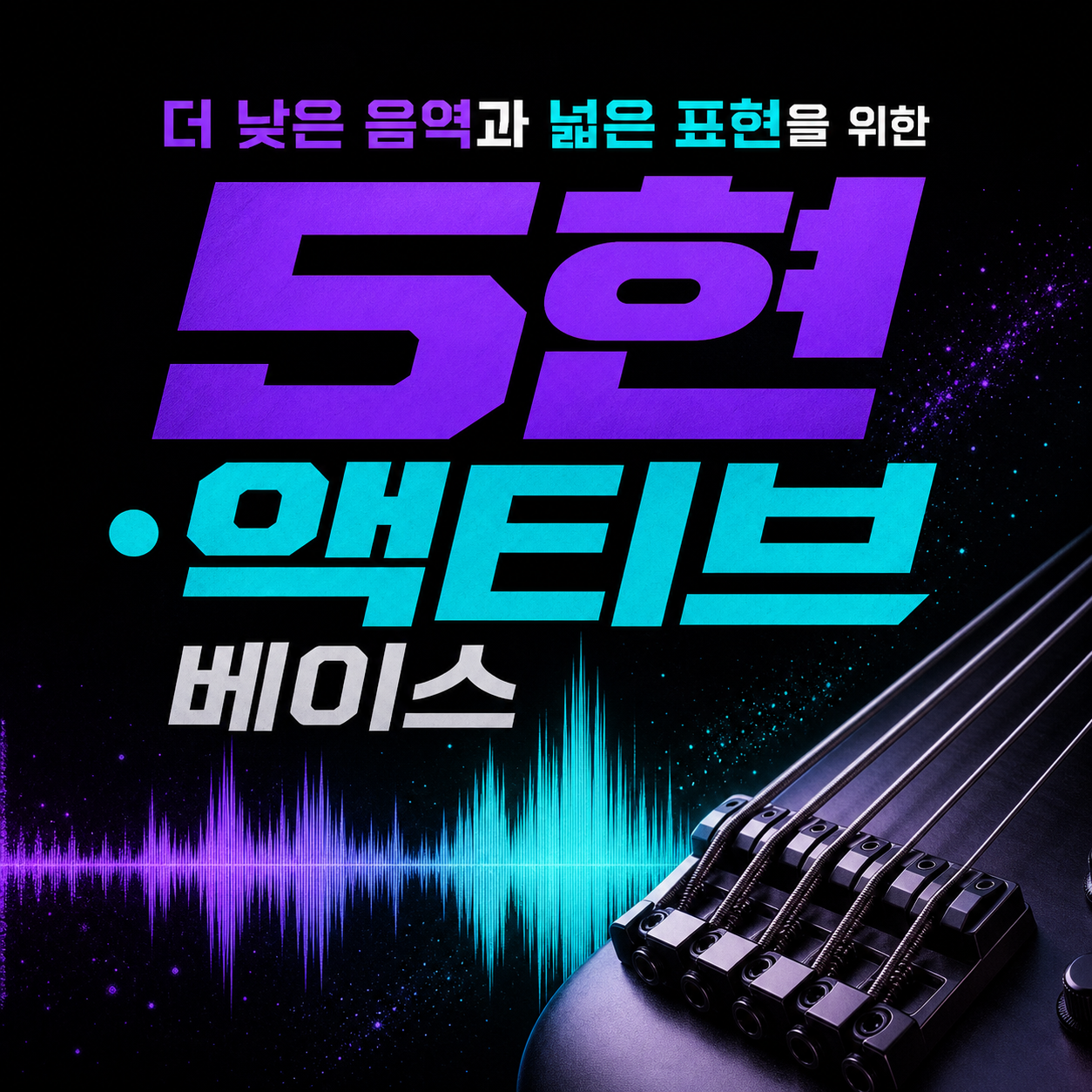
From Squier to Yamaha and Ibanez, here are 10 beginner basses picked with neck and pickup choices that won't force a second purchase later.
The most common mistake picking a first bass is judging only how easy it is today, not whether it'll still work once you join a band. An instrument fine in the practice room can hold you back the moment a band needs a solo section or more low end, and replacing it later isn't cheap.
This list runs from simple Squier models good for starting out to instruments with a 24-fret neck or active electronics built in for whatever a band needs later. Each entry notes whether its strength leans beginner or band stage.
How these were chosen
- Priority went to the standard 34-inch scale and brands easy to find locally.
- Neck width, fret count, pickup type (passive or active), and weight balance were all considered.
- Ranked by how well it carries you from beginner to band, not by tone alone.
- Want the simplest start: #1. Planning for band use: #3, #8. Smaller hands: #5, #10.
01
This is about the simplest P bass configuration out there, just a volume knob and a tone knob, so there's little room for a beginner to get lost in controls. Large, clear fret markers make it easy to track finger position by eye, and because it uses the standard 34-inch scale, switching to another bass later won't mean relearning string spacing or fret distances. It's a solid fit for anyone who wants to lock down finger position and timing before worrying about tone, so check the neck thickness and string height in person before buying.
02
Pairing a P pickup with a J pickup on one instrument means a beginner can hear the difference between the two from day one. The P side delivers a thick, rounded low end while the J side is brighter and better suited to slap, so once you're in a band, switching genres often just means adjusting the pickup blend knob. It works well for beginners covering a wide range of rock and pop material, and it's worth turning that blend knob in the store to make sure it moves smoothly.
03
The neck runs all the way to 24 frets, so once you've moved past the basics and a band calls for a solo or high-position playing, the neck won't hold you back. Light overall weight and a narrow neck ease the wrist strain a small-handed beginner feels while first learning chord shapes, and the passive pickup setup keeps the controls simple. It's an especially good fit if you have a smaller frame or find long stretches of standing practice tiring, so try it on with a strap first to feel the balance.
04
The BB line's long-standing reputation for solid build quality carries over even to its entry-priced models, which is why it keeps coming up as a first instrument people stick with for years. The passive P+J combination keeps the knobs simple, so early practice sessions can focus on rhythm and hand position rather than tone-chasing, and the neck is a moderate thickness that doesn't rule out most hand sizes. It suits beginners who want to build solid fundamentals rather than chase one genre, so check the neck setup before you commit to buying.
05
A thin, narrow neck in the SR family is a shape that keeps coming up as a beginner recommendation because it reduces wrist strain while fretting chords or shifting position. A Phat II EQ is onboard, giving the passive electronics a bit more headroom to push the low end than you'd otherwise get, which comes in handy later if a band mix needs more bass presence. It's especially suited to beginners with smaller hands who find thicker necks tiring, and it's worth checking for noise when the EQ boost is dialed in.

06
This model's Talman-style body puts weight where it needs to be, so it won't tip toward the headstock when you're standing and playing with a strap on. A 2-band EQ keeps things simple to operate while still leaving room to nudge the bass and treble to fit a band mix, and the classic body shape blends into just about any genre a band might play. It suits beginners who want a stable playing posture through long practice sessions, so take a look at the finish where the neck meets the body before buying.

07
This is one of the few basses at entry pricing that reaches a full 24 frets, so practicing mostly in low positions early on leaves plenty of room to grow once a band needs you to cover a solo section. Powersound pickups put out a fairly neutral P+J-style tone that works across genres without leaning too hard in any one direction, and the light body keeps long practice sessions comfortable. It's a good fit for beginners who want room to try a wide range of genres early.
08
Despite being an entry-line model, this one carries active electronics, letting you push bass or treble on the fly during band rehearsal, which sets it apart from most other beginner picks. Because it runs active, building the habit of tracking battery life matters from the start, since a dead battery can cut the sound out completely and catch you off guard mid-set. It suits beginners who want to actively shape their tone, so learn how to swap the battery before you actually need to.

09
This is the budget entry in a signature line, but the way the pickups sit and the neck is shaped closely mirrors the pricier models, so moving up within the same brand later takes little re-adjustment. The circuit is passive, which keeps things simple at the beginner stage, and the neck profile is shaped to favor slap technique specifically. It's a strong fit for beginners drawn to funk or slap styles, so press on the neck and strings yourself to feel the tension before deciding.
10
A 30.3-inch scale, shorter than the standard length, is paired with two mini humbuckers here, built around a weight and string tension that's comfortable for a smaller-framed beginner to hold from the very first session. The humbuckers' thick, warm tone suits a vintage-leaning band sound well, but it's worth noting that fitting into a band alongside standard-scale instruments can require a short adjustment period for the different fret spacing. It's worth a look for beginners who found a standard-size bass too much to handle.
How to Choose
If not confusing your hands matters most at the start, begin with #1. Planning for solos or high-position playing in a band? #3 or #7's 24-fret necks hold up better. Want to boost bass on the spot? Look at #8.
Smaller-handed beginners might prefer #5's narrow neck or #10's shorter scale, though a different scale can mean an adjustment period playing alongside standard-scale basses later.
Prices and specs change, so check the retailer or official store again before buying.
Frequently asked questions
What's the simplest beginner bass on this list?
The Squier Sonic Precision Bass has just volume and tone knobs, the simplest possible P bass setup, leaving little room for a beginner's hands to get confused.
Which model prepares me for solos in a band later?
The Yamaha TRBX174 and Cort Action Bass Plus both reach a full 24 frets, so high-position playing won't be limited by the neck once a band needs it.
What suits a beginner with smaller hands?
The Ibanez GSR200's slim, narrow SR neck eases wrist strain, and the Gretsch G2220's 30.3-inch scale is shorter than standard, both suiting a smaller-framed beginner.
Is there a beginner bass with active electronics?
Yes, the Sterling by Music Man StingRay Ray2 is an entry-line model with active electronics, letting you boost bass or treble on the spot. It does require some battery upkeep.
Does a shorter-scale bass cause problems later?
The Gretsch G2220's shorter-than-standard scale is comfortable to hold at first, but playing alongside standard-scale basses in a band may take some adjustment to the different fret spacing.
Is there a beginner model built with upgrading in mind?
The Sire Marcus Miller V3P is a budget entry in a signature line, with pickup placement and neck shape close enough to the higher models that moving up later needs little re-adaptation.
NEWSLETTER
Get new lists before anyone else
Once a week — only the new lists worth your time.
No spam · unsubscribe in one click
This page contains affiliate links. We may earn a commission from qualifying purchases.