
A jazz guitar guide built around how body construction — full hollow, semi-hollow, or solid — shapes comping resonance and feedback headroom.
Ask what makes choosing a jazz guitar confusing, and it usually comes down to body construction. Full hollow, semi-hollow with a center block, or fully solid — the choice shapes how much resonance you get and how far you can push amp volume before feedback kicks in. Add in neck thickness and pickup type (humbucker, P-90, Filter'Tron) and specs alone stop telling you much about the actual sound.
How we picked
- Resonance and feedback headroom by body construction (full hollow / semi-hollow / solid)
- Neck-pickup comping tone and how clearly inner chord voices separate
- Attack and upper-fret access for single-note lines
- Fit with playing context (small ensemble vs. loud stage)
This ranking arranges ten guitars against those criteria. Listen to the base clean tone before darkening the amp EQ, then play major seventh or extended chords to check whether inner voices stay distinct. Specs reflect research as of September 2026 and may vary by retailer.
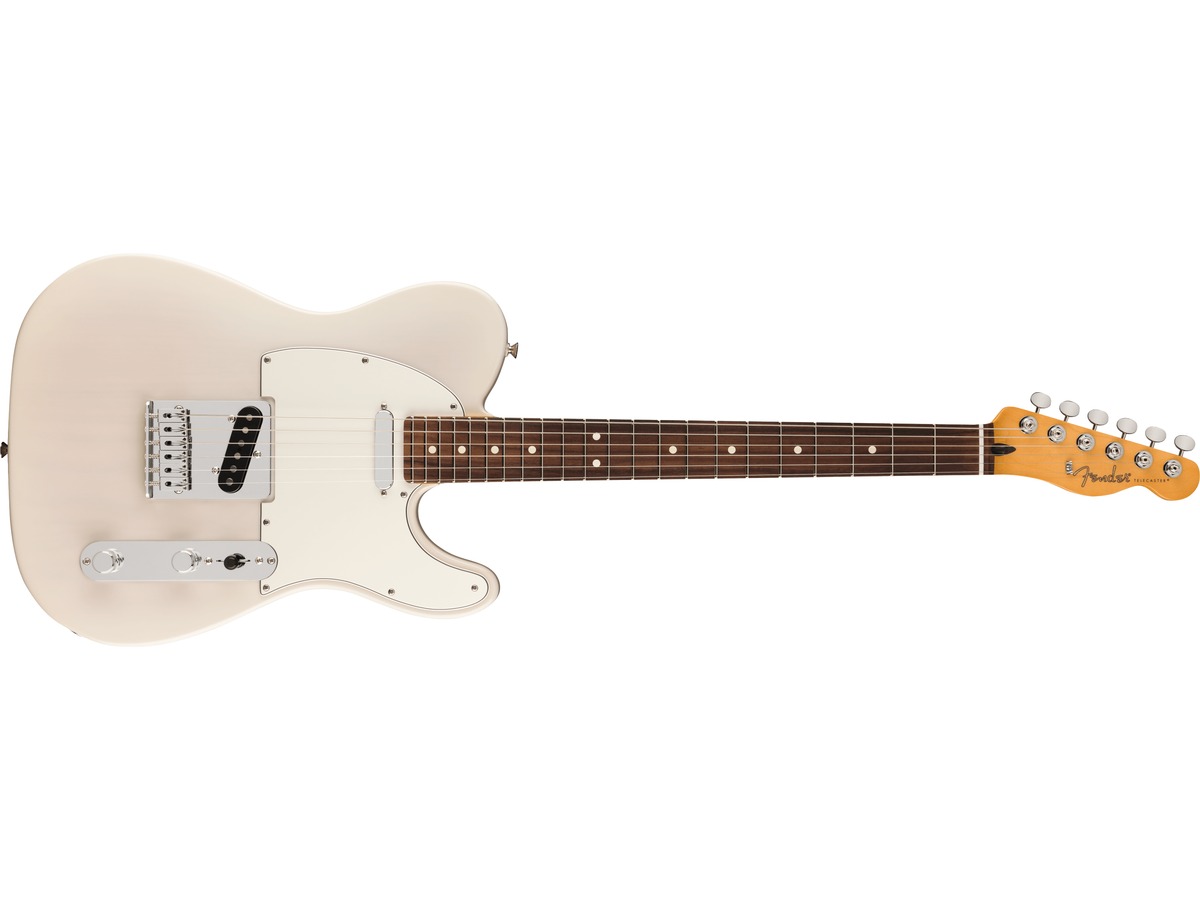
Fender Player II Telecaster
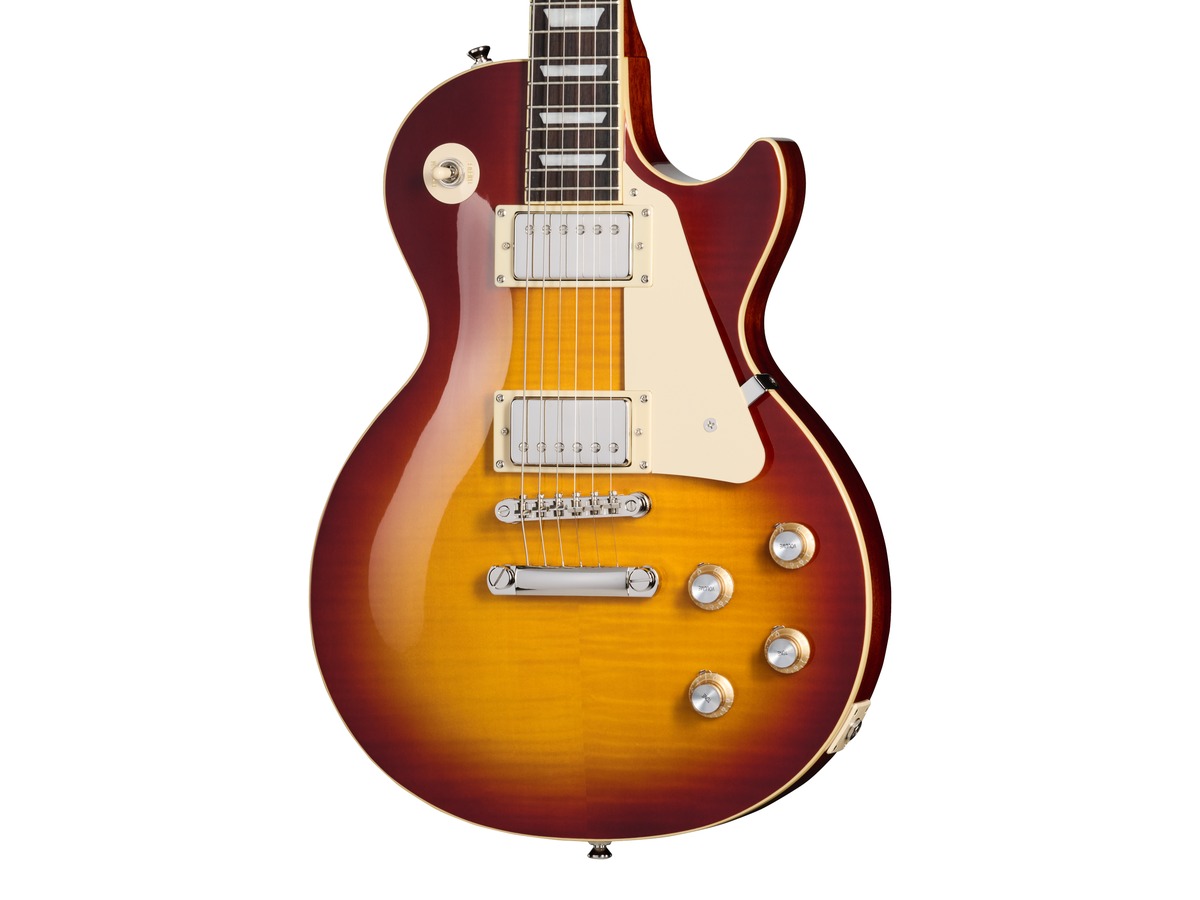
Epiphone Les Paul Standard 60s
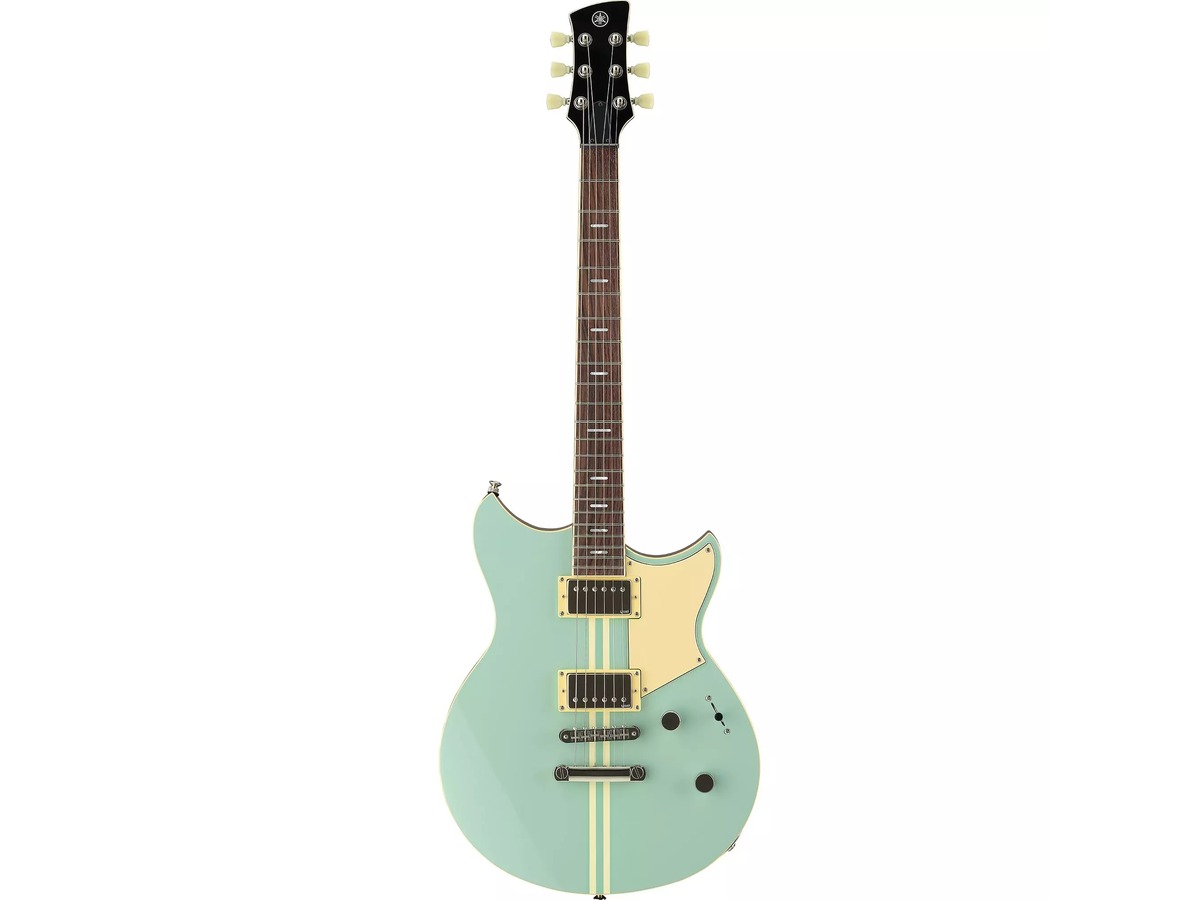
Yamaha Revstar Standard RSS20
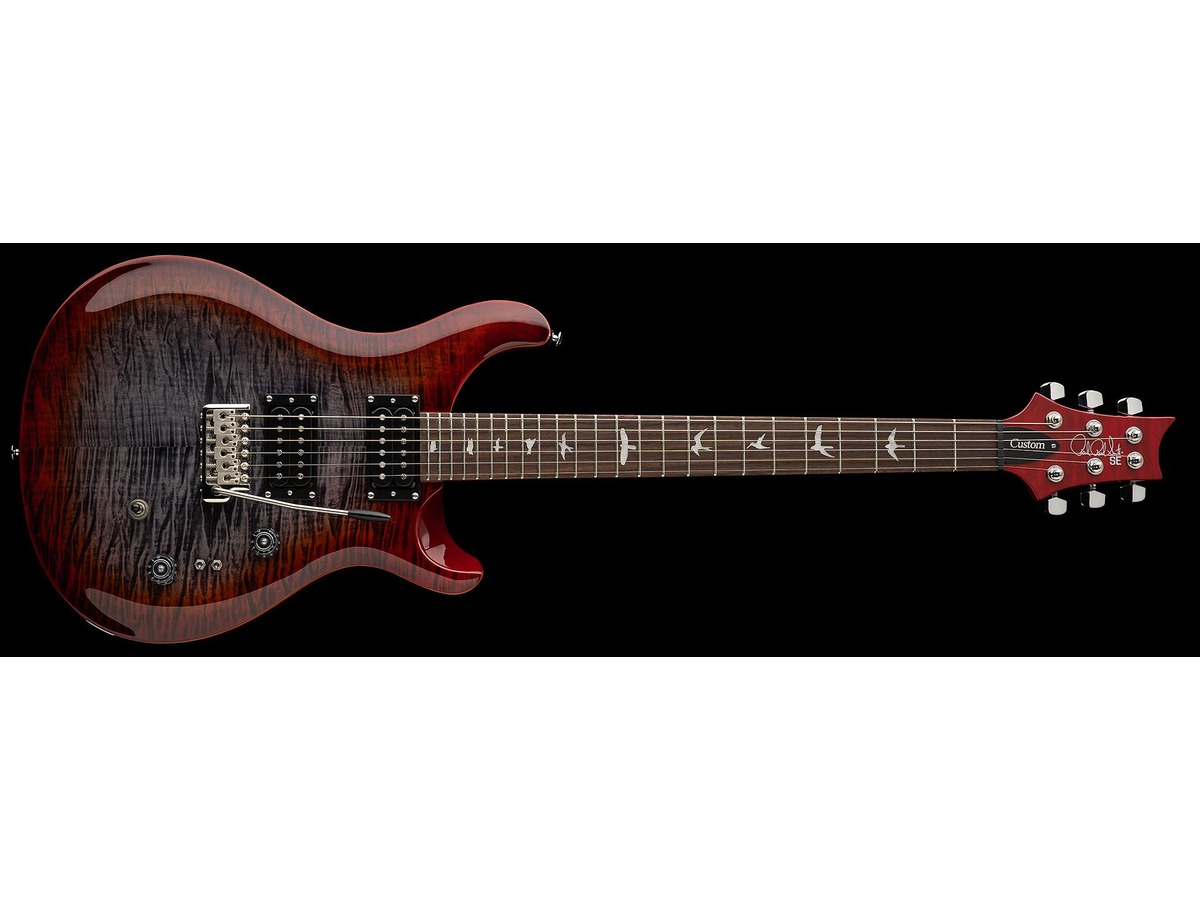
PRS SE Custom 24-08
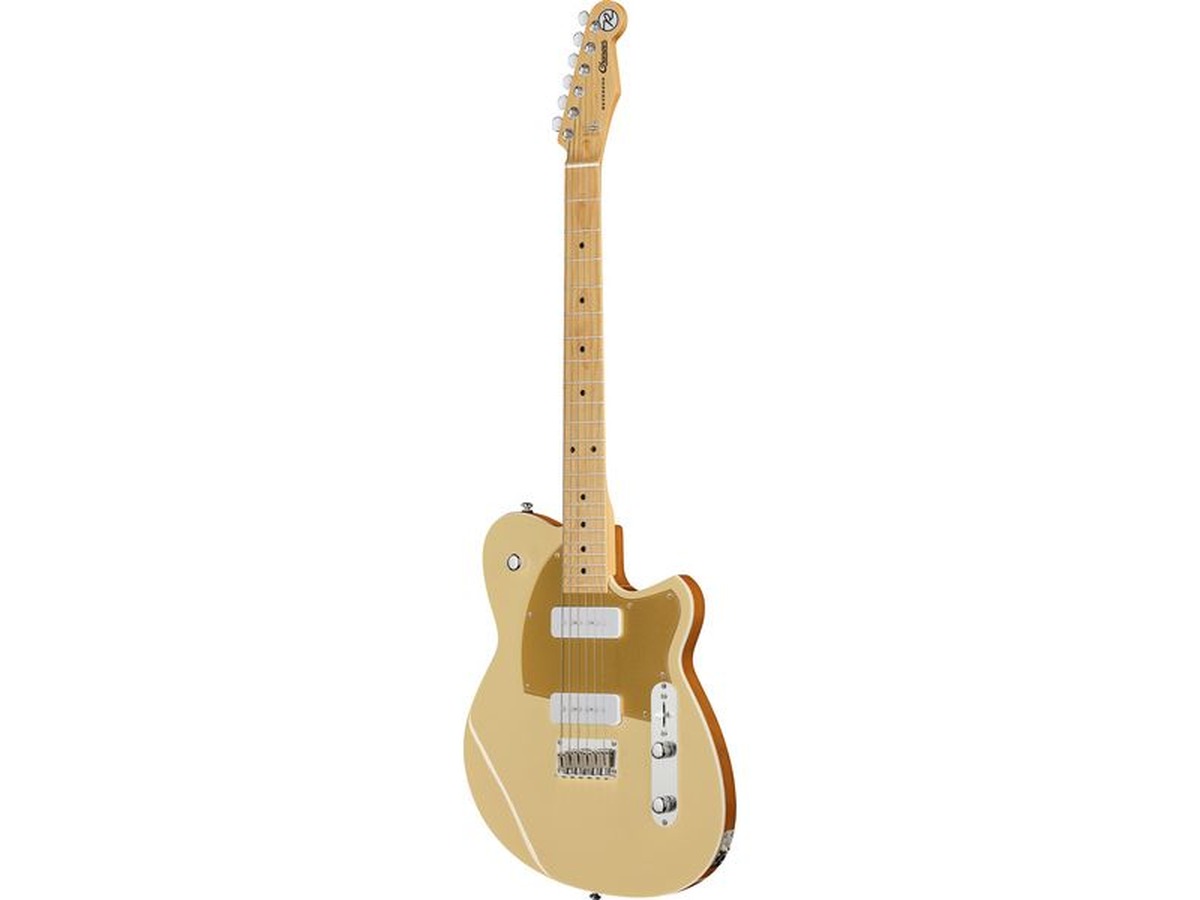
Reverend Charger 290
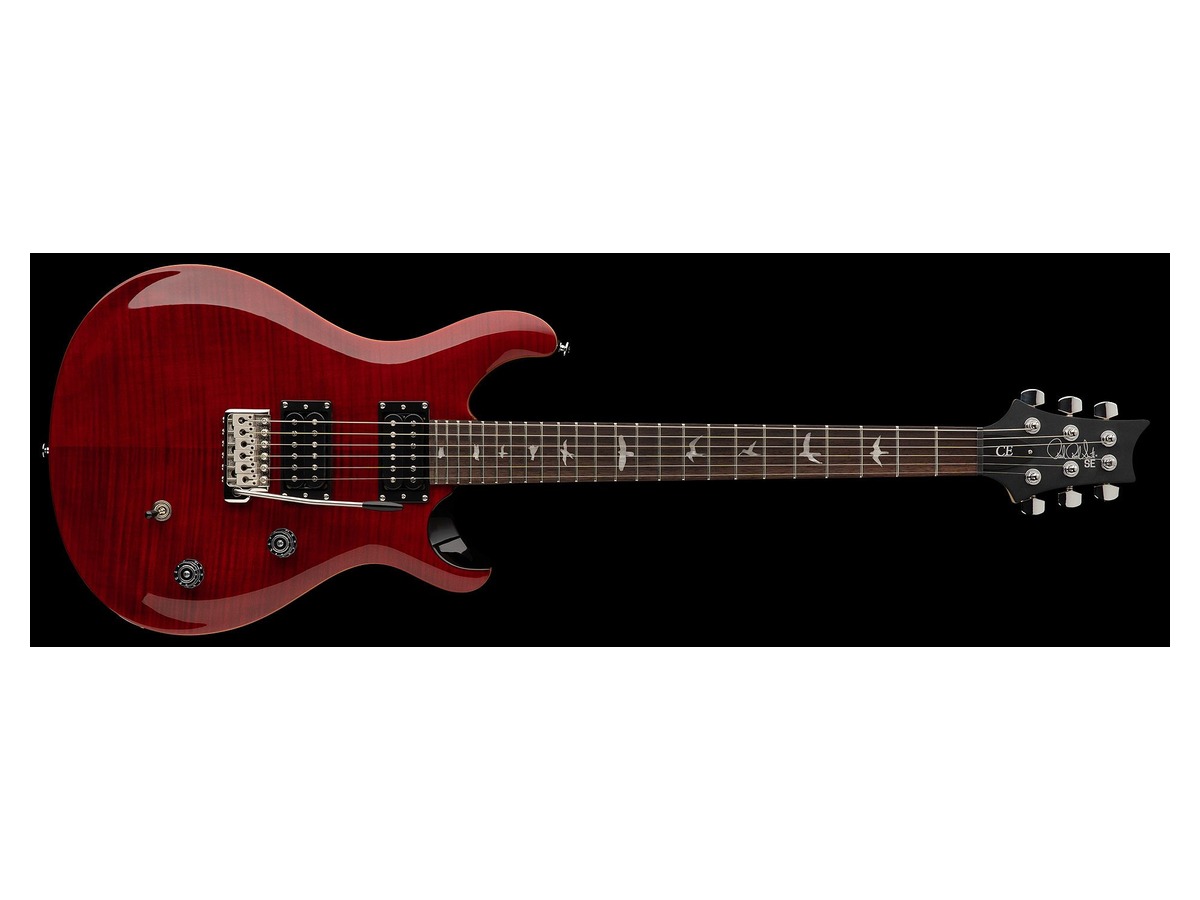
PRS SE CE 24
Gibson ES-335
Ibanez AF95
Ibanez GB10
Gretsch G5420T Electromatic Classic Hollow Body
Matching a guitar to the gig
If you need to push volume on a loud stage, a solid body like the #1 Telecaster or #2 Les Paul carries the least feedback risk. If you're playing a small club or lower volumes and want that natural wood resonance, a full hollow like #8 or #9 fits better, and the #7 ES-335, with its center block, splits the difference.
When comparing models, check body construction before pickup type, then play the neck pickup yourself to hear whether inner chord voices separate cleanly — that tells you more than a spec sheet.
Details here reflect the time of research and may change, so confirm current specs through official channels first.
Frequently asked questions
Does jazz always call for a full hollow body?
Not necessarily. A full hollow body sounds great at low volume, but push the amp louder and you'll need to manage feedback more carefully. A semi-hollow or solid-body guitar can actually be the more stable choice.
Can the neck pickup alone cover a jazz tone?
The neck pickup is the traditional starting point for comping and single-note lines, but depending on the tune, the bridge or middle position might suit better. It's worth comparing a few positions while adjusting the tone knob.
Is it fine to switch to flatwound strings?
Yes, that's a common choice. Just keep in mind a different string gauge may require nut slot and neck relief adjustments, so check with the shop about setup options before buying.
What's the real difference between semi-hollow and solid body?
A semi-hollow's center block aims for solid-like stability alongside some of that hollow-body resonance. A solid body carries the least feedback risk, but its wood resonance can feel thinner than a hollow-construction guitar's.
Do I need a 24-fret neck for jazz?
It's not essential, but it helps if you often play bebop-style single-note lines in the upper positions. If your focus is mostly traditional comping, a 20-fret-range neck is often plenty.
Get new lists before anyone else
Once a week — only the new lists worth your time.
No spam · unsubscribe in one click
You may also like

Chasing Low B: Where 5-String Active Basses Actually Differ
Low-B pitch stability, active EQ boost headroom, and neck width and scale are what actually separate five-string basses.

From Practice Room to Band Stage: A First Bass You Won't Outgrow
From Squier to Yamaha and Ibanez, here are 10 beginner basses picked with neck and pickup choices that won't force a second purchase later.

Martin Dreadnoughts: What the Low End Actually Gives You for Rhythm
Across Martin's dreadnought lineup, wood pairing and bracing — not sheer volume — decide how the bass holds together under a hard strum.

000 or OM: Let Your Fingers Decide
Despite sharing the same waisted Auditorium shape, Martin's 000 defaults to a shorter scale and the OM to a longer one, a real difference in tension, string spacing, and chord reach.