
A guide that treats how cleanly 16th-note cutting and mutes come through as a bigger factor than pickup specs alone.
When shopping for a funk guitar, it's tempting to start with amp gain or brand name, but what actually decides the groove is how a short note ends. A 16th-note cutting pattern reads as tight rhythm only when the mute after each note is as clean as the attack itself. This list was built around how single-coil, HSS, and coil-split configurations each shape that moment of release differently.
The ranking below is a starting point for comparison, not a fixed hierarchy. If you're just learning to cut, start with the simpler setups at picks 1 and 2; if your rhythm parts keep getting buried in a full band mix, check out picks 4 and 9, which lean toward a firmer midrange. Turn down reverb and gain on your own amp and run through 9th chords, octaves, and muted strokes to hear how each pickup position actually responds.
What we looked at
- How clearly the cutting attack survives on bridge-plus-middle pickup combos
- How quickly the sustain clears after a muted stroke
- Whether coil-tap or coil-split widens the available tonal range
- Whether the midrange holds up against bass and keys at band volume
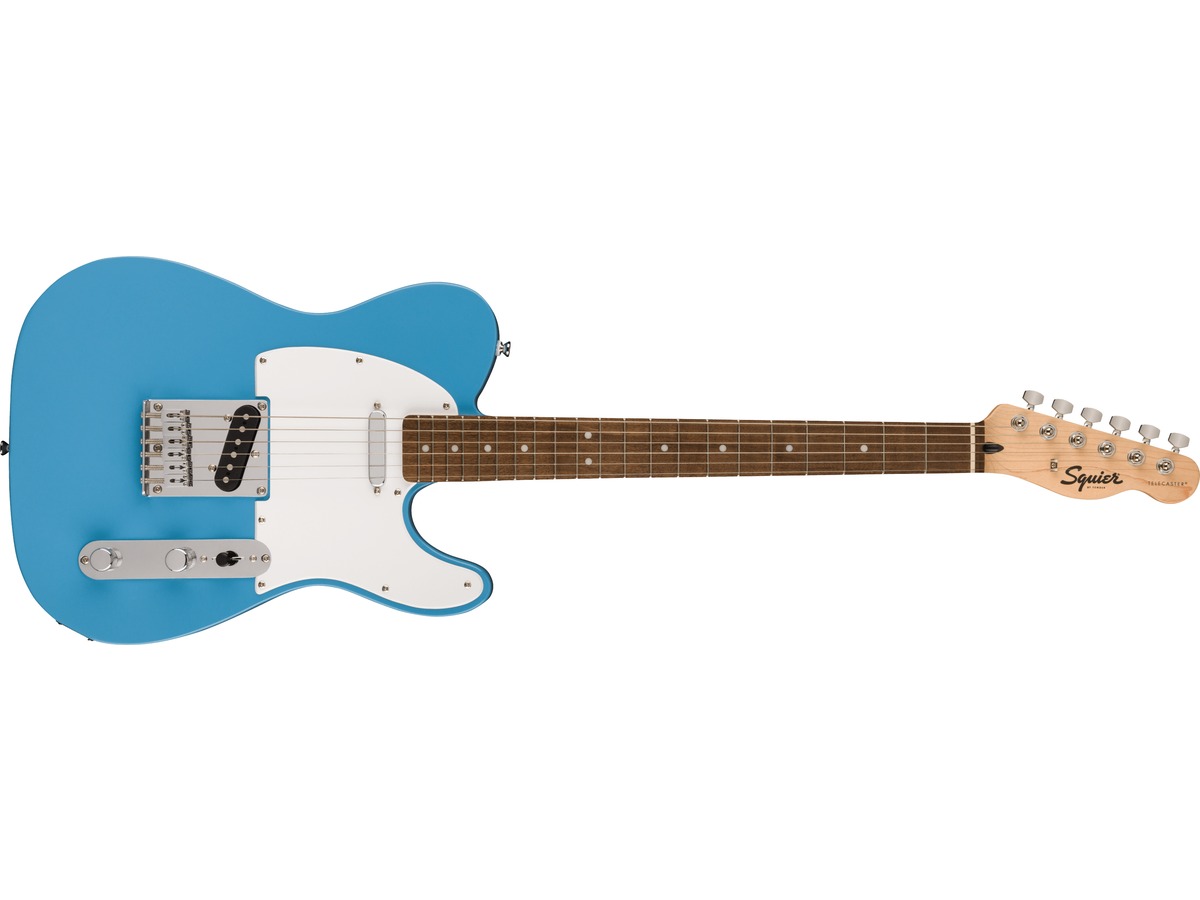
Squier Sonic Telecaster
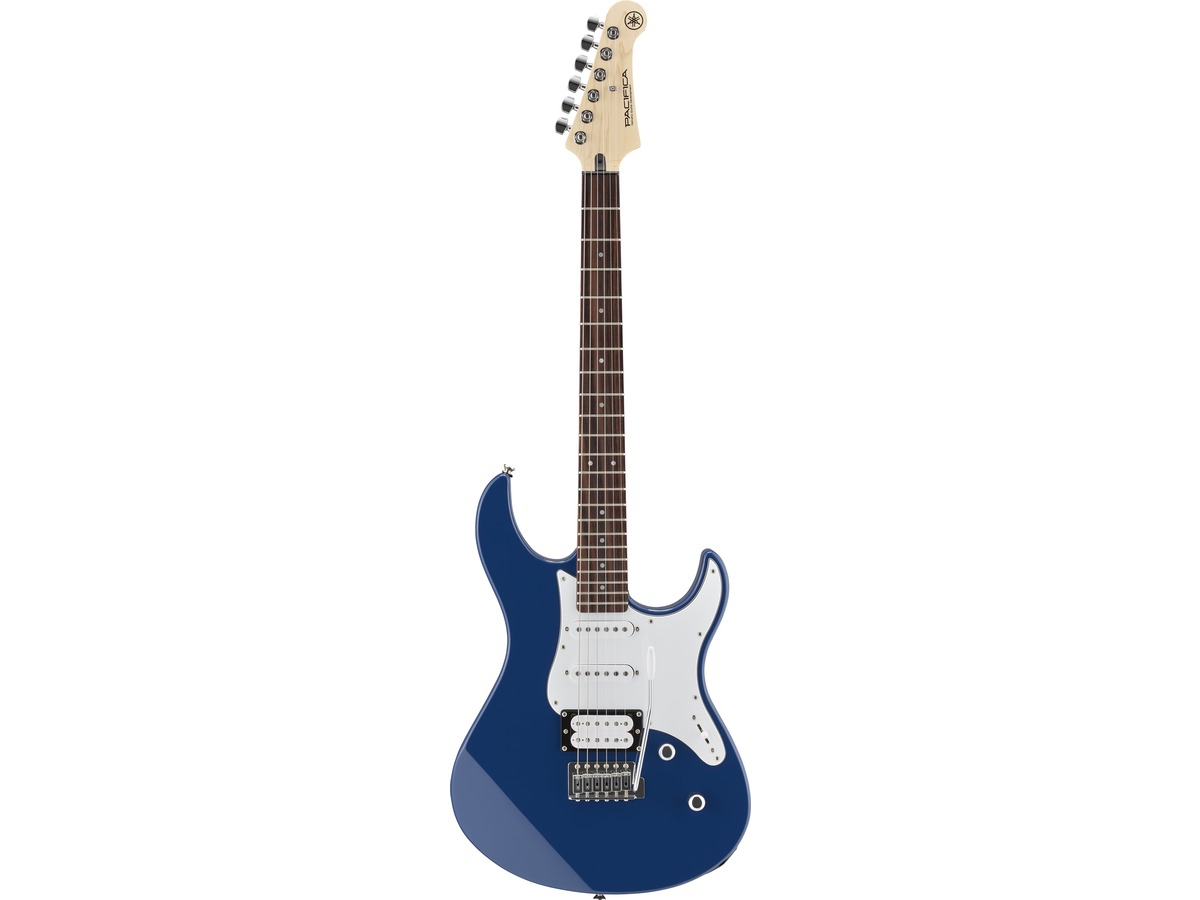
Yamaha Pacifica PAC112V
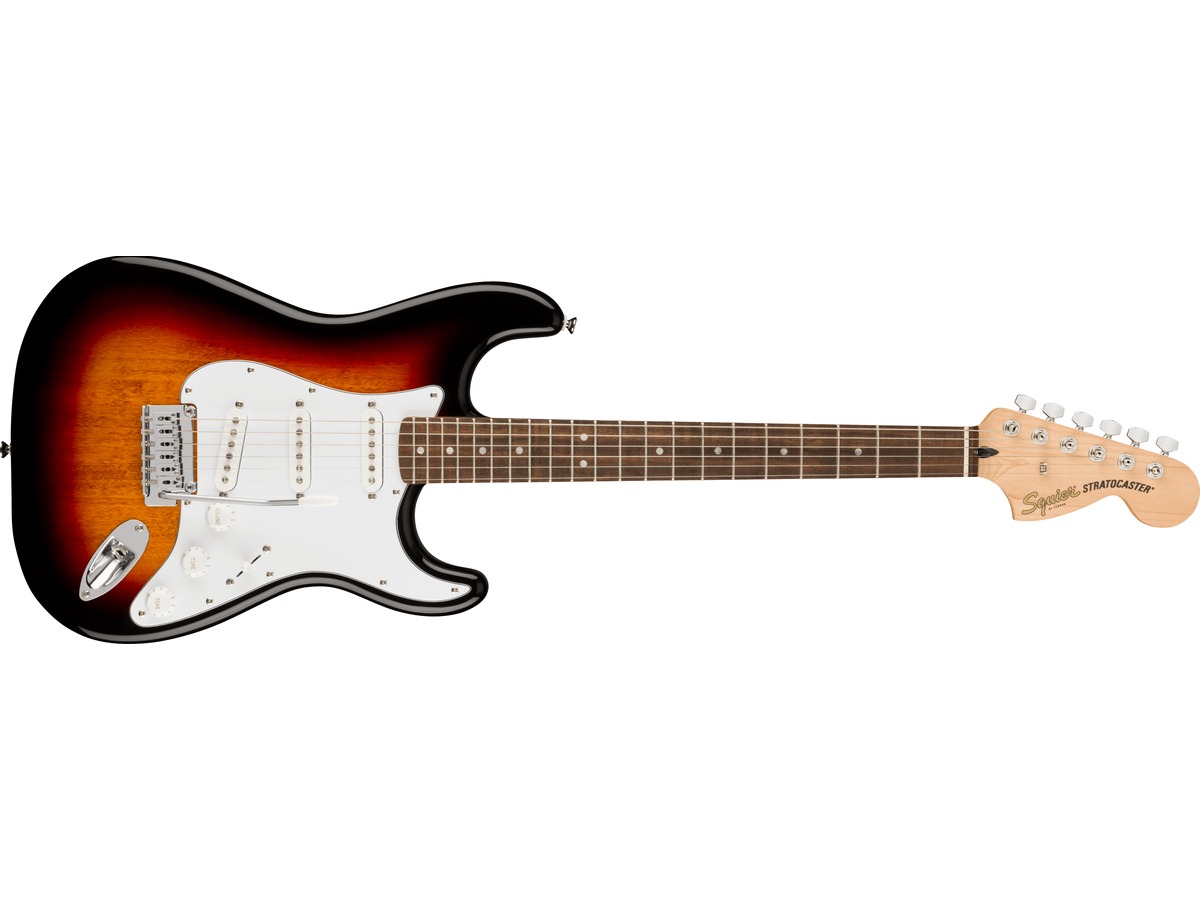
Squier Affinity Series Stratocaster
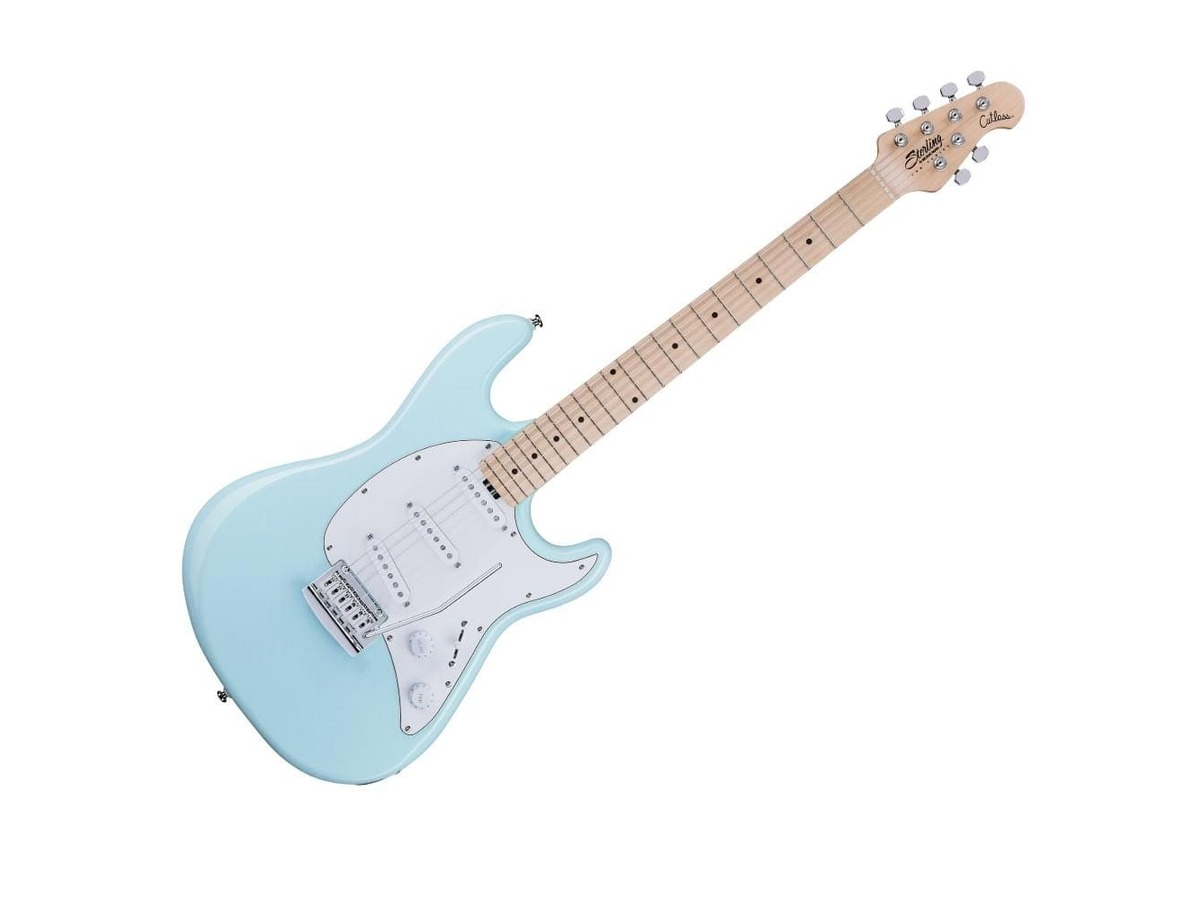
Sterling by Music Man Cutlass CT30SSS
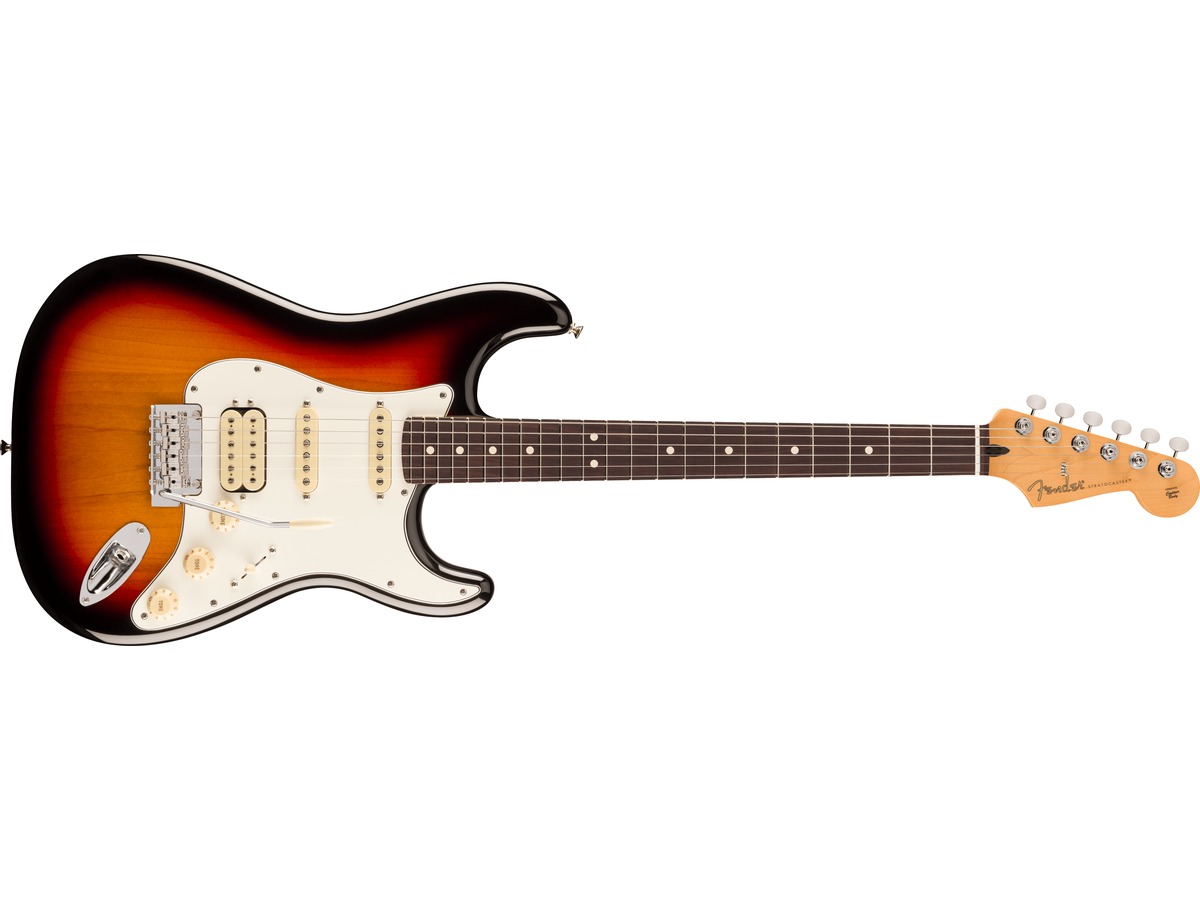
Fender Player II Stratocaster HSS
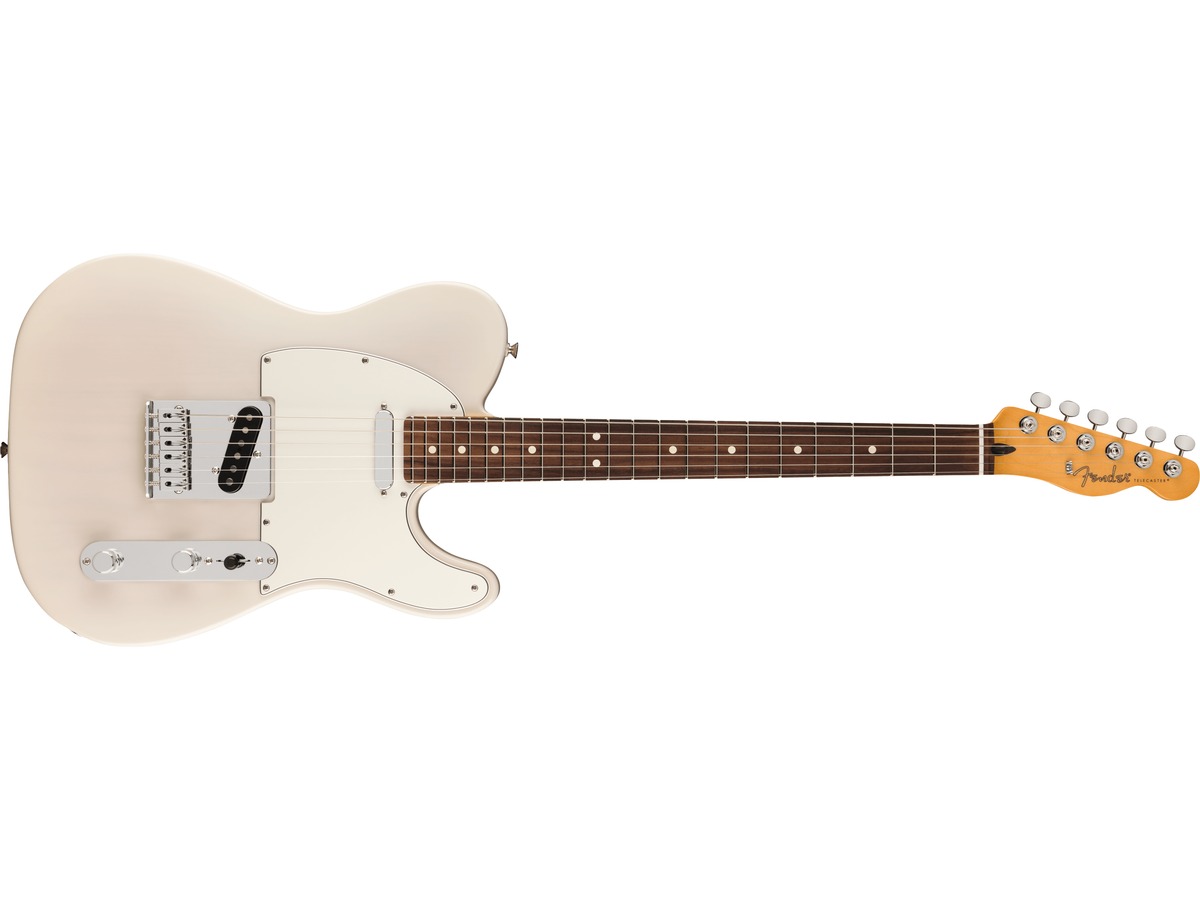
Fender Player II Telecaster
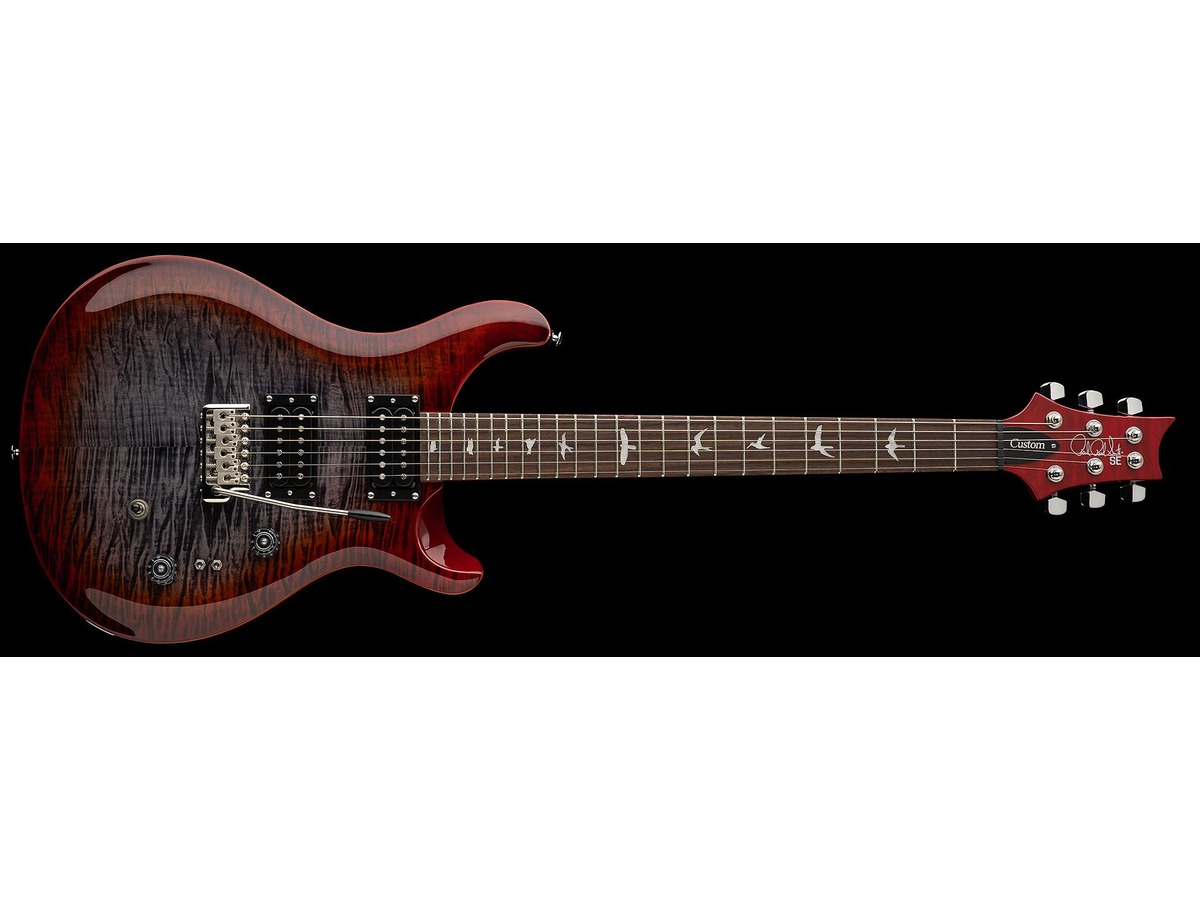
PRS SE Custom 24-08
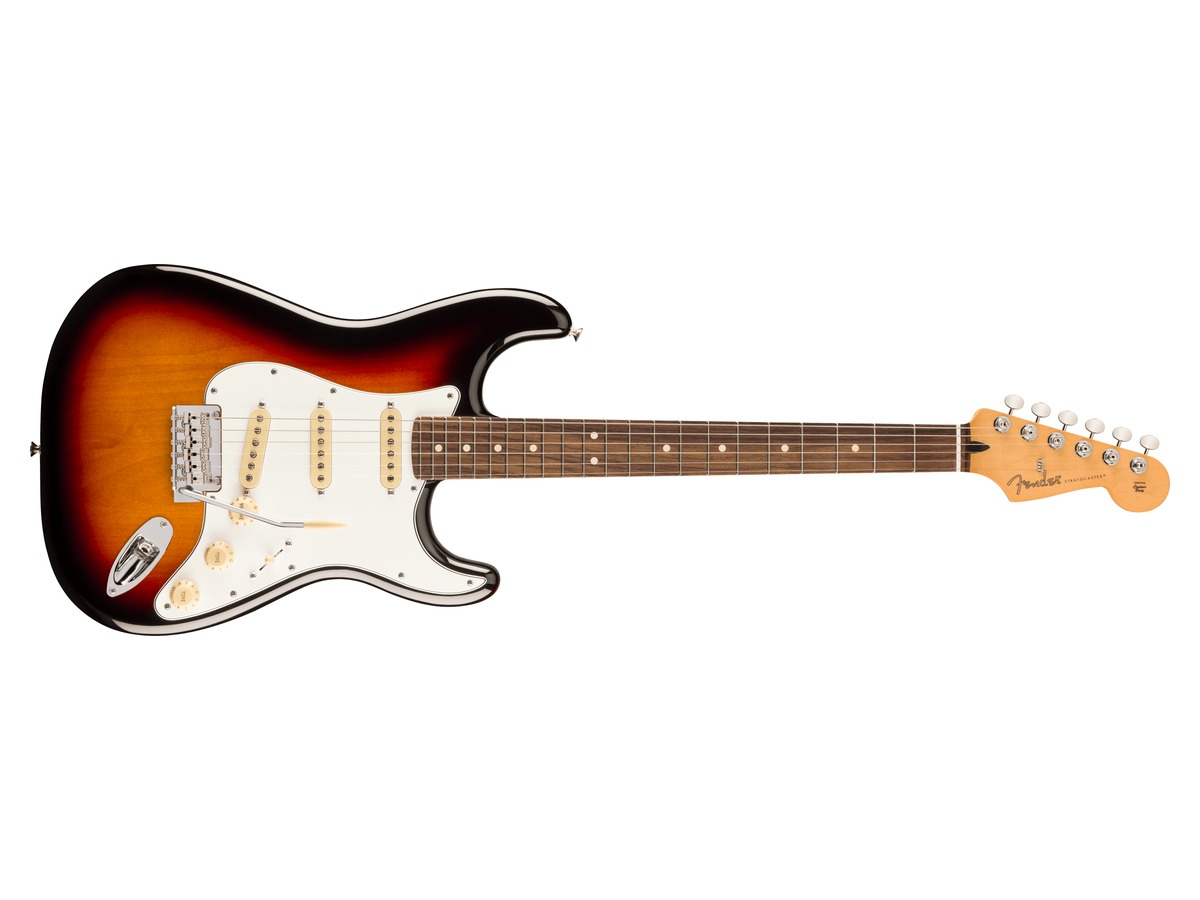
Fender Player II Stratocaster
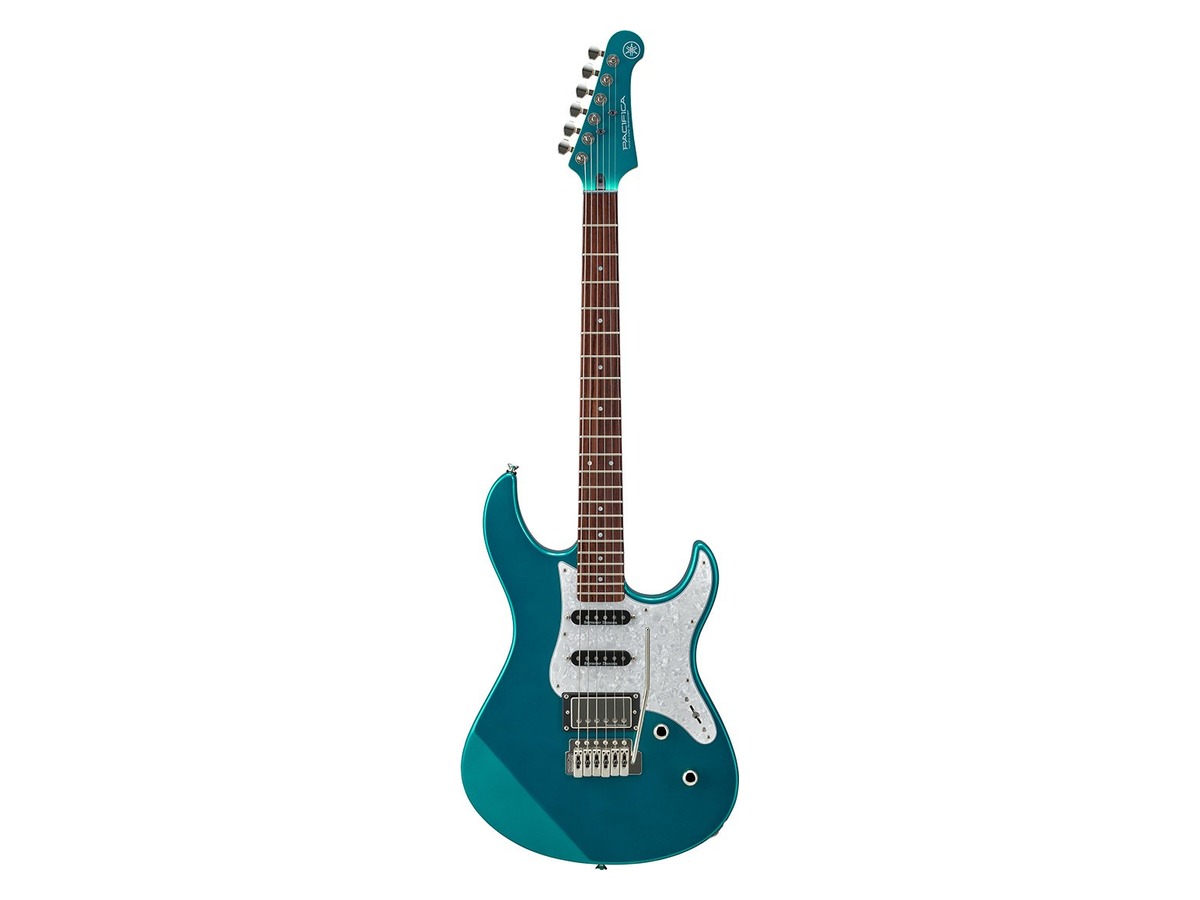
Yamaha Pacifica PAC612VIIX
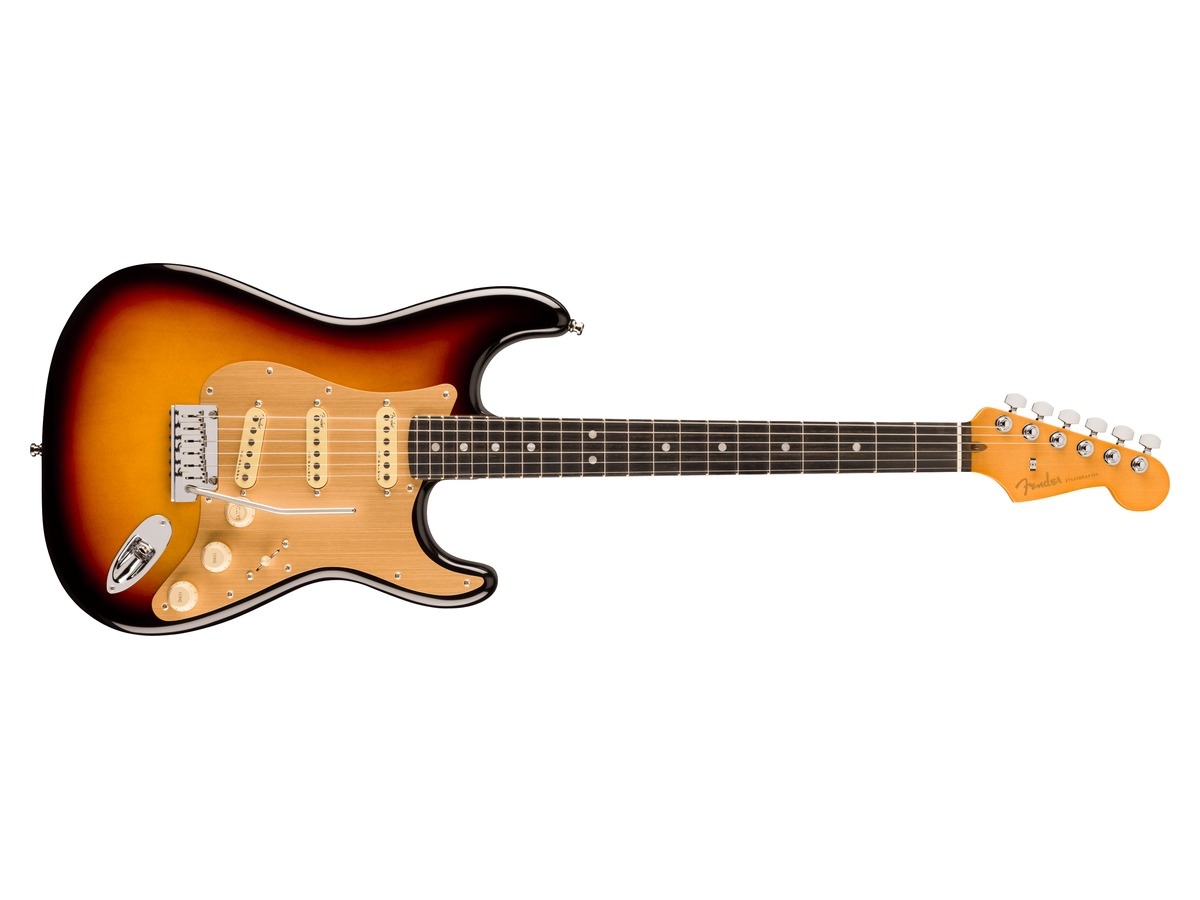
Fender American Ultra II Stratocaster
How to choose
If you're still building your cutting technique, start with a simpler, hardtail-bridge setup like pick 1 or pick 6 — fewer variables to manage while your right hand catches up. If you need midrange thickness that won't disappear in a full-band mix, prioritize pick 4 or pick 9, both of which lean firmer in the mids or offer coil-split for extra range. If you want one guitar to handle both clean cutting and driven riffs, compare pick 5 or pick 7, which pair a humbucker with single-coil options.
When comparing models, focus less on pickup count and more on how the bridge-plus-middle quack sounds and how fast the tone settles after a mute. Prices, specs, and availability here reflect the time of research and can change, so confirm current details through official channels before you buy or visit a store.
Frequently asked questions
Do funk guitars have to use single-coil pickups?
Not necessarily. Single coils often give the sharpest cutting attack, but coil-split or HSS setups can get close to the same feel. It comes down to your band's mix and how much noise you're willing to tolerate.
Why does the bridge-plus-middle 'quack' position matter?
Combining bridge and middle pickups creates a nasal midrange that gives cutting rhythms extra presence in a mix. It's not necessary for every part, though, so compare it against the neck and bridge pickups on their own too.
Can a humbucker-loaded guitar still play funk convincingly?
Yes. A humbucker with coil-split access can get close to single-coil cutting tone, and even without one, adjusting pickup height and the tone knob helps compensate. Just don't assume the response will be identical.
Which pick should a beginner start with?
Look at pick 1 or pick 6 first — both use simple hardtail bridges and straightforward pickup layouts, which keeps setup out of the way while you're still learning the cutting technique itself. Save tremolo-equipped models for once you're comfortable checking tuning stability.
Is coil-tap the same thing as coil-split?
They're used almost interchangeably. Both describe using only one coil of a humbucker to approximate a single-coil sound; the exact wording just depends on the manufacturer, but the underlying idea is the same.
What should I do if my cutting tone disappears in a full band mix?
Shift your pickup selection toward the bridge-plus-middle position to bring out more midrange, and prioritize models this list flags as having a firmer midrange or body construction suited to standing out in a mix.
Get new lists before anyone else
Once a week — only the new lists worth your time.
No spam · unsubscribe in one click
You may also like

Chasing Low B: Where 5-String Active Basses Actually Differ
Low-B pitch stability, active EQ boost headroom, and neck width and scale are what actually separate five-string basses.

From Practice Room to Band Stage: A First Bass You Won't Outgrow
From Squier to Yamaha and Ibanez, here are 10 beginner basses picked with neck and pickup choices that won't force a second purchase later.

Martin Dreadnoughts: What the Low End Actually Gives You for Rhythm
Across Martin's dreadnought lineup, wood pairing and bracing — not sheer volume — decide how the bass holds together under a hard strum.

000 or OM: Let Your Fingers Decide
Despite sharing the same waisted Auditorium shape, Martin's 000 defaults to a shorter scale and the OM to a longer one, a real difference in tension, string spacing, and chord reach.