TOP 10

Blues Electric Guitars: Judge the Volume Knob, Not the Gain

Updated 8/19/2026
Blues Electric Guitars: Judge the Volume Knob, Not the Gain

A blues guitar guide focused on how naturally drive responds as you open and close the guitar's volume knob.

Shopping for a blues guitar often starts with how much gain it can push or how well it pairs with a distortion pedal, but what actually separates a good blues guitar from a great one is how naturally the drive responds as you roll the guitar's volume knob up and down. How clearly the gap between a hard and a soft pick attack comes through, and how the pitch waver of a vibrato reads in the tone, can matter more than the pickup spec sheet.

This list mixes single-coil, P-90, and humbucker guitars to compare bending feel and dynamic response. Ranking took into account how transparently each pickup passes through picking dynamics, whether the drive cleans up smoothly rather than turning muddy when you back off the volume, and how much room the scale length and fret count leave for bending and vibrato.

How We Picked

  • How clearly the tone contrasts between hard and soft picking
  • How naturally the drive responds as the volume knob opens and closes
  • How stable pitch stays through bends and vibrato
  • Whether scale length and fret count suit real hand size and playing style

Read this list by starting on a clean amp, opening the volume gradually, and repeating the same phrase to hear how much contrast shows up between hard and soft picking. If you're starting out, look at picks 1 through 3; if you want finer control over tonal dynamics, start comparing from 6 through 9. Prices and specs reflect research as of August 2026 and may change.

01

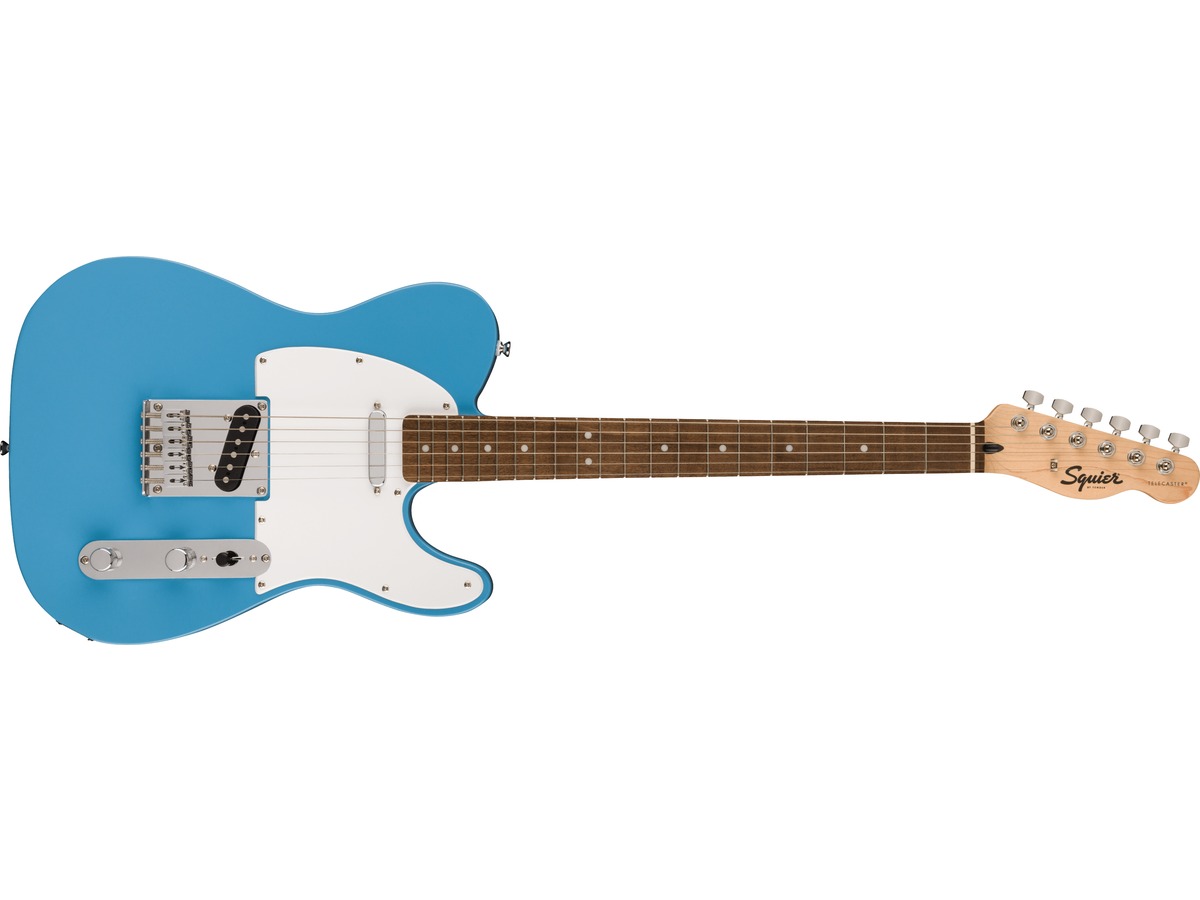
Squier Sonic Telecaster

The bridge single makes the gap between a hard and a soft pick attack clearly audible in both volume and tone, so touch dynamics carry straight through without getting filtered out. Roll the guitar volume down to about half and listen for how naturally the drive cleans up — a good first test of its blues touch. At this entry price point, factory setup values like action and pickup height are often left as shipped, so getting a quick setup check from a shop or service center after purchase helps bring out its full dynamic response.
Squier Sonic Telecaster
02

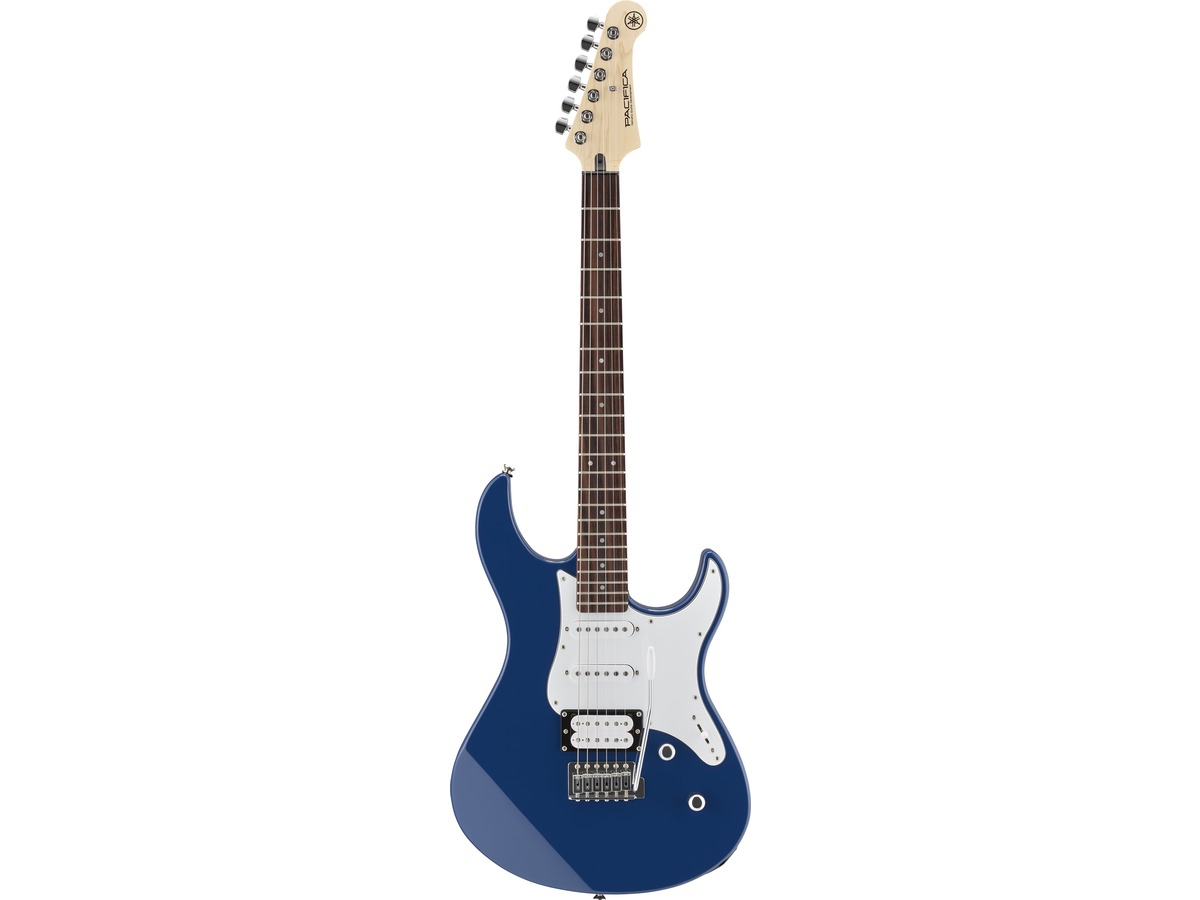
Yamaha Pacifica PAC112V

The HSS layout pairs a humbucker with two single coils, and coil-tapping lets a single switch shift between humbucker compression and single-coil openness. That means you can dial in exactly how squeezed a bend feels, song by song. The tremolo's limited travel suits subtle pitch shading — small wrist-driven wobbles — more than dramatic dive-bomb vibrato, which also helps it hold tuning better. It's worth trying in person to hear how much volume drops when you switch the coil tap.
Yamaha Pacifica PAC112V
03

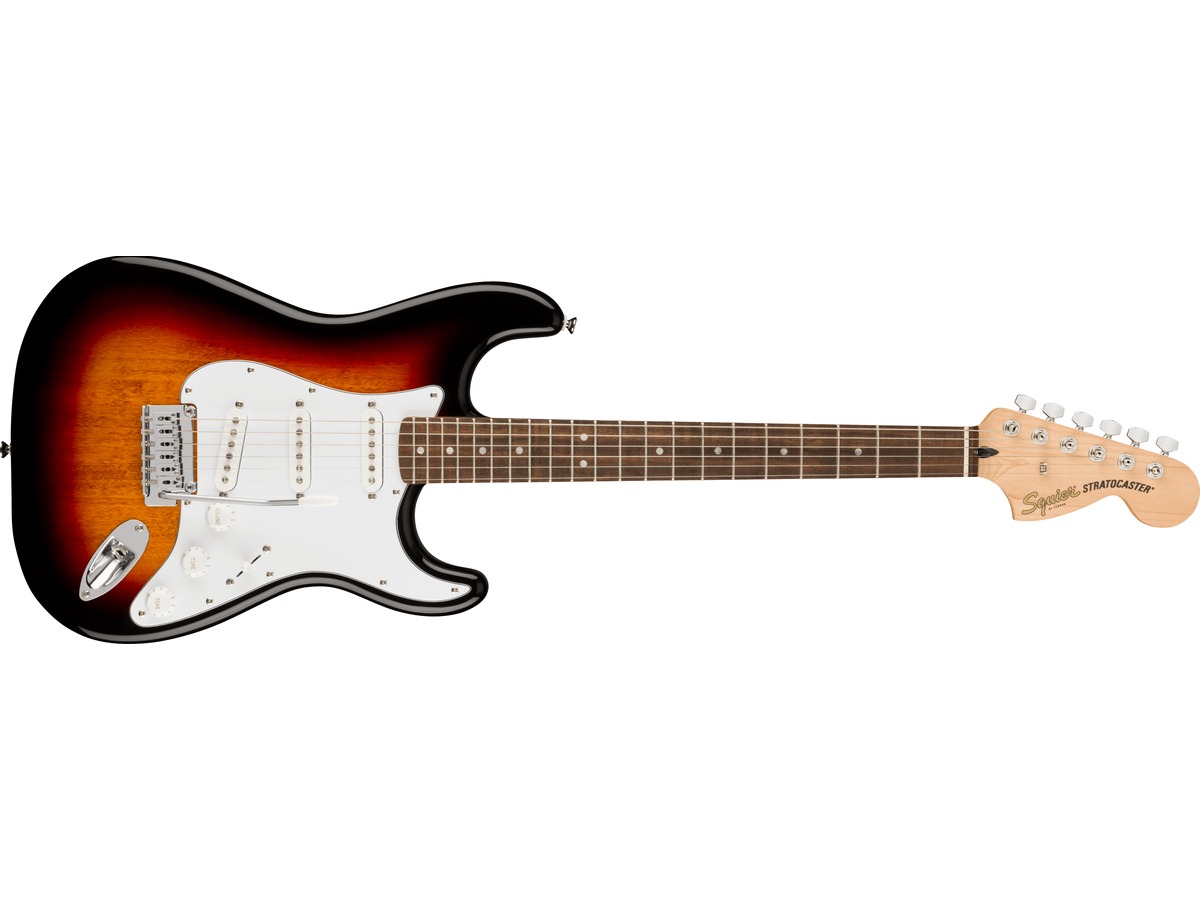
Squier Affinity Series Stratocaster

Three single coils lined up in an SSS layout pass picking dynamics through fairly unfiltered, so even subtle shifts in bending and vibrato register in the tone. Finding that kind of dynamic response at this price point is exactly why it works well for practicing blues touch. The 5-way selector opens up the in-between positions for switching between a brighter and a thicker tone depending on the song, and the Stratocaster's contoured body stays comfortable against the forearm and torso during long standing sessions.
Squier Affinity Series Stratocaster
04

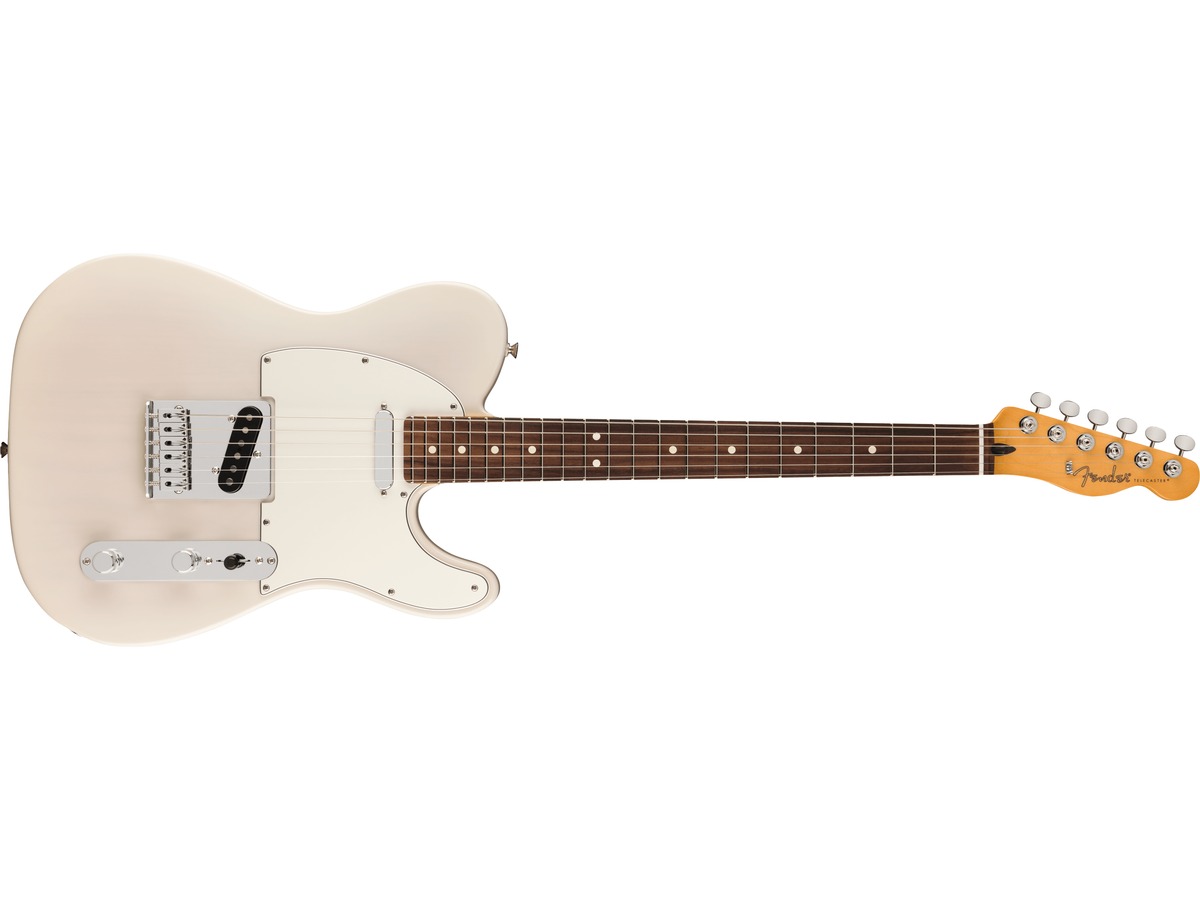
Fender Player II Telecaster

The Telecaster's bridge pickup naturally roughens up under a hard attack, widening the contrast between strongly and lightly picked notes more than other pickup layouts — a difference that shows especially well on shuffle rhythms that alternate between loud and soft. The extended 22-fret board gives fingers more room to move without hitting the body edge when bending in the upper positions compared to the older 21-fret model, and details like the neck pocket and bridge saddles have been refined from the previous generation, so it's worth holding the neck in person to check the thickness fits your hand.
Fender Player II Telecaster
05

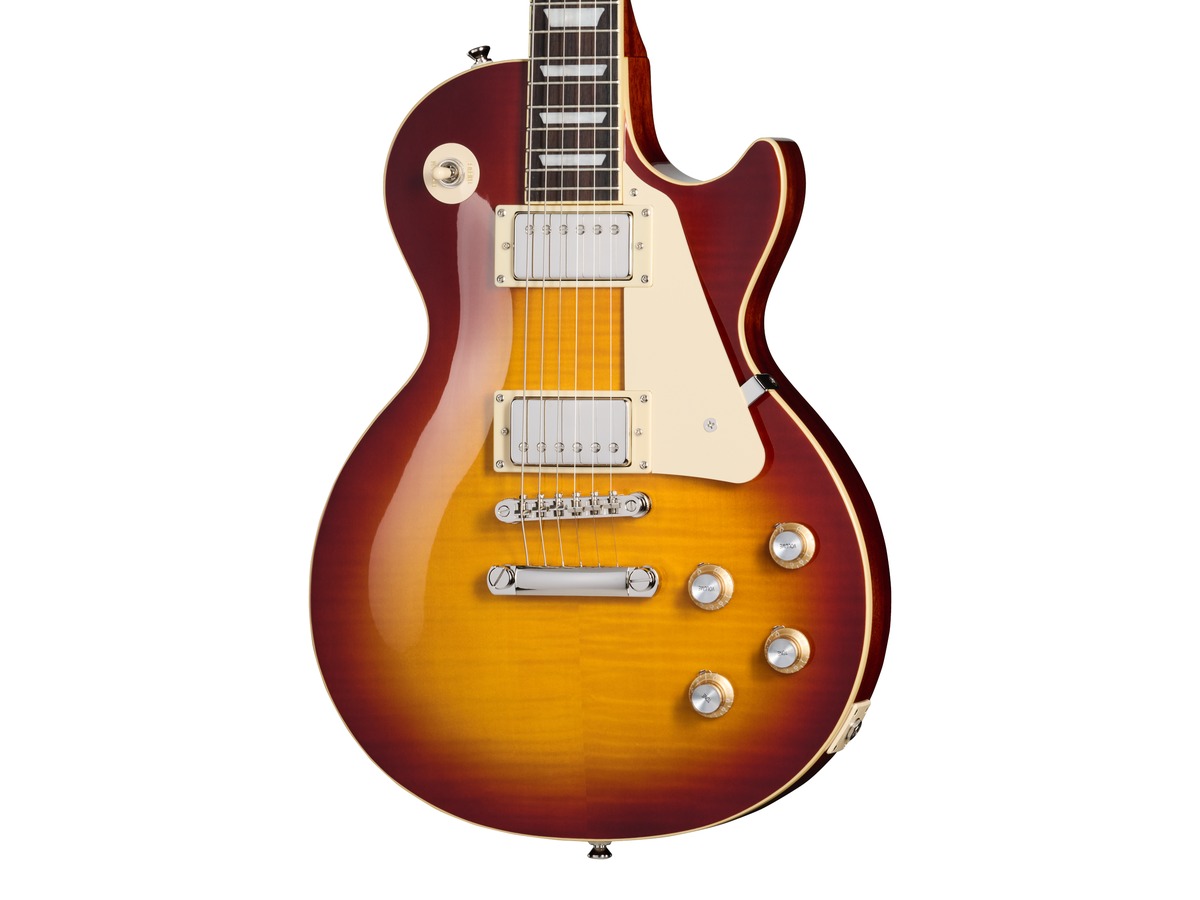
Epiphone Les Paul Standard 60s

The humbucker's compression helps bends flow into each other smoothly instead of breaking up, holding its thickness and density even when pushed hard rather than turning rough too easily. That trade-off means it may suit players who prioritize long, stable sustain over minute touch nuance. The mahogany body with a maple top isn't especially light, so plan strap length ahead of time to manage shoulder and neck strain during long standing sessions, and it's worth checking neck angle and fret condition in person.
Epiphone Les Paul Standard 60s
06

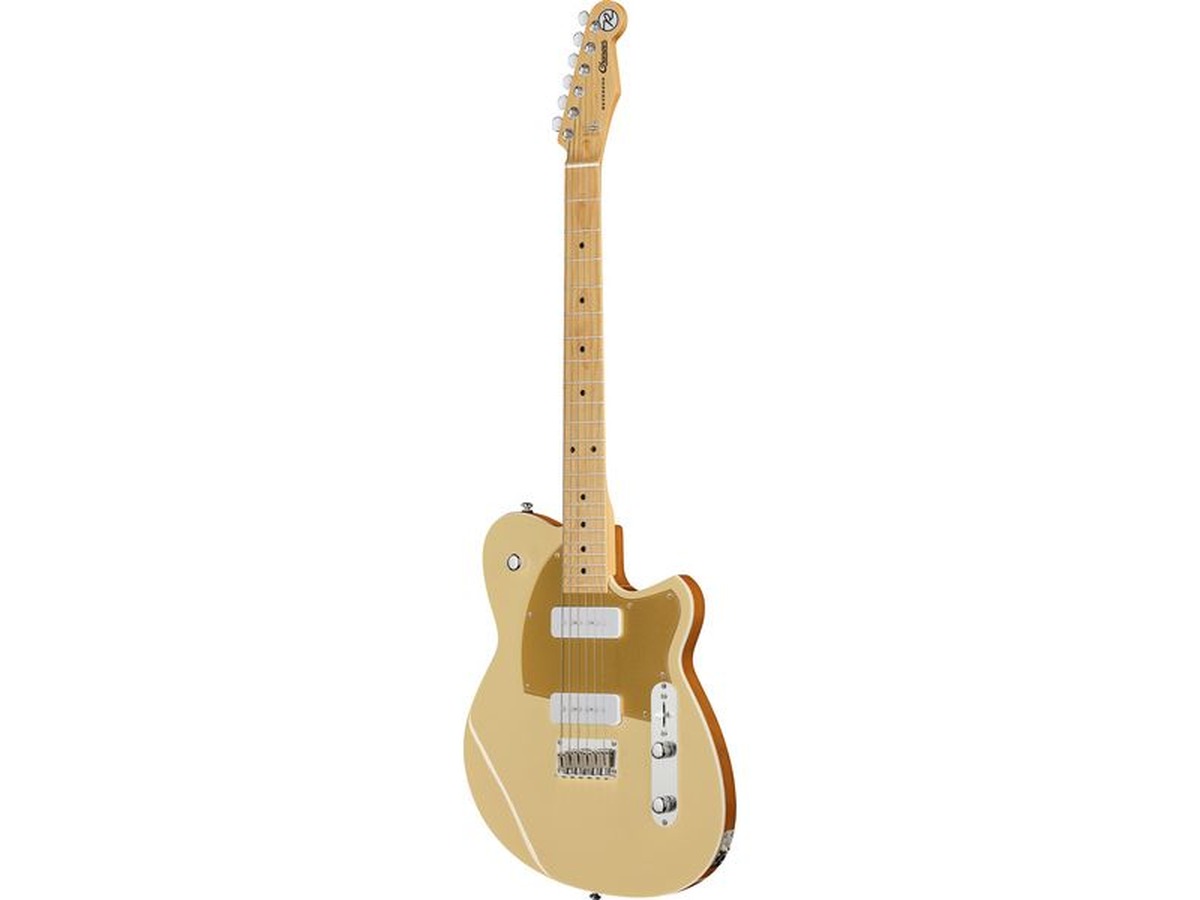
Reverend Charger 290

The P-90s reveal picking dynamics more clearly than a humbucker while keeping a thicker midrange than a standard single coil, striking a balance that suits both bending and vibrato. They're more prone to hum than a humbucker, though, so background noise can creep in at higher gain — worth testing in the actual room you'll be playing in. The stoptail bridge has a simpler structure than a tremolo setup, making it a solid, unfussy choice for sustain and tuning stability, and the guitar's chunkier body shape also appeals to players who want a distinctive look next to more conventional models.
Reverend Charger 290
07

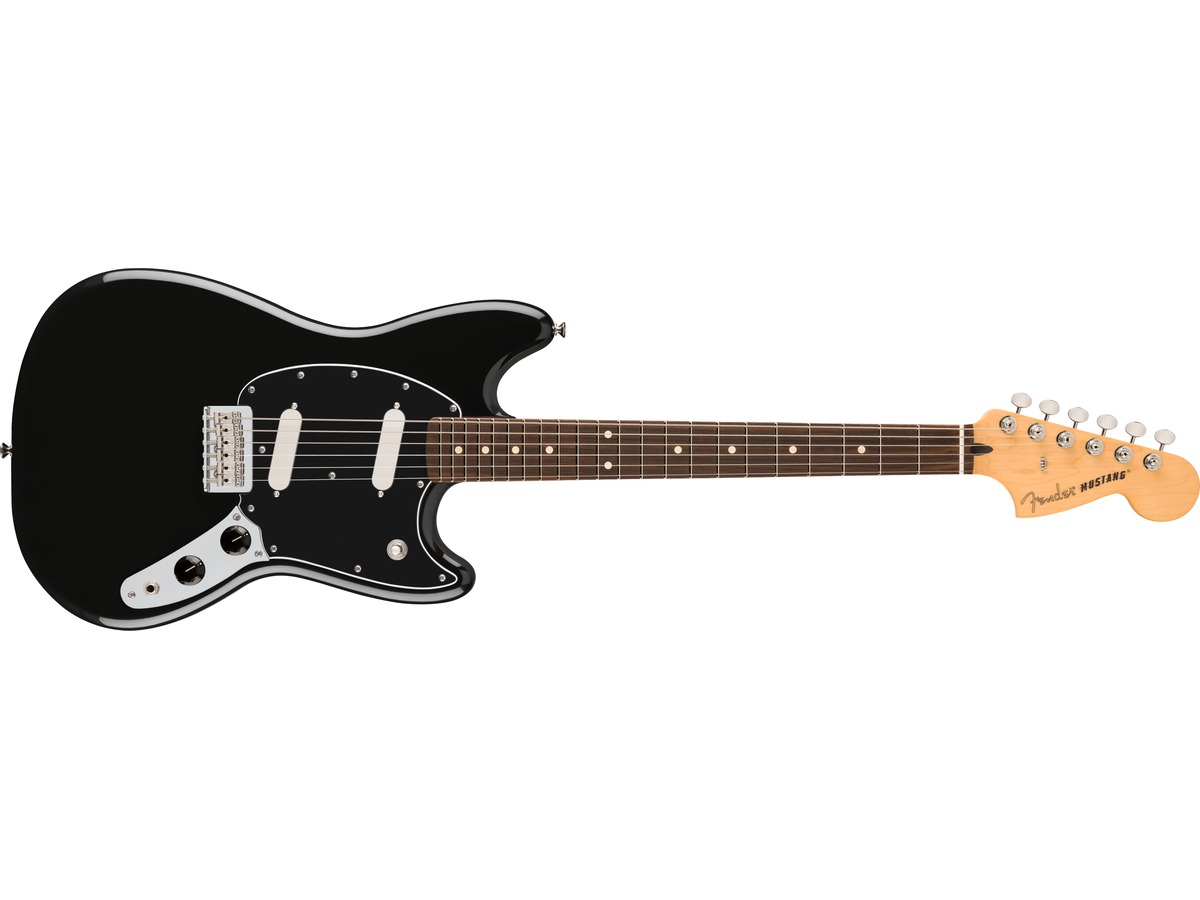
Fender Player II Mustang

The shorter 24-inch scale puts less tension on strings of the same gauge, so bends take less effort — a real advantage for players with smaller hands or anyone who bends a half step or more regularly. That same lower tension can feel looser under pitch and make tuning drift a bit more easily, so it's worth bending strings in person to see if it matches your picking strength and how far you like to bend. The smaller body size compared to a Stratocaster also makes it easier to handle for smaller players or when you're moving around a lot.
Fender Player II Mustang
08

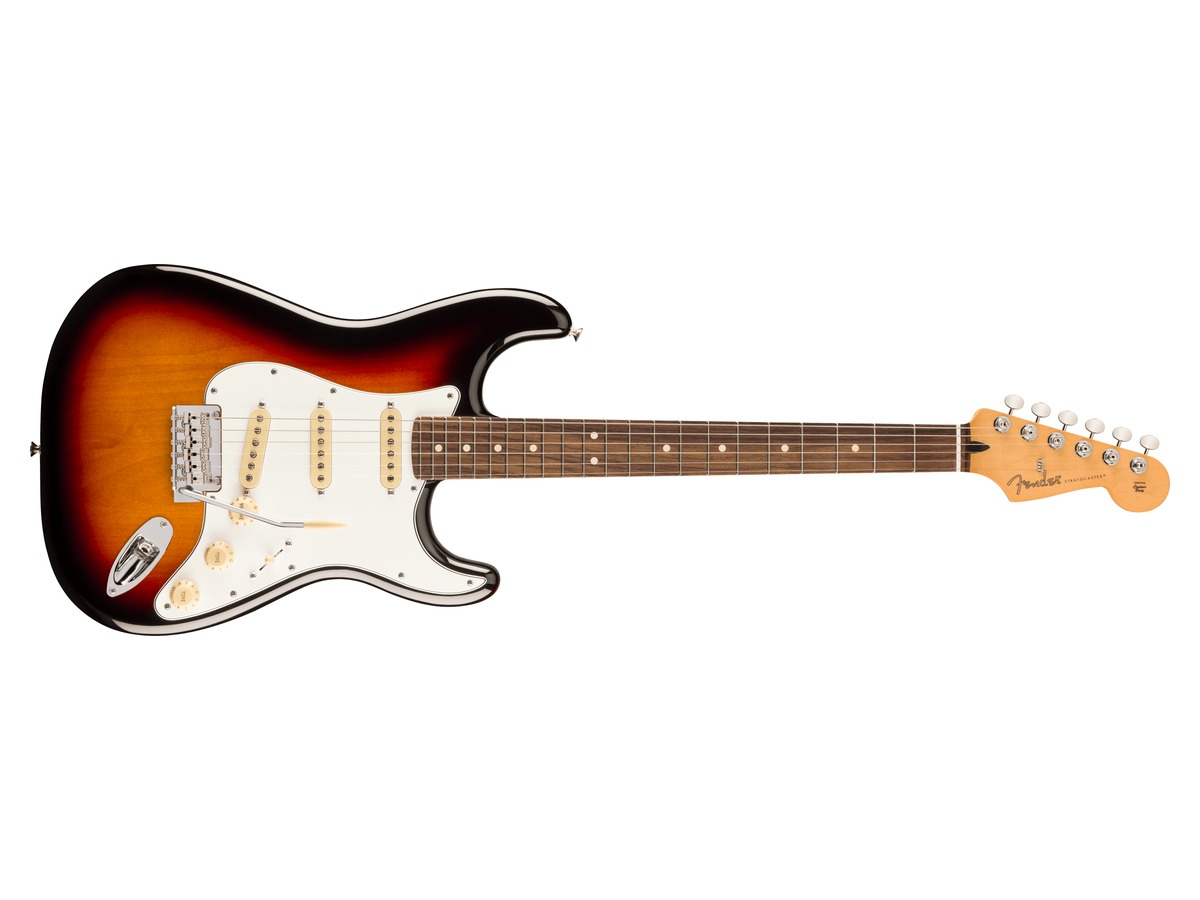
Fender Player II Stratocaster

The standard SSS setup shows a noticeable shift in how drive kicks in and backs off as you open and close the volume knob, making it a good guitar for practicing dynamics through the controls alone rather than a pedal. The 22-fret neck leaves more room for upper-position bends and vibrato, and many players note the attack feels sharper than the previous generation thanks to upgraded pickups and saddle material. The tone knob layout now covering the bridge pickup as well is also a real difference for anyone who likes shaping tone in fine detail.
Fender Player II Stratocaster
09

Fender American Ultra II Stratocaster
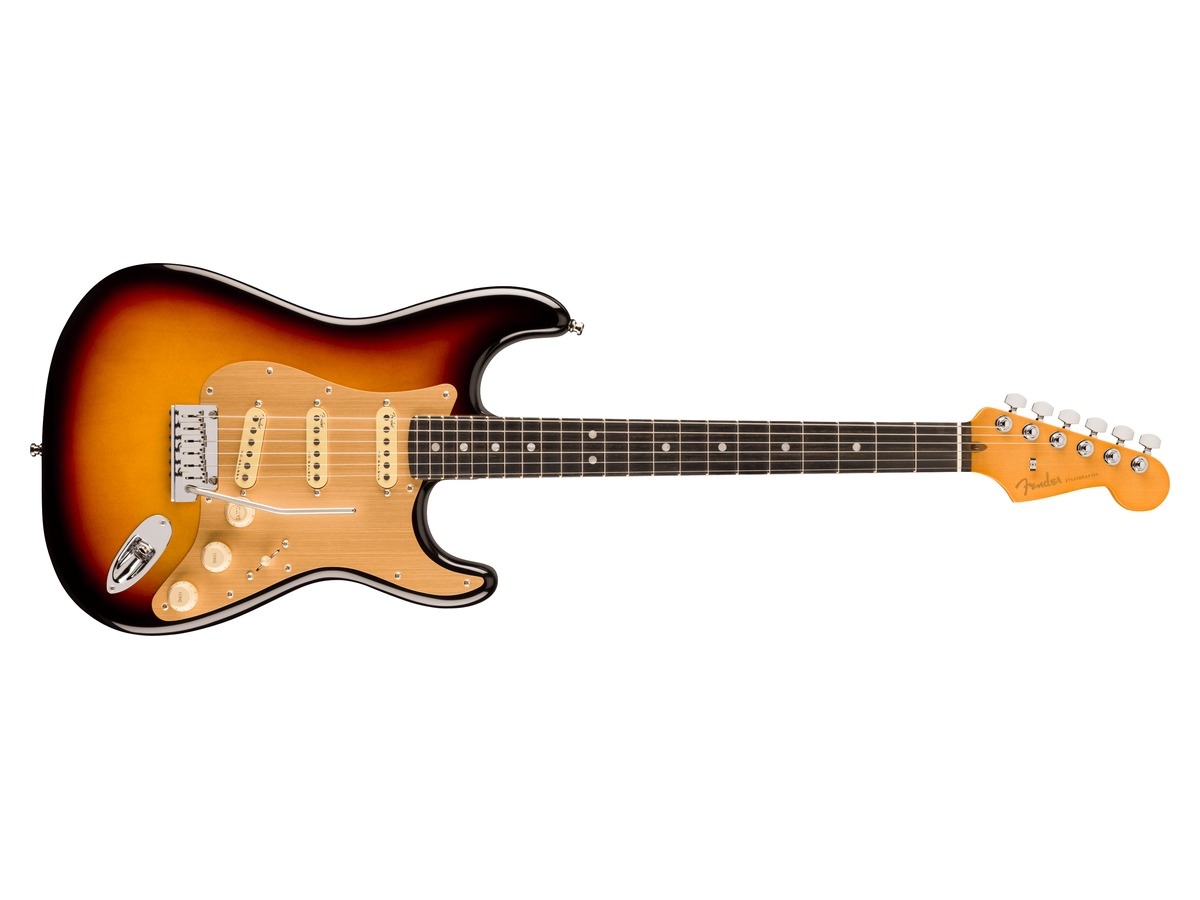
The noiseless pickups are built to preserve traditional single-coil dynamic response as much as possible while cutting hum, so even a light, glancing pick attack stays audible instead of getting buried in noise. The S-1 switch unlocks combinations beyond the standard five-way positions, letting you shift between a more open tone and a more compressed one to test different touch responses song by song. Being the flagship line, the neck profile and fret finishing are also refined in detail, so fast position shifts tend to feel smoother under the hand.
Fender American Ultra II Stratocaster
10

Gibson Les Paul Standard 60s

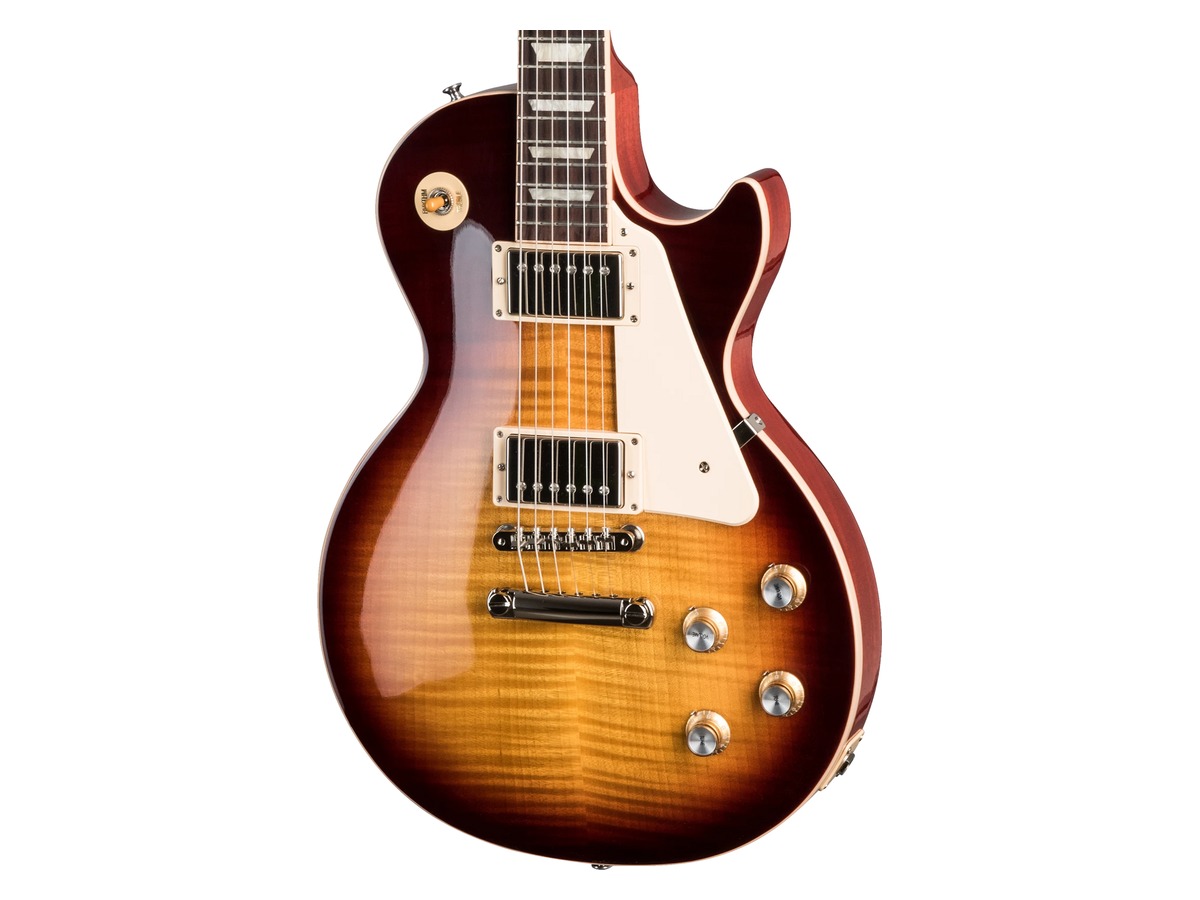
The 60s-style Burstbuckers keep the compression a humbucker is known for while still roughening up naturally under a hard attack, letting shuffle rhythms that alternate between loud and soft show real contrast. The slimmer 60s neck profile suits hands that prefer a thinner neck, though players used to a chunkier neck may need time to adjust. The Les Paul's characteristic weight and neck angle directly affect posture and wrist comfort, so it's worth strapping on and playing standing up in a store to check the weight distribution suits you.
Gibson Les Paul Standard 60s

How to Choose

If you want to hear picking dynamics come through unfiltered, start with the single-coil builds at No. 1 or No. 3; if sustain and stability matter more, compare the humbuckers at No. 5 or No. 10. The P-90 at No. 6 is a solid reference point if you want something in between. If you want lower effort on bends, look at the short-scale No. 7, and if you want to practice shaping dynamics with the volume knob alone, No. 2 and No. 8 are worth a closer look.

Rather than trusting the spec sheet, the most reliable test is trying it in person — roll the volume down and back up, repeat the same phrase, and listen for how much contrast survives between hard and soft picking. Prices, specs, and availability reflect the time of research and may change, so confirm current details through official channels before you visit a store or buy.

Frequently asked questions

Do blues guitars really need single-coil pickups?

Often, but not always. P-90s and humbuckers can express plenty of picking dynamics too, depending on pickup height and tone adjustment.

Is a shorter scale always better for bending?

Lower tension makes bends take less effort, but it can also feel looser under pitch. It's worth testing against your own picking strength and how far you like to bend.

Does a guitar need vintage specs to suit blues?

Not at all. Current production models work just as well for blues as long as the pickup response and dynamics feel right. Look for how much of your touch comes through in the tone rather than focusing on looks.

How is a P-90 different from a humbucker?

A P-90 keeps a single-coil design but with a wider coil winding, so it reveals picking dynamics more clearly than a humbucker while carrying a thicker midrange than a standard single coil. It's more prone to hum than a humbucker, though, so noise can creep in at higher gain.

How do I actually test volume-knob response?

Plug into a clean amp, roll the guitar's volume down to about half, and repeat the same phrase a few times. Listen for whether the drive cleans up smoothly instead of turning muddy, and whether the gap between hard and soft picking still comes through.

NEWSLETTER

Get new lists before anyone else

Once a week — only the new lists worth your time.

No spam · unsubscribe in one click

This page contains affiliate links. We may earn a commission from qualifying purchases.