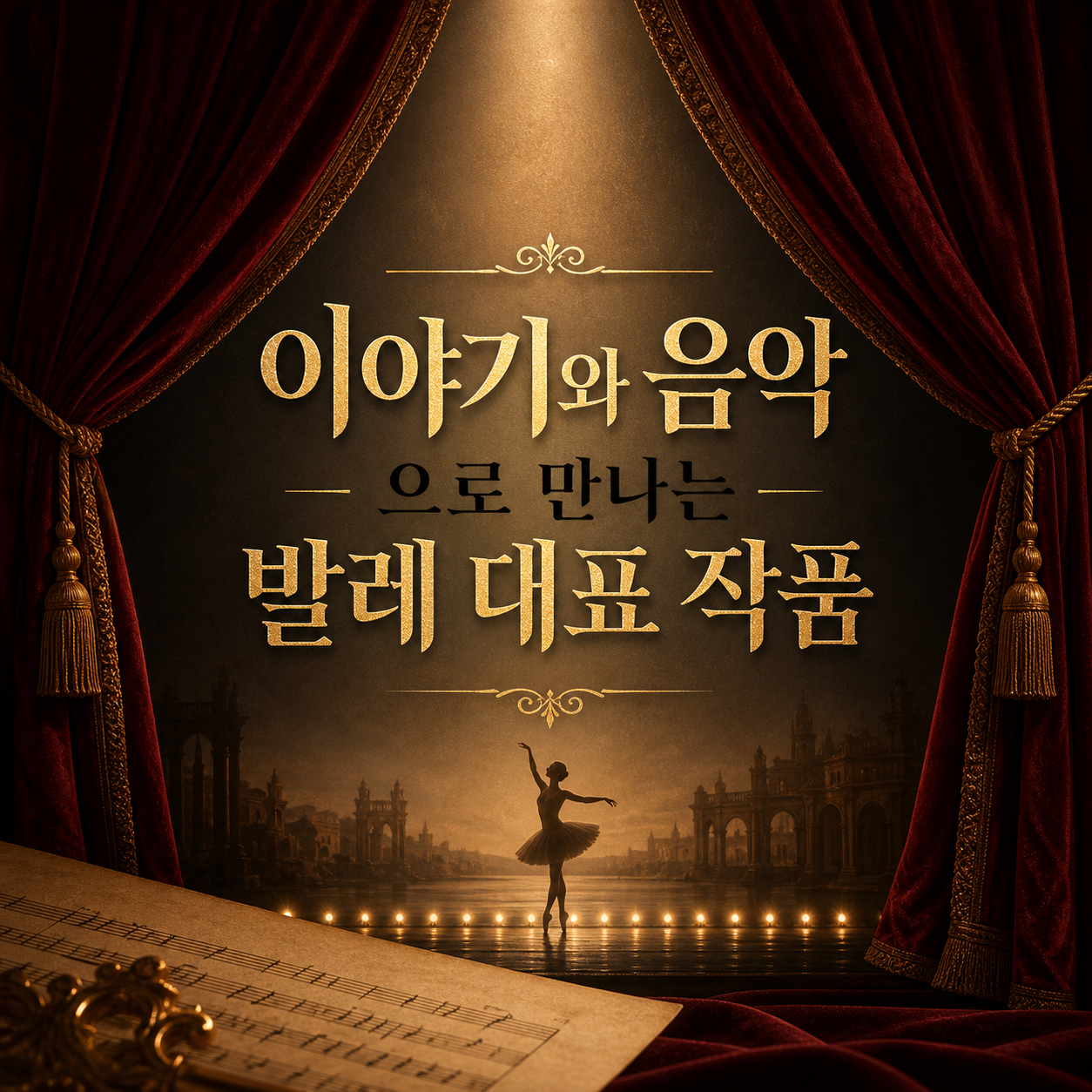
You don't need to memorize the plot of ten classic ballets — just the one scene in each that makes the room go still. Here's how to watch them that way.
Ballet listings explain the plot in detail but skip what you actually want to know before curtain: what to watch for. The genre has no dialogue, so you can enjoy the movement and score without following the story, but knowing which moment draws applause changes how the evening reads.
This list covers the ten works staged most often by Korean companies and touring productions, organized around a single instruction each — the one scene not to miss — rather than a plot recap. Ranking here reflects how frequently a piece is performed and how easy it is for a first-time viewer to follow, not artistic merit.
How to use this list
- New to ballet? Start with No. 10 Cinderella or No. 5 Don Quixote, where the story is familiar and the mood is light.
- Want tragedy and weight? No. 1 Swan Lake and Act II of No. 3 Giselle are the reference points.
- Curious about precision corps work? No. 7 La Bayadère's Kingdom of the Shades sets the bar.
Swan Lake

The Nutcracker

Giselle

The Sleeping Beauty

Don Quixote

Romeo and Juliet

La Bayadère

Coppélia

La Sylphide

Cinderella

How to choose
First-timers do best starting with No. 10 Cinderella or the bright energy of No. 5 Don Quixote. For tragic weight, No. 1 Swan Lake and No. 3 Giselle are the benchmarks, and for precise corps work, No. 7 La Bayadère sets the bar.
Whichever piece you pick, focus on the one or two scenes flagged here rather than the plot. Showtimes, casting, and prices reflect the September 2026 research date and can change, so confirm details with the theater before you go.
Frequently asked questions
What's the best ballet to start with as a first-timer?
Cinderella and Don Quixote are the easiest entry points — familiar stories with no heavy tragedy, paired with plenty of the spectacle that makes ballet ballet.
Is it worth watching the same ballet more than once?
Yes. A first viewing is spent following the plot; a second lets you notice the dancers' expressions and how tightly the choreography tracks the score. Comparing different companies or casts in the same role is its own reward.
Does the music matter as much as people say?
It does. Tchaikovsky's scores for Swan Lake, The Nutcracker, and Sleeping Beauty essentially define the genre on their own, and listening beforehand makes the choreography far easier to follow live.
Can I stay focused through a two-hour-plus performance?
Most run past two hours, but the intermission is there for a reason — use it to rest and skim the program for what's coming next, and the time passes more easily than expected.
How was this ranking decided?
Order reflects how often each ballet is staged by Korean and touring companies and how approachable it is for newcomers, not artistic merit — feel free to pick by story interest rather than follow the ranking strictly.
Get new lists before anyone else
Once a week — only the new lists worth your time.
No spam · unsubscribe in one click
You may also like
Before You Buy a Leotard: What to Sort Out First for Ballet Class
From the first booking question to the notes you jot down after class, doing things in order takes the edge off day one.
Your Pirouette Is Breaking at One Specific Point -- Find It
A diagnostic checklist that isolates exactly where a wobbly turn goes wrong, from prep plié to the final spot, in ten steps you can test one at a time.
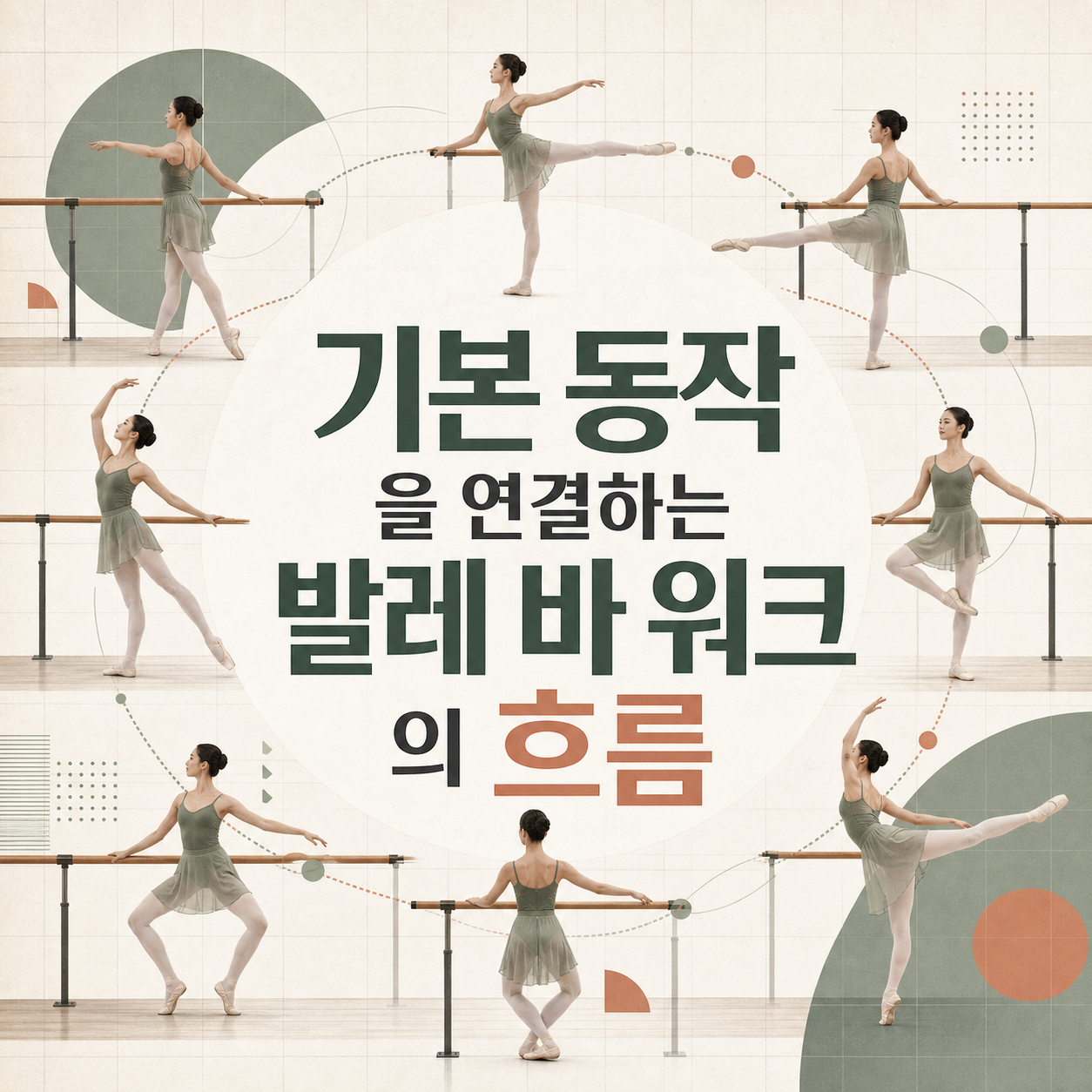
Your Feet Do the Holding, Not Your Hand: The Logic Behind 10 Ballet Barre Moves
Barre work isn't about memorizing steps -- it's training to carry the alignment found in one move straight into the next, from plie to port de bras.
Don't Memorize the Words — Feel the Joint First: 10 Ballet Basics for Beginners
Instead of translating French cues word by word, understanding which joint each movement uses and why makes a beginner's first ballet class far easier to follow.