
For first-time ballet visitors, a ten-step order to follow from booking your ticket to knowing the cast, checking sightlines, the latecomer policy, and when to applaud.
Four things trip up most first-time ballet visitors: what to wear, when to arrive, which seat to pick, and when to clap. Searching for answers usually turns up scattered, sometimes contradictory advice from different blogs, which makes it hard to know what actually matters before you buy a ticket — many people end up staring at a seating chart with the booking page still open, unsure where to start.
Nearly every rule at a ballet theater exists for the same reason: keeping attention on the stage. Closing the doors once the curtain rises, banning photography, having a specific moment for applause — all of it exists so the dancers and the audience around you can stay immersed. Sorted by when you'd actually need them — before booking, the morning of, at the door, and during the show — the rules become much simpler to follow.
This guide breaks that timeline into ten checkpoints, from booking your ticket to leaving the theater. Whether you're still deciding on tickets, getting ready this morning, or already in your seat, just pick out what applies to where you are right now — there's no need to memorize the whole list at once.
How this list was built
- Ordered by timing — what to know before you book versus what matters once you're at the theater
- Rules that vary by venue, like latecomer entry or photography bans, are flagged as things to look up for your specific theater rather than stated as universal
- Each entry explains the reasoning behind the rule, not just the rule itself, so it's easier to apply on the night
- Priority goes to the checkpoints first-time audiences actually miss most — checking the cast, sightlines, and applause timing
Check the cast and runtime before you book

Sightlines matter more than seat price

Read the program at home, not in the lobby

Opera glasses depend on where you're sitting

Build in 30 minutes for everything but the seat

Look up the latecomer policy in advance

Use the 15-30 minute intermission on purpose

Applaud where the phrase ends, not the beat

Put the phone away, not just on silent

Plan your shoes and your exit around 2-3 hours

Pick what fits your moment
Still deciding on tickets? Start with #1 (the cast) and #2 (sightlines). Getting ready the morning of the show? Prioritize #5 (timing your arrival) and #9 (silencing your phone). First ballet ever? #3 (reading the program ahead) and #8 (applause timing) are the two that matter most.
None of this is really etiquette to memorize — it's a sequence built around one goal: staying focused on the stage. Follow these ten steps from booking to curtain call and there's little room to feel lost.
Details like seating layouts, latecomer policies, and photography rules vary by venue and can change over time, so confirm the specifics with the theater's official site or box office before you go.
Frequently asked questions
Is there a dress code for ballet?
There's no strict dress code, but avoid rustling fabrics that make noise when you move. Theaters run cool inside, so bring a light layer, and choose shoes you can walk comfortably in afterward.
Do I really need to check the cast beforehand?
Yes — lead roles often rotate between performances. If you want to see a specific dancer, check the schedule before booking, then confirm again on the day through the theater's board or text alerts in case of a last-minute change.
Are opera glasses necessary?
Not if you're in the front rows. For upper-tier or back seats, either rent a pair at the theater or bring an inexpensive pair you've already tested — check the focus works before the show starts.
When am I supposed to clap during a ballet?
Since ballet tells its story through music and movement rather than dialogue, applause comes when a famous solo ends or a scene wraps up. If the timing feels unclear, following the audience around you by a beat is a completely natural way to catch it.
What happens if I arrive after the show has started?
Most theaters close the doors once the curtain rises, and you may have to wait in the lobby until the next act or a scene change. If you think you'll be late, call the theater ahead to ask when you can still be seated.
Get new lists before anyone else
Once a week — only the new lists worth your time.
No spam · unsubscribe in one click
You may also like

Before You Buy a Leotard: What to Sort Out First for Ballet Class
From the first booking question to the notes you jot down after class, doing things in order takes the edge off day one.

Your Pirouette Is Breaking at One Specific Point -- Find It
A diagnostic checklist that isolates exactly where a wobbly turn goes wrong, from prep plié to the final spot, in ten steps you can test one at a time.
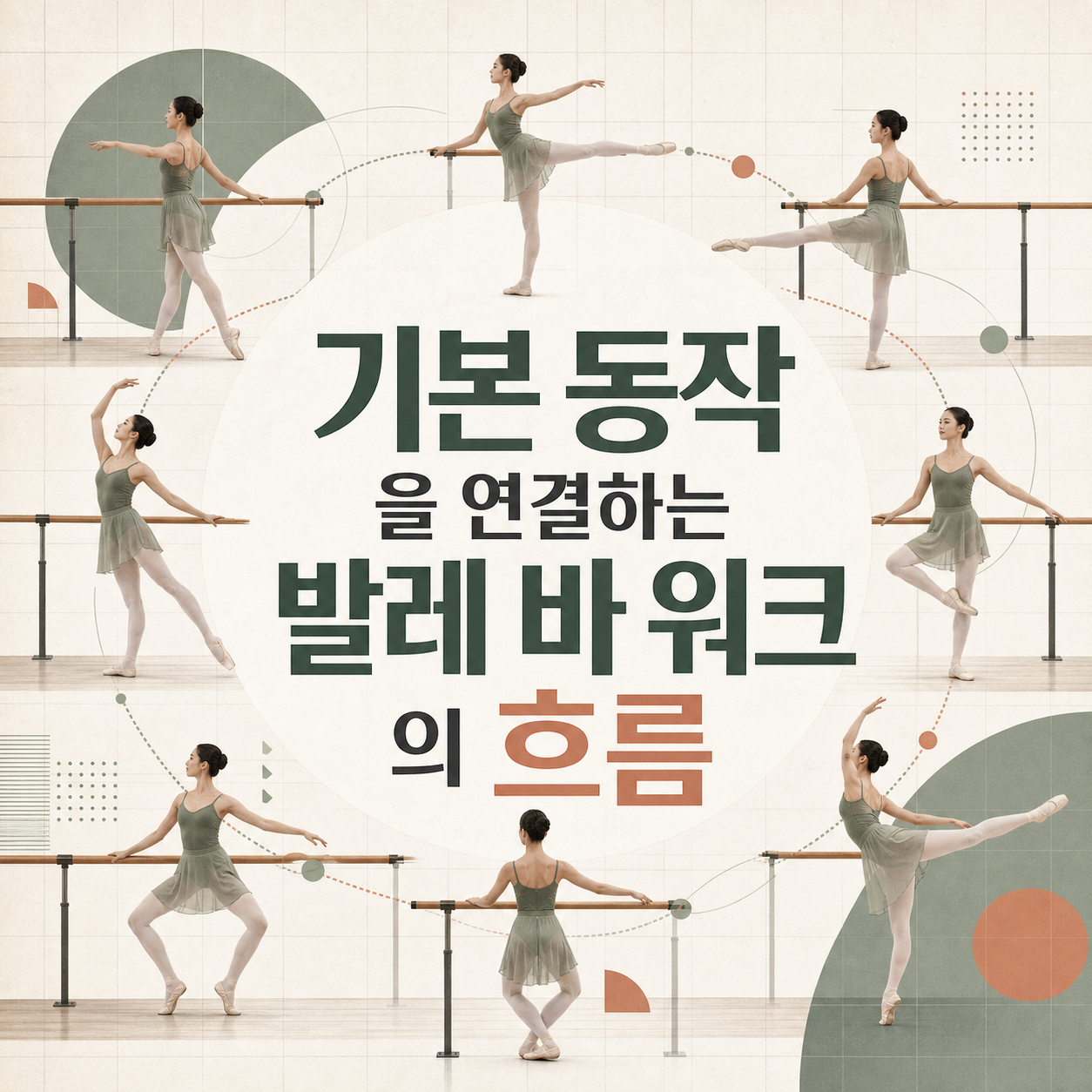
Your Feet Do the Holding, Not Your Hand: The Logic Behind 10 Ballet Barre Moves
Barre work isn't about memorizing steps -- it's training to carry the alignment found in one move straight into the next, from plie to port de bras.

Ten Classic Ballets: The One Scene to Watch, Not the Plot to Memorize
You don't need to memorize the plot of ten classic ballets — just the one scene in each that makes the room go still. Here's how to watch them that way.