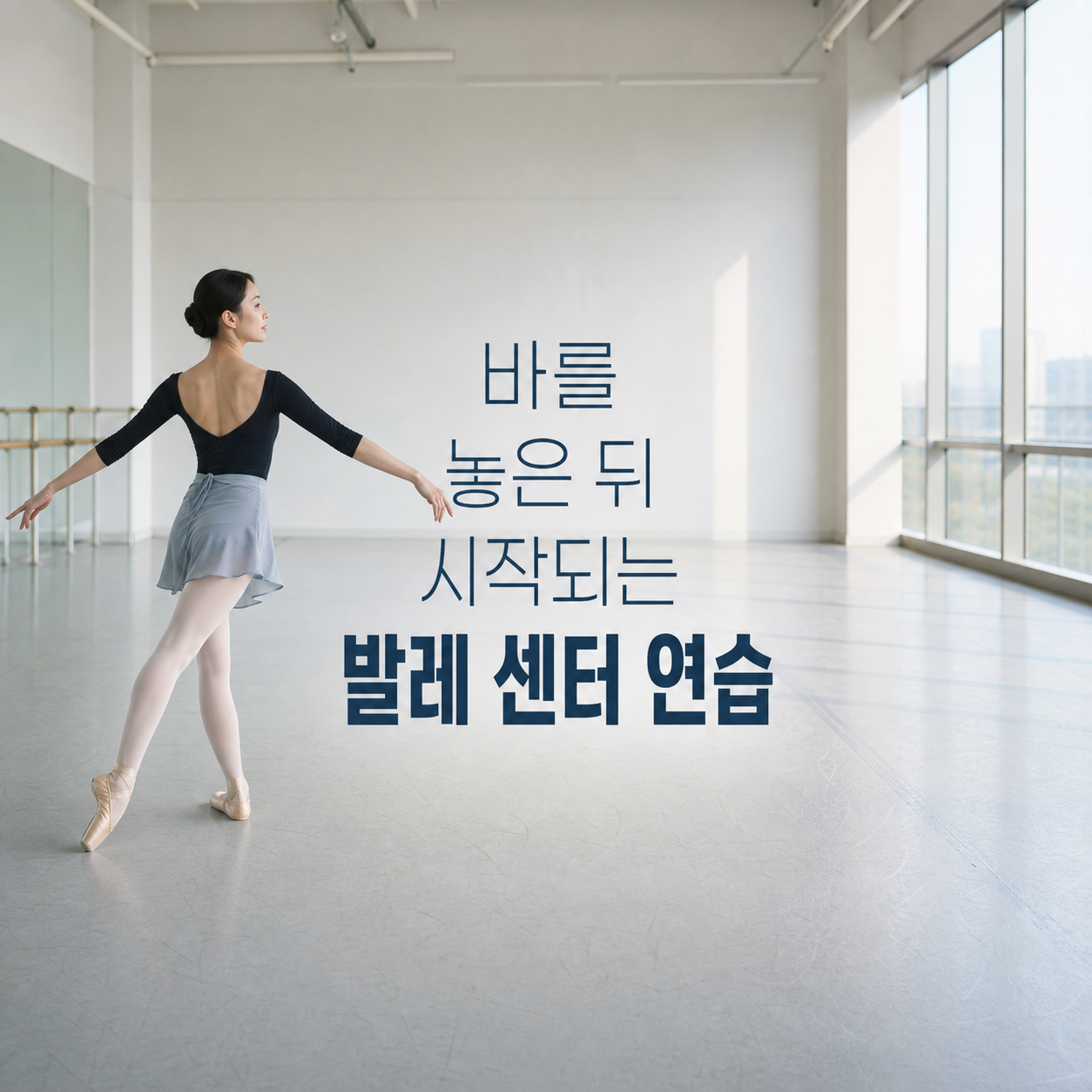
What steadies centre work is not the size of the movement but carrying the alignment you found in one step into the next.
Wobbling in centre work usually comes from losing your reference points, not from weak legs. Without the barre, you have to read for yourself which foot is carrying your weight, which way your body faces, and where the next step is heading. This list walks through ten movements you meet often in the centre and notes what to watch so balance holds up better.
The order follows the flow of a class rather than difficulty. It starts with basic arm and foot paths, moves to body direction, then slow balance, travelling steps, and finally a combination that ties movements together.
How to read
- On your first day without the barre, begin with ranks 1 to 3.
- If direction is confusing, read rank 4; if balance is the problem, read rank 5.
- Travelling steps are hard? Try ranks 6 to 9. Struggling to memorize combinations? Rank 10 helps.
Centre Port de Bras

Centre Tendu

Épaulement

Croisé and Effacé

Adagio Balance

Pas de Bourré

Glissade

Balancé

Piqué

Remembering an Enchaînement

How to choose
New to letting go of the barre? Start with rank 1, port de bras, and rank 2, tendu. If direction confuses you, read ranks 3 and 4; if slow music undoes you, rank 5. For travelling combinations see ranks 6 to 9, and for memory trouble rank 10.
The yardstick: which leg holds your weight, where the next direction is, and whether your distance from others is safe. If pain recurs, reduce the range and talk with your teacher. Studios differ, so follow your own teacher first.
Frequently asked questions
Why do I suddenly wobble more without the barre?
The barre's support and reference points are gone, so you have to read weight shift and body direction yourself. Fixing your start and end positions in your head before moving helps you stay centred more than raw leg strength does.
Should I keep watching the mirror during centre work?
The mirror is an aid for checking shape. Staring at it makes you lose your inner sense of balance and direction of travel, so use the front wall and corners as reference points and save the mirror for a last check.
What should I do if I keep wobbling in the centre?
Reduce the size of the movement and the height of the leg, and restart within a range you can control. Recheck the standing foot, pelvis, and breath from barre work, and if pain recurs, tell your teacher and talk it through.
Why do connecting steps like pas de bourré and glissade matter?
What counts in these steps is where they start and where they hand the centre off, since their job is preparing the next movement. Learning them precisely makes the flow of a whole combination much smoother.
I keep forgetting the order of a combination. How do I memorize it?
Rather than memorizing step names one by one, grasp the start position, travel path, and final direction first. If you lose the order, step out safely so you do not bump into others, then rejoin at the next phrase.
Get new lists before anyone else
Once a week — only the new lists worth your time.
No spam · unsubscribe in one click
You may also like

Ballet Class Isn't Over When the Music Stops — A Recovery Order for the Next One
Recovery after ballet class is its own process, from calming your breath to hydration, food, foot care, sleep, and tracking pain, and persistent pain means seeing a professional.
Before You Buy a Leotard: What to Sort Out First for Ballet Class
From the first booking question to the notes you jot down after class, doing things in order takes the edge off day one.
Your Pirouette Is Breaking at One Specific Point -- Find It
A diagnostic checklist that isolates exactly where a wobbly turn goes wrong, from prep plié to the final spot, in ten steps you can test one at a time.
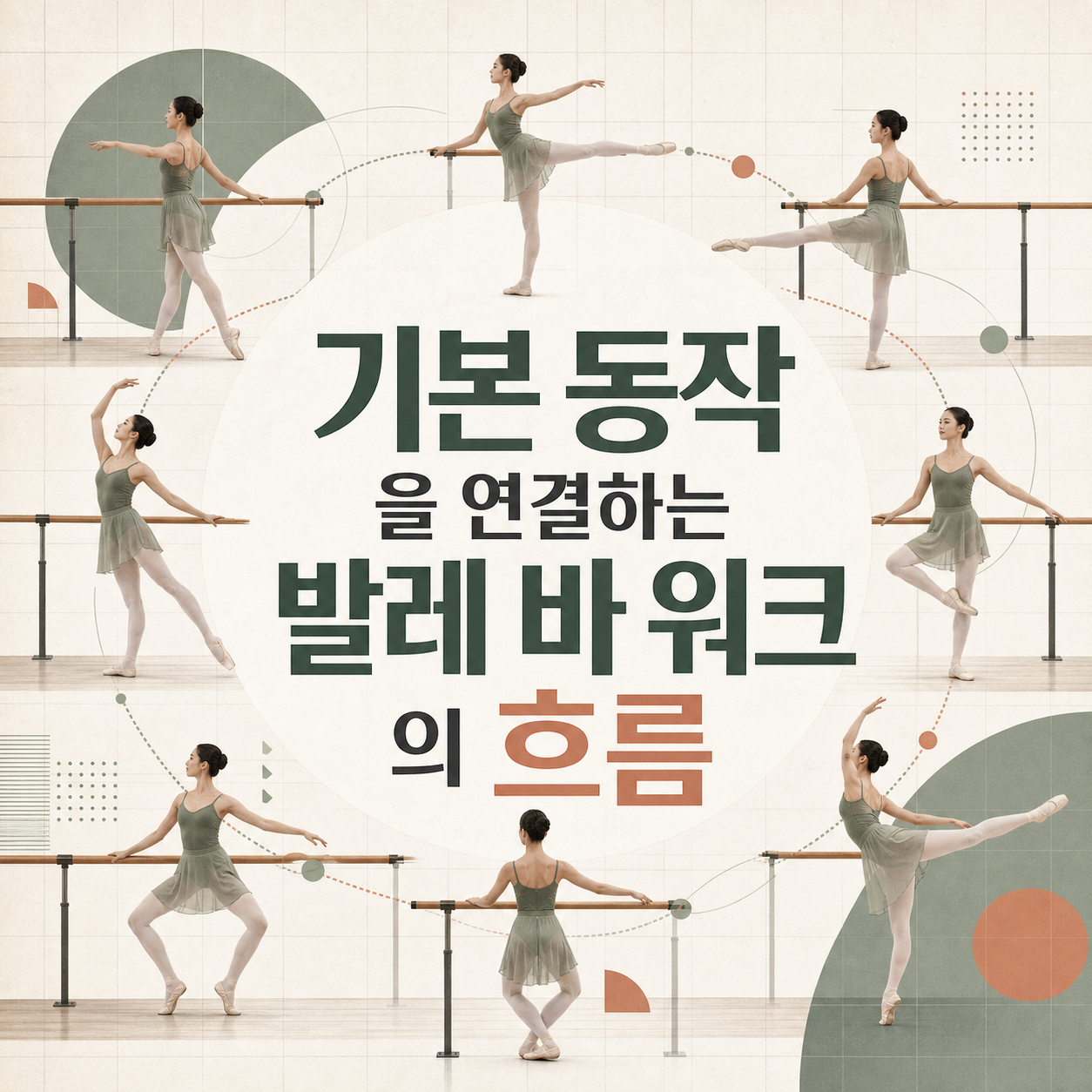
Your Feet Do the Holding, Not Your Hand: The Logic Behind 10 Ballet Barre Moves
Barre work isn't about memorizing steps -- it's training to carry the alignment found in one move straight into the next, from plie to port de bras.