
We compared ten Yonex badminton strings by gauge, repulsion, and durability so you can pick the gauge that fits your swing first.
When choosing a badminton string, settle the gauge first and fine-tune tension second. That is where most players get confused. They keep raising and lowering tension, then find the string snaps too soon or the shots feel dead, and end up restringing again. This list is meant to cut down that trial and error.
Instead of copying a pro's setup, Golladream re-ranked ten Yonex strings along three axes: gauge, surface finish, and durability. Numbers on a spec sheet rarely convey the difference, so each entry also says what kind of play it suits and what to watch out for.
How we ranked them
- Gauge: thinner strings react faster, thicker ones last longer
- Surface and coating: these shape the sound and how the shuttle seems to grip
- Durability: restringing frequency and cost matter too
- Play style: front-court and back-court players need different things
If strings keep breaking, start with the thicker options; if feel comes first, read from the top.
Yonex EXBOLT 63

Yonex EXBOLT 65

Yonex EXBOLT 68

Yonex BG66 ULTIMAX

Yonex BG80

Yonex BG65

Yonex BG65 TITANIUM

Yonex NANOGY 95

Yonex NANOGY 98

Yonex AEROBITE

How to choose
For fast response at the net, look at No. 1 EXBOLT 63 or No. 9 NANOGY 98. If you want a balance of response and lifespan, start with No. 2 EXBOLT 65 and No. 4 BG66 ULTIMAX. If strings snap often, the thicker picks such as No. 3 EXBOLT 68, No. 8 NANOGY 95, and No. 6 BG65 are more realistic.
When comparing, change only one thing at a time. Change the gauge and keep tension fixed, or change tension and keep the string fixed, so you can tell what made the difference. Grommet condition and stringing quality also affect the feel a lot.
Information reflects the time of research and may change, so check specs and prices with official channels before you buy.
Frequently asked questions
How often should I restring my badminton racket?
Players who hit once or twice a week often restring every 3 to 6 months, while daily competitors may do it every 1 to 2 months. Rather than waiting for a snap, treat a duller sound and flat repulsion as your real signal.
How do I choose the right tension?
Start near the low end of your frame's recommended range and raise it about a pound at a time, comparing as you go. Stringing tight from the start shortens string life and can strain your arm.
Is a thinner or thicker string better?
Thin strings (0.63-0.66mm) give sharper repulsion and feel but break more easily. Thicker ones (0.68mm and up) are steadier but feel a bit duller. Weigh swing speed, how often you mishit, and restringing cost.
When would I use a hybrid string?
A hybrid like AEROBITE uses different gauges for mains and crosses. It targets control players who want spin on hairpins and cuts along with quick response, and it makes sense once you know the feel you want.
If my strings keep breaking, should I always go thicker?
Not necessarily. Damaged grommets or frequent mishits can break even a thick string. Check your racket and swing habits first, and consider lowering the tension as well.
Can I just copy another player's tension?
We don't recommend it. Head weight, shaft stiffness, and the frame make the same tension feel very different. Use it as a reference and adjust in small steps on your own racket.
Get new lists before anyone else
Once a week — only the new lists worth your time.
No spam · unsubscribe in one click
You may also like

10 Doubles Patterns That Decide the Point Before Any Smash
Doubles edge comes from practicing serve, return, and third shot as one sequence; here are ten patterns from the low serve to the side-by-side switch.

Badminton Rallies Don't Break From a Weak Smash — They Break From a Slow Recovery
What keeps a badminton rally going is the habit of resetting after every shot, from the grip switch through doubles rotation, not a powerful smash.
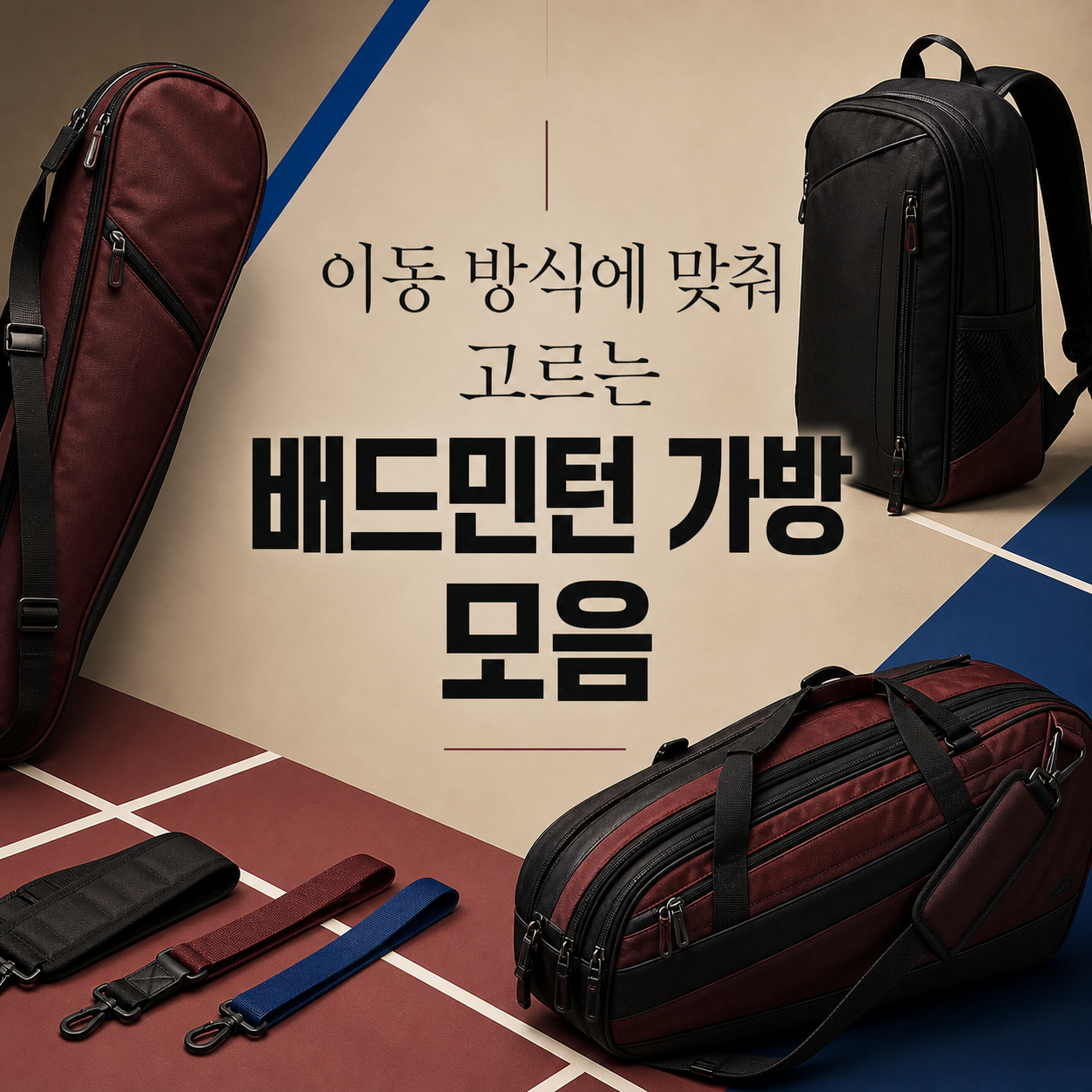
Badminton Bags: Choose by How You Travel, Not How Much It Holds
The right badminton bag depends on how you travel rather than capacity, and this list compares ten Yonex bags from lesson backpacks to tournament trolleys.
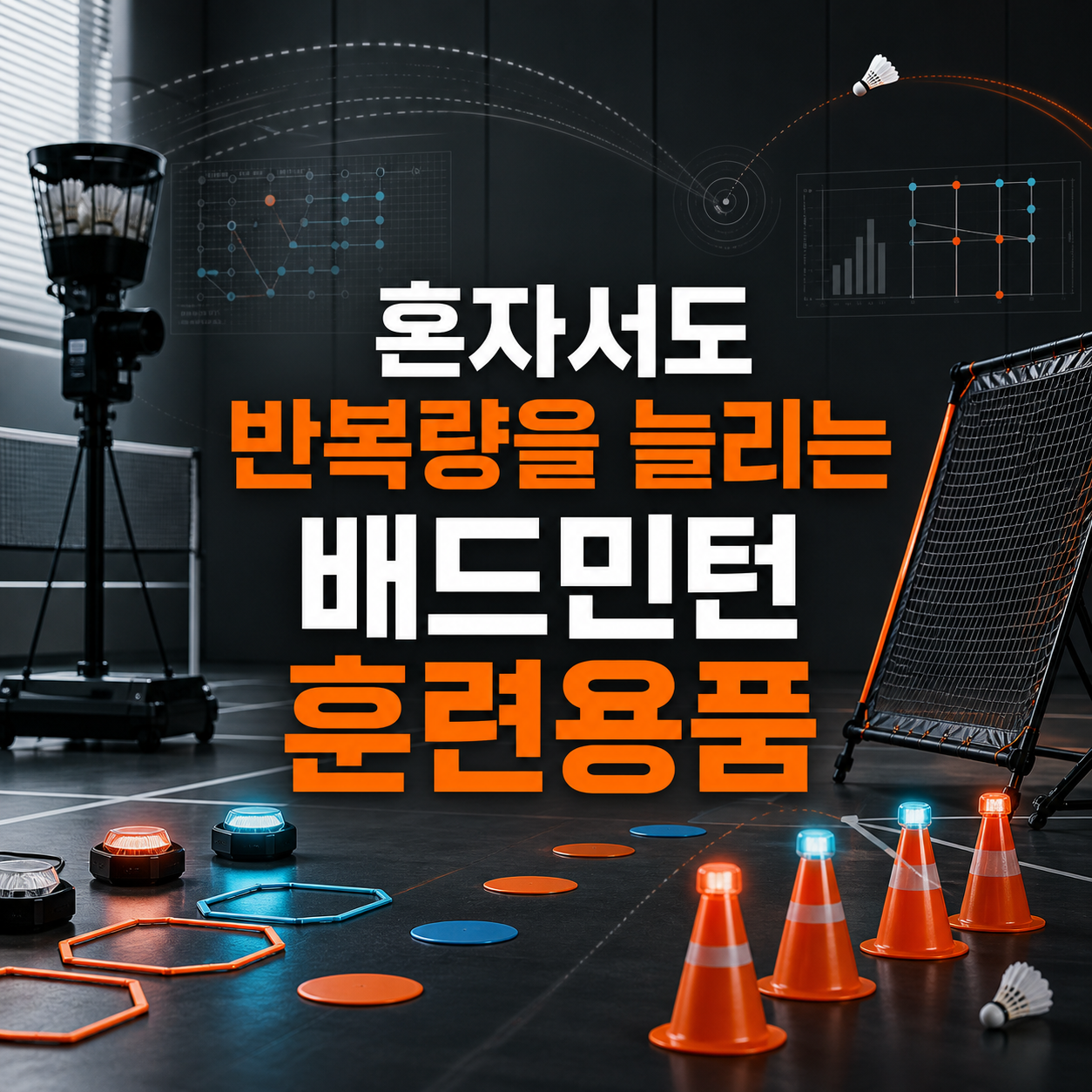
Badminton Training Gear — and Why It Won't Coach You
Badminton training gear falls into shuttle machines, ladders and hurdles, and reaction tools. No device replaces a coach's eye, so pick by goal and space.