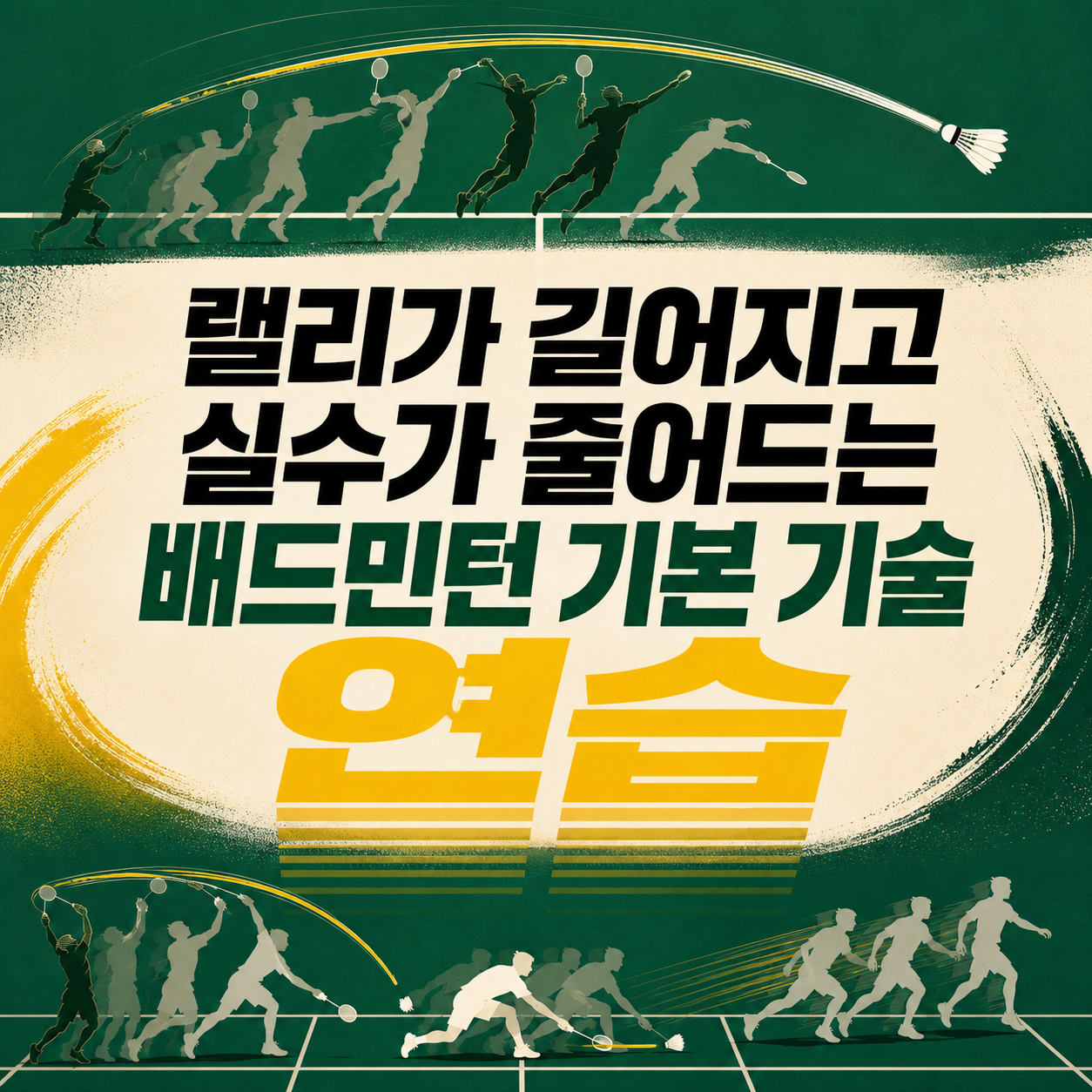
What keeps a badminton rally going is the habit of resetting after every shot, from the grip switch through doubles rotation, not a powerful smash.
Badminton fundamentals go smoothest in this order: grip, ready position, footwork, overhead strokes, net play, serves, and rotation. The point beginners most often get confused about is hitting hard, but what lengthens a rally is not power. It is how fast you get back to center and finish preparing for the next shuttle after you hit. This list puts that recovery at the center and builds ten skills around it in steps.
The order follows dependency rather than difficulty. Footwork stands on grip and the split step, clear, drop, and smash steady on footwork, and net play and doubles serves and rotation sit on top. If an earlier step wobbles, practice on a later one turns into posture repair.
Selection criteria
- Skills you can practice alone or with a partner on half a court
- Prerequisite skills placed ahead of the ones that depend on them
- Ordered from lower to higher physical strain
- Skills used in both singles and doubles come first
If you have already played, check footwork at number 3 first. If you are brand new, film yourself and work through the list from number 1.
Forehand-Backhand Grip Switch

Ready Position and Split Step

Six-Point Footwork and Base Recovery

Overhead Clear

Unifying Drop and Clear Motion

Smash and Landing Recovery

Flat Drive Rally

Net Shot vs. Lift Decision

Short Serve and the First Three Returns

Doubles Front-Back and Side Rotation

How to choose
If you just picked up a racket, build the basic frame of hands and feet with numbers 1 and 2. If your rallies keep ending early, go back to footwork and recovery at number 3. If your attack stalls, review the overhead strokes from numbers 4 to 6, focusing on a unified motion.
For doubles, work through numbers 7 to 10 with your partner, and if you make frequent errors at the net, start with number 8. Whatever the step, cut the reps if something hurts and film your form. This is general practice guidance and may change, so check rules and equipment with official channels.
Frequently asked questions
What order should I practice badminton fundamentals in?
It is most natural to learn the grip switch and ready position first, then widen to footwork, overhead strokes, net play, and finally serves and rotation. Moving on before the earlier steps feel automatic tends to lock in bad form.
Can I practice footwork alone?
Shadow footwork, tapping the six court points without a shuttle, works fine solo. Practice the braking on your last foot and the return to center as one set, not just arrival speed.
Why does rotation matter so much in doubles?
If you do not swap positions when attack and defense flip, gaps open or both players crowd one spot. Setting basic patterns, front-back on attack and side-by-side on defense, with calls makes matches steadier.
My smash is weak. Should I build strength first?
This list looks at contact point and recovery after landing before strength. Learn contact feel with half smashes, and cut the reps if anything hurts.
My opponents keep reading my drop. What should I change?
Make the windup identical to your clear and cut power only at impact. If the racket slows from the very start, your opponent runs forward early.
When should I lift instead of playing a net shot?
If the shuttle has dropped low below the net, do not force an attack. Lifting safely to the back is better, and alternating net shots and lifts from the same setup speeds up the decision.
Get new lists before anyone else
Once a week — only the new lists worth your time.
No spam · unsubscribe in one click
You may also like
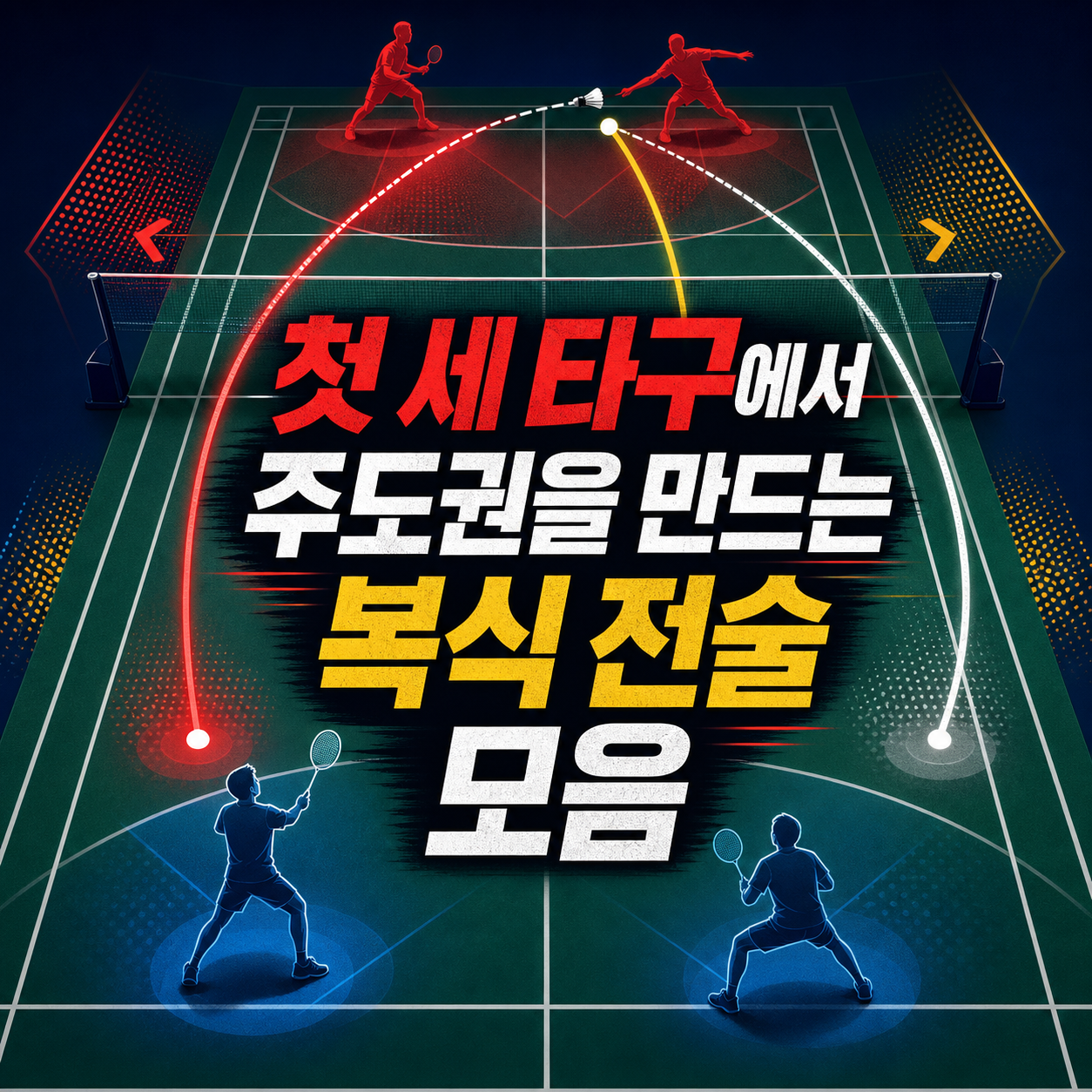
10 Doubles Patterns That Decide the Point Before Any Smash
Doubles edge comes from practicing serve, return, and third shot as one sequence; here are ten patterns from the low serve to the side-by-side switch.

Forget the Tension Chart: Start With String Gauge
We compared ten Yonex badminton strings by gauge, repulsion, and durability so you can pick the gauge that fits your swing first.
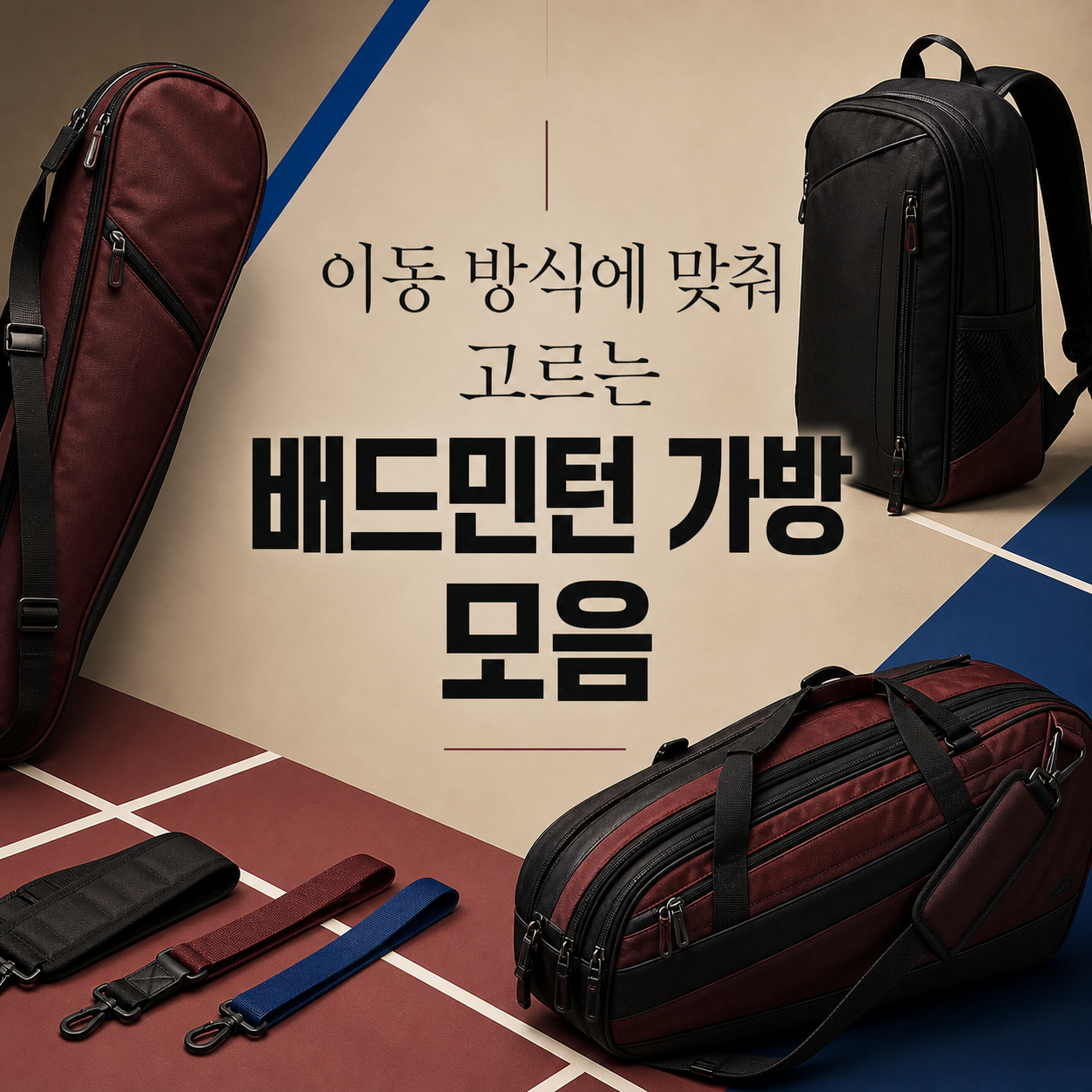
Badminton Bags: Choose by How You Travel, Not How Much It Holds
The right badminton bag depends on how you travel rather than capacity, and this list compares ten Yonex bags from lesson backpacks to tournament trolleys.

Badminton Training Gear — and Why It Won't Coach You
Badminton training gear falls into shuttle machines, ladders and hurdles, and reaction tools. No device replaces a coach's eye, so pick by goal and space.