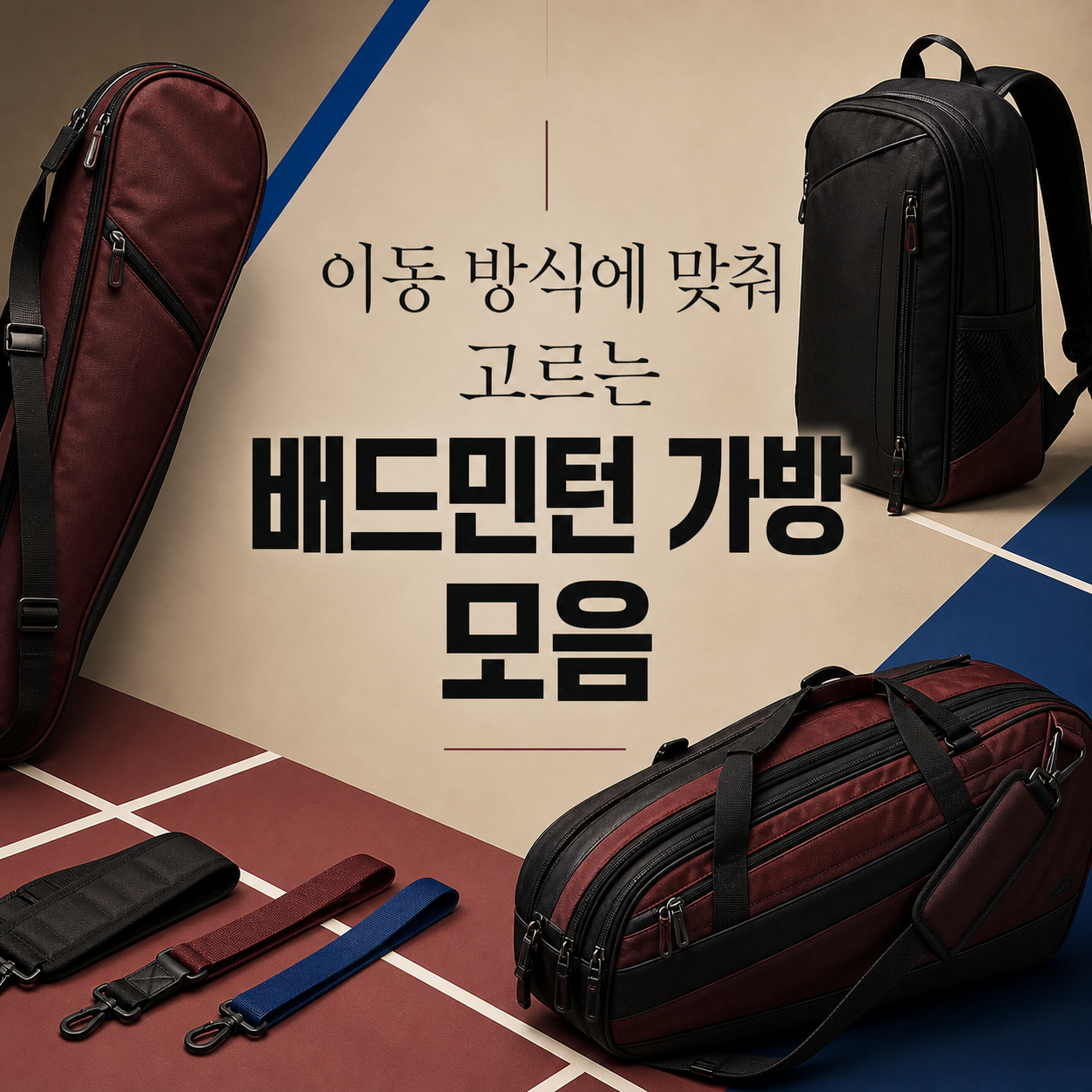
The right badminton bag depends on how you travel rather than capacity, and this list compares ten Yonex bags from lesson backpacks to tournament trolleys.
How should you choose a badminton bag? Go by how you travel, not by capacity. If you head to a lesson straight from work, a backpack is easiest. If you drive to tournaments, a long bag that splits racquets from clothing keeps things tidy. For trips through airports and hotels, a wheeled trolley takes a lot of strain off your body.
A bigger bag is not always better. The racquet count on the label is a maximum, and once shuttles, shoes, and damp clothes go in, fewer racquets actually fit. This list compares Yonex's Pro, Expert, and Compact lines by travel method, how well gear stays separated, and how much storage space you have at home.
How we ranked
- Travel method: on foot, bike, transit, car, or plane
- Separation: can shoes and wet clothes sit apart from racquets
- Racquet protection: do spares stay put without rattling
- Storage: how much room it takes at home and at the gym
Large tournament and travel bags are ranked higher, with everyday backpacks and compact bags below. If you play tournaments often, start with ranks 1 to 4; for weekday lessons, look at 5, 6, and 9; and if you are just starting out, begin at 10.
Yonex Pro Racquet Bag 9 Pieces
Yonex Pro Racquet Bag 6 Pieces
Yonex Pro Tournament Bag

Yonex Pro Trolley Bag

Yonex Pro Backpack L
Yonex Pro Backpack B
Yonex Expert Tournament Bag
Yonex Expert Racquet Bag 6 Pieces
Yonex Expert Backpack

Yonex Compact Racquet Bag

How to choose
If tournaments and away trips are frequent, the 9-piece bag at rank 1 or the 6-piece at rank 2 gives you room, while the trolley at rank 4 is easier on your body if you carry a lot or fly. For drivers who want gear neatly organized, look at the tournament bags at ranks 3 and 7.
For weekday lessons after work, ranks 5 and 6 fit well, and the rank 9 backpack suits carrying just a racquet or two. Beginners or anyone short on storage can start with the compact bag at rank 10. When comparing, look at shoe and wet-clothes separation, strap comfort, and measured dimensions before the racquet count.
Details reflect our research as of October 2026 and may change, so confirm specs and prices through official channels before buying.
Frequently asked questions
What does the racquet count printed on a bag actually mean?
It is closer to a maximum than a practical figure. Once you add shuttles, clothing, and shoes, the number of racquets that fit is lower than the label. If you pack heavy, consider sizing up.
How is a backpack different from a tournament-style duffel bag?
A backpack keeps both hands free, which suits walking, biking, or transit. A duffel lies flat in a car trunk or under a bench and organizes clothes and gear neatly, but it is less comfortable to carry far.
When do I need a wheeled trolley bag?
It shines on long tournaments, training camps, or overseas trips with a lot of gear and airport or hotel transfers. If your route has stairs or narrow gym corridors, it can be a hassle, so picture the route first.
Which bag works best for lessons after work?
A backpack that frees your hands and splits daily items from sports gear is easiest. On this list that means the Pro Backpack L and B and the Expert Backpack. Check for a compartment for shoes and damp clothes.
What size should a beginner buy?
If you carry just one or two racquets and a few items, a small bag like the Compact Racquet Bag is enough. An oversized bag lets gear slide around, so lay out your usual load before deciding.
How do I keep sweaty clothes away from the rest of my gear?
Look for a dedicated compartment for shoes and wet clothes, or use a separate pouch. In a backpack, especially, keep damp clothing from touching electronics like a laptop.
Get new lists before anyone else
Once a week — only the new lists worth your time.
No spam · unsubscribe in one click
You may also like
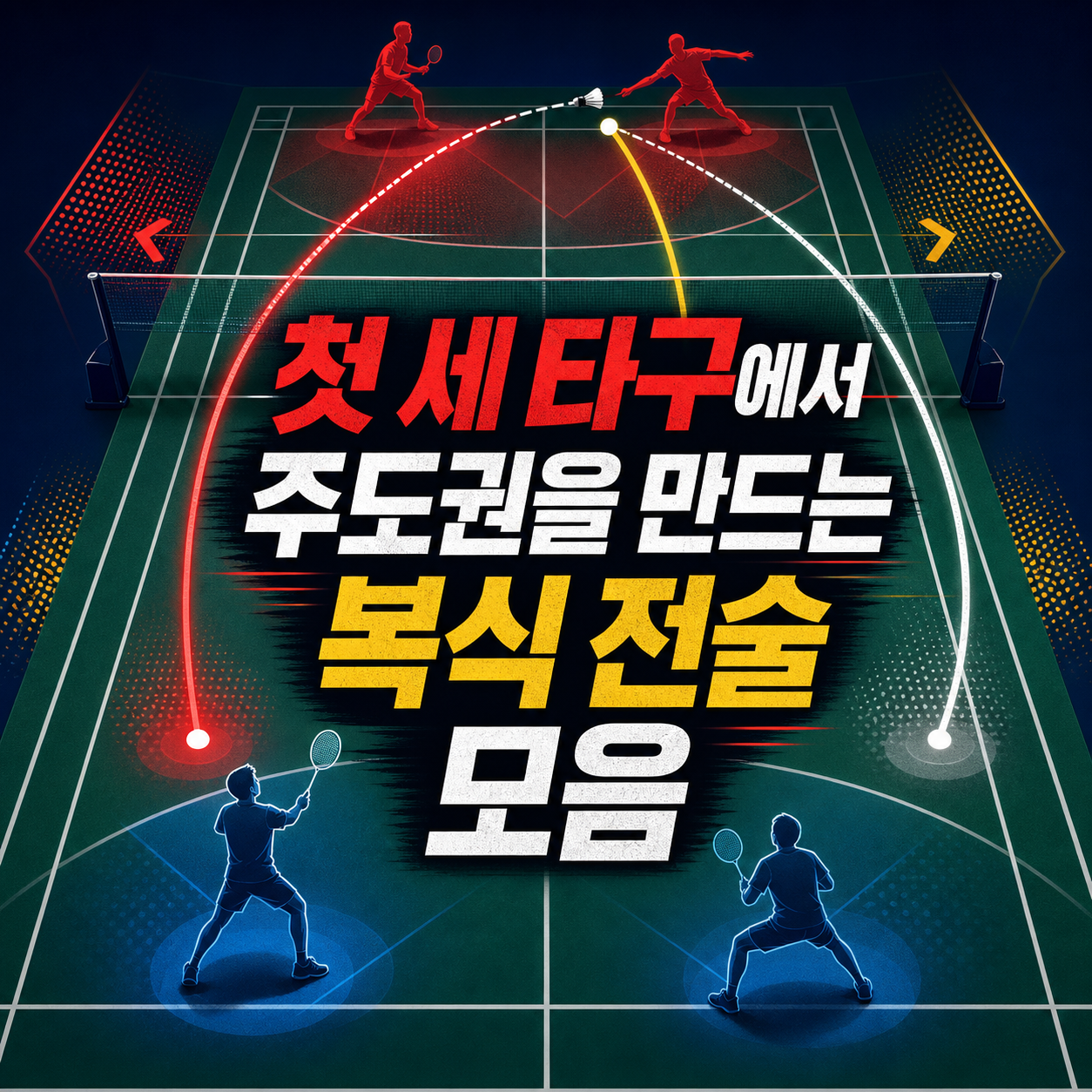
10 Doubles Patterns That Decide the Point Before Any Smash
Doubles edge comes from practicing serve, return, and third shot as one sequence; here are ten patterns from the low serve to the side-by-side switch.
Badminton Rallies Don't Break From a Weak Smash — They Break From a Slow Recovery
What keeps a badminton rally going is the habit of resetting after every shot, from the grip switch through doubles rotation, not a powerful smash.

Forget the Tension Chart: Start With String Gauge
We compared ten Yonex badminton strings by gauge, repulsion, and durability so you can pick the gauge that fits your swing first.
Badminton Training Gear — and Why It Won't Coach You
Badminton training gear falls into shuttle machines, ladders and hurdles, and reaction tools. No device replaces a coach's eye, so pick by goal and space.