경주여행

Gyeongju Cafés Bright Enough to Beat a Cloudy Day
Six Gyeongju cafés built around big windows and light walls, ranked by how open they feel on a cloudy day.
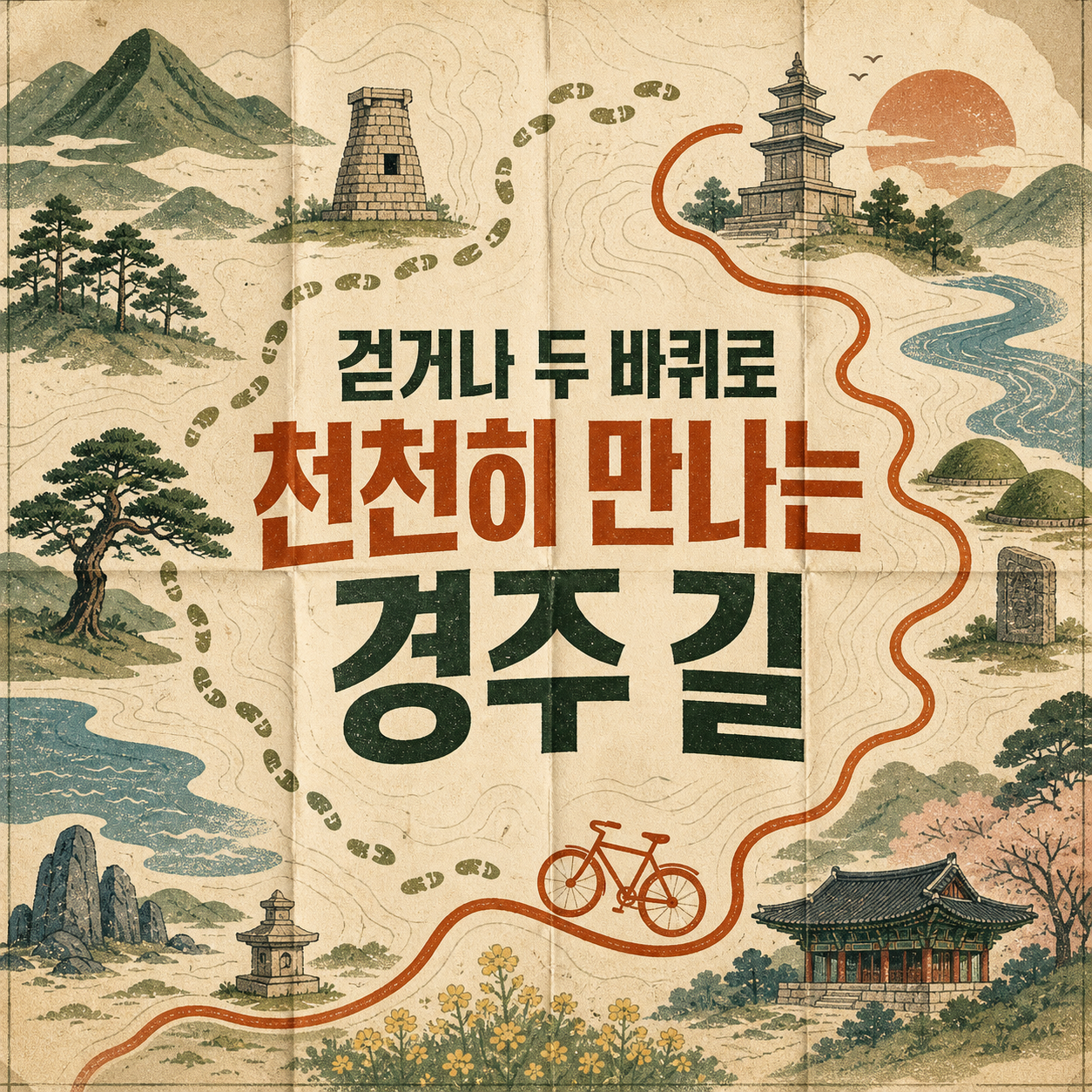
Pick the Turnaround Point First: Walking and Cycling Routes in Gyeongju
In Gyeongju, choosing where to walk or bike matters more than covering the whole route, since surface, difficulty, and weather should decide your stopping point.
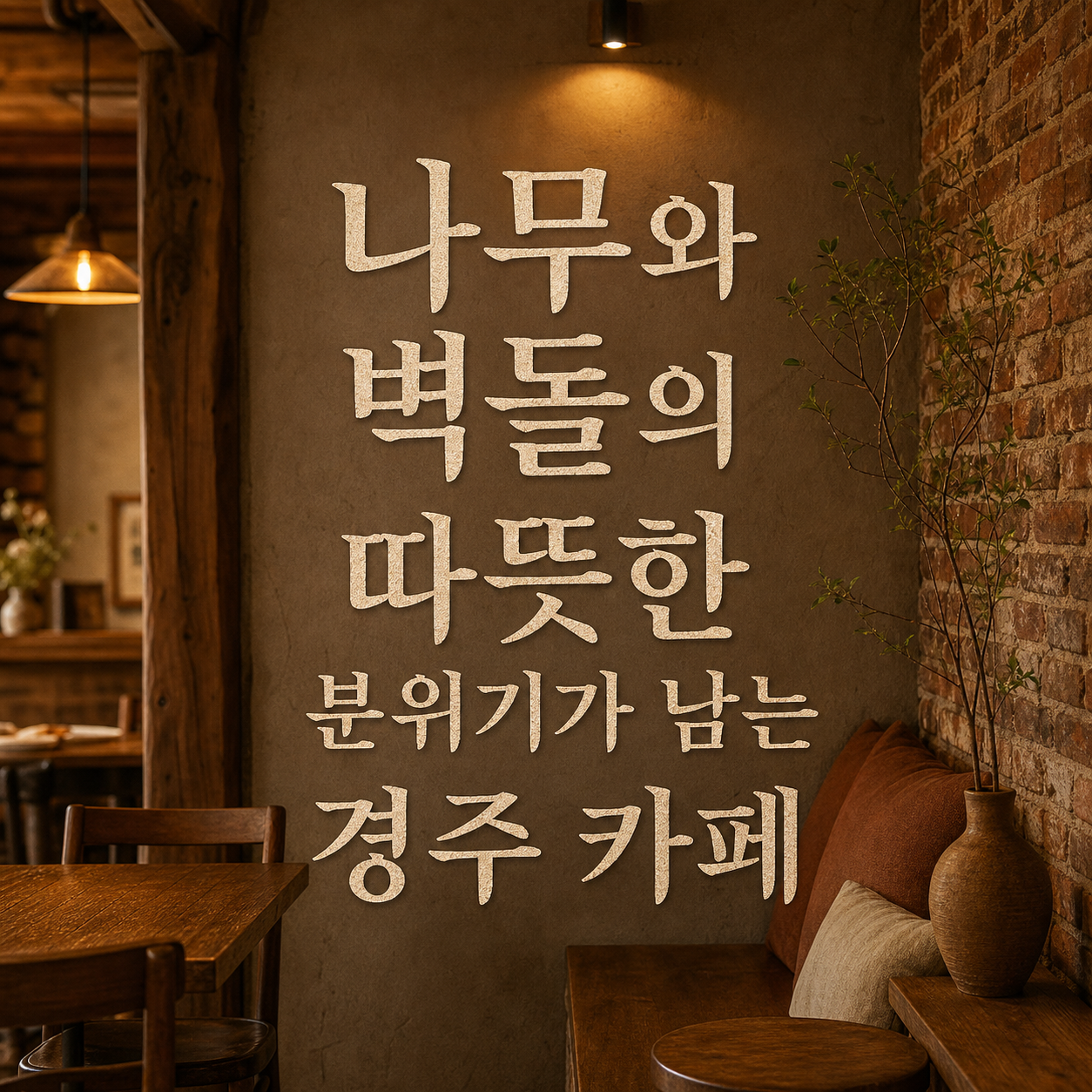
The Wood-and-Brick Cafés That Make Gyeongju Feel Warm
Eight Gyeongju cafés chosen for their wood, brick, and warm lighting — judged by what's in the room now, not the building's history.
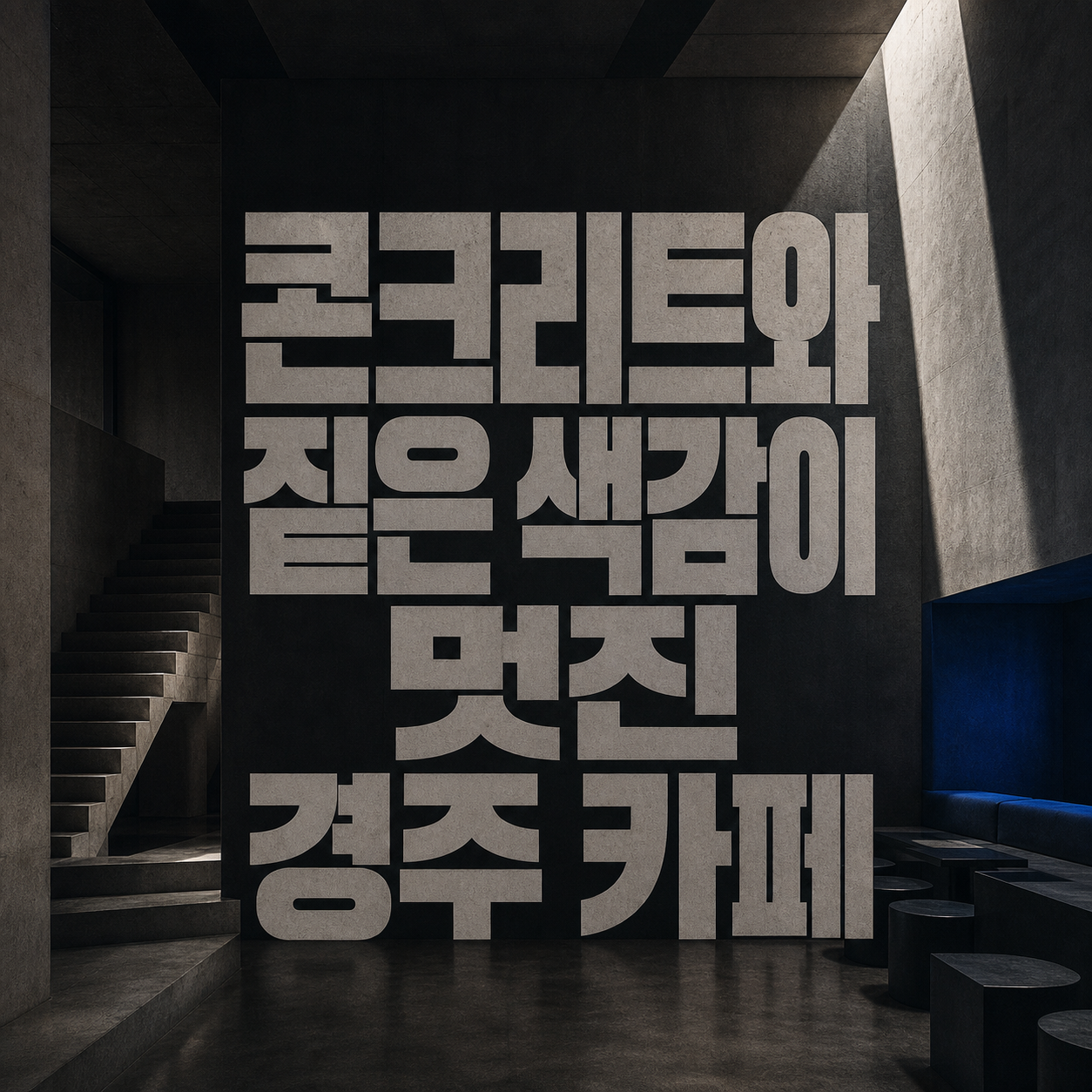
Gyeongju Has Concrete Cafes Too, Not Just Hanok and Gardens
Nine Gyeongju cafes built around exposed concrete, metal, and dark tones, split between the Daereungwon area and the Gampo-Yangnam coastline.
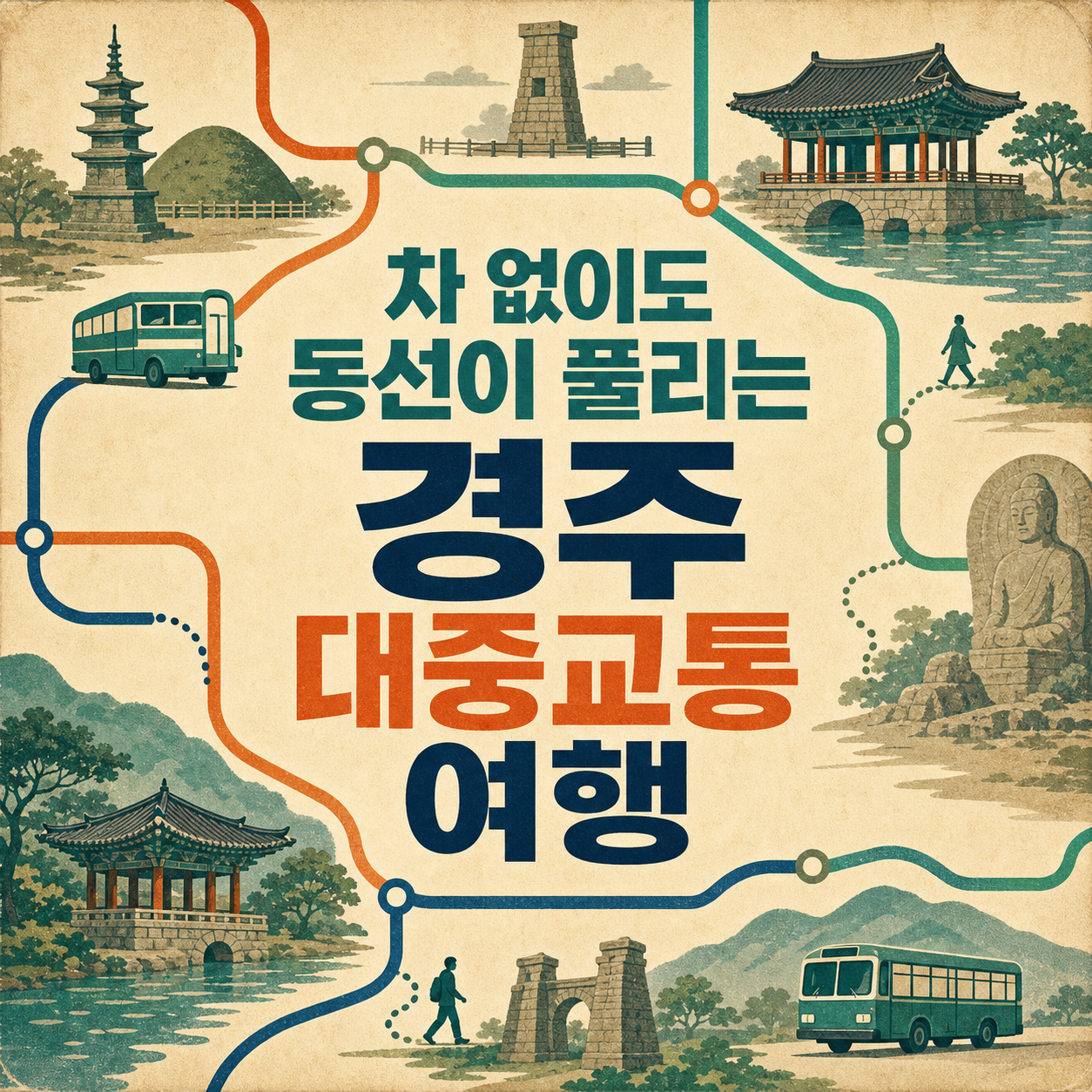
In Gyeongju Without a Car? Pick Your Transfer Point First
The hardest part of a car-free Gyeongju trip isn't picking which sight to see — it's figuring out the transfer right after you arrive. Here's how to plan around the station, terminal, and area info centers.
Rainy-Day Gyeongju: Plan the Route, Not Just the List
When rain threatens your Gyeongju itinerary, grouping indoor stops by neighborhood — not just picking any indoor spot — is what keeps the day on track.
Gyeongju's Quiet Side: West of Hwangnidan-gil
Skip Hwangnidan-gil for a quieter route through Angang's academies and royal tomb, Seomyeon's ginkgo village, and Sannae's open grassland and streams.

Gyeongju Has a Coastline Too: Gampo and Yangnam by the Sea
Lighthouses, fishing ports, sea caves and sandy beaches along Gyeongju's east coast, split into a Gampo loop and a Yangnam loop.
Where You Sleep in Gyeongju Decides Where You Go Next
Pick a Gyeongju hotel by district first — Bomun Lake, the Hwangnam old town, or the Bulguksa side — and this list compares 10 working stays in that order.