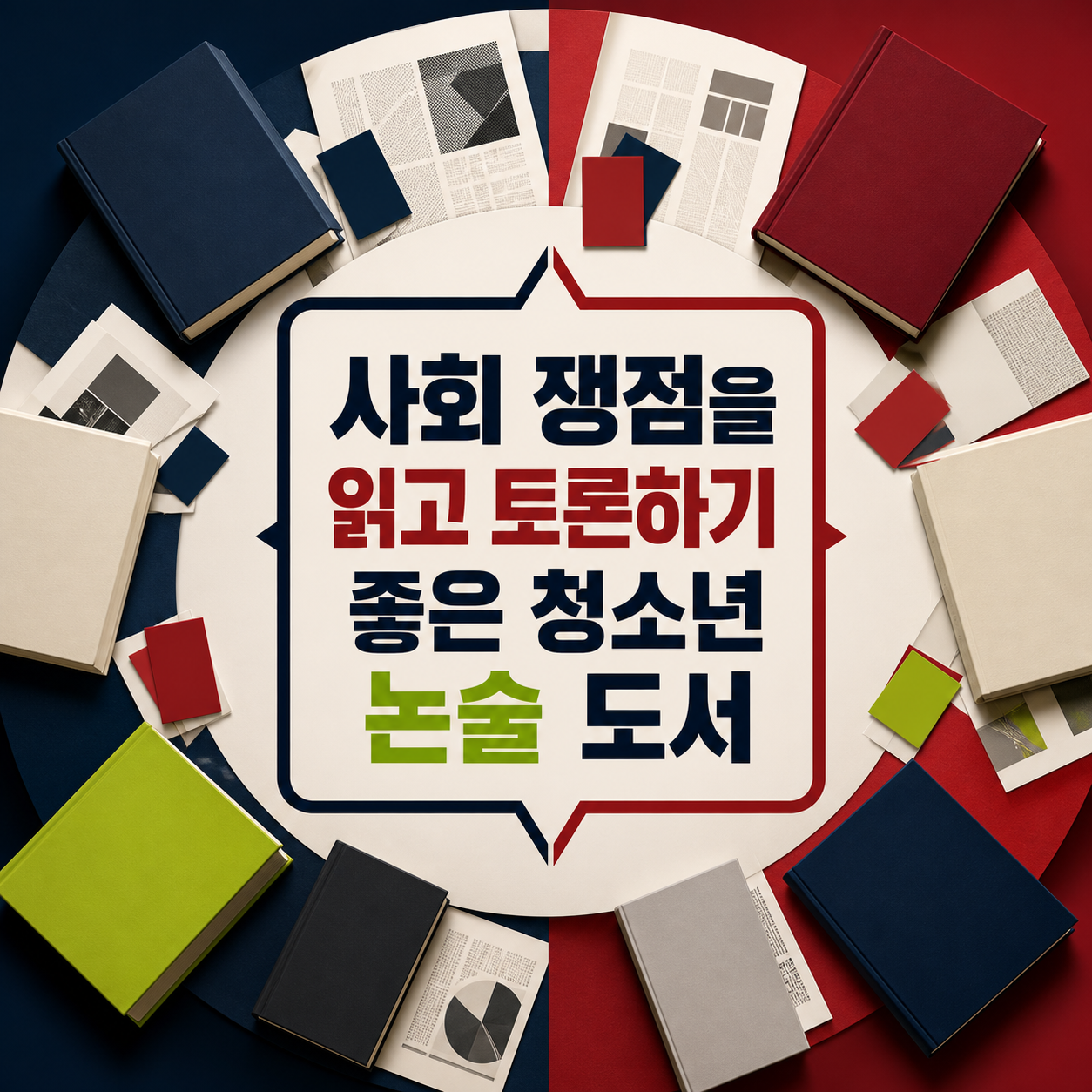
Arguing why a character chose what they chose, with evidence, is what turns a book report into an essay — these 10 YA novels tackle overlapping conflicts from different angles, with grade-level reading tips.
The hardest question before a reading-essay assignment isn't "which book should I read" but "what am I supposed to argue about it." Summarizing the plot and listing your feelings rarely counts as an essay. Real essay writing means arguing, with evidence, why a character made the choice they did, whether another path was possible, and where the values the book champions collide with the real world.
The ten novels below revisit overlapping themes — family, identity, responsibility, discrimination — from different angles, so finishing one and comparing it to another naturally broadens a student's thinking. The ranking isn't based on sales; it weighs how easily a book's conflict converts into a debate topic, how sharp that conflict is, and how well the difficulty spans middle school through high school.
How We Picked
- Does a character's choice split readers into clear for-and-against camps?
- Can the conflict convert into one or two debate topics right away?
- Is the difficulty manageable from younger middle schoolers through high schoolers?
- Do the top picks avoid repeating the same theme — family, identity, discrimination, responsibility?
Here's how to use the list by grade. Younger middle schoolers should start with #1 or #6, where the character relationships are simpler; high schoolers or students prepping for a social-issues debate should start with #9 or #10, which dig into structural problems. Before reading, turn the title and cover into a question. While reading, note the scene where your judgment of a character shifted. Afterward, skip "how did it make you feel" and ask "what was the strangest choice in the book?" instead — an evidence-based argument tends to follow on its own.
Wandeuki
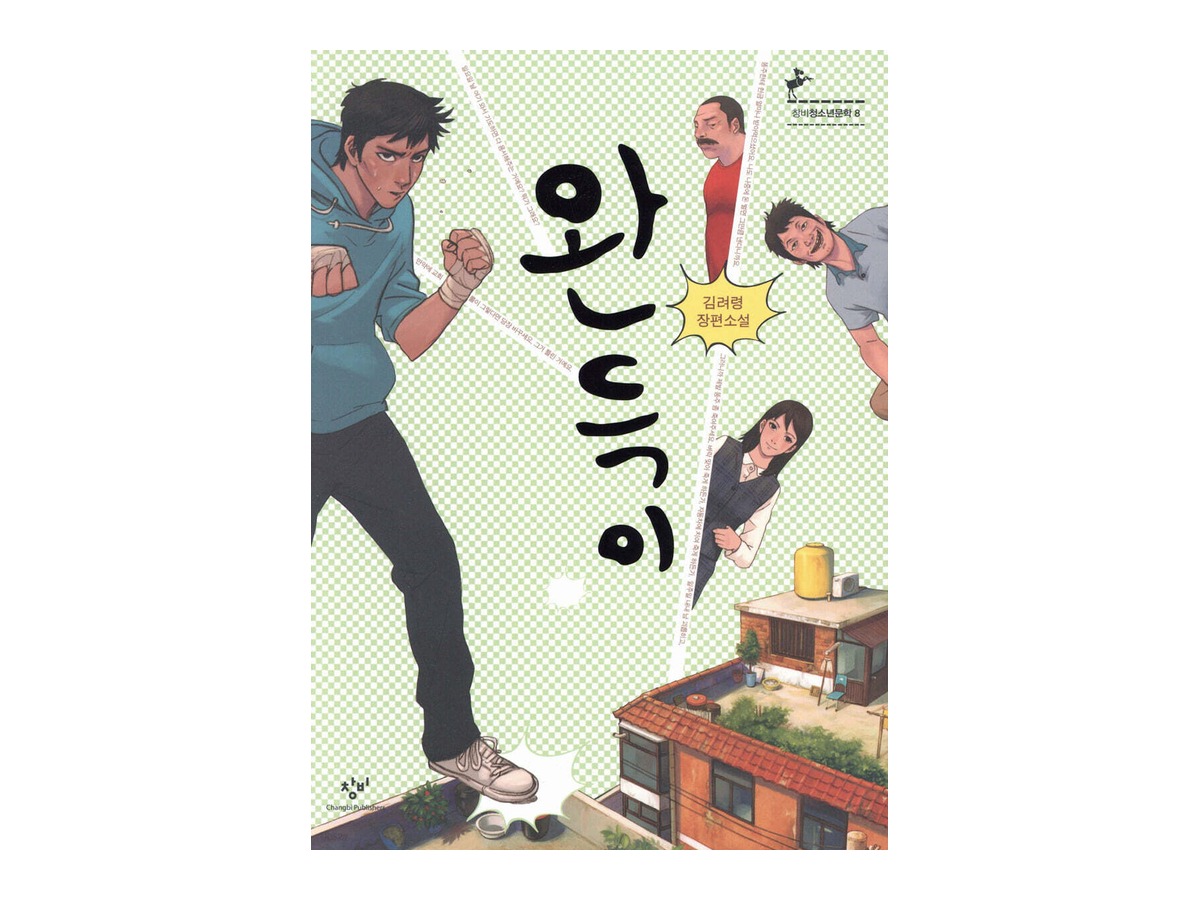
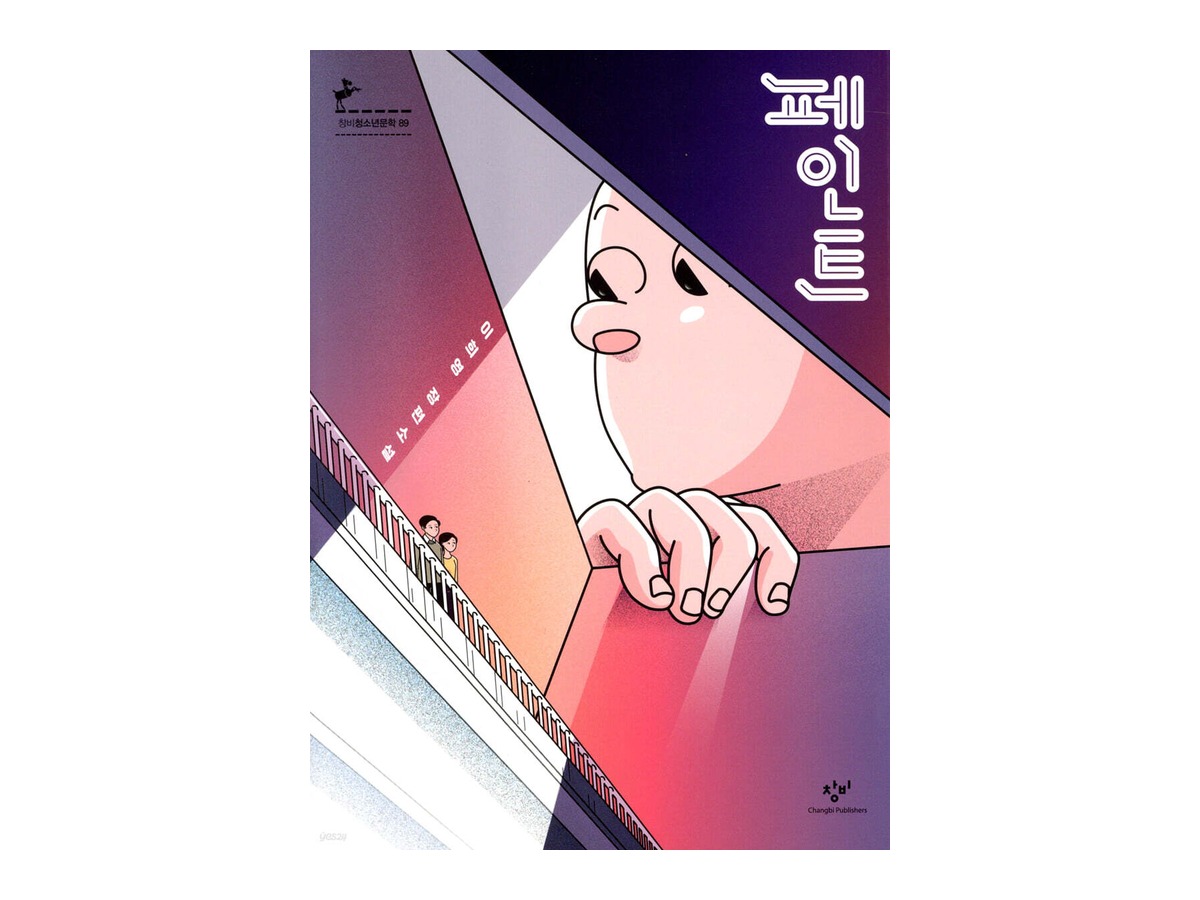
Paint
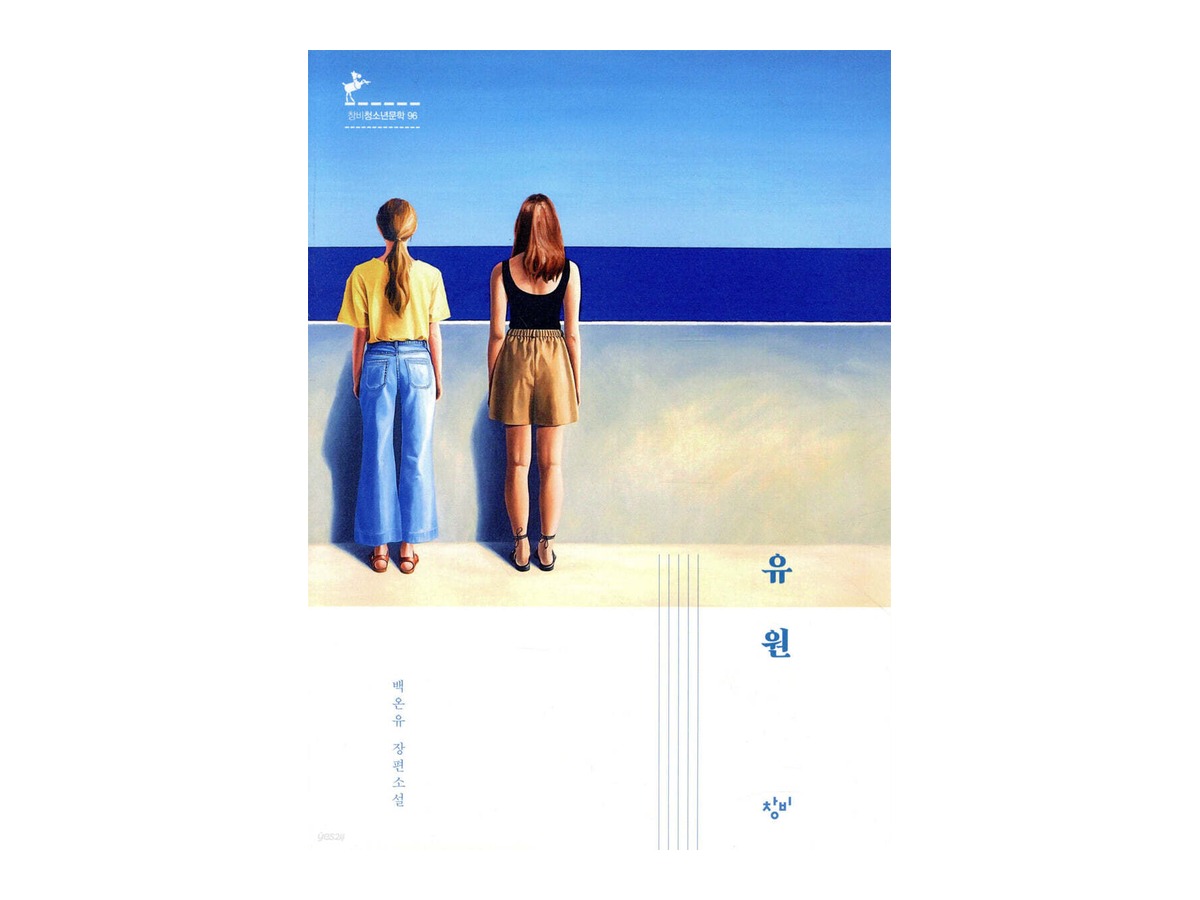
Yuwon
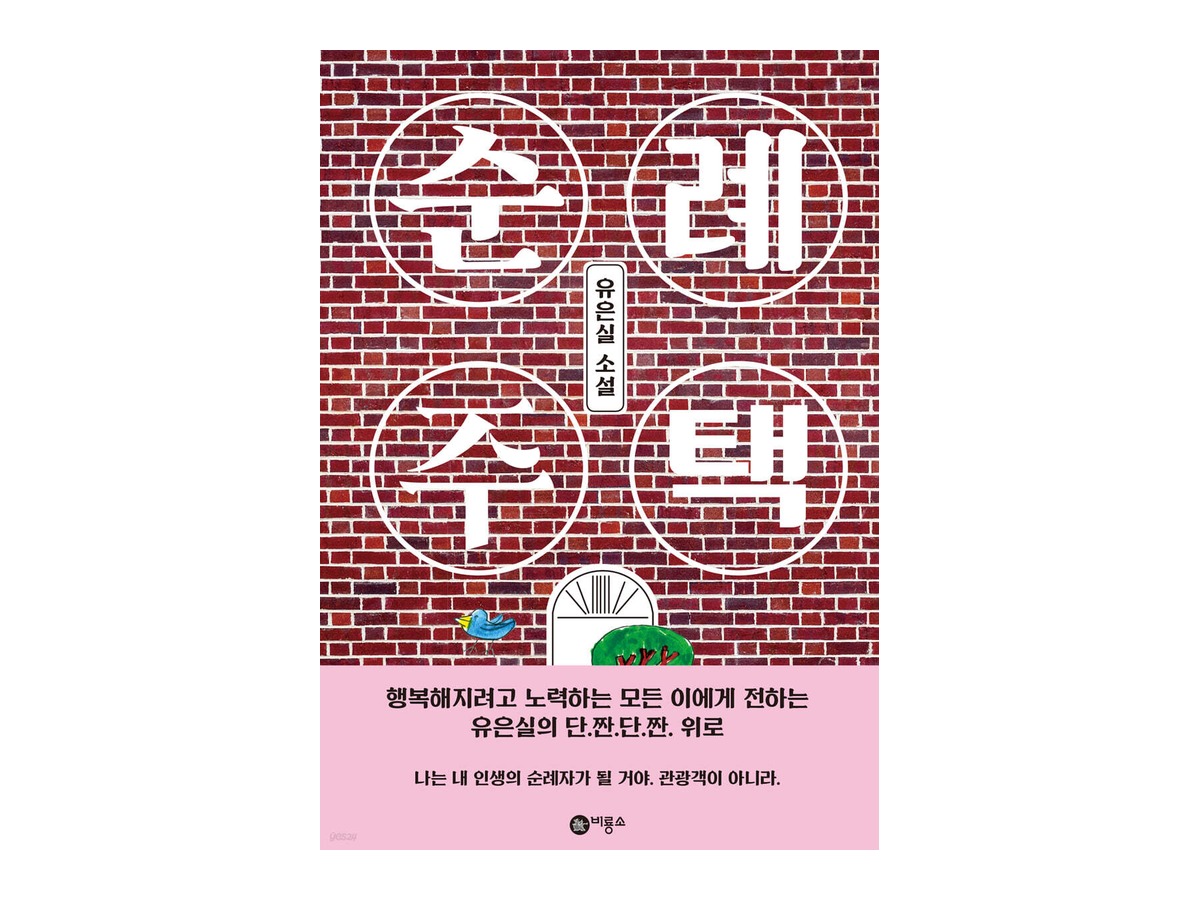
Sullye House
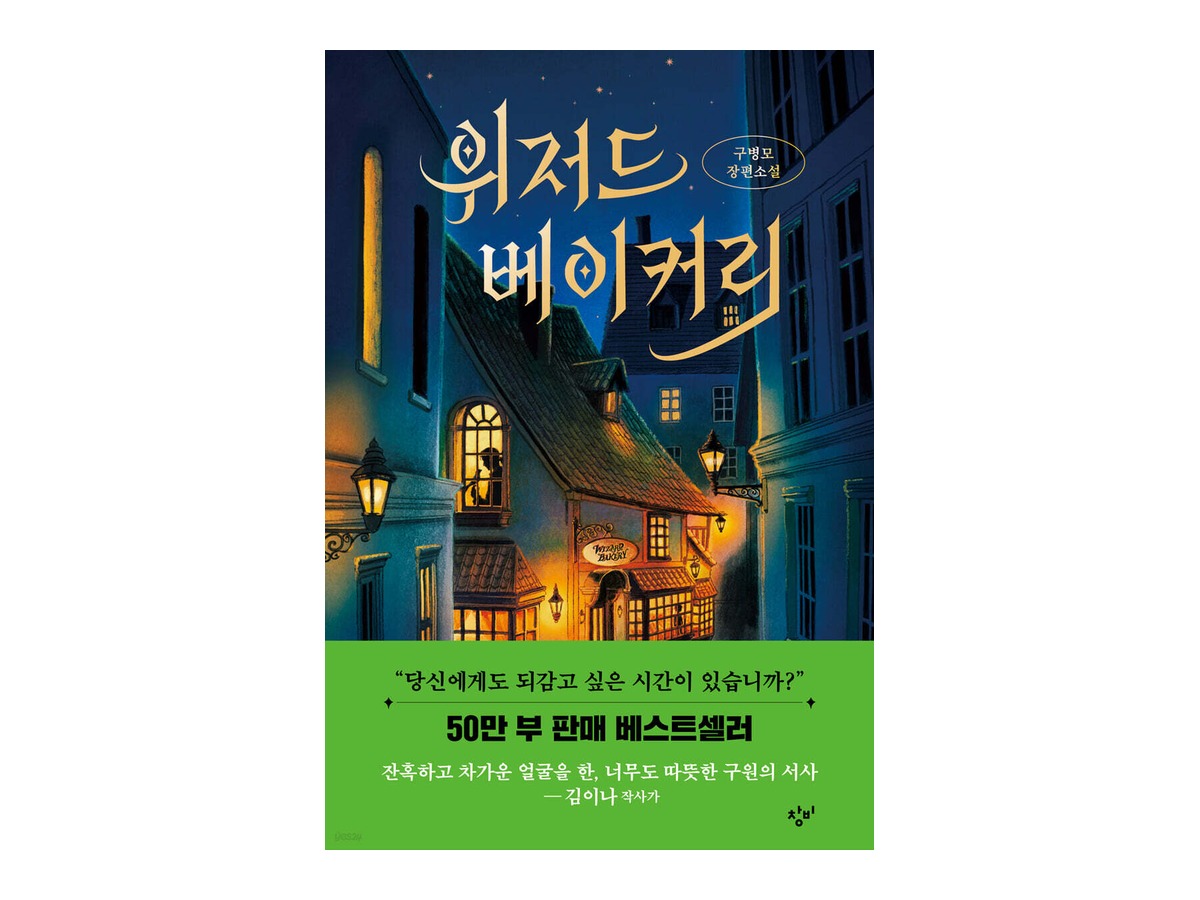
Wizard Bakery
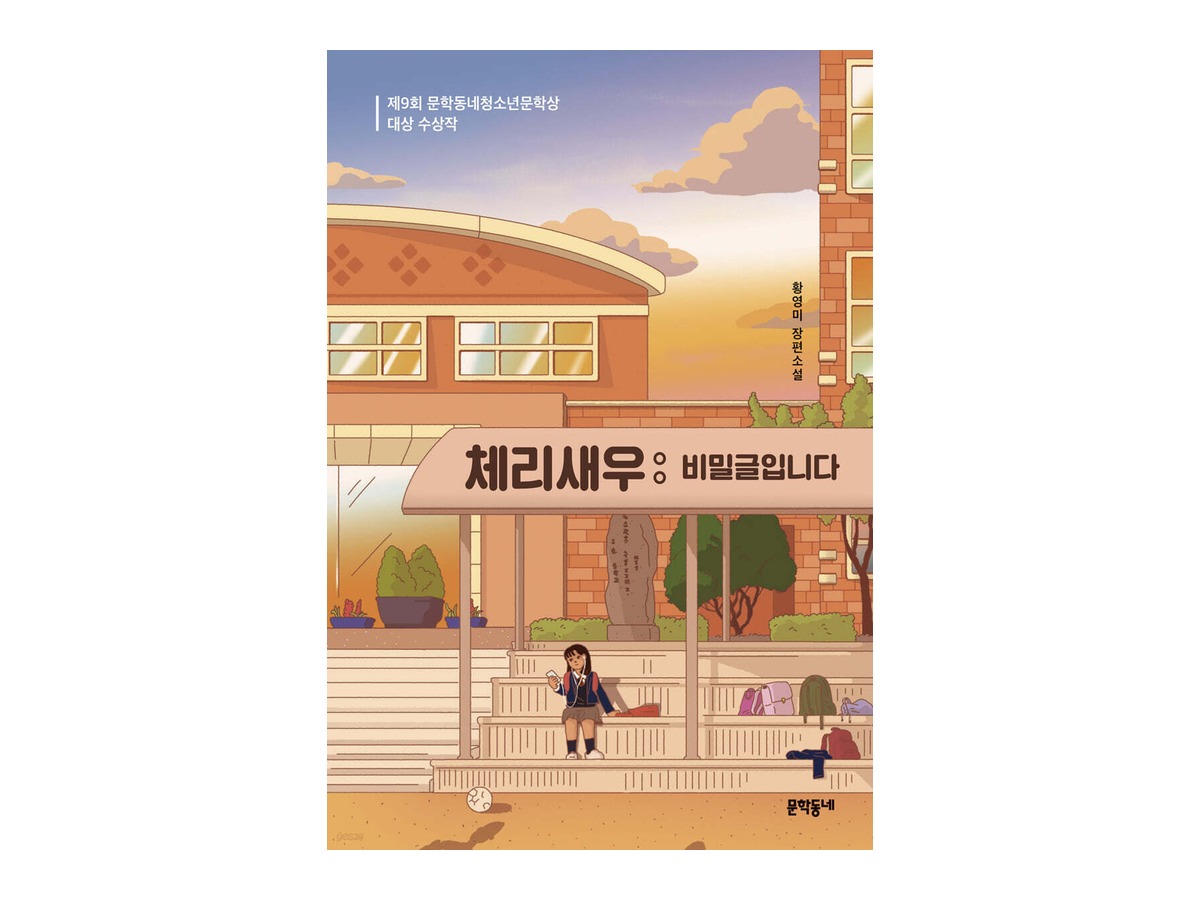
Cherry Shrimp: It's a Secret
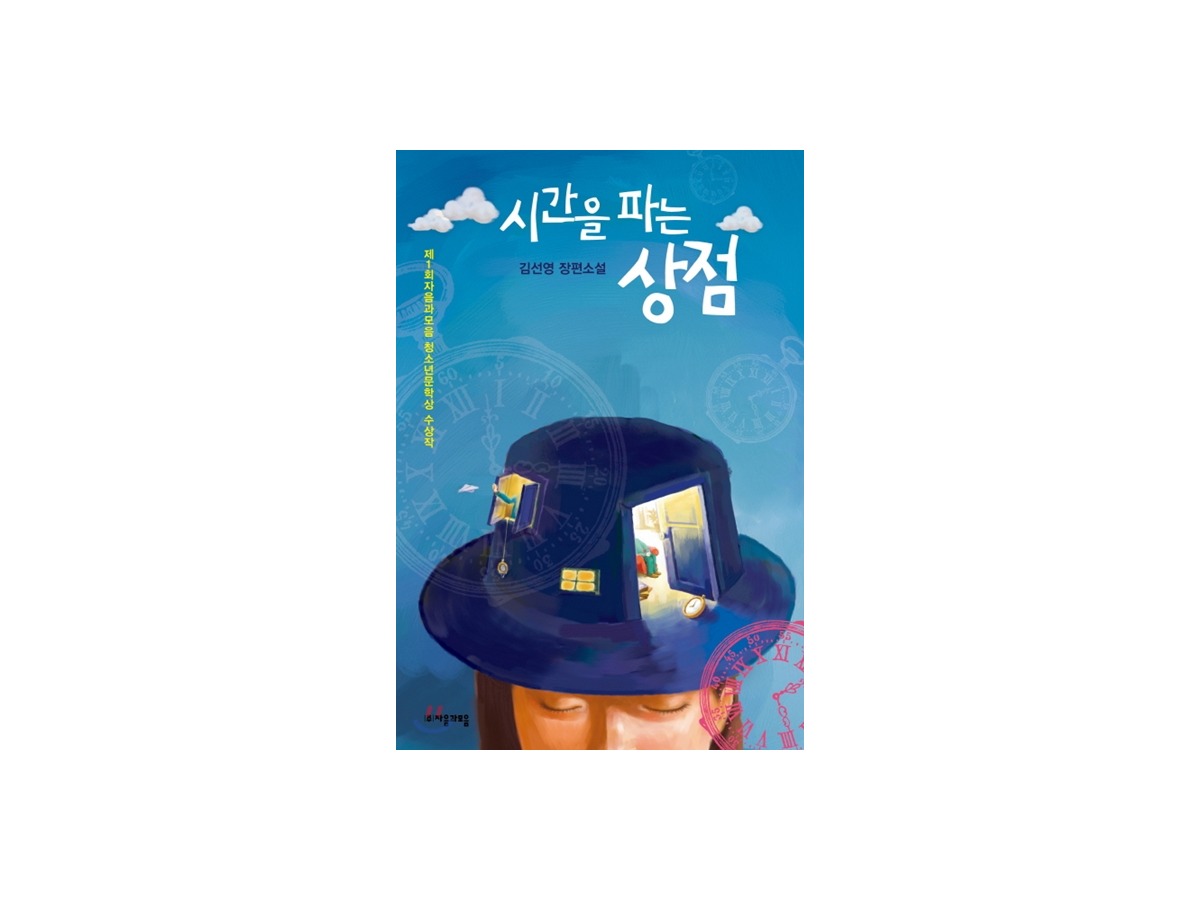
The Shop That Sells Time
Almond
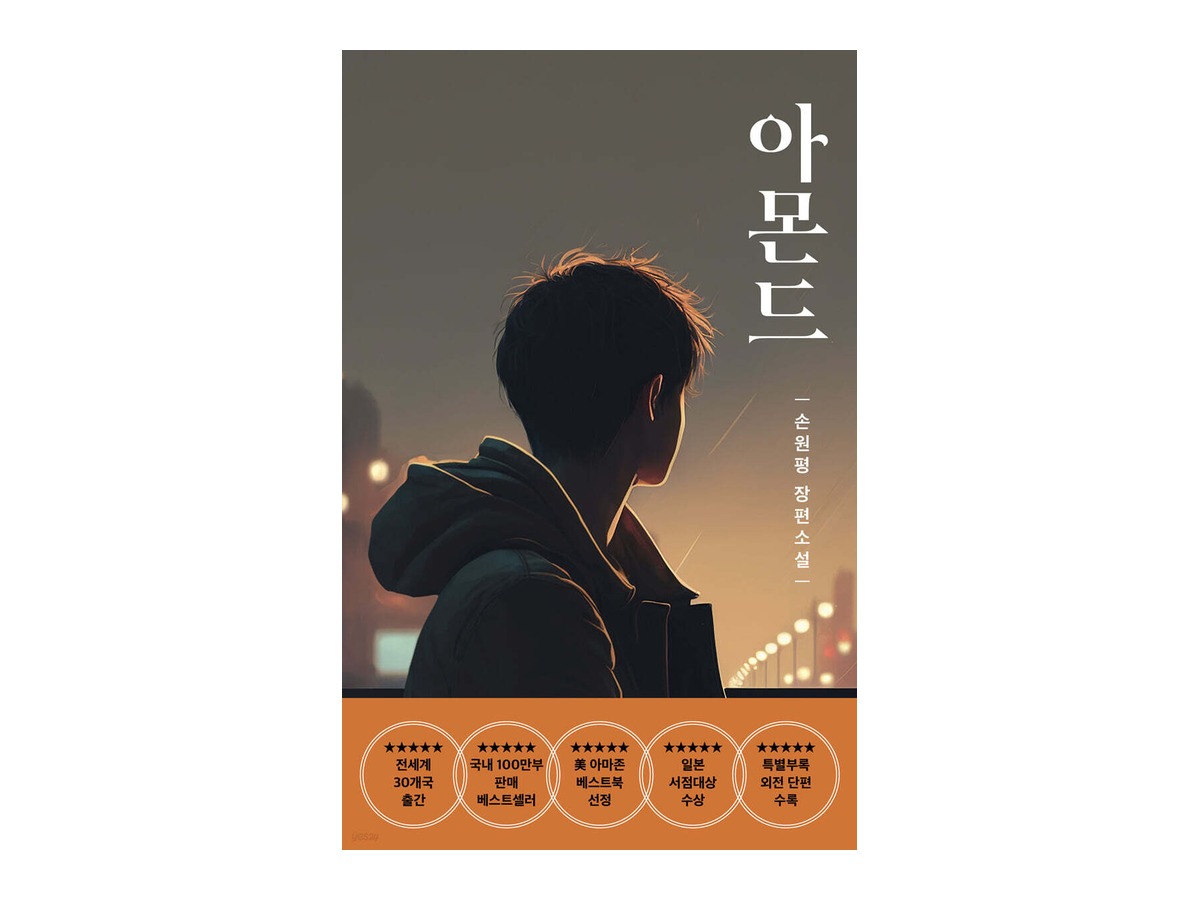
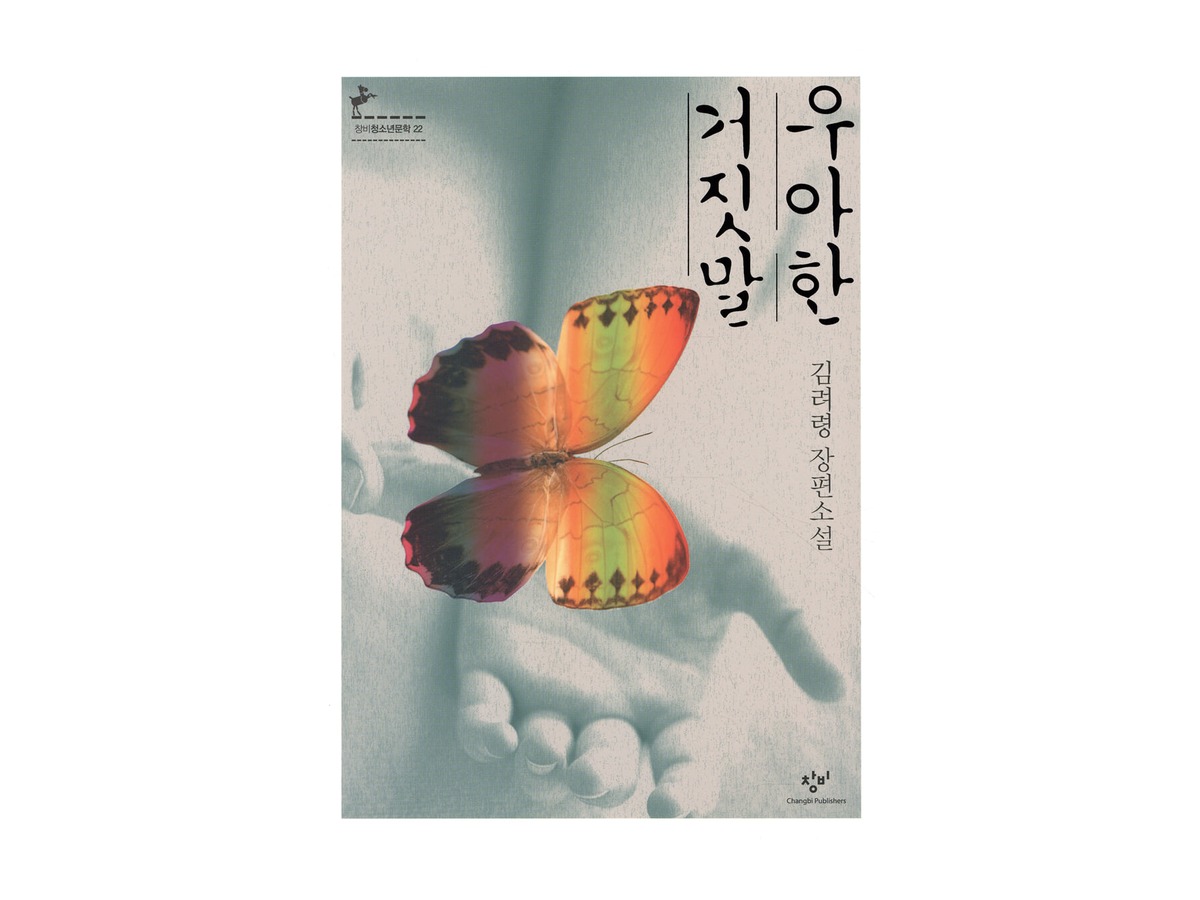
Elegant Lies
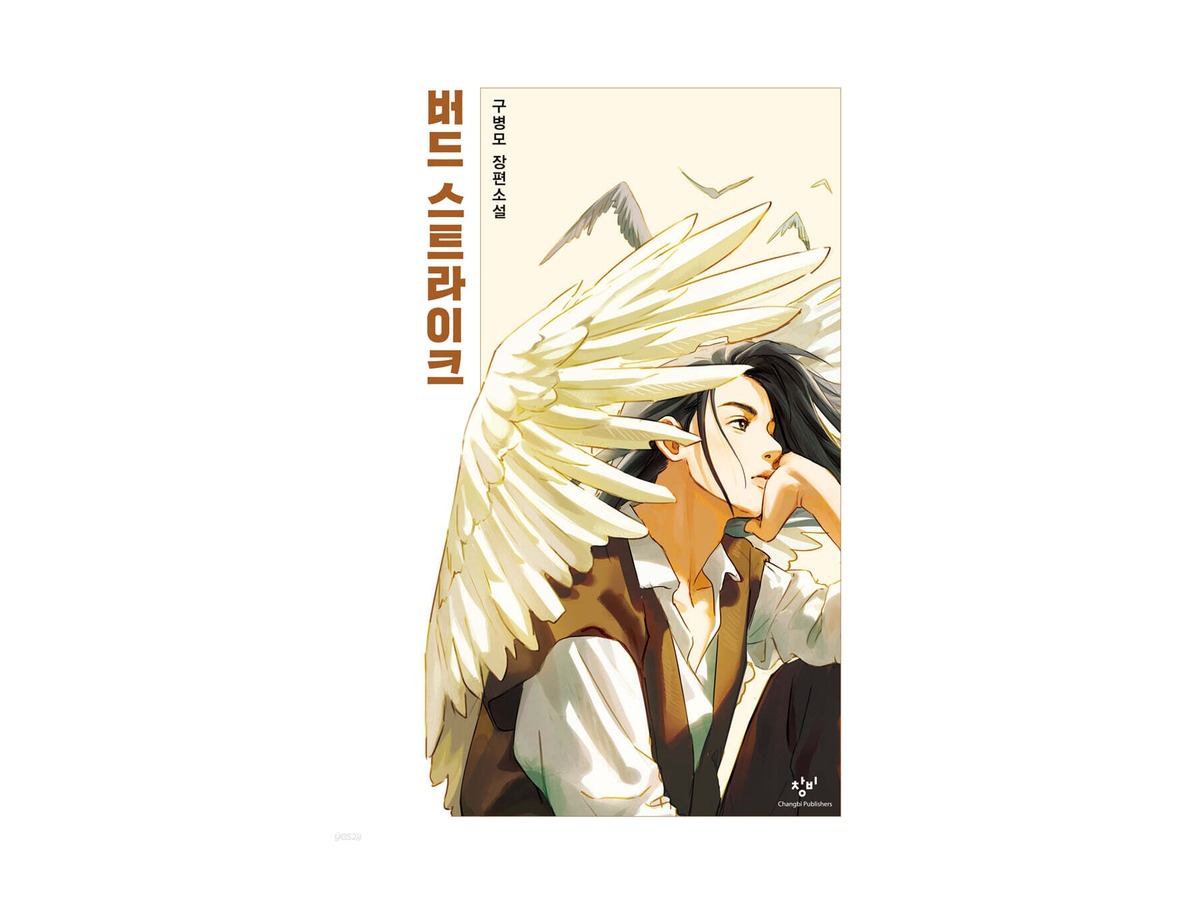
Bird Strike
Which Book Fits Your Situation
A middle schooler writing their first reading essay should start with #1 Wandeuki or #6 Cherry Shrimp, where the character relationships are simplest. For an essay on social structure, start with #9 Elegant Lies or #10 Bird Strike. To ease into heavier material, the fantasy premises of #5 Wizard Bakery and #7 The Shop That Sells Time lower the barrier to entry.
All ten share one thing: no character's choice has a single correct answer. Adding just one line — "the book says X, but I think Y" — is enough to turn a book report into an essay. Out-of-print status, new editions, and curriculum ties reflect the time of research and can change, so check with the publisher or a bookstore for the latest information.
Frequently asked questions
Do I need to separate my own opinion from the book's content in an essay?
Yes. There has to be a clear line between 'the book says X' and 'I believe X.' Reaching a different conclusion than a model answer isn't automatically wrong — what matters is backing your claim with facts, experience, or evidence from outside the book.
Can I write an essay about a book I haven't finished?
Yes, as long as you state upfront how far you read and only discuss the character choices and conflicts within that range. Filling in the rest of the plot from imagination leaves the essay without real support, which costs points.
Is one book enough material for a full-length essay?
More than enough. A deep analysis of one book generally scores better than a shallow survey of several. Digging into just one angle of Wandeuki — family, disability, or migration — usually beats a report that skims across all ten.
What criteria decided the ranking?
Not sales figures — how easily each book's conflict converts into a debate topic, how sharp that conflict is, and how well the difficulty spans grade levels. A higher rank means stronger essay potential, not necessarily a 'better' book.
Which book should I start with?
A middle schooler starting out should try #1 or #6, where character relationships are simpler. For a social-issues debate, start with #9 or #10. To ease in with a lighter premise, #5 or #7 work well.
How do I turn one of these books into an essay topic?
Pick one point where a character's choice splits opinion, then back up why you think what you think with at least three pieces of evidence. The questions raised in each book's description above can be used as essay topics directly.
Get new lists before anyone else
Once a week — only the new lists worth your time.
No spam · unsubscribe in one click
You may also like
Essay Scores Don't Collapse from Bad Sentences — They Collapse from Bad Paragraph Design
A logically sound college essay under a strict word limit comes from locking a conclusion first, then assigning each paragraph a specific job.

The Essay Exam Isn't Testing What You Know — It's Testing Whether You Read the Verb
No amount of background knowledge saves an answer that misses what the prompt's verb and conditions demand. Ten steps for turning explain, compare, and every other prompt verb into an answer structure.
Stop Asking 'How Did You Feel About It?' — 10 Books That Get Kids Asking Their Own Questions
The best books for reading-and-essay practice aren't the ones with the clearest moral — they're the ones that make a child question a character's choice. Ten books built to pull out questions and evidence, not just plot summaries.