The best books for reading-and-essay practice aren't the ones with the clearest moral — they're the ones that make a child question a character's choice. Ten books built to pull out questions and evidence, not just plot summaries.
The real snag with picking books for reading-and-essay practice isn't finding an enjoyable book — it's that an enjoyable book and a book that actually leads to discussion aren't the same thing. Plenty of books have a satisfying, moving plot, but when you try to turn that into a discussion at home or in class, the conversation stalls at "so what did you feel." No matter how you rephrase the question, a one-line answer usually means the book itself never gave the child a choice worth arguing about.
This list picks ten books that let a child raise their own question about a character's choice, ranked by age level, how varied their themes are, and how well they open into discussion. The order weighs how much effort each book takes to put to use at home, not which one is objectively better.
How these were picked
- Sentence-level difficulty a mid-to-upper elementary reader can handle alone
- Themes — freedom, solidarity, discrimination, identity, leadership — chosen so they don't overlap
- A structure where a character's choice can reasonably be argued either way
- At least one concrete scene that pushes past plot summary into evidence-based writing
- Whether a parent can pull a ready discussion question straight out of the story
The order reflects how demanding each book is to use, not which is "better." If your child is new to reading-essay work, start with books like #1 or #3, where the choice and its outcome are clear-cut. Once they've got some discussion experience, move on to books like #6 or #8, which call for ethical judgment or a more balanced view.
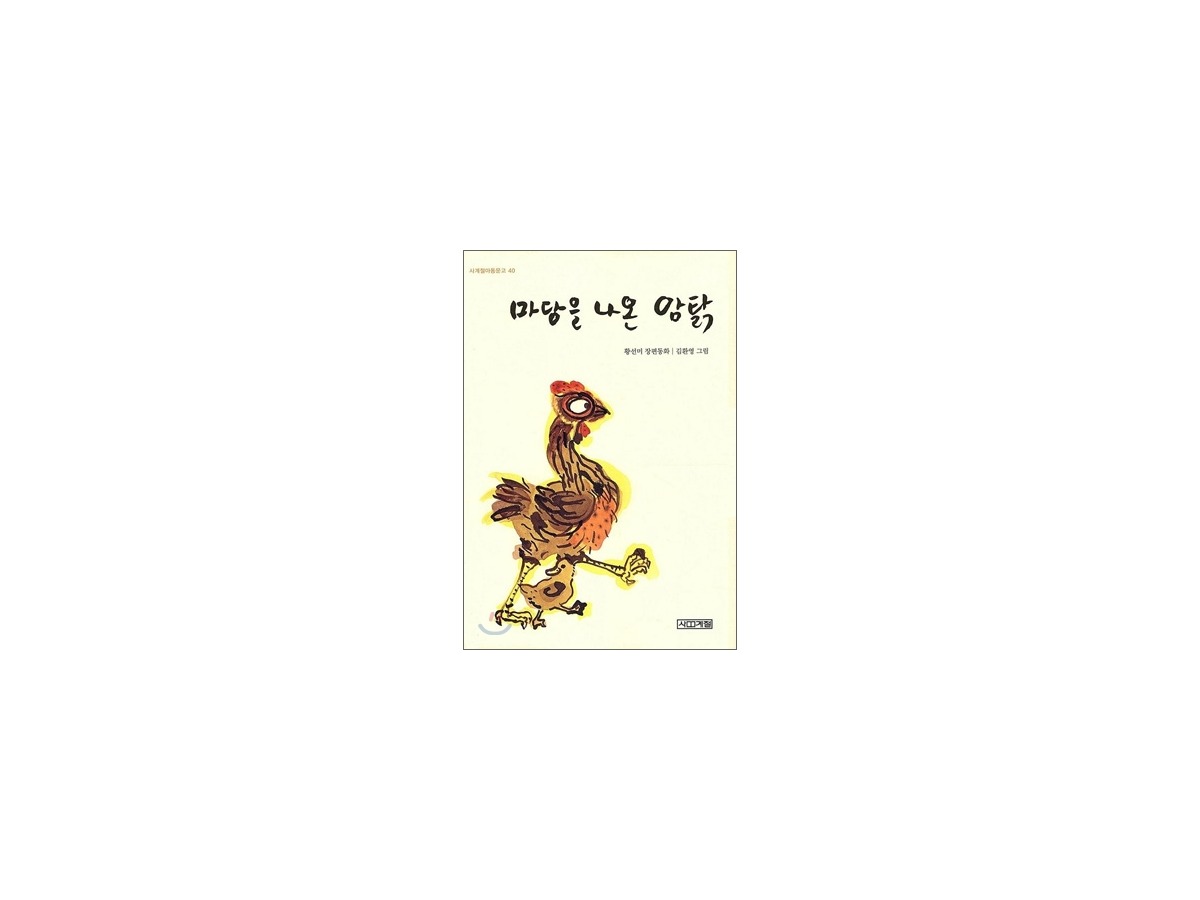
The Hen Who Dreamed She Could Fly (Hwang Sun-mi)
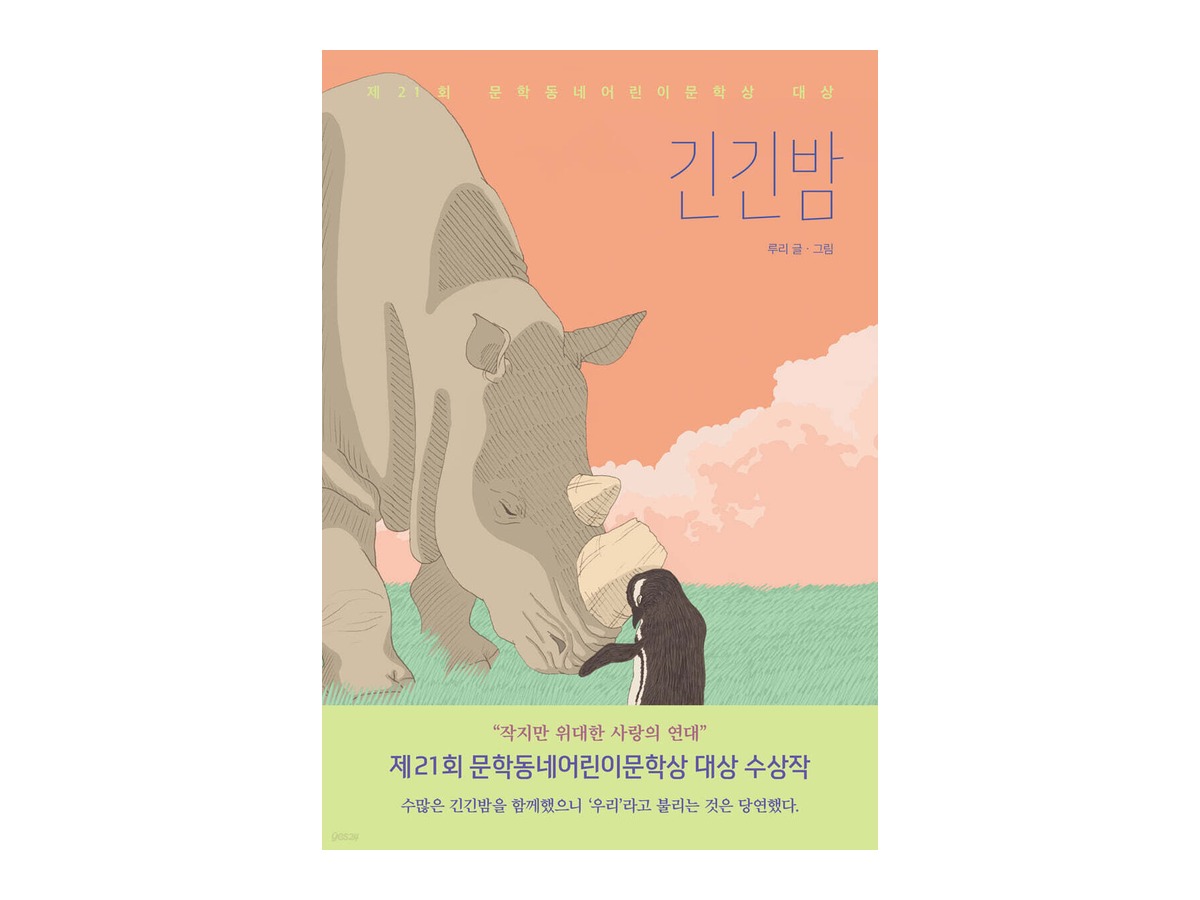
The Longest Night (Ruri)
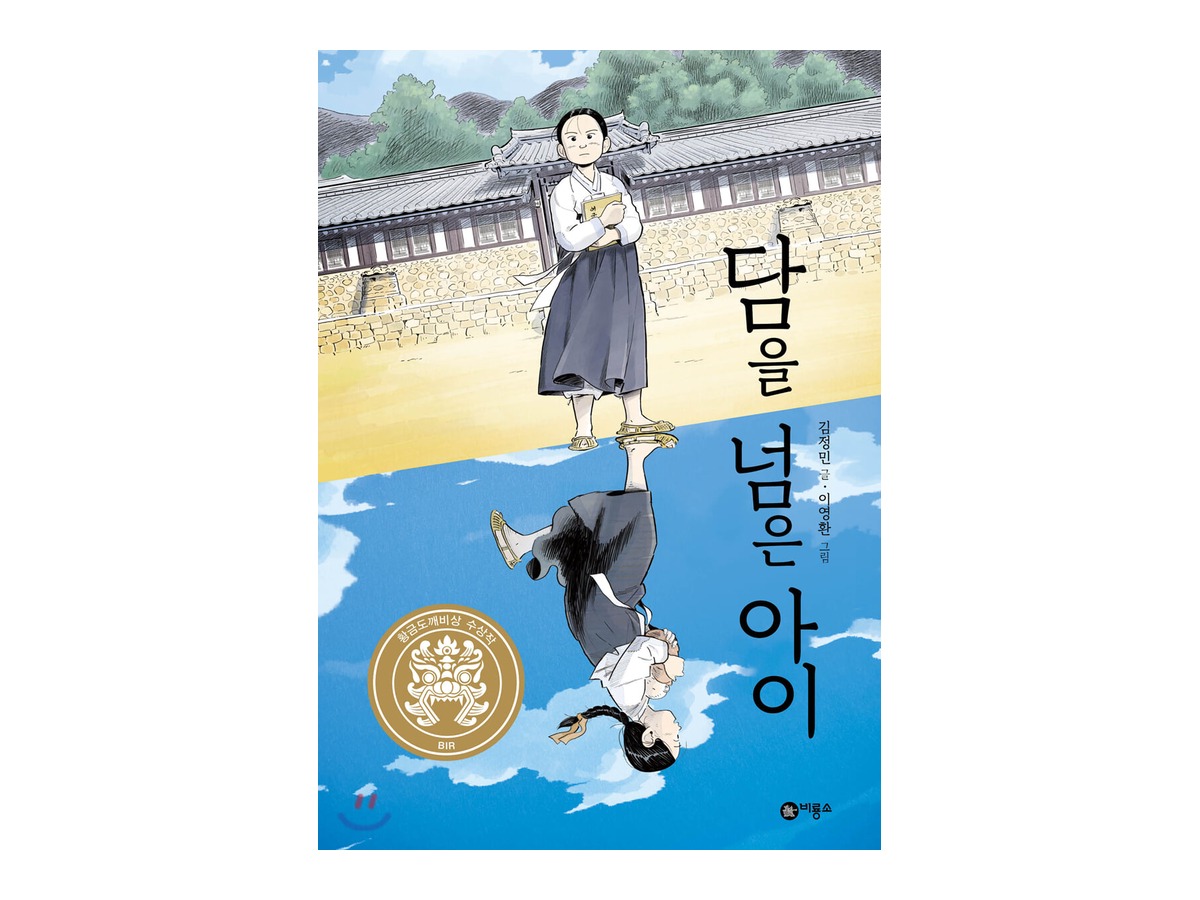
The Child Who Climbed the Wall (Kim Jeong-min)
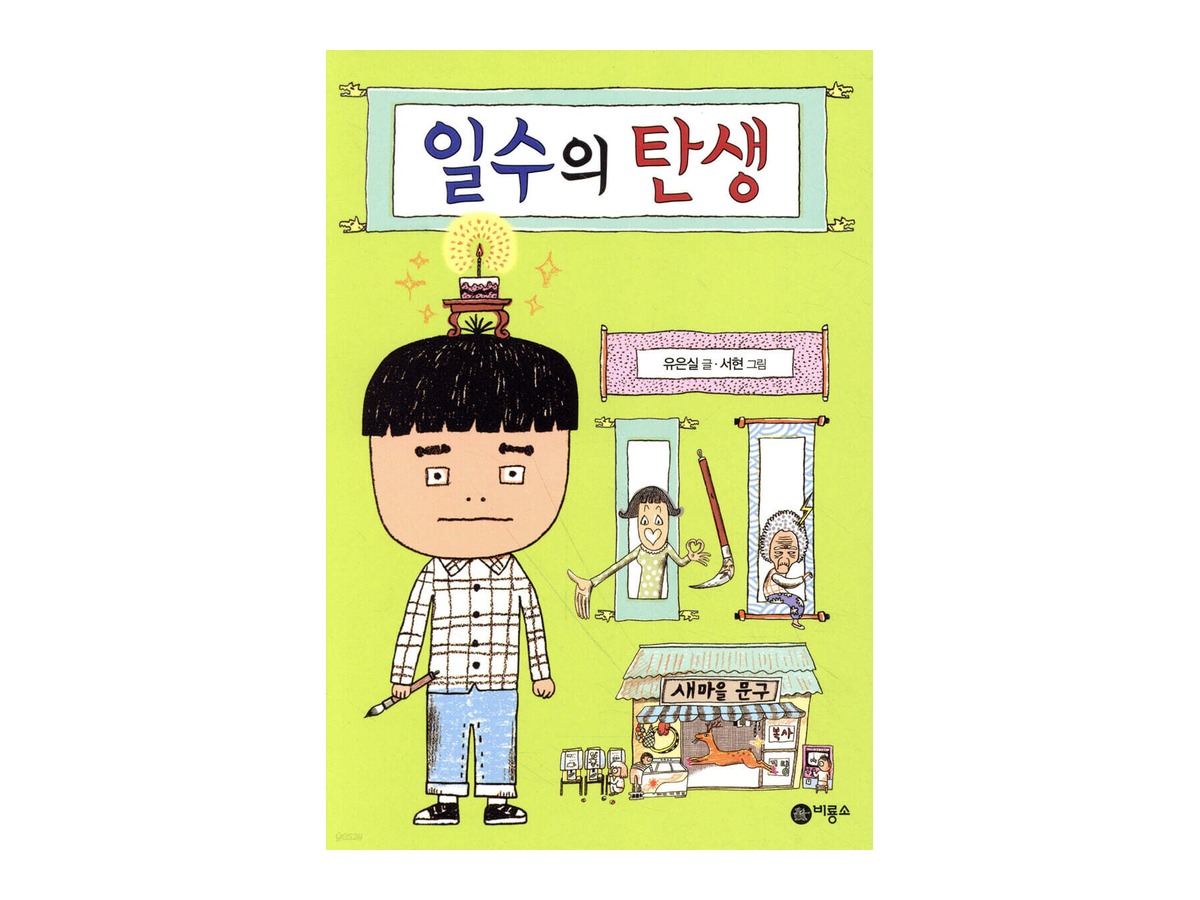
The Birth of Ilsu (Yu Eun-sil)
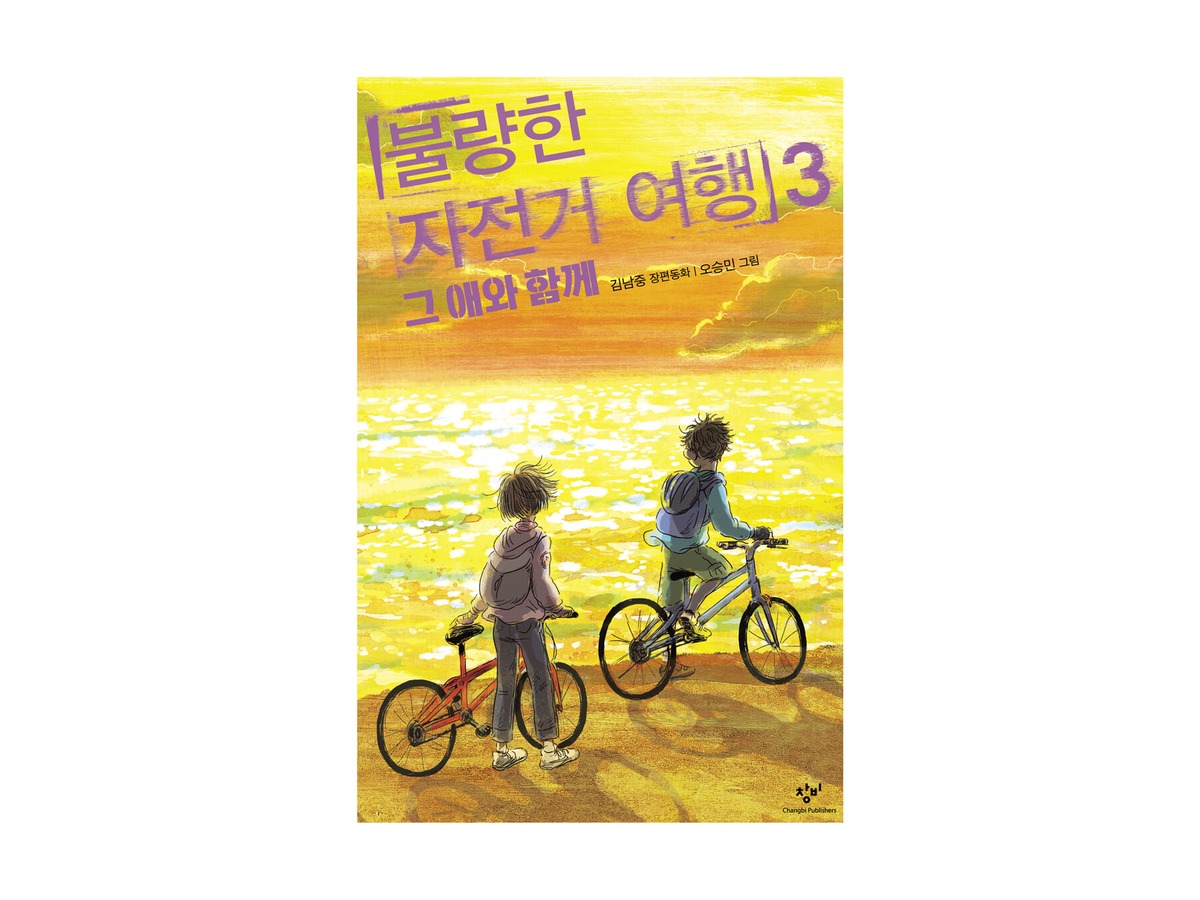
Bad Bike Trip 3 (Kim Nam-jung)
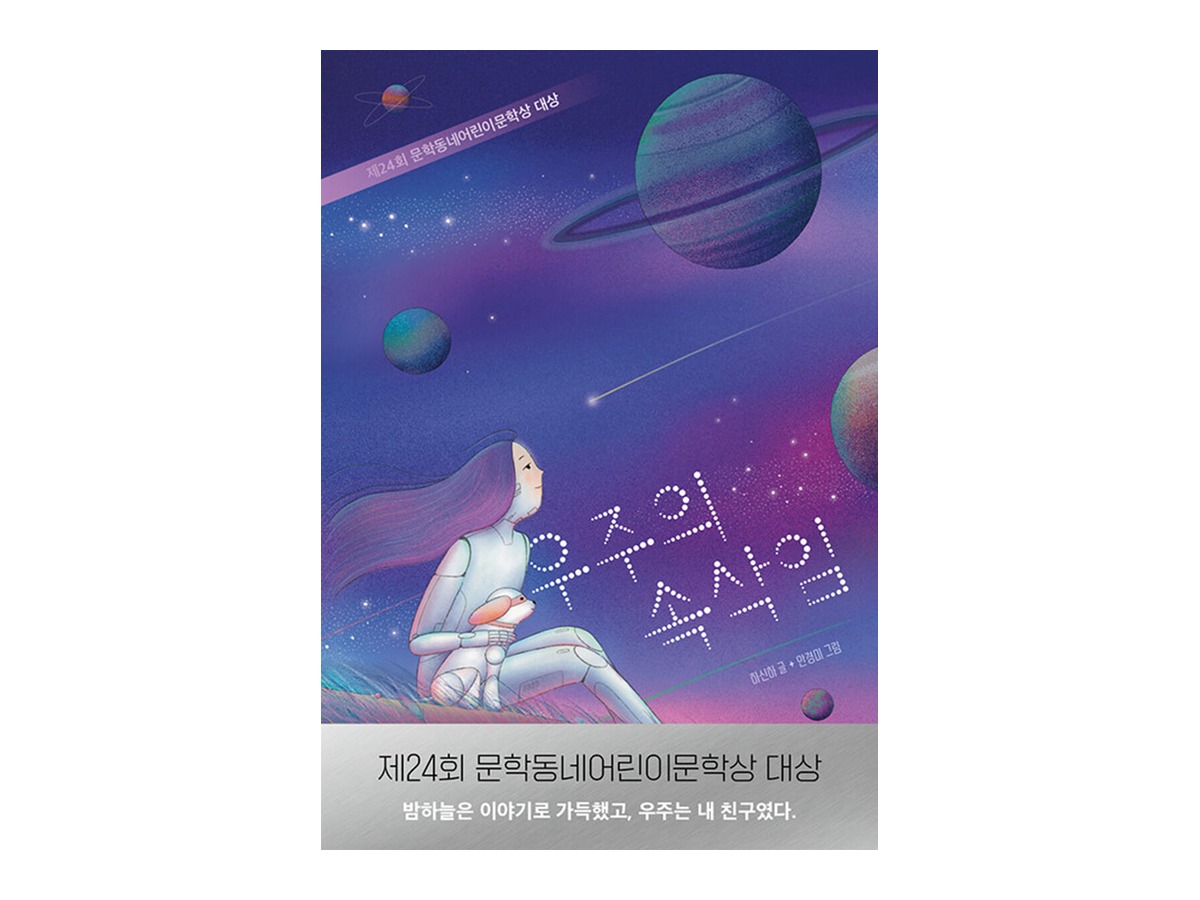
Whispers of the Universe (Ha Shin-ha)
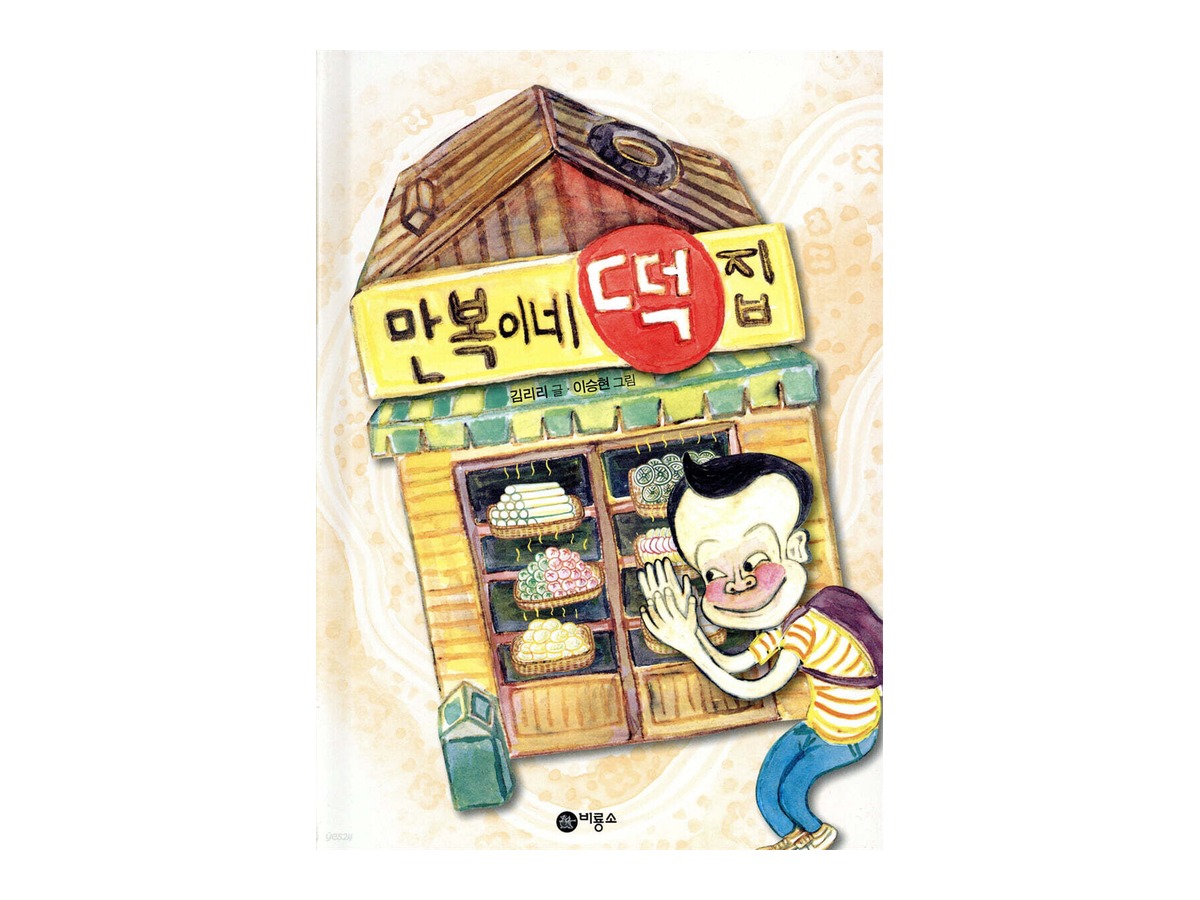
Manbok's Rice Cake Shop (Kim Ri-ri)
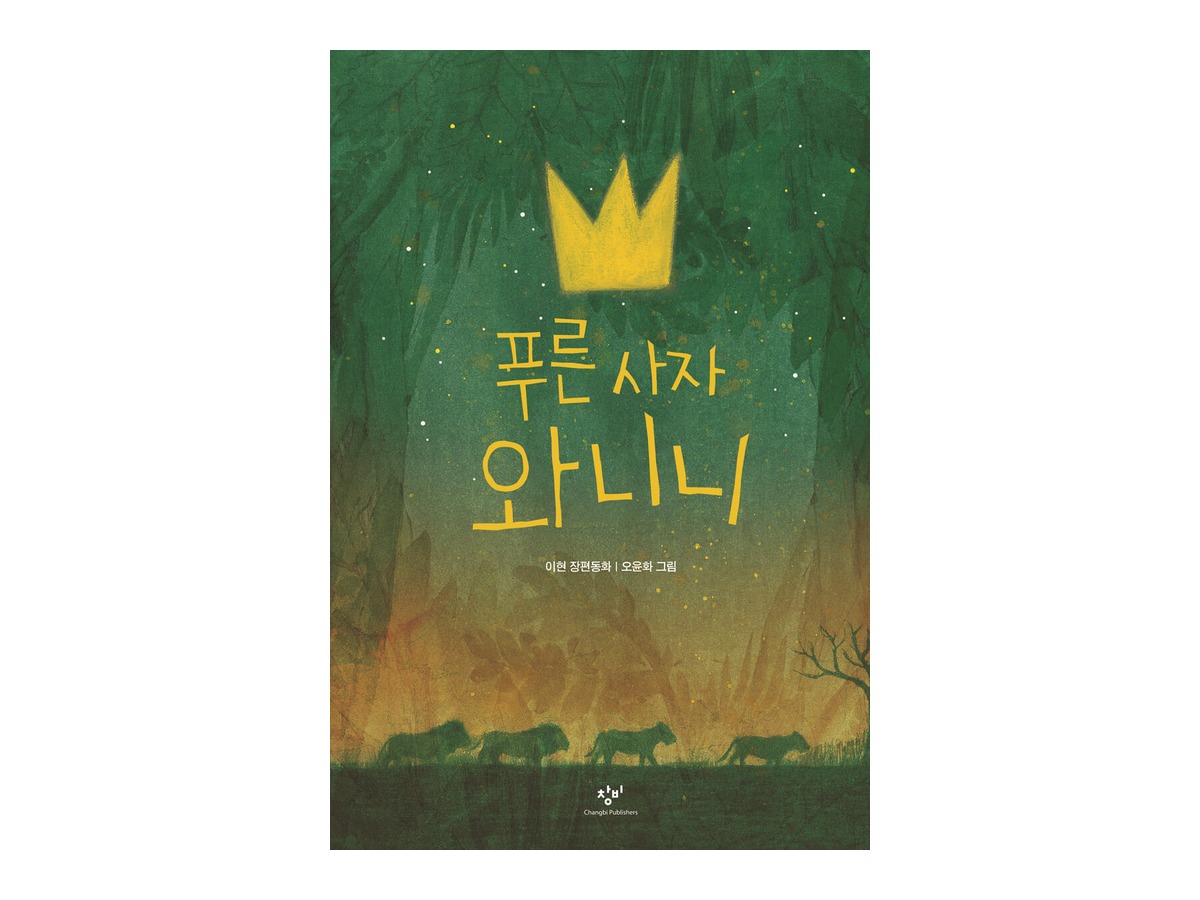
Wanini the Blue Lion (Lee Hyun)
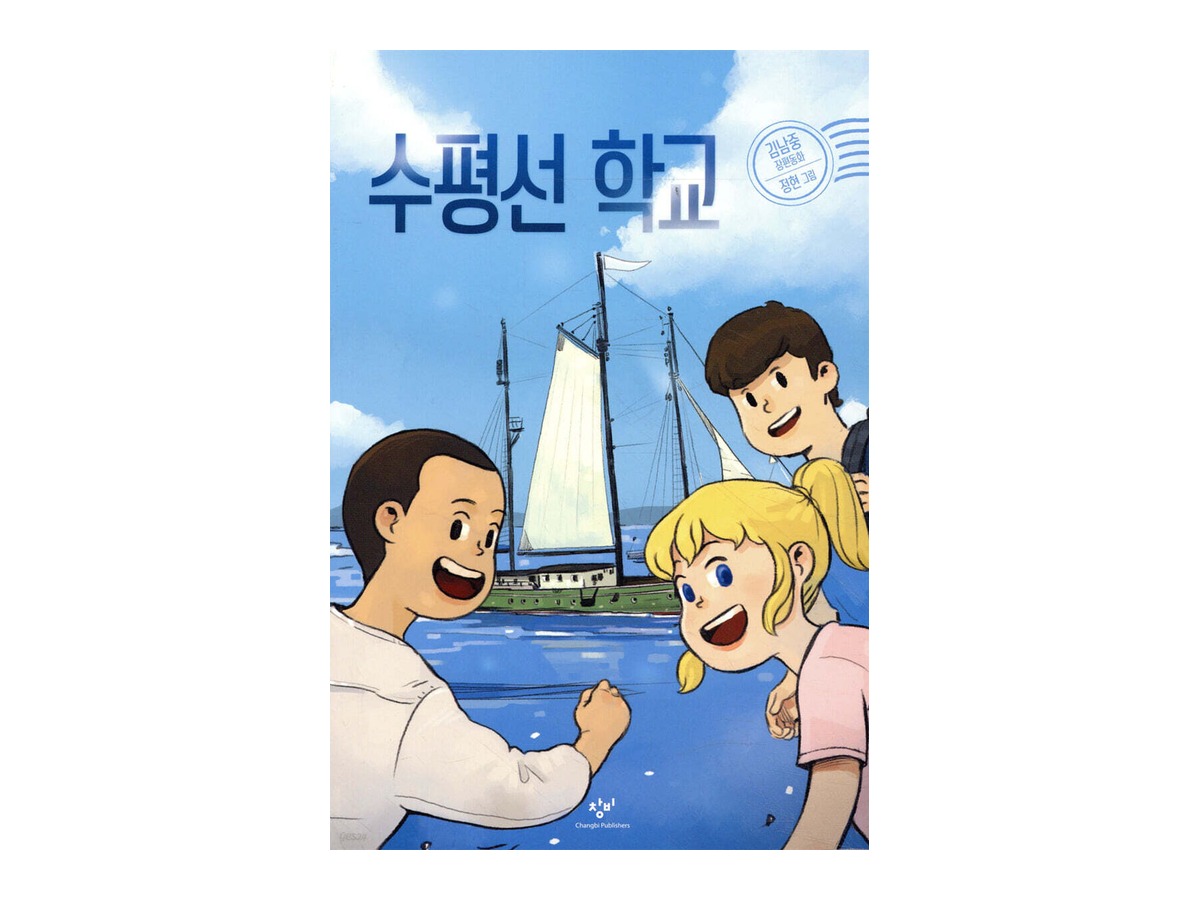
Horizon School (Kim Nam-jung)
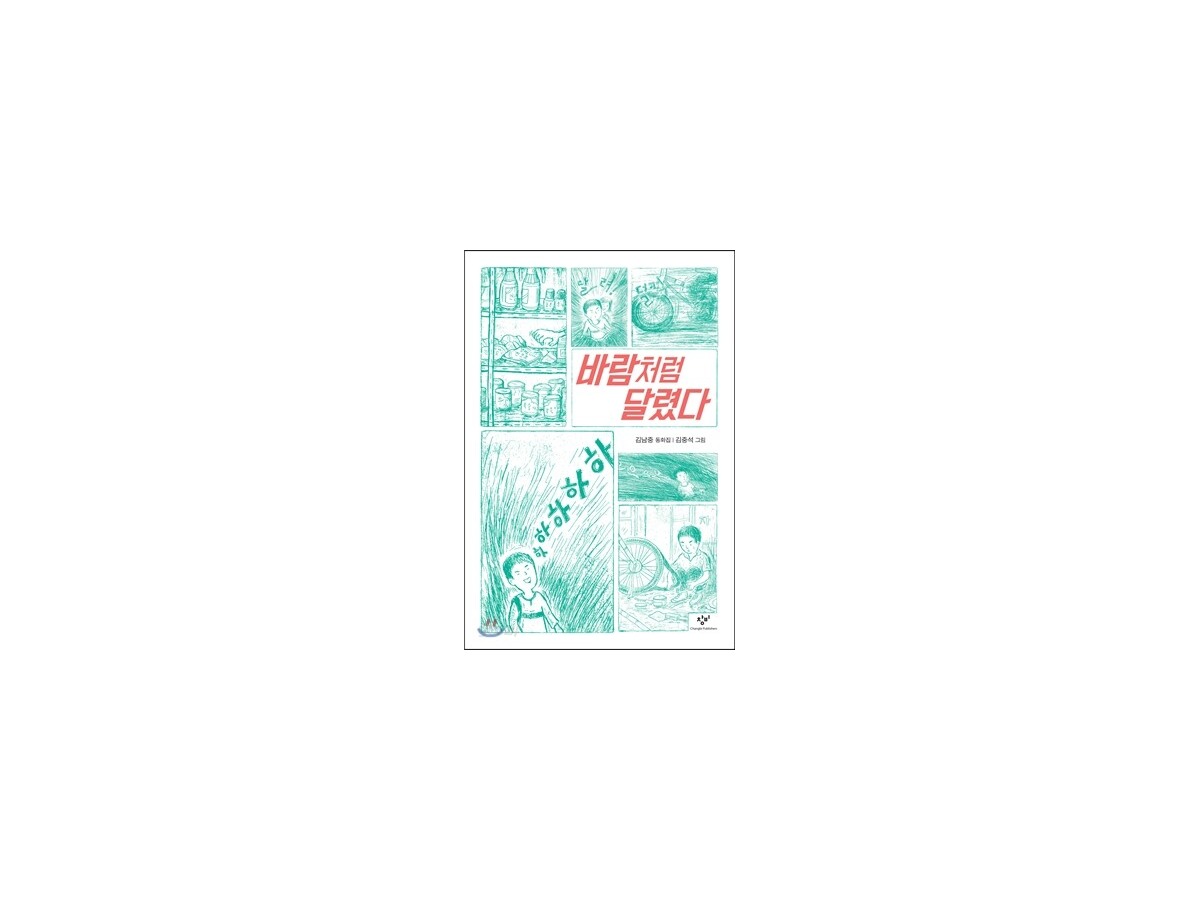
Ran Like the Wind (Kim Nam-jung)
Which Books to Start With
If you're just starting reading-essay practice, begin with #1, where freedom's cost is easy to trace, or #5, which works through family conflict via a bike trip. If you're prepping for a discussion class or a debate-style activity, #6 calls for real ethical judgment, and #8 is a good fit for leadership and community themes.
Because the themes were chosen not to overlap, reading straight through the list touches freedom, solidarity, discrimination, identity, family, the ethics of technology, relationships, community, challenge, and growth — one after another. Book details reflect the time of research and may change, so check with the publisher or bookstore for the latest information.
Frequently asked questions
What should I look for when picking a book for reading-essay practice?
Look past how famous the book is and ask whether it naturally raises questions while your child reads it. Have them guess what the story might be about from the title and cover, and note any scene where their thinking changed mid-read. After finishing, talk about the choice that confused them most, or whether a different ending felt possible.
What should I actually talk about with my child after they finish a book?
Don't lead with 'how did you feel.' Ask about specific scenes instead — why did the character choose that, what would you have done, did their feelings change here. The real goal is checking whether your child's interpretation actually connects back to something in the text.
What if my child can't get started on a book report?
Have them reread one specific scene before writing anything. Pick that scene together, get them to explain out loud what they noticed on the second read, then have them put it into writing. Starting from 'why do you think that' rather than polished phrasing is what gives the writing its structure.
Do I need to read all ten books in order?
No — the order reflects how demanding each book is to use, not which one is better, so pick based on where your child is. If they're just starting reading-essay work, begin with books like #1 through #3, where the choice and its outcome are clear. Once they've got more discussion experience, move to books like #6 through #9, which call for ethical judgment. Because the themes don't overlap, any order still covers a wide range of topics.
Is there a big difference in difficulty between books, and how should I split them up by grade?
The sentence-level difficulty is set for a mid-to-upper elementary reader working alone, but the weight of the subject matter varies by book. Start with books on familiar themes like freedom or family to build reading confidence, and save books on more abstract themes like technology ethics or leadership for after your child has some discussion experience.
Get new lists before anyone else
Once a week — only the new lists worth your time.
No spam · unsubscribe in one click
You may also like
Essay Scores Don't Collapse from Bad Sentences — They Collapse from Bad Paragraph Design
A logically sound college essay under a strict word limit comes from locking a conclusion first, then assigning each paragraph a specific job.

The Essay Exam Isn't Testing What You Know — It's Testing Whether You Read the Verb
No amount of background knowledge saves an answer that misses what the prompt's verb and conditions demand. Ten steps for turning explain, compare, and every other prompt verb into an answer structure.
YA Novels for Essay Writing: Ask 'What Was the Strangest Choice?' Not 'How Did It Make You Feel?'
Arguing why a character chose what they chose, with evidence, is what turns a book report into an essay — these 10 YA novels tackle overlapping conflicts from different angles, with grade-level reading tips.