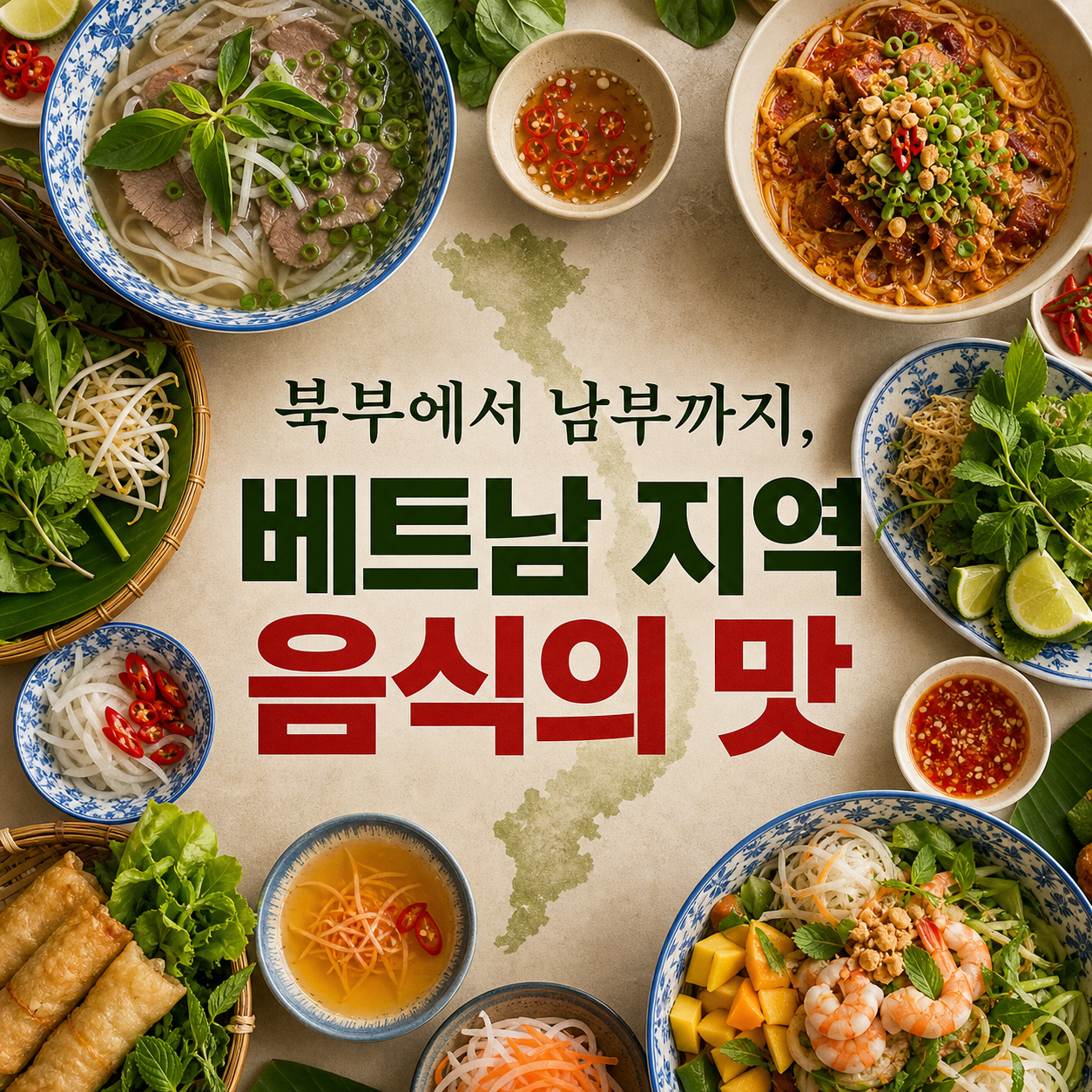
Hanoi, Hue, Hoi An, Saigon — the same rice and fish sauce, four completely different tables
If you came home from Vietnam having eaten only pho, you saw about a tenth of the country's table. With the same rice and fish sauce, the north builds clear broths that let ingredients speak, the center pushes bold heat with chili and fermented seasonings, and the south piles on herbs, coconut, and sweetness. Different climates and histories produce different bowls, and a noodle dish with the same name can turn into something else entirely once you cross a region.
How we chose
- Dishes that represent each region -- north, center, south -- and that travelers are actually likely to encounter
- Dishes with a clear local way of eating them (mixing order, how to add condiments) that's useful to know in advance
- Dishes with something worth checking before ordering, whether an allergy or an intensely flavored condiment
Golladream picked ten dishes in geographic order: pho, bun cha, cha ca, and banh cuon from the north; bun bo Hue, mi Quang, cao lau, and com hen from the center; banh xeo and com tam from the south. This isn't a menu list -- it covers how locals mix and wrap each dish, what to ask before ordering, and how to dial down the intense fermented flavors, so you can use it from your very first meal. If your trip centers on Hanoi, start with #1-4; for Da Nang, Hue, and Hoi An, look at #5-8; for Ho Chi Minh City and the south, #9-10 are your picks.
Pho (Hanoi)

Bun Cha

Cha Ca

Banh Cuon

Bun Bo Hue

Mi Quang

Cao Lau

Com Hen

Banh Xeo

Com Tam

The Region Is the Menu
On a short trip, pairing Hanoi's pho (#1) and bun cha (#2) with Hue's bun bo Hue (#5) and Saigon's com tam (#10) is enough to feel the real difference between north and south. If you're not used to intense fermented condiments, it's fine to ask for cha ca's mam tom (#3) or com hen's dressing (#8) on the side.
Menu names and exact preparation can vary by region and restaurant, so if an unfamiliar ingredient or an allergy is a concern, it's worth double-checking with staff before you order.
Frequently asked questions
Vietnamese food can have strong, unfamiliar flavors -- how should a first-timer start?
Intensely flavored ingredients like cilantro or mam tom can almost always be left out or reduced on request. Starting with a clear-broth dish like Hanoi's pho and adding stronger seasonings gradually is an easy way to expand your palate without overwhelming it.
Mi Quang and cao lau look similar -- what's actually different?
Both are central Vietnamese noodle dishes mixed rather than served in broth, but cao lau has thicker, chewier noodles and comes with a reputation for tasting right only in Hoi An's old town. Mi Quang uses wide noodles topped with a crushed rice cracker, giving it a different texture altogether.
Are any of these dishes off-limits if I have a shellfish or seafood allergy?
Com hen defaults to river clams and banh xeo defaults to shrimp, so both should be skipped or modified if you have a seafood allergy. Some banh xeo shops will make it with pork only, so it's worth asking.
When's the right time to visit a famous spot like the bun cha shops?
Well-known bun cha shops often serve lunch only and close early once they sell out. Check hours before you go, and arrive with some buffer time even if there's a line at the charcoal grill.
Can I realistically try all ten dishes in one day?
Since these dishes come from different regions, it makes more sense to eat your way through as you travel rather than cram everything into one day. Spreading them across Hanoi, the center, and the south lets you actually taste the difference between regions.
Get new lists before anyone else
Once a week — only the new lists worth your time.
No spam · unsubscribe in one click
You may also like

Vietnam's Quiet Beaches: Pick Your Day First, Not the Prettiest Photo
Ten quiet Vietnam beaches sorted by what kind of day you want — snorkeling, surfing, or a quiet walk — not just by how pretty they look in photos.
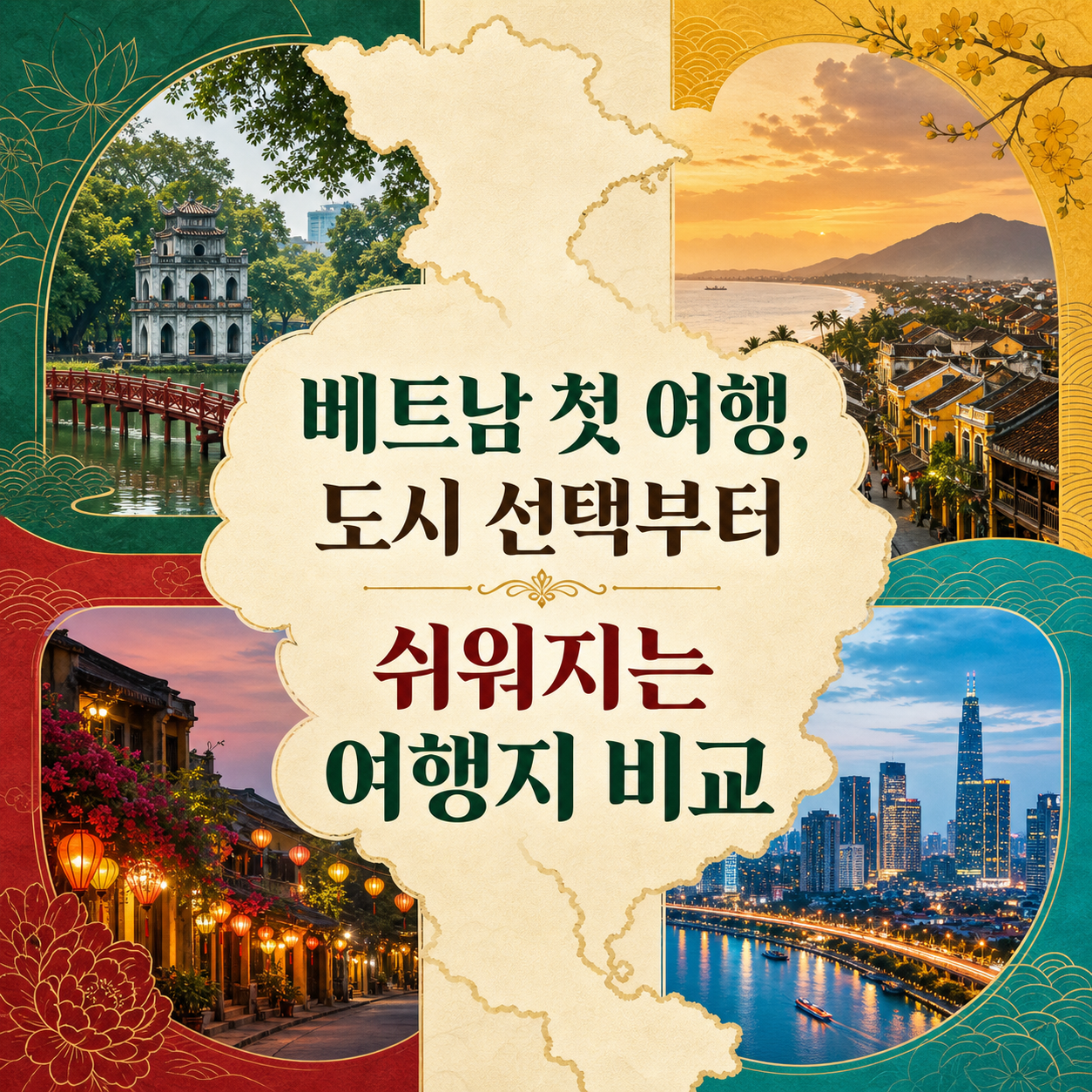
Planning Your First Vietnam Trip: Pick a Rhythm, Not Just a City
Decide whether you want temple mornings, beach afternoons, or mountain treks first, and choosing among Hanoi, Da Nang, and Ho Chi Minh City stops being guesswork.
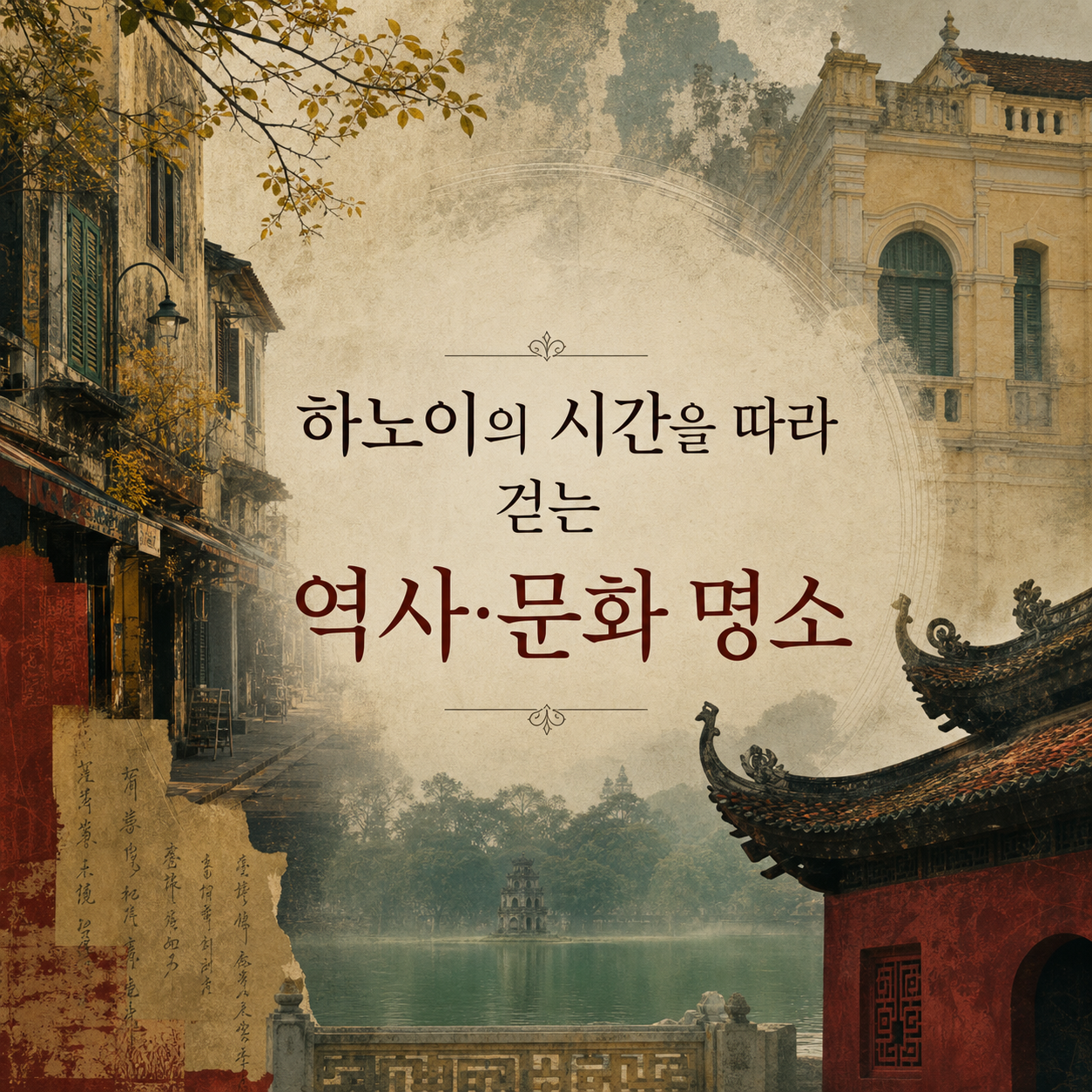
Hanoi's History Runs Deep -- Pick One Era, Not Every Site
Choosing one thread -- dynastic, colonial, or modern -- and linking two or three sites around it makes Hanoi's layered history easier to follow.

Vietnam's Waterfalls: Why Seeing One Doesn't Mean You Can Swim In It
Sort managed swim spots from unmaintained falls first, and you won't get stranded by a monsoon flash flood or a dry-season trickle.