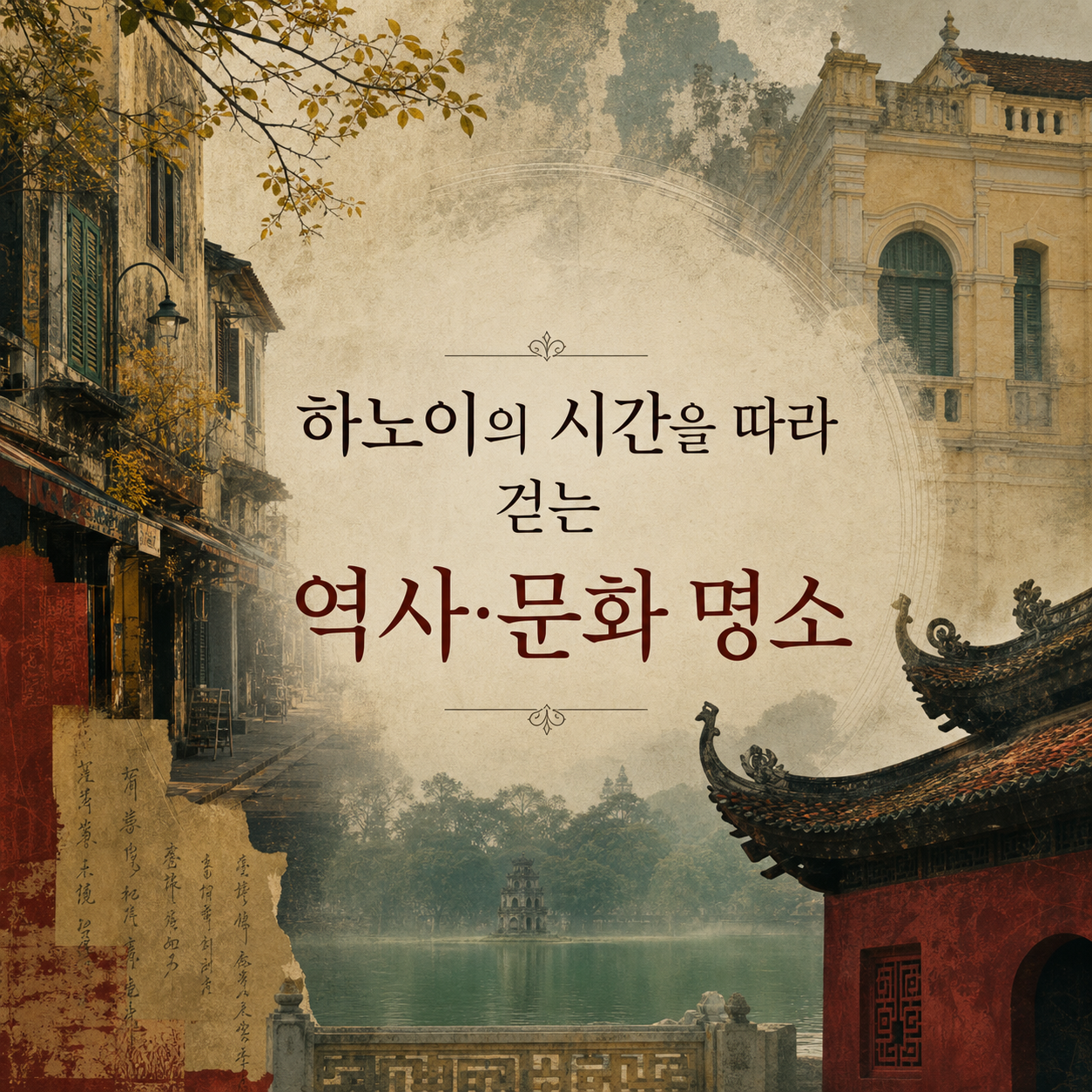
Choosing one thread -- dynastic, colonial, or modern -- and linking two or three sites around it makes Hanoi's layered history easier to follow.
Hanoi has too many layers of history to check off with a couple of pagodas. Traces of a thousand-year-old capital, colonial-era architecture, and memories of independence and war all sit within walking distance of each other -- visit them in the wrong order and the story gets tangled instead of clearer. This list sorts ten sites into three threads: dynastic history, the colonial city, and modern history.
Don't try to fit everything into one day. Pick the era that interests you and link two or three sites around it. Each entry notes what pairs well nearby and what etiquette to know before you go, so you can build a walking route straight from the list.
Hoan Kiem Lake

Temple of Literature

Thang Long Imperial Citadel

Ho Chi Minh Mausoleum

Hoa Lo Prison Relic

Vietnam Museum of Ethnology

Vietnam National Museum of History

St. Joseph's Cathedral

Ngoc Son Temple

Hanoi Opera House

How to choose
With just one day, a walkable loop around No. 1 (Hoan Kiem Lake), No. 9 (Ngoc Son Temple), and No. 8 (St. Joseph's Cathedral) keeps things manageable. If modern history interests you, don't pair No. 4 (Ho Chi Minh Mausoleum) and No. 5 (Hoa Lo Prison) on the same day.
When comparing sites, check opening hours, whether security screening applies, and whether the site calls for religious etiquette. Hours and closure schedules reflect what we found at the time of research and change often, so confirm each site's official notice before you go.
Frequently asked questions
How many history sites should I plan per day in Hanoi?
Three is realistic given how dense the exhibits are. Avoid pairing a large site like Thang Long Citadel with a heavy one like Hoa Lo Prison on the same day.
Can I visit the Ho Chi Minh Mausoleum anytime?
It closes to visitors during its annual maintenance period, and security screening and dress codes are strict year-round. Check the official schedule the day before, and skip shorts or sandals.
What etiquette applies at religious sites?
At active worship spaces like the Temple of Literature or St. Joseph's Cathedral, keep your voice down and dress modestly. Adjust your route around services or ceremonies rather than through them.
Can I link Hanoi's history sites together on foot?
Around Hoan Kiem Lake, Ngoc Son Temple, St. Joseph's Cathedral, and the Temple of Literature are close enough to link on foot or a short ride. Larger or more distant sites like Thang Long Citadel and the Museum of Ethnology are better as their own outing.
Are there places where photography is restricted?
Inside the Ho Chi Minh Mausoleum, certain areas of this national memorial restrict photography. Rules vary by religious site and exhibit hall too, so follow the posted signage or on-site staff instructions.
Get new lists before anyone else
Once a week — only the new lists worth your time.
No spam · unsubscribe in one click
You may also like

Vietnam's Quiet Beaches: Pick Your Day First, Not the Prettiest Photo
Ten quiet Vietnam beaches sorted by what kind of day you want — snorkeling, surfing, or a quiet walk — not just by how pretty they look in photos.
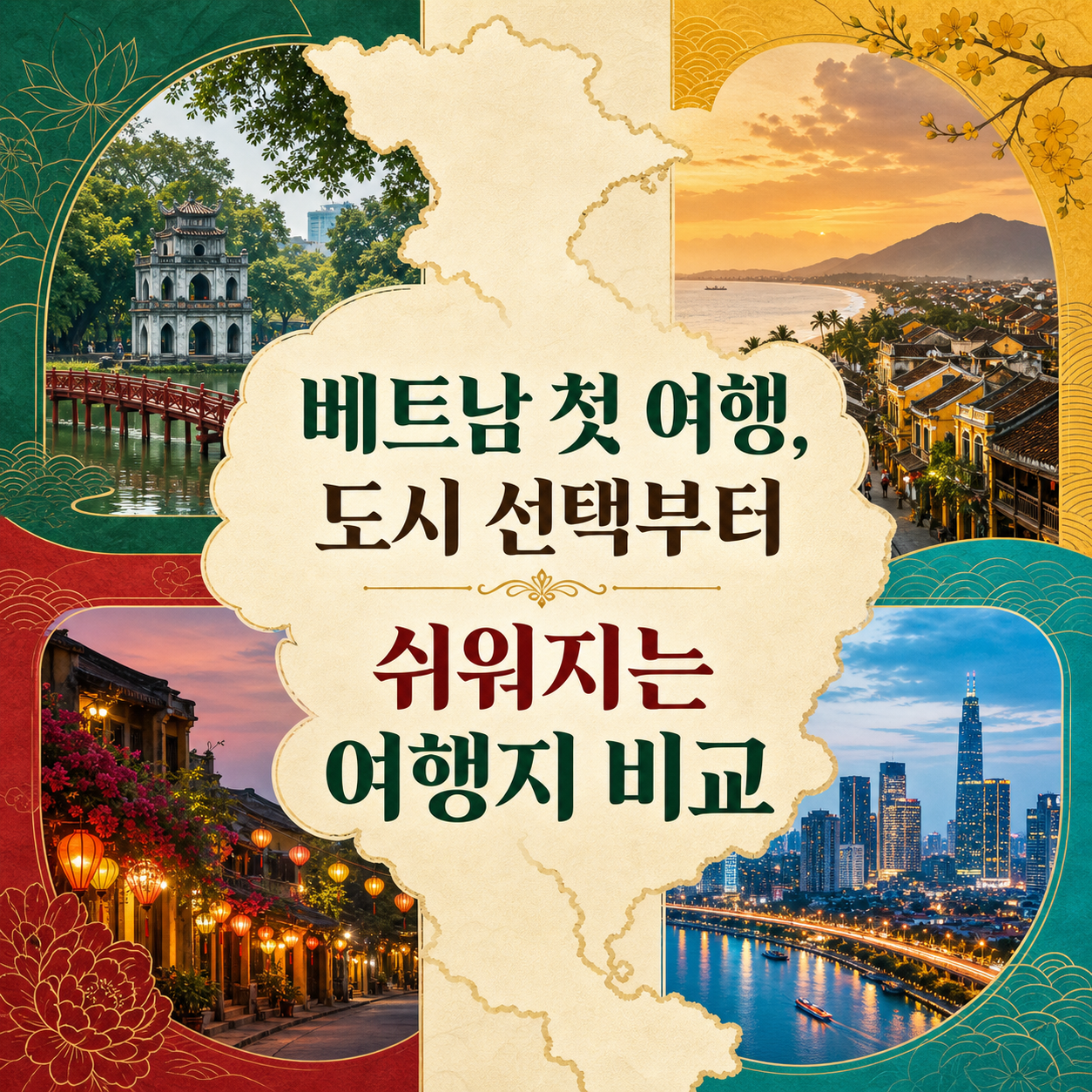
Planning Your First Vietnam Trip: Pick a Rhythm, Not Just a City
Decide whether you want temple mornings, beach afternoons, or mountain treks first, and choosing among Hanoi, Da Nang, and Ho Chi Minh City stops being guesswork.

Vietnam's Waterfalls: Why Seeing One Doesn't Mean You Can Swim In It
Sort managed swim spots from unmaintained falls first, and you won't get stranded by a monsoon flash flood or a dry-season trickle.

Da Nang and Hoi An: Why the Order of Your Day Matters More Than the List
Split beaches and ruins by time of day -- mornings outdoors, afternoons indoors -- and central Vietnam's heat stops being the enemy.