From armed resistance to diplomacy, education, and targeted resistance, ten activists pursued Korea's sovereignty through very different means and public records.
Search for Korean independence activists and you mostly get names with a single-line achievement attached, making it hard to tell who fought, who negotiated, and who built schools, or who led targeted resistance actions and who organized women's groups. When several figures from the same period get mentioned together, the fields and timelines tend to blur even more. Golladream put together ten activists who worked across armed resistance, targeted resistance actions, diplomacy, education, organizing, and ideology, laying out what each one actually did in their own field and who they worked alongside.
The order below is a presentation sequence, not a ranking of historical importance. We mixed fields so they don't overlap too much — armed resistance, diplomacy, education, targeted resistance, and the women's movement — and included activity across Korea as well as abroad (Shanghai, Manchuria, the Russian Maritime Province) to show how far the movement's network actually reached. Each entry opens with the person's field and a defining record, then adds the context for why they chose that particular route.
Selection Criteria
- Diversity of field: armed resistance, diplomacy, education, targeted resistance, and the women's movement, kept from overlapping too much
- Diversity of era and location: entries from Korea, Shanghai, Manchuria, and the Russian Maritime Province
- Verifiable against official records: figures whose activities can be cross-checked through Korea's Ministry of Patriots and Veterans Affairs archive
- Trajectory over a single event: figures whose activity before and after one incident is also documented
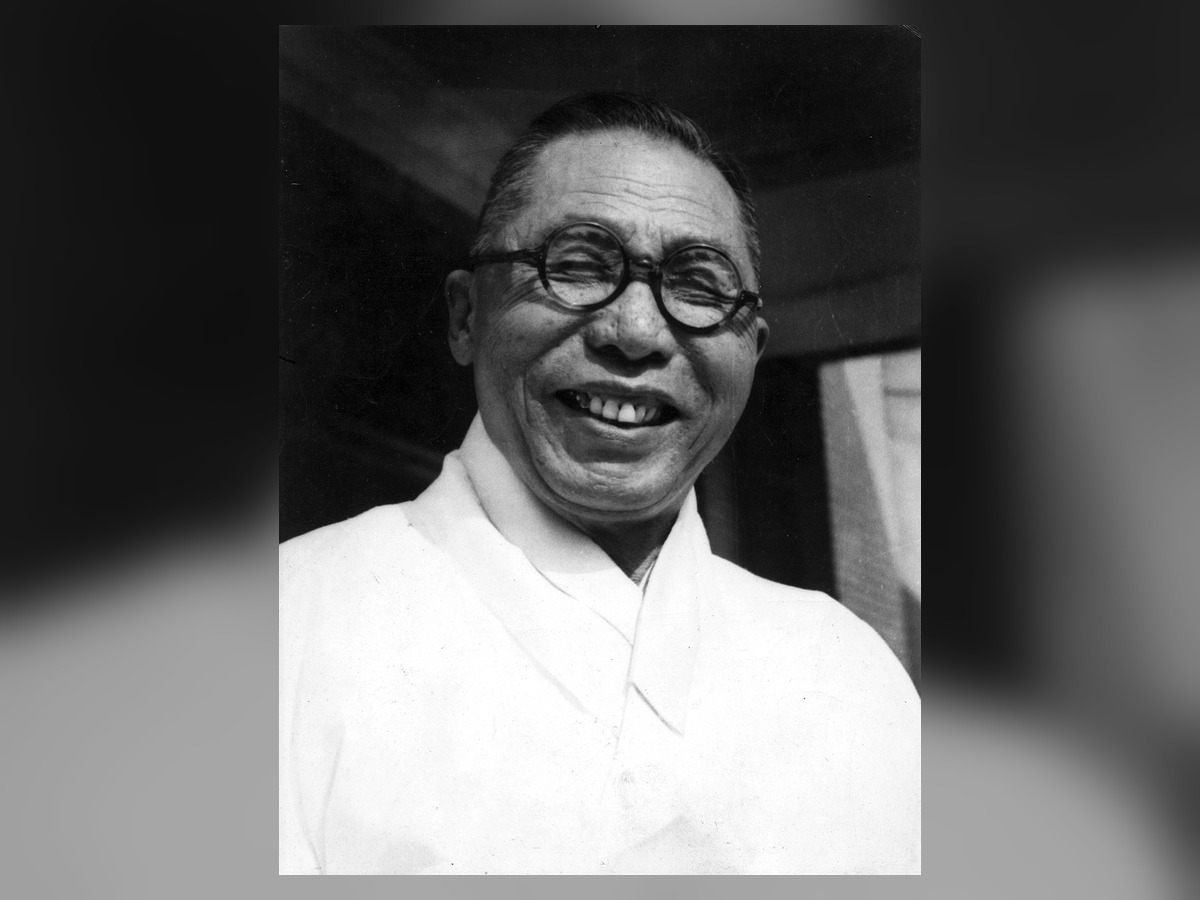
Kim Gu
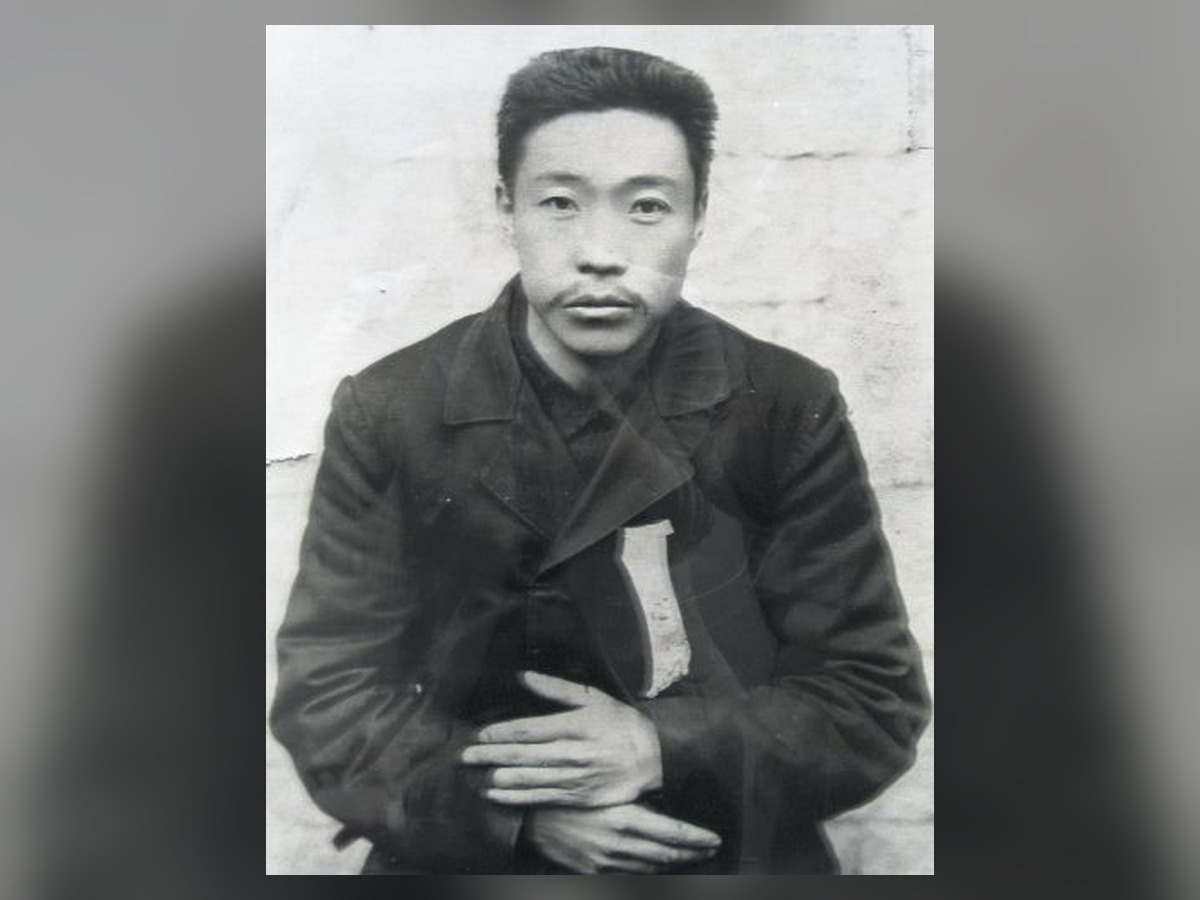
Ahn Jung-geun
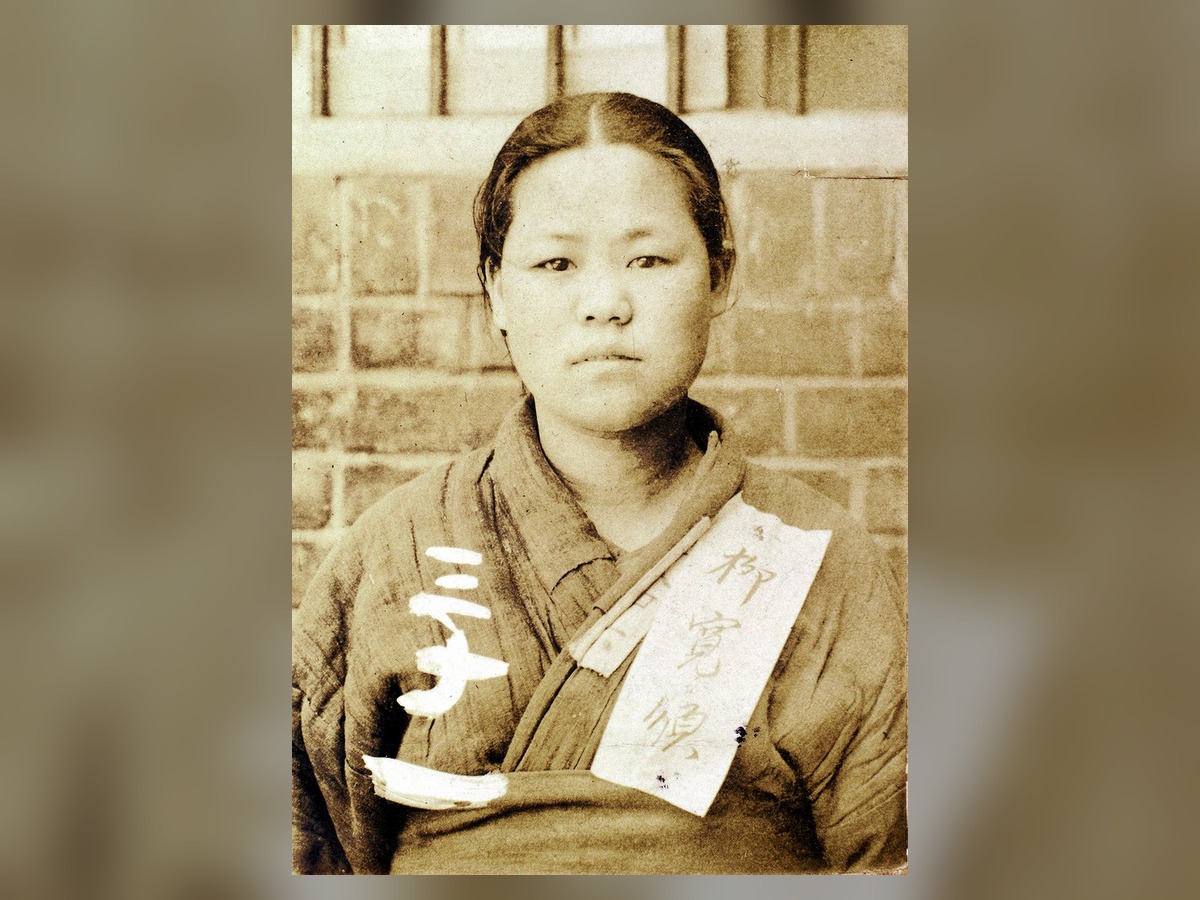
Yu Gwan-sun
Yun Bong-gil
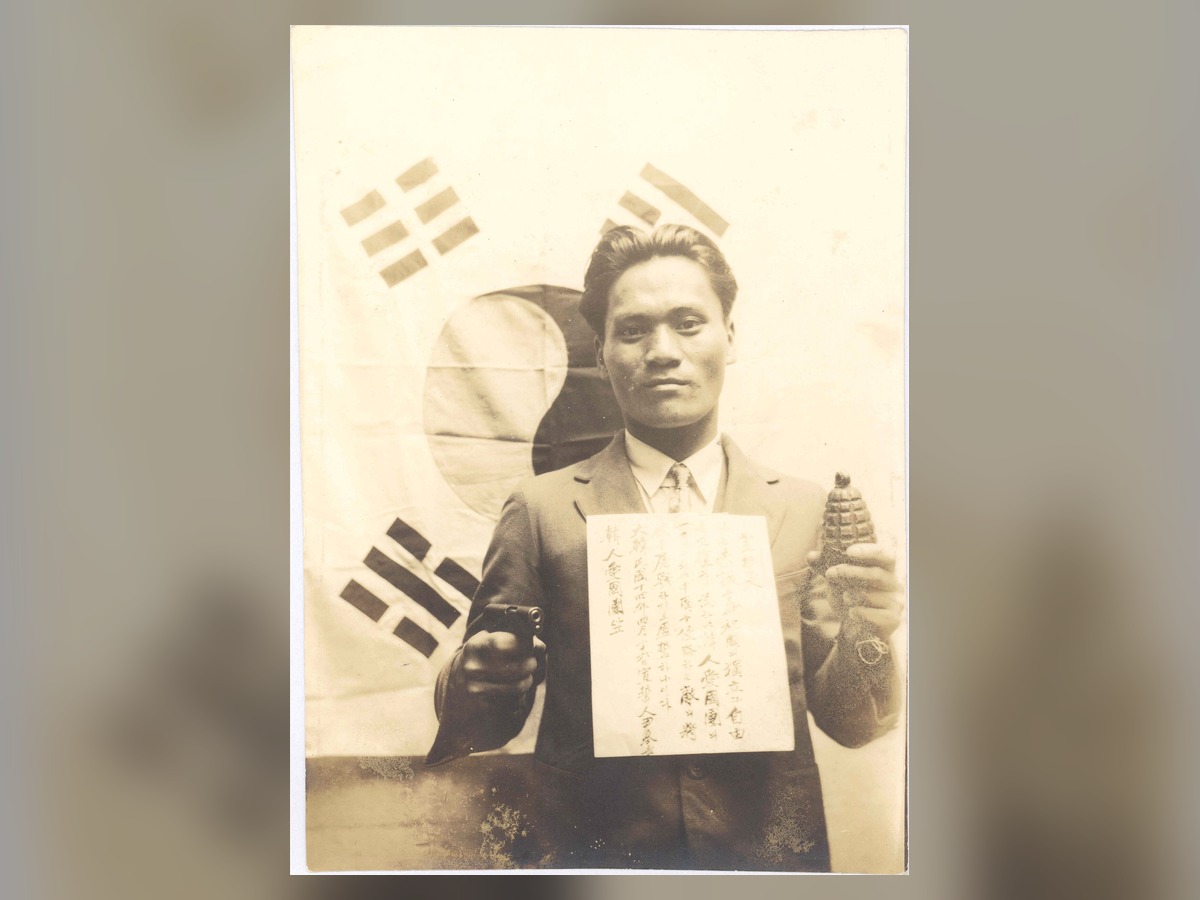
Ahn Chang-ho
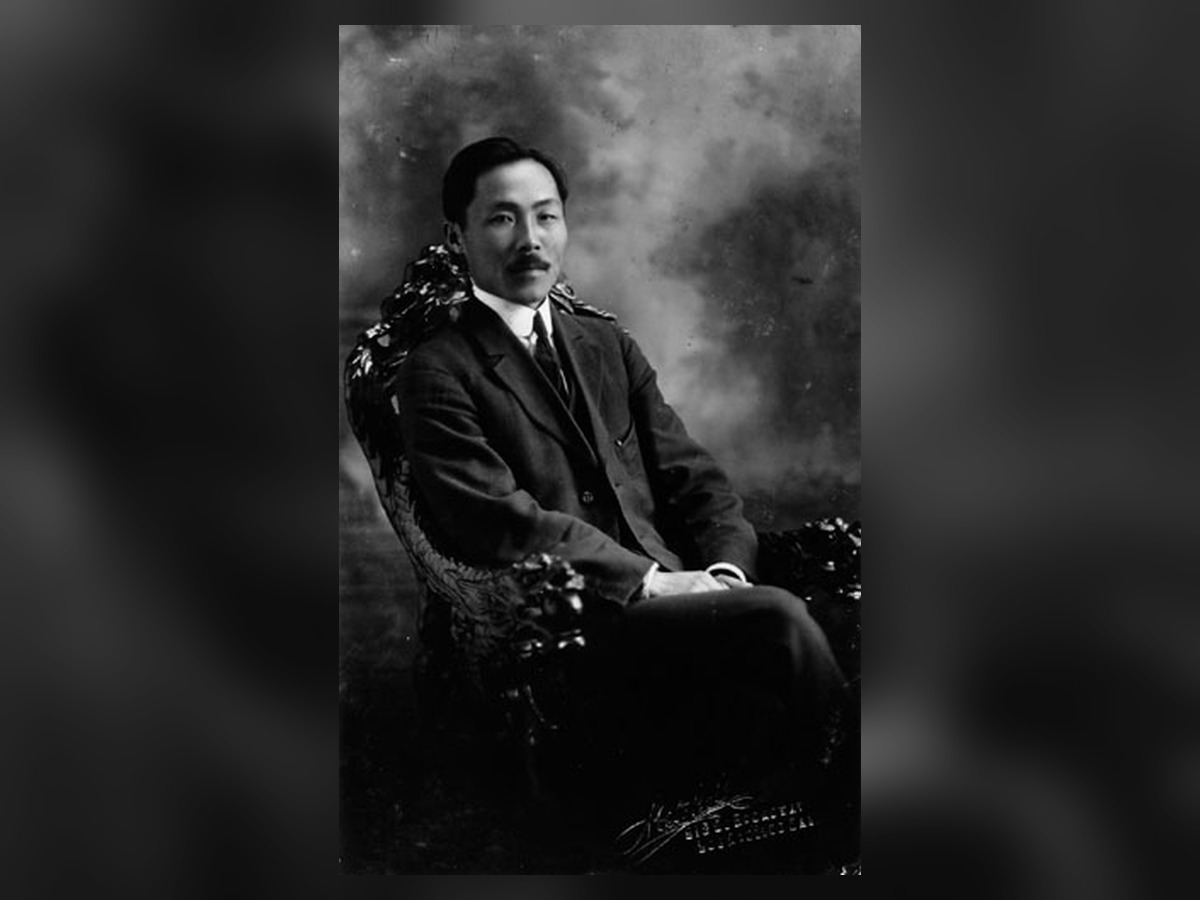
Kim Marie
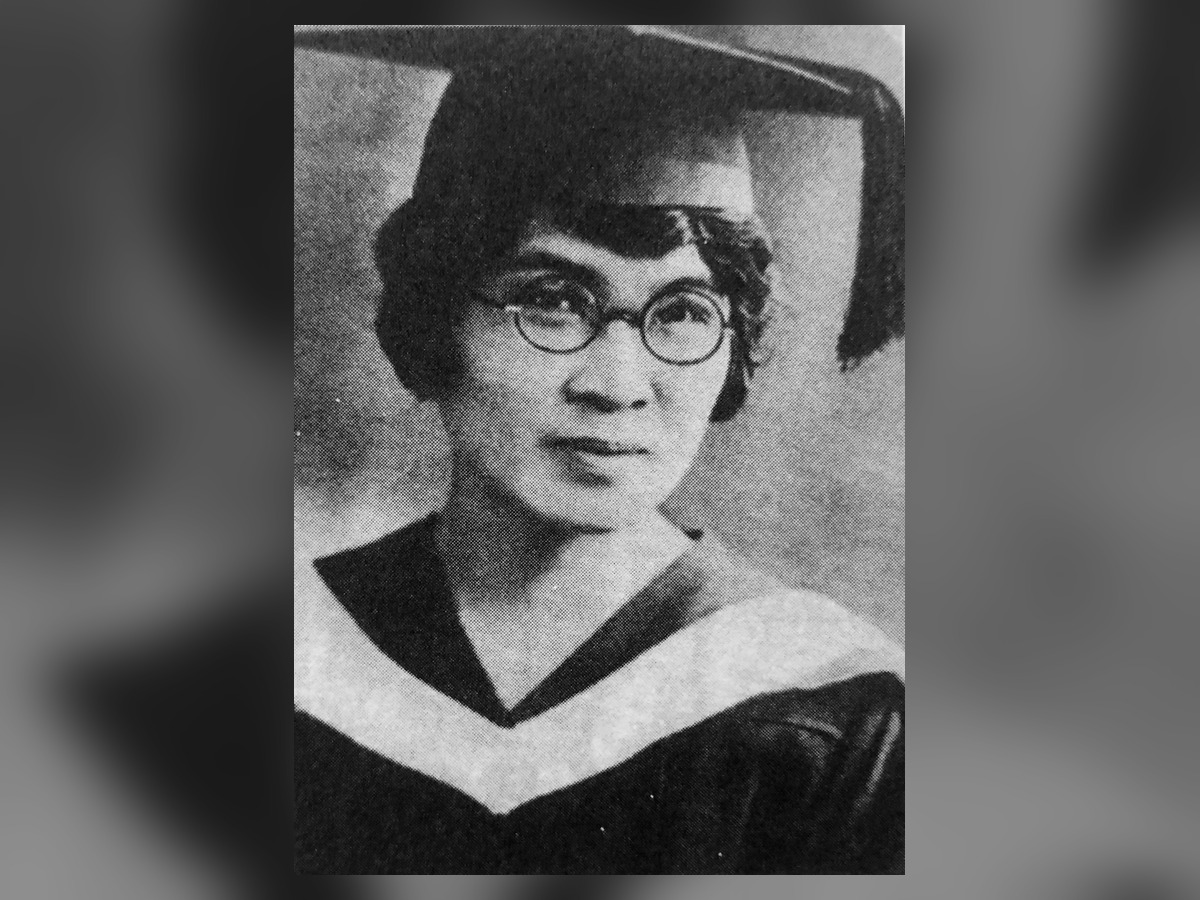
Na Seok-ju
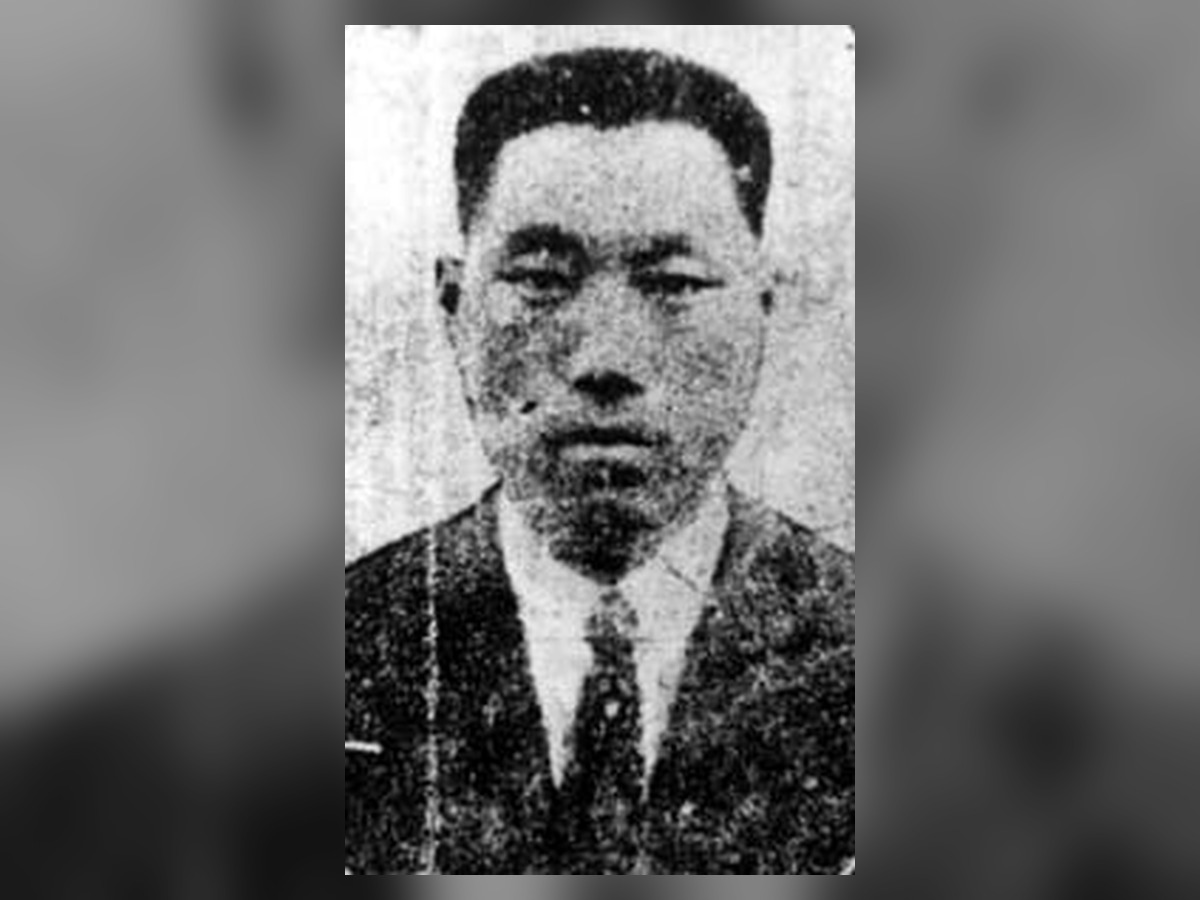
Jo So-ang
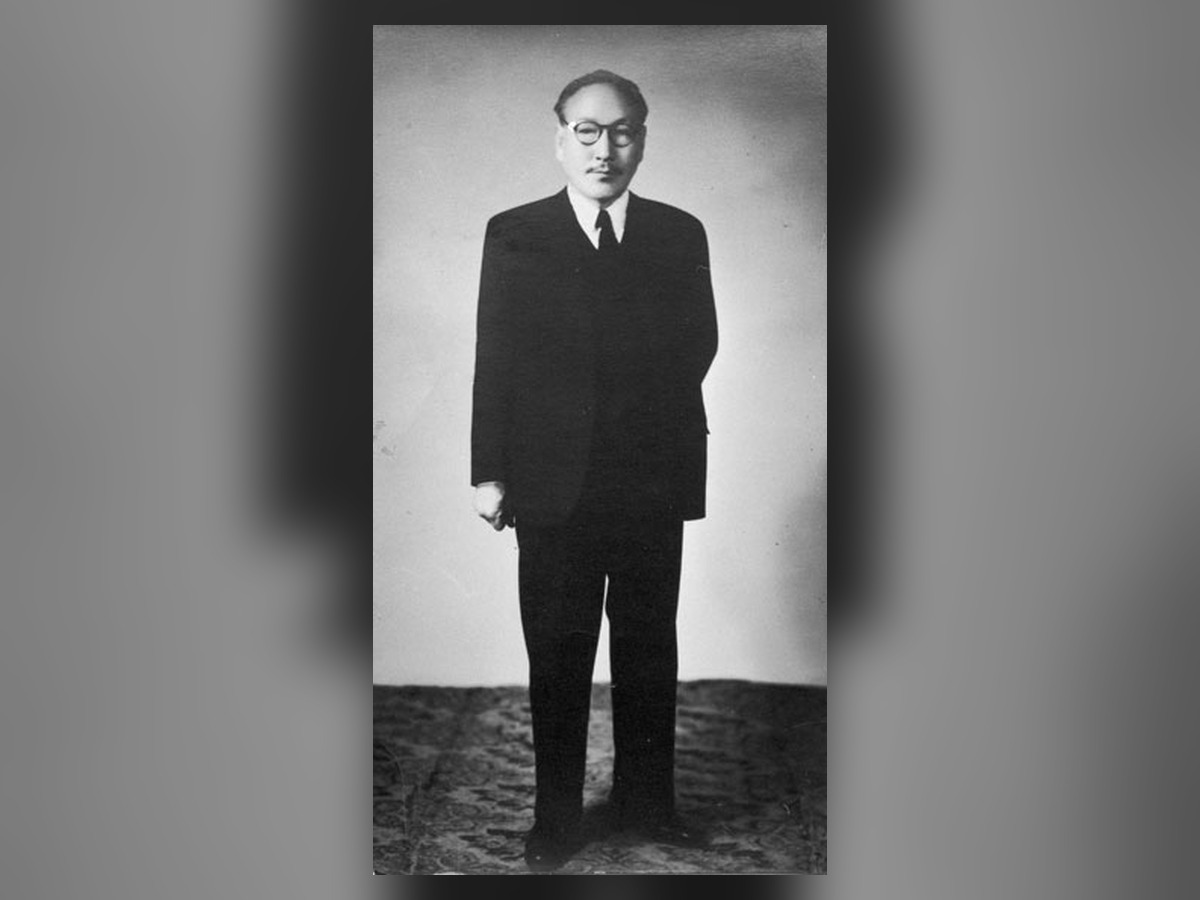
Hong Beom-do
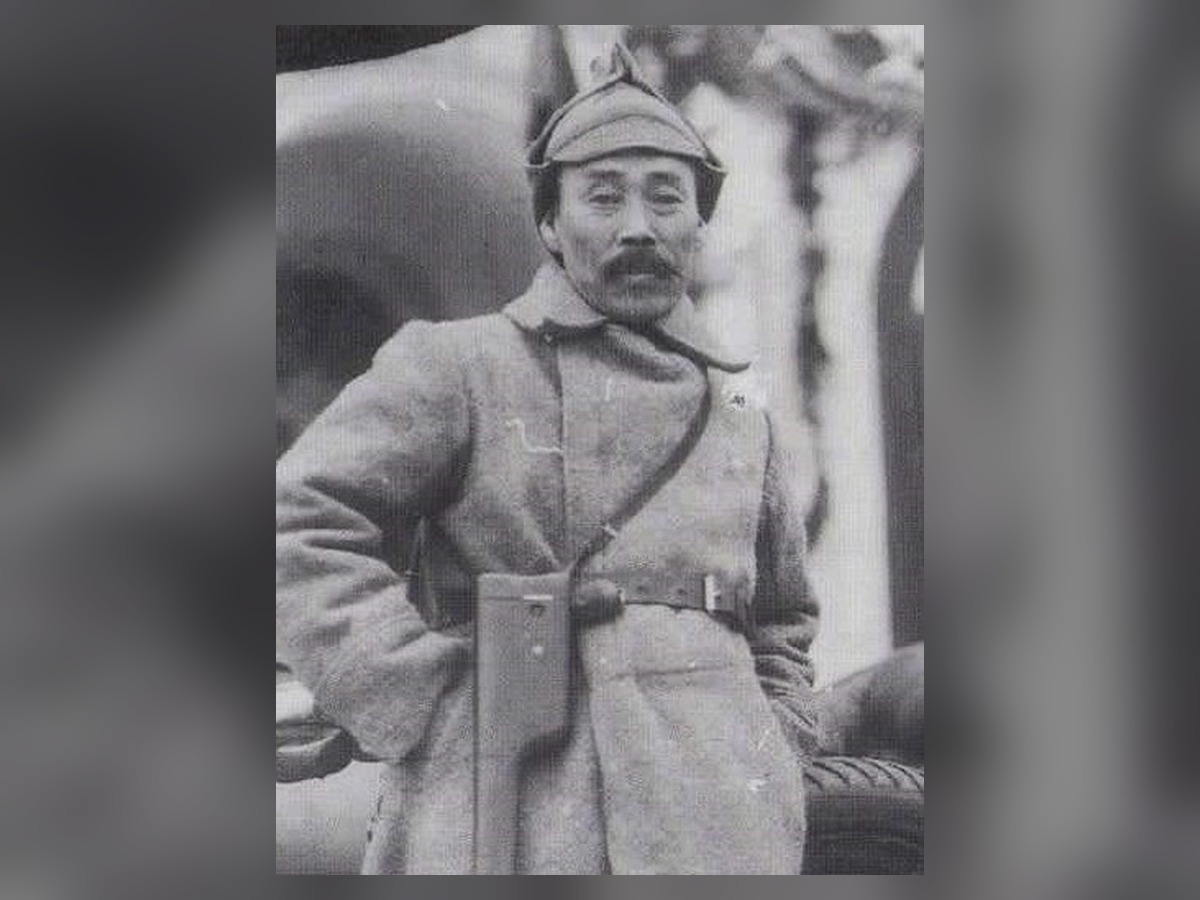
Yi Hoe-yeong
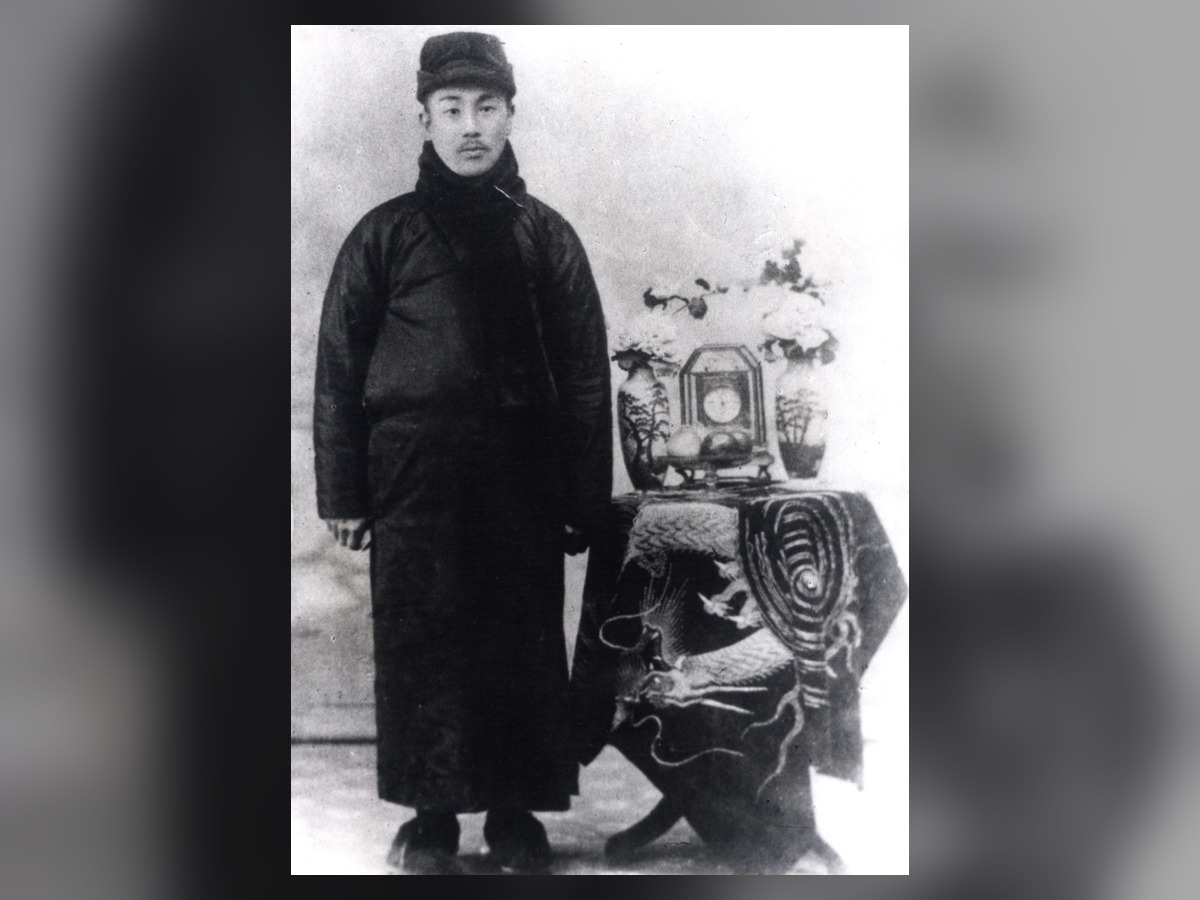
How to Use This List
For teaching purposes, it helps more to compare figures who chose different paths during the same period than to memorize each one separately — for example, placing an armed-resistance route (Hong Beom-do) next to an education-and-organizing route (Ahn Chang-ho) and asking why the methods diverged under a shared goal.
If you're preparing a field trip or a presentation, mapping out the locations involved — Korea, Shanghai, Manchuria, the Russian Maritime Province — can also help. Biographical details for each figure can vary across sources, so we'd recommend double-checking them against official records such as the Ministry of Patriots and Veterans Affairs archive or the Independence Hall of Korea.
Frequently asked questions
What sources should I trust when learning about Korea's independence movement?
Start with Korea's Ministry of Patriots and Veterans Affairs archive and the Independence Hall of Korea. Memoirs and oral accounts are a different category of source and are worth reading alongside official records rather than in place of them. Avoid reducing any individual to a single event.
Why did some activists choose armed resistance while others chose diplomacy or education?
Their choices reflected where they were and what resources they could access. Those based abroad often leaned toward diplomacy or organizing, while those in Korea or near the Manchurian border more often turned to armed or direct resistance. The methods differed, but the shared goal was restoring national sovereignty.
Where should I start if I want to visit historical sites tied to the independence movement?
Check the site maps published by the Ministry of Patriots and Veterans Affairs or the Independence Hall of Korea. Looking beyond domestic locations to sites across Manchuria, the Russian Maritime Province, China, and Japan gives a better sense of how extensive the movement's network really was.
Do the activists on this list span different time periods?
Yes — quite a wide range. Ahn Jung-geun's Harbin assassination took place in 1909, Yu Gwan-sun's demonstration during the March 1st Movement in 1919, and Yun Bong-gil's Hongkou Park operation in 1932, a span of roughly two decades. It's worth noting how methods shifted with the era even as the underlying goal stayed the same.
Were all the activists on this list directly connected to the Provisional Government?
No. Some, like Kim Gu, Jo So-ang, and Yun Bong-gil, were closely tied to the Provisional Government, while others — such as Ahn Chang-ho's Heungsadan, Hong Beom-do's armed forces, and Yi Hoe-yeong's Sinheung Military Academy — operated through separate organizations and routes. Showing that range of approaches is part of the point of this list.
Get new lists before anyone else
Once a week — only the new lists worth your time.
No spam · unsubscribe in one click
You may also like
The War Diary That Also Tracked the Weather: Reading Yi Sun-sin's Daily Life
Six recurring themes (weather, family, troops, supplies, health, dreams) show Yi Sun-sin's ordinary day in Nanjung Ilgi.
Who Stood Beside Yi Sun-sin? The Officers of the Joseon Navy
From Na Dae-yong to Song Hui-rip, six Joseon navy officers who fought alongside Yi Sun-sin, organized by documented rank, unit, and role.