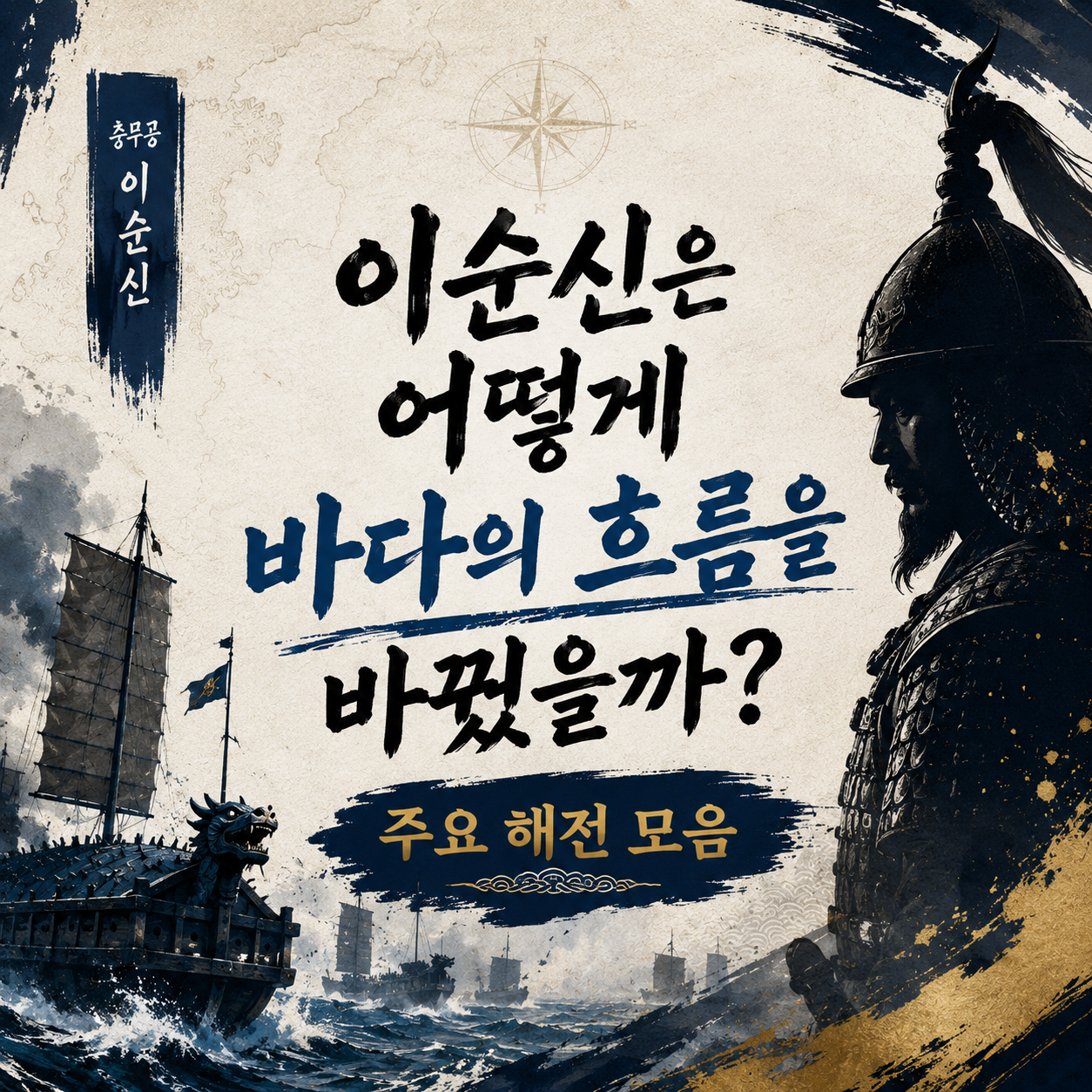
Yi Sun-sin's six major battles, from Okpo to Noryang, each had a different purpose, so they make the most sense read as one war story.
Where should you start with Yi Sun-sin's naval battles? In order, from Okpo to Noryang. Memorizing names alone makes the war look like one repeated victory, but each battle had its own purpose and was fought under very different conditions at sea.
This list picks six battles by timing, location, and the role each played in the war, and it is arranged so you can follow the story as it unfolded. If you're new to the topic, begin at No. 1, Okpo. If terrain tactics interest you, jump to No. 3, Hansan-do, and No. 5, Myeongnyang. For how the war ended, open No. 6, Noryang first.
How we chose
- Did the battle mark a turning point or a change in the war's character?
- Is there something clear to learn about terrain, tactics, or supply?
- Can its purpose and outcome be explained without leaning on casualty counts?
Battle of Okpo

Battle of Sacheon

Battle of Hansan-do

Battle of Busanpo

Battle of Myeongnyang

Battle of Noryang

How to read this list
If you're starting out, use No. 1 Okpo and No. 2 Sacheon to get a feel for the early war, then compare No. 3 Hansan-do with No. 5 Myeongnyang to see how terrain shaped tactics. No. 4 Busanpo shows the offensive side, and No. 6 Noryang covers the end of the war and the commander's final battle.
Troop and ship numbers differ from source to source, so it's safer to focus on each battle's purpose and its effect on what followed than on any single figure. If you plan to visit the sites, keep a map handy. Information reflects the time of research and may change, so check official channels before you go.
Frequently asked questions
How can I visit the sites of Yi Sun-sin's naval battles?
Hansan-do, Myeongnyang (Uldolmok), Noryang, and other major sites have memorial halls and visitor facilities. Check the official site for hours and the latest historical notes before visiting.
Why do casualty and ship counts vary between battles?
Figures like troop numbers or ships sunk are recorded differently depending on the source and how they were tallied. It's more reliable to focus on each battle's purpose and its effect on the war afterward than on one exact number.
What's the difference between the Battle of Myeongnyang and the Battle of Noryang?
Myeongnyang was a defensive battle fought with a severely reduced fleet, using narrow strait terrain to its advantage. Noryang was fought by a combined Joseon-Ming fleet against Japanese forces withdrawing at the war's end, so the timing and conditions are clearly different.
In which battle was the turtle ship first used?
The Battle of Sacheon is often cited as the first recorded combat use of the turtle ship. Accounts of its exact performance vary by source, so it's best to rely on official explanations.
In what order should I read about the battles?
Reading in chronological order (Okpo, Sacheon, Hansan-do, Busanpo, Myeongnyang, Noryang) makes the war's flow easy to follow. If terrain tactics interest you, compare Hansan-do and Myeongnyang first.
Why is Myeongnyang described as fought under different conditions?
It was fought with a small fleet pulled back together after the Joseon navy was devastated at Chilcheollyang. The starting conditions were entirely different from the earlier large-scale engagements.
Get new lists before anyone else
Once a week — only the new lists worth your time.
No spam · unsubscribe in one click
You may also like

10 Ways to Turn a Museum Trip Into Real Research, Not Copying
Start museum homework with a question and your own observations before copying any placard, and even a short write-up becomes real research.
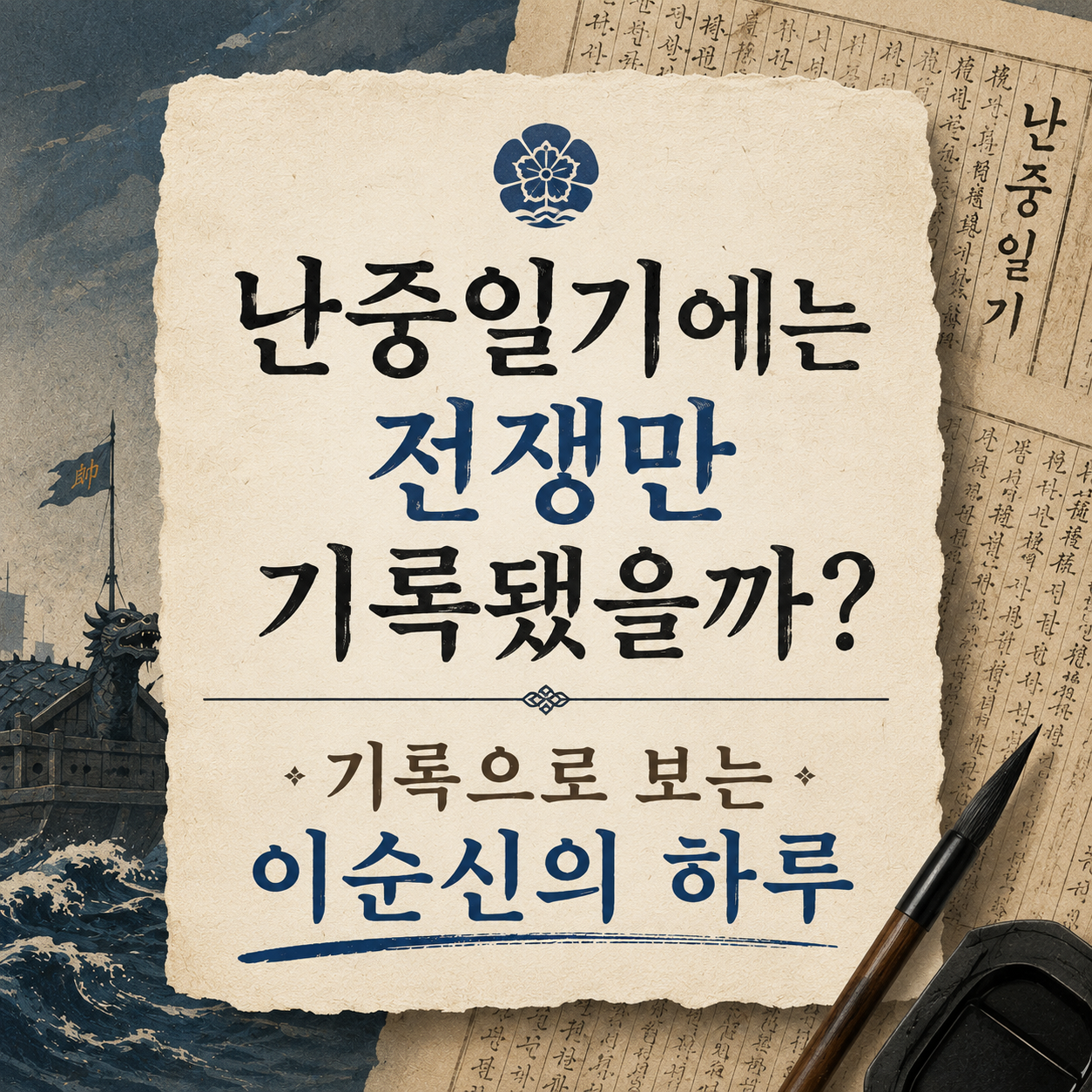
The War Diary That Also Tracked the Weather: Reading Yi Sun-sin's Daily Life
Six recurring themes (weather, family, troops, supplies, health, dreams) show Yi Sun-sin's ordinary day in Nanjung Ilgi.

Who Stood Beside Yi Sun-sin? The Officers of the Joseon Navy
From Na Dae-yong to Song Hui-rip, six Joseon navy officers who fought alongside Yi Sun-sin, organized by documented rank, unit, and role.

Not One Path but Many: 10 Independence Activists Who Chose Different Routes to the Same Goal
From armed resistance to diplomacy, education, and targeted resistance, ten activists pursued Korea's sovereignty through very different means and public records.