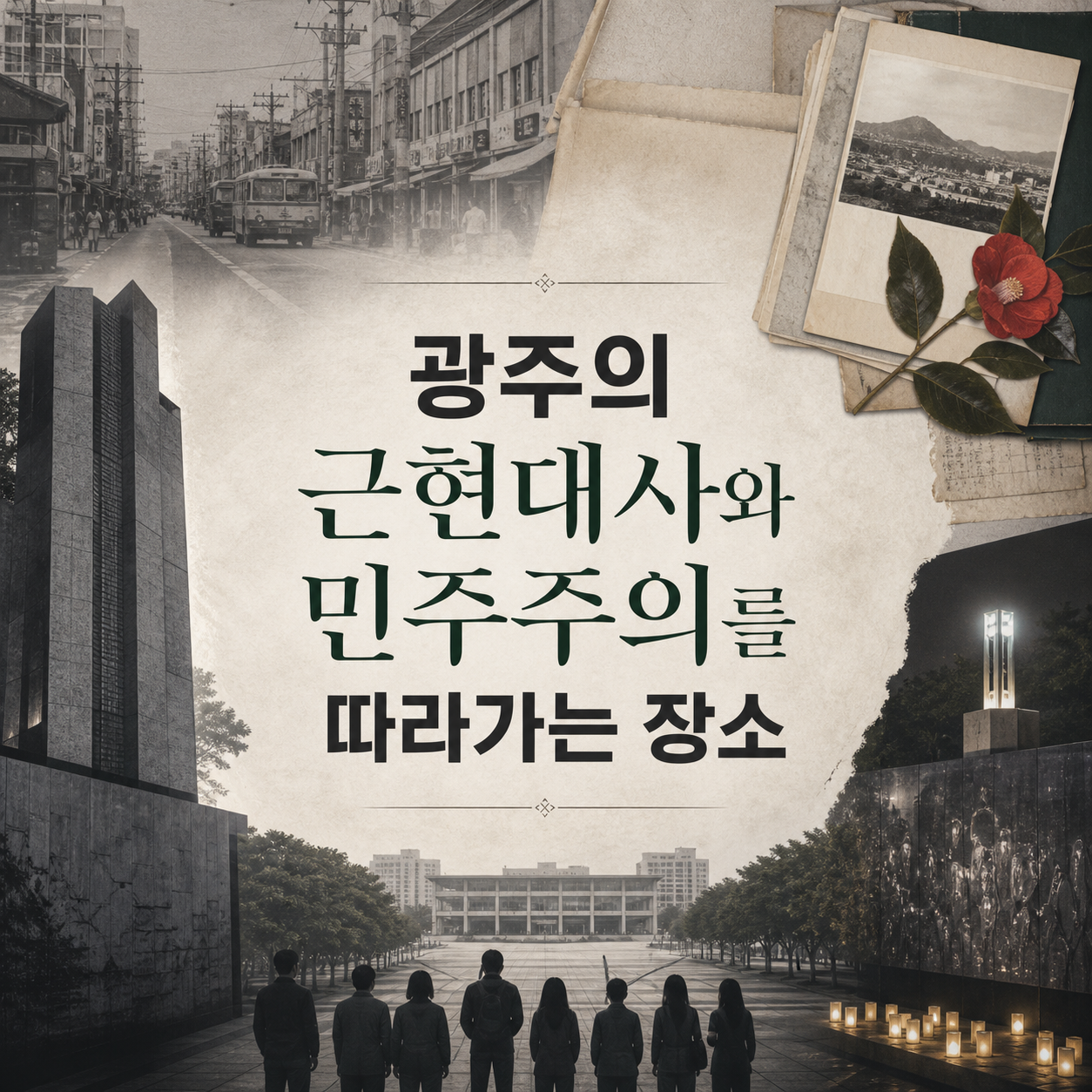
From the Student Independence Movement Memorial to the National May 18th Cemetery, reading the record first and walking the ground after ties the story of student resistance, state violence, and citizen solidarity together.
Gwangju's modern history doesn't come through clearly from textbook dates alone. The 1929 Student Independence Movement and the 1980 May 18 Democratic Uprising happened in different eras with different backgrounds, but the two get blurred together often enough that visitors arrive without a clear sense of what they're actually looking at.
This list gathers real places in the order that makes the story connect: learn the background first at the Student Independence Movement Memorial Hall and the May 18 Archives, then walk the actual ground at Geumnam-ro and the old Jeonnam Provincial Office, and finally pay respects at the national cemetery and the original burial ground. Moving from record to ground to remembrance is what ties citizens' choices, state violence, and solidarity into one connected story.
Selection criteria
- Chronological order: follows events from the 1929 Student Independence Movement through the 1980 uprising
- Route: splits the old-town walking loop (archives to provincial office) from the national cemetery and old burial ground to reduce backtracking
- Record before ground: sequenced so you see the archival material before walking the actual site
Remember first that these aren't scenic backdrops for photos — they're spaces that hold the memory of victims, survivors, and citizens. Keep your voice down and skip staged photos at the burial grounds, and know that some exhibits contain disturbing material, so if you're bringing children or teenagers, explain the purpose of the visit beforehand. Rather than rushing through, reading each site's full account before moving to the next helps the sequence of events actually connect. If you're short on time, even following the first half of this list in order covers the essentials.
광주학생독립운동기념관

5·18민주화운동기록관

전일빌딩245

5·18민주광장

옛전남도청

5·18자유공원

5·18기념공원

국립5·18민주묘지

망월동 5·18민족민주열사묘역

양림문화역사마을

Pick your route by how much time you have
With only half a day, the Archives (#2), the May 18 Democracy Square (#4), and the National May 18th Cemetery (#8) alone cover the record, the ground, and remembrance. With a full day, start at #1 and work through in order to build context, then finish at the old Mangwol-dong burial ground (#9) to compare it against the national cemetery built later.
When comparing sites, it helps to separate archival stops (#1, #2) from where the actual uprising happened (#3-5) from memorial spaces (#8, #9). If you want to widen the lens beyond May 18, closing the day at Yangnim Culture and History Village (#10) adds a different layer of the city's modern history.
Exhibit hours and what's open to the public reflect the time of research and can change, so confirm through official channels before you visit.
Frequently asked questions
Can I visit all the May 18 sites in one day?
Physically yes, but it's not recommended. The material is heavy and the distances add up, so cramming everything into one day tends to blur each site's significance. Splitting into archives, field sites, and memorial spaces over two days works better.
What's the difference between the National May 18th Cemetery and the old Mangwol-dong burial ground?
The National Cemetery is where official state ceremonies and remembrance now take place. The old Mangwol-dong ground is where victims were first buried, holding the earliest memory of the democratization movement. Both carry distinct historical weight and are worth visiting separately.
Is it okay to bring children?
Yes, but some exhibits can be emotionally heavy, so it helps to give kids age-appropriate context beforehand. Also walk them through cemetery etiquette — quiet, respectful movement — before you arrive.
Can I go inside the old Jeonnam Provincial Office right now?
Restoration work is ongoing, so what's open to the public varies by period — sometimes only the exterior is viewable. Check ahead of your visit, and even if you can't go inside, reading the historical background while viewing it from outside adds real meaning.
Is Yangnim Culture and History Village connected to May 18?
Not directly. It preserves missionary-era architecture and traces of early modern education and medicine from a different era of the city's history, which is why it works well as a final stop to broaden the lens beyond the uprising itself.
Get new lists before anyone else
Once a week — only the new lists worth your time.
No spam · unsubscribe in one click
You may also like

Gwangju: 12 Cafes Made for Long Group Conversations
Gwangju cafes worth checking for group-friendly seating, reservation policy, and a quieter time slot, organized by neighborhood.
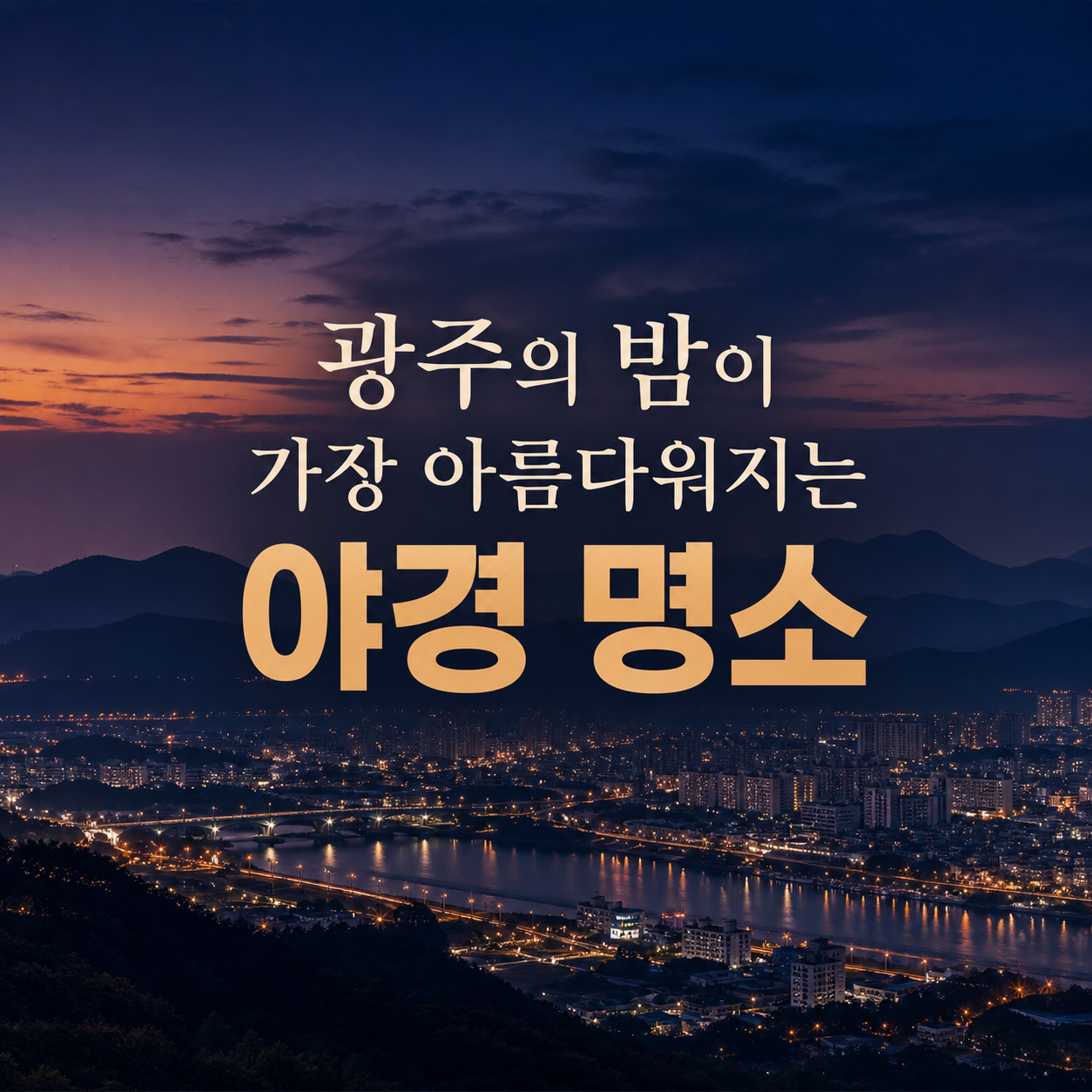
Gwangju's Night Views Aren't About Height — They're About When You Show Up
Arrive 30 minutes before sunset and the same spot becomes a completely different evening — a guide to Gwangju's ten best towers, riverbanks, and downtown corners for watching the light change.
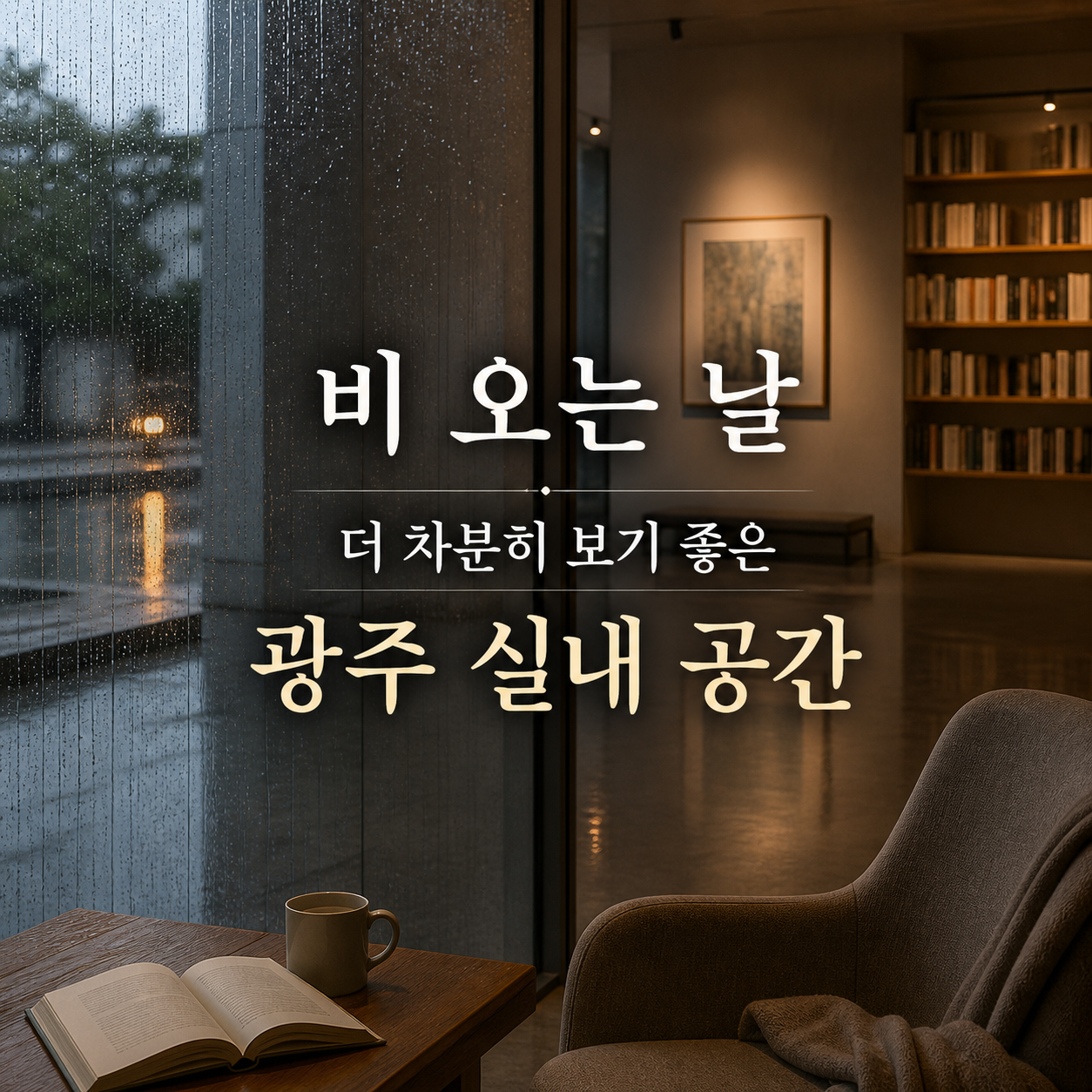
Rainy Day in Gwangju: Check the Closing Day Before You Grab an Umbrella
Pair one large venue (media art, painting, science) with one small specialty museum, and confirm opening hours and reservations first — that's the real key to a smooth indoor day in Gwangju.
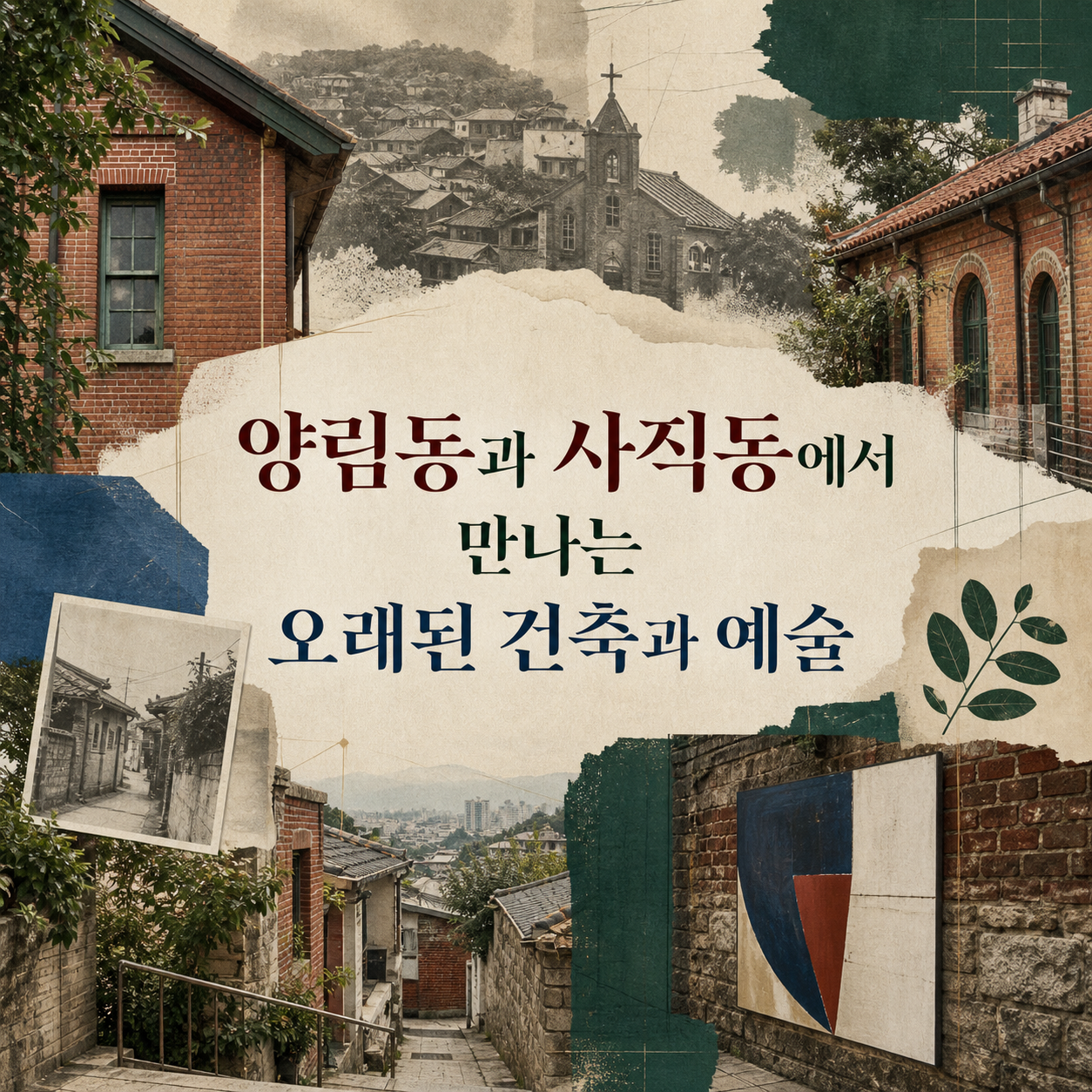
Stop Before You Shoot: A Ten-Stop Architecture Walk Through Yangnim-dong and Sajik-dong, Gwangju
From the depth of a colonial-house eave to the stones in a garden wall, this walk through Gwangju's layered architecture rewards standing still and reading materials before you shoot.