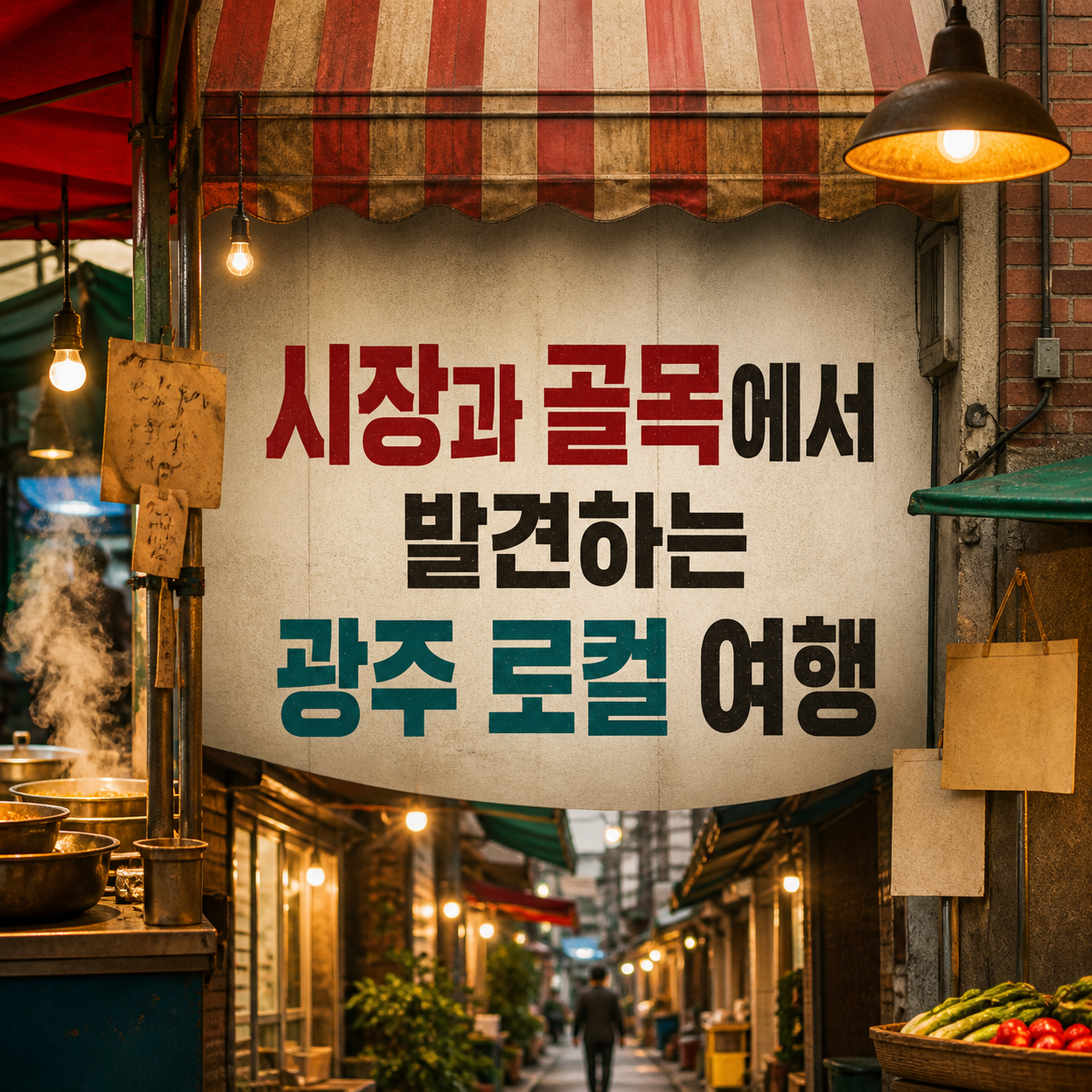
Check market days and hours first, and the old-town alleys open up in far more dimension.
The most common way to get this trip wrong is searching for the famous name, showing up, and finding it's the weekly closing day — or arriving at a market that only really runs in the daytime and finding the shutters down at night. Yangdong Market, Malbawi Market, and Namgwangju Market each run on their own rhythm of market days and peak hours, and Daein Market wears an entirely different face by day versus by night once its arts programming kicks in. Show up with no plan and you'll likely see half of what's actually there. The same holds for older spaces layered with newer culture, like 1913 Songjeong Station Market or the Dongmyeong-dong, Yangnim-dong, Arts Street, and Chungjang 22 pockets — mistake them for permanent exhibits and you might land on a day with no program running at all.
So instead of ranking by fame alone, this list puts markets that run daily and hold up regardless of timing near the top, and pushes places tied to a fixed market day or evening-only events further down. Follow the order and it doubles as a hint for what needs checking ahead of time. Split by district, this breaks into the old-town core of markets and the Arts Street versus the Dongmyeong-dong / Yangnim-dong alley scene — pick one based on what interests you rather than trying to cover both in a single day.
How to use this list
- Short on time? Pick two of the top three (Daein Market, Yangdong Market, 1913 Songjeong Station Market) that fit your route.
- Want real market-day energy? Check the schedules for Malbawi Market (No. 4) and Namgwangju Market (No. 5) and time your visit around them.
- Prefer a quiet alley walk? Group No. 6 through 9 — Arts Street, Dongridan-gil, Penguin Village, Chungjang 22 — into one day.
Daein Market

Gwangju Yangdong Market

1913 Songjeong Station Market

Malbawi Market

Namgwangju Market

Gwangju Arts Street

Dongridan-gil Café Street

Penguin Village

Chungjang 22

Geumnam-ro Park

How to Choose
Short on time, Daein Market and Yangdong Market alone give you a real feel for the old town's scale and texture. Squeezing a visit into a train transfer basically means 1913 Songjeong Station Market by default, and if you want the buzz of a real market day, look up the schedule for Malbawi Market or Namgwangju Market and plan around it.
When comparing options, check whether a place is actually open right now before you weigh anything else — fame doesn't help if the shutters are down. Market days, regular closures, evening events, and hours reflect research at the time of writing and can change, so confirm through each market's or district's official channel before you go.
Frequently asked questions
When's the best time to visit Gwangju's markets?
Places with regular market days, like Malbawi Market, are worth timing your visit around, while Namgwangju Market has more stalls open in the early morning through midday. Double-check market days and hours through official channels before you go.
Can you cover the old-town markets using public transit alone?
Yes — subway and bus connect Yangdong Market, Namgwangju Market, and the Geumnam-ro area well, and walking within the old town itself is manageable. Parking is tight in a lot of these areas anyway, so transit is often the more convenient option.
Are the night markets and cultural events always running?
No — things like Daein Market's night market or the Arts Street's weekend events often aren't continuous, so check the schedule before you go. If an event is cancelled, rerouting to a nearby market or park can still fill out your day without much trouble.
Is this a good route with a lot of luggage?
A sprawling market like Yangdong can be tiring to cover with bags in tow, so it's worth leaving luggage at a station locker or your lodging and walking light. If shopping is the actual goal, save that market for the end of your route.
Is this walkable on a rainy day?
Stretches like 1913 Songjeong Station Market or the Arts Street have covered or indoor sections that offer some shelter, but parts of Yangdong and Namgwangju markets are open-air, so bring an umbrella. On rainy days, reordering the route toward the more covered stops works well.
Get new lists before anyone else
Once a week — only the new lists worth your time.
No spam · unsubscribe in one click
You may also like

Gwangju: 12 Cafes Made for Long Group Conversations
Gwangju cafes worth checking for group-friendly seating, reservation policy, and a quieter time slot, organized by neighborhood.
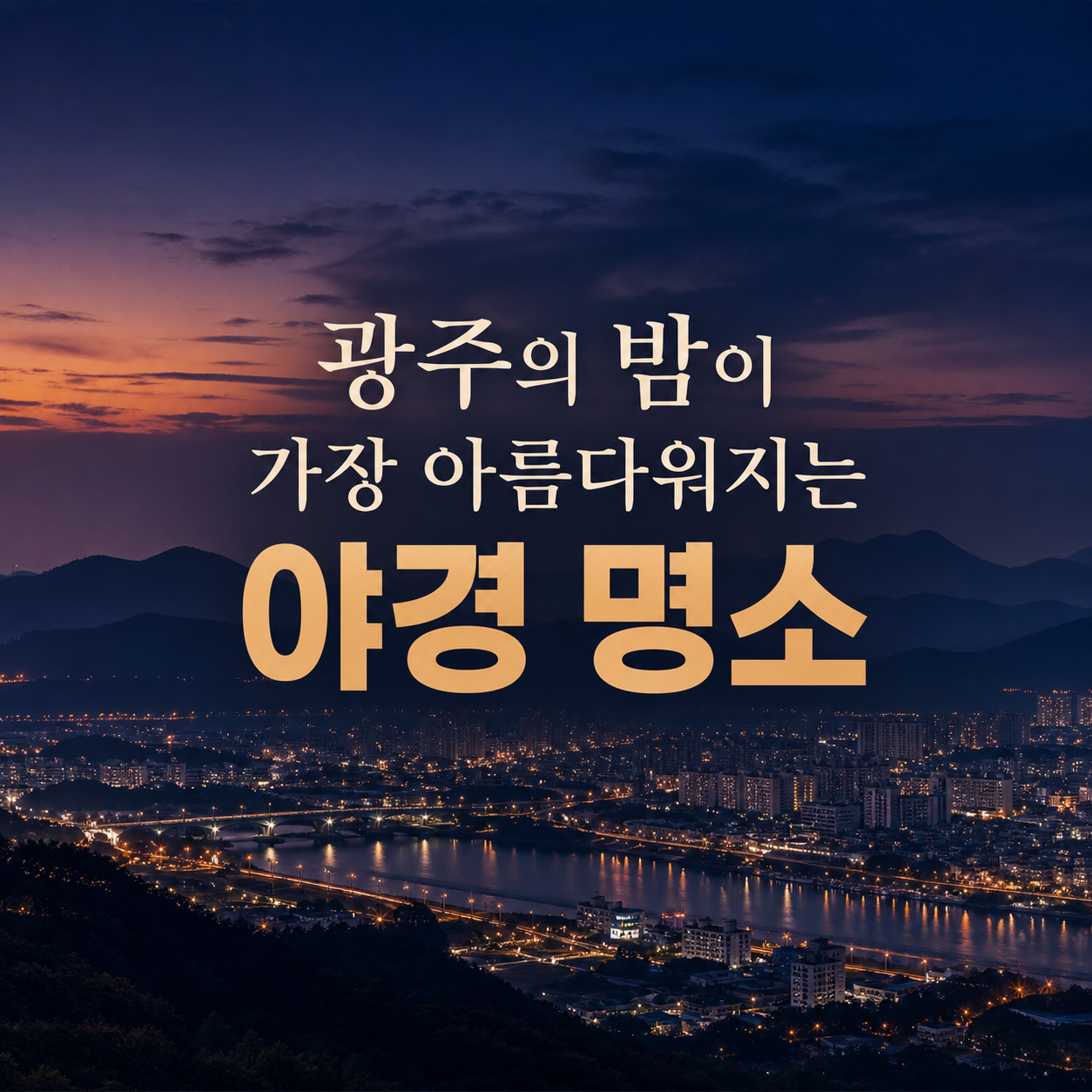
Gwangju's Night Views Aren't About Height — They're About When You Show Up
Arrive 30 minutes before sunset and the same spot becomes a completely different evening — a guide to Gwangju's ten best towers, riverbanks, and downtown corners for watching the light change.
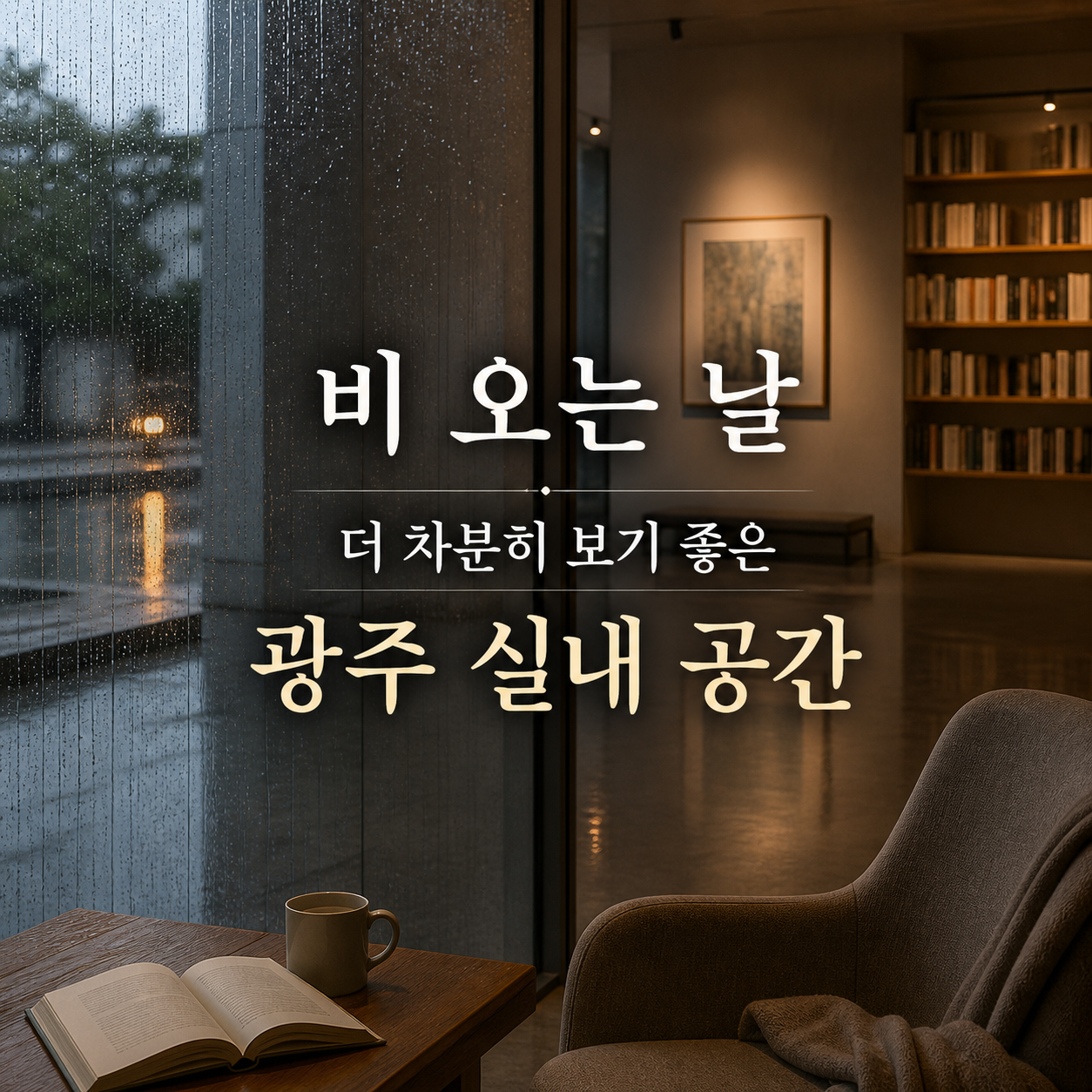
Rainy Day in Gwangju: Check the Closing Day Before You Grab an Umbrella
Pair one large venue (media art, painting, science) with one small specialty museum, and confirm opening hours and reservations first — that's the real key to a smooth indoor day in Gwangju.
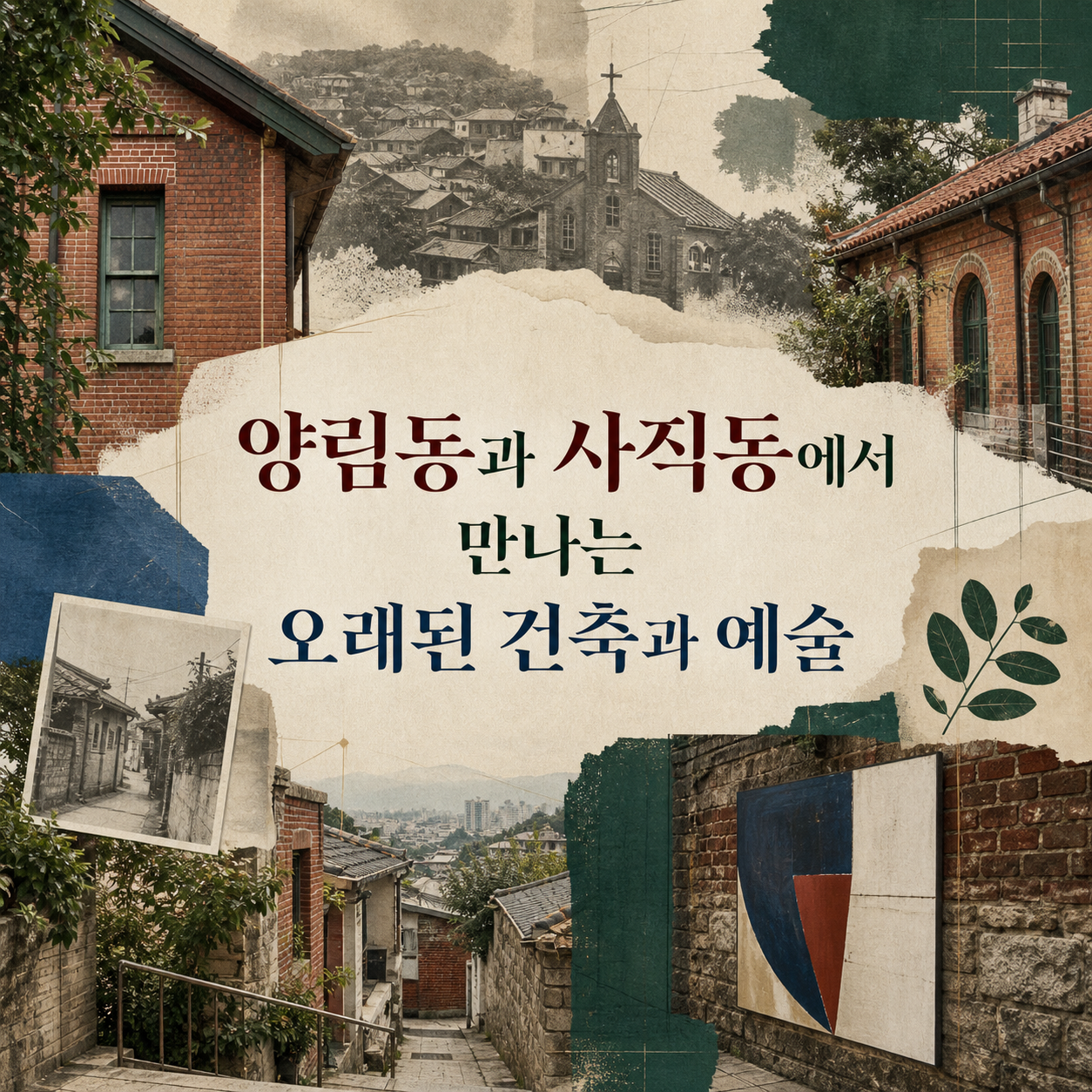
Stop Before You Shoot: A Ten-Stop Architecture Walk Through Yangnim-dong and Sajik-dong, Gwangju
From the depth of a colonial-house eave to the stones in a garden wall, this walk through Gwangju's layered architecture rewards standing still and reading materials before you shoot.