TOP 10

When Volcanoes Redraw the Map: Ten Cities That Had to Choose

Updated 8/18/2026
When Volcanoes Redraw the Map: Ten Cities That Had to Choose

Some cities came back from the ash. Others never did — here's what decided which.

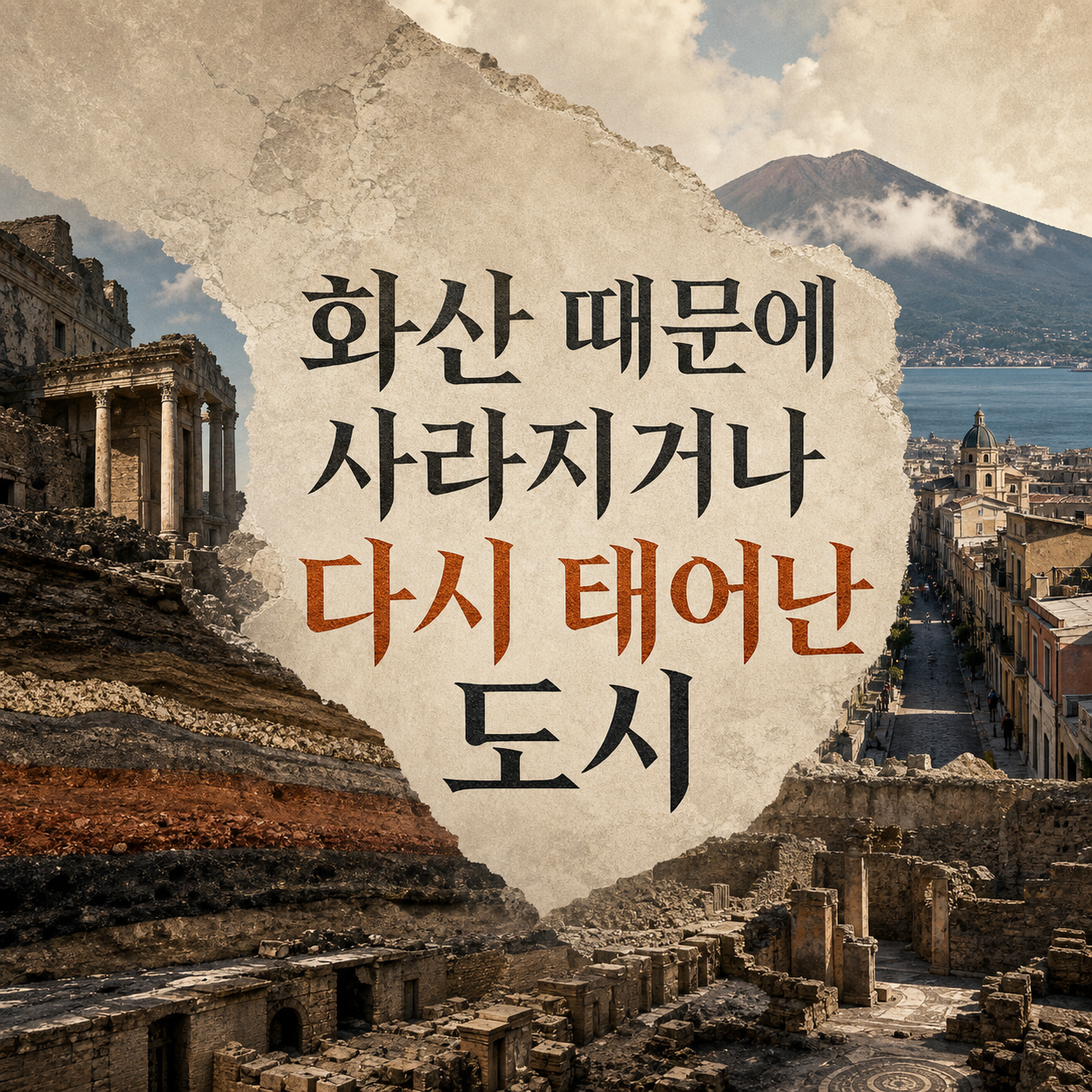
A volcanic eruption can erase a city from the map in an instant, or push its residents elsewhere over years of unrest. Some cities rebuilt on the same ground, saving a harbor or other critical infrastructure; others left their old sites as memorials and never went back. This list follows ten real cities touched by volcanic disaster, from Pompeii to Legazpi, tracing the different paths people chose after destruction.

How this list was built

  • Only cities with documented eruption history and confirmed damage-and-recovery outcomes are included
  • Ordered chronologically, from Pompeii in 79 CE to still-active Goma and Legazpi today
  • Each entry is framed around three stages — evacuation, recovery, and remembrance — rather than death toll or eruption size

The same volcanic damage can lead to very different recoveries depending on land ownership, jobs, transportation, and whether a community could agree on a path forward. Read each entry through those three stages rather than just comparing death tolls or eruption size. Cities near volcanoes still active today can have exclusion zones and alert levels that shift quickly, so check the latest word from local observatories before visiting. Ranks 1-4 are cities preserved as ruins or memorials, 5-6 are cases where rebuilding itself was in question, and 7-10 are cities still living alongside an active volcano today.

01

Pompeii

Pompeii, in Italy's Campania region, was buried in a single day when Mount Vesuvius erupted in 79 CE. Frozen beneath the ash, its streets and frescoes became, paradoxically, one of the clearest windows into everyday Roman life. It's now a UNESCO World Heritage archaeological park open to visitors, but check current restricted areas and volcanic alerts with local authorities before going. Pairing a visit with the nearby Herculaneum site shows how the same eruption left very different traces on each town.
02

Saint-Pierre

In Martinique, Saint-Pierre — once called the 'Paris of the West Indies' — was reduced to ash in minutes by a 1902 pyroclastic flow from Mont Pelée. The streets rebuilt over its ruins show how a place can keep living without forgetting what happened. Visiting the volcanology museum and the old theater and prison ruins is best approached as remembrance, not sightseeing. The museum also documents the accounts of the town's handful of survivors.
03

Armero (former site)

In Tolima, Colombia, the former town of Armero was buried entirely by a lahar from Nevado del Ruiz in 1985. It was never rebuilt and now stands as a memorial site, a quiet testament to how much volcanic disaster response depends on prevention and early warning. Respect private land and memorial regulations, and avoid wandering off unguided. A guided tour from a nearby town is the better way to take in the historical context.
04

Plymouth

The former capital of Montserrat, Plymouth was buried and abandoned during the Soufrière Hills eruptions of the 1990s and remains a restricted ghost town today. Grey ruins in the middle of a tropical island show how a volcano can strip a city of its very status as a city. Entry to the exclusion zone is only possible through authorized tours, and accessible areas change often with volcanic activity. Comparing it with Little Bay, the island's new administrative center, is worth the trip.
05

Heimaey

On this Icelandic volcanic island, the entire population evacuated by boat overnight during the 1973 Eldfell eruption — but the town later became known for spraying seawater on advancing lava to save its harbor. It's a rare place where disaster, response, and rebuilding can all be traced within one town. The Eldheimar volcano museum adds depth, tracing the full arc from evacuation to reconstruction. A house preserved intact beneath the lava sits right on the museum grounds.
06

Rabaul

Rabaul, Papua New Guinea, sits inside a caldera, and after a 1994 eruption its administrative functions shifted to nearby Kokopo. It shows how a city that had long coexisted with its volcano eventually ceded ground to disaster. Comparing the ash-covered old streets with the new center at Kokopo makes clear why relocation became unavoidable. Parts of the old town remain buried in ash today, a visible marker of the eruption's scale.
07

Goma

Goma, in the Democratic Republic of Congo, is one of the few major cities where lava from a volcano — Nyiragongo — has actually flowed through the urban center. Homes, roads, and the airport have all been threatened, yet hundreds of thousands still live there, showing both the vulnerability and resilience of cities near active volcanoes. Since the volcano remains active, check current alert levels and accessible areas before any visit. Hardened lava fields still line parts of the road through town.
08

Chaitén

In southern Chile, Chaitén's volcano woke without warning in 2008, rerouting the river running through town and sparking a long debate over whether to rebuild in place or relocate entirely. It's one of the clearest cases of the question every disaster-hit town eventually faces: where do you live now? Traces of that debate are still visible today, in the ash still marking downtown next to newer rebuilt sections. The rerouted riverbed itself remains visible evidence of how much the landscape shifted.
09

Shimabara

Shimabara, in Nagasaki, Japan, has built its identity around remembering and teaching from Mount Unzen's repeated eruptions, especially the pyroclastic flows of the 1990s. Its disaster memorial hall and preserved buried houses treat the damage as an educational resource rather than a tourist spectacle. Joining a guided program helps put the exhibits in much clearer context. Pairing the visit with the area's hot springs shows both the danger and the benefit a volcano can bring.
10

Legazpi

In Albay, the Philippines, Legazpi has folded Mount Mayon's recurring eruptions and evacuations into everyday city planning rather than treating them as isolated crises. Managing tourism and disaster response together offers a practical model for cities that must coexist with an active volcano. Viewing areas open to the public shift with alert status, so check the latest bulletin before visiting. Mayon's famously symmetrical cone is visible from several spots around the city on a clear day.

How to compare these

If you want to start with a recovery success story, look at #5 Heimaey, which saved its harbor. If you're curious about cases where rebuilding itself was in doubt, read #3 Armero and #8 Chaitén side by side. To see how cities still coexist with active volcanoes today, compare #7 Goma with #10 Legazpi — the contrast in approach is stark.

When comparing entries, look past the scale of damage alone to how land ownership, jobs, and community agreement shaped each city's speed of recovery. This information reflects the time of research, and exclusion zones and alert levels shift frequently, so check the latest bulletins from local tourism authorities and volcano observatories before visiting.

Frequently asked questions

Can you actually visit these ruined cities today?

Some, like Pompeii and Saint-Pierre, are open as archaeological or historic sites. Others, like Plymouth and Armero, remain restricted zones or memorial grounds only. Check current access rules with local tourism authorities and volcano observatories before planning a visit.

Is it safe to visit cities near volcanoes that are still active?

Cities like Goma and Legazpi sit near volcanoes that remain active, and accessible areas shift with alert levels. Checking Smithsonian/USGS weekly reports or local observatory bulletins right up until your trip is the safest approach.

What separated the cities that recovered from the ones that didn't?

Places like Heimaey that managed to protect key infrastructure, like a harbor, recovered relatively fast. Chaitén, where the eruption rerouted the river itself, sparked years of debate over whether to rebuild at all. Beyond the scale of damage, land, jobs, and whether residents could agree mattered just as much.

Did any of these cities relocate entirely after the disaster?

Yes. #6 Rabaul's administrative functions shifted to nearby Kokopo after a 1994 eruption, and #8 Chaitén sparked years of debate over rebuilding in place versus relocating after its river was rerouted. Both cases show that deciding where to live again mattered as much as the rebuilding itself.

What order are the cities on this list arranged in?

They're ordered chronologically by eruption date, from Pompeii in 79 CE (#1) through Saint-Pierre in 1902, Armero in 1985, Plymouth and Shimabara in the 1990s, up to still-active Goma and Legazpi (#10). This isn't a ranking of activity level or danger, so check current alerts separately before any visit.

NEWSLETTER

Get new lists before anyone else

Once a week — only the new lists worth your time.

No spam · unsubscribe in one click

This page contains affiliate links. We may earn a commission from qualifying purchases.
Cities Volcanoes Destroyed or Rebuilt: A World Tour | Golladream