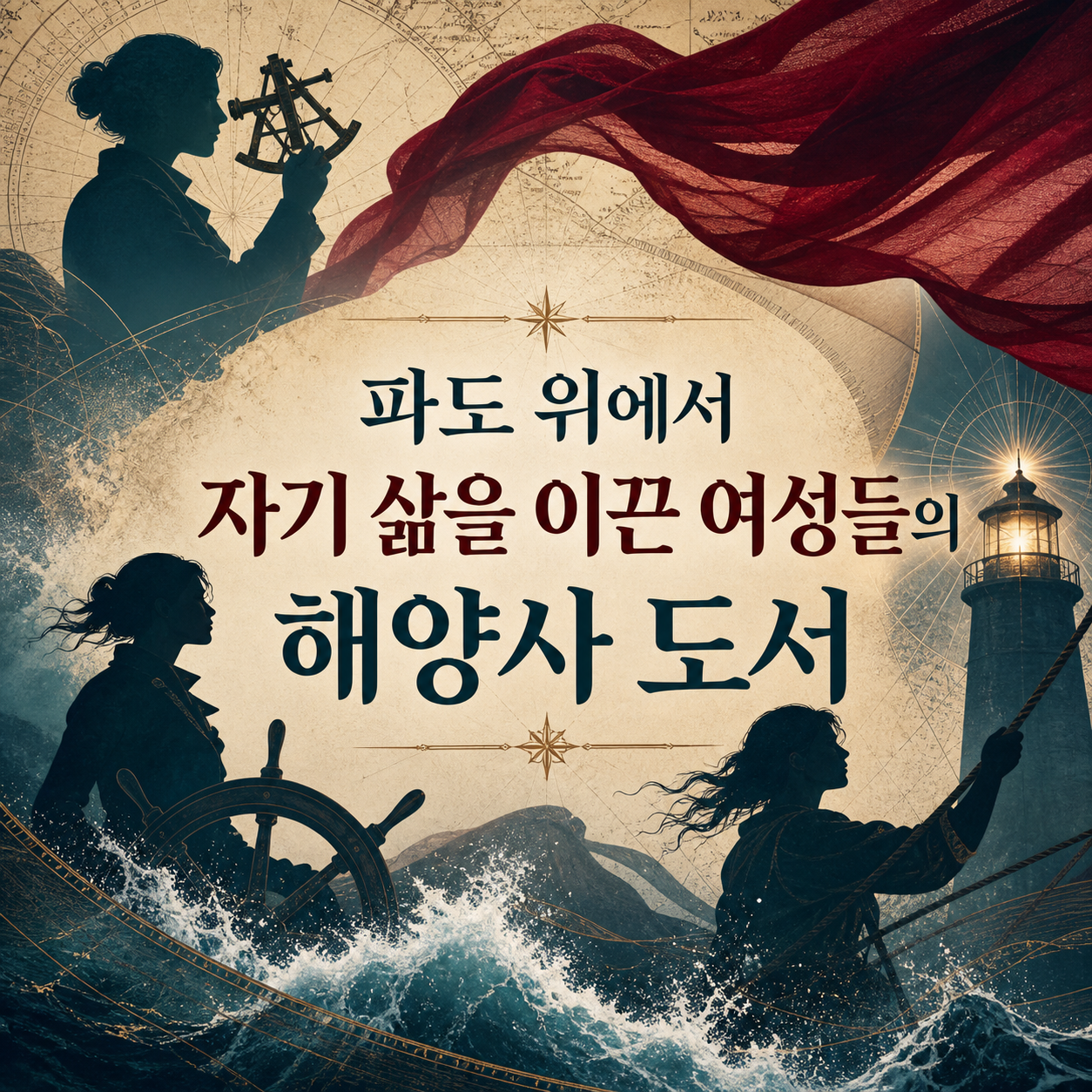
Ten real books on women pirates, sailors, and captains, from accessible primers to academic studies, biographies, and fiction.
If you are choosing your first book on women pirates and maritime history, start with one popular primer and widen to academic studies and biographies from there. The usual confusion is that Anne Bonny and Mary Read crowd out everyone else, hiding the fact that the sea had many roles: clan leaders who commanded fleets, sailors who served in disguise, captains' wives, and women onshore who moved contraband and news.
This list gathers only books that were actually published and sorts them into primers, academic research, biography, and fiction. The same ocean can read as an adventure or as a record of labor and violence, depending on which sources an author picks. So the easy reads come first, the source-heavy works sit in the middle, and the fiction comes late.
How we chose
- Real, published books only
- A clear identity as popular history, research, biography, or novel
- Range across figures and eras rather than one narrow focus
Many are English-language originals, so check editions and e-book options before buying.
Pirate Women

Women and English Piracy, 1540–1720

Bold in Her Breeches

Female Tars

Seafaring Women

Granuaile

Pirate Queen: The Life of Grace O'Malley

Pirate Queens: The Lives of Anne Bonny & Mary Read

The Only Life That Mattered

She Captains

How to choose
If you are new, start with #1 Pirate Women or #5 Seafaring Women for the big picture. When a figure catches your interest, narrow down with the Grace O'Malley biographies at #6 and #7 or the Anne Bonny and Mary Read book at #8. If you care about sources and method, go to #2 and #3; for women aboard navy and merchant ships, pick #4.
For a story, choose the novel at #9, but remember it is fiction and confirm facts elsewhere. #10 is a good start if you want the whole map first. Book details reflect the time of research, and editions and translations can change, so check with a bookstore or the publisher's official channel before buying.
Frequently asked questions
Which book is the easiest entry point?
Pirate Women and Seafaring Women are both written in an accessible, popular-history style, making them good starting points before moving into academic titles like Women and English Piracy.
I want to learn more about Grace O'Malley. Where do I start?
For a narrative-driven introduction to her life, start with Pirate Queen: The Life of Grace O'Malley. For a deeper look at sixteenth-century Irish politics and clan negotiations, Granuaile by Anne Chambers is the stronger choice.
Can I treat the historical fiction as factual?
No. The Only Life That Mattered fills the gaps in trial records and other sources with invented dialogue and relationships. If you need verified facts about the same figures, pair it with a research-based biography.
Are there books about women sailors who were not pirates?
Female Tars at #4 covers women who served in navies and merchant ships in the age of sail, and She Captains at #10 covers women who worked as captains, navigators, and traders. Both suit readers who want a wider view than piracy alone.
Which book covers both Anne Bonny and Mary Read?
Pirate Queens: The Lives of Anne Bonny & Mary Read at #8 looks at their careers, the trial records, and the later legend side by side. For a novel version, try The Only Life That Mattered at #9.
Which titles are the most scholarly?
Women and English Piracy, 1540–1720 at #2 analyzes the pirate economy and women's roles through sources, and Bold in Her Breeches at #3 collects essays from several authors. Both take time to read in English.
Get new lists before anyone else
Once a week — only the new lists worth your time.
No spam · unsubscribe in one click
You may also like

Coordinates Before Gold: 10 Nonfiction Books on Shipwreck Hunts
Start with true accounts that follow the hunt for a wreck's position, then widen to guides on underwater archaeology principles.
A Pirate Isn't One Character — They're a Different Person in Every Medium
Pirates look different in every medium, so here are ten standout movies, shows, games, and books sorted by taste and mood.

What Kept a Pirate Crew Together Wasn't Lawlessness — It Was Rules
Pirate ships could keep raiding because roles, loot shares and injury compensation were set down as written rules, not because anything went.
10 Nonfiction Books That Strip the Romance From Pirate History
Most of what we picture as pirate life comes from fiction layered over one 18th-century account, so this guide separates fact from legend.