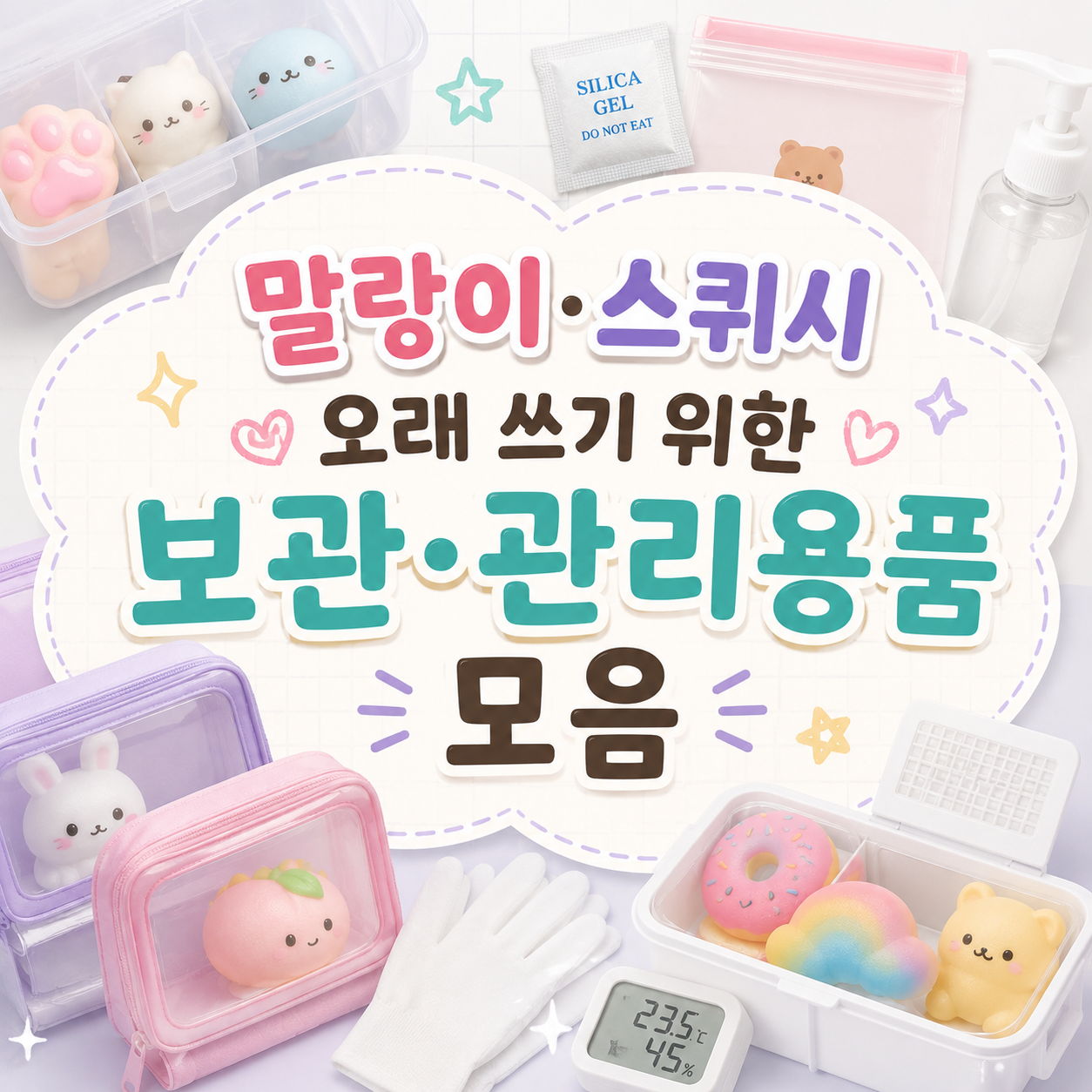
Dust, stickiness, and squishies fusing together can be cut sharply with a clear case, individual zip bags, and mild wipes.
To keep squishies clean longer, store them apart so they do not touch, cover them from dust, and use only gentle tools when cleaning. They get handled constantly, so dust clings to the surface fast, and depending on the material they can turn sticky over time. Once you own a handful, they tend to fuse together, pick up dents, and sometimes tear.
This list gathers ten storage and care items that cut down on those problems. If you only have a few pieces, start with zip bags and a pouch, and move on to a clear case and a shelf as the collection grows.
How we chose
- Does it stop squishies from sticking to one another?
- Is it safe for the paint and material?
- Is it easy for students and kids to find and use?
- Can it handle moisture and dust together?
Materials differ in whether they can be washed, so checking the manufacturer's care guidance comes before any product here.
Clear Storage Case

Mini Zip Pouch

Individual Zip Bags

Dust Removal Roller

Soft Baby Wipes

Silica Gel Packs

Name Label Stickers

Mini Display Shelf

Toy Storage Basket

Replace-or-Toss Checklist Notepad

How to choose
If you are just starting out, begin with the Clear Storage Case at rank 1 or the Individual Zip Bags at rank 3. They cost little and tackle the two most common problems, stickiness and dust, right away. Add the Mini Zip Pouch at rank 2 if you carry squishies in a bag, and the Dust Removal Roller at rank 4 if many of yours are fuzzy.
If humidity worries you, add the Silica Gel Packs at rank 6 and keep them away from kids, and if you have big pieces, the basket at rank 9 is handy. For the wipes at rank 5, pick a mild alcohol-free type and test a hidden spot, and log condition on the notepad at rank 10 so you never miss when to replace a piece.
The information here reflects the time of research and may vary by product and material, so check official guidance from the maker or seller before buying.
Frequently asked questions
How do I stop squishies from sticking to each other?
A compartmentalized clear storage box or individual zip bags work well. Keeping different materials from touching directly cuts down a lot on stickiness transferring between pieces.
Can I use alcohol wipes to clean the surface?
We do not recommend it, since strong alcohol can damage paint or surface material. A mild wipe, tested first on an inconspicuous spot, is the safer choice.
Is it okay to keep using one that is torn or smells off?
It is better to stop using it once the surface tears, the filling leaks, or the smell gets strong. For kids' items especially, check condition regularly and make hand washing after play a habit.
Can I use a dust roller on every squishy?
It suits fuzzy, cloth-like squishies and plush-style pieces. On smooth silicone or lightly painted pieces a strong roller can damage the surface, so try a gentle one on a hidden spot first.
Is it fine to put silica gel packs in with the squishies?
Use them to reduce moisture in the box, but keep them in a separate compartment or pouch so they never touch the toys. Young children may put them in their mouths, so store them out of reach and read the packet warnings.
Can I stick labels directly on a squishy?
We do not recommend it, because peeling can leave residue or lift paint. Putting labels on the case or bag lets you tell yours apart without harming the toy.
Get new lists before anyone else
Once a week — only the new lists worth your time.
No spam · unsubscribe in one click
You may also like

Squishy and Mallangi Gift Sets Kids Love to Share With Friends
For a squishy gift, check individual wrapping and the age label first, then pick a set that matches your friend's taste.
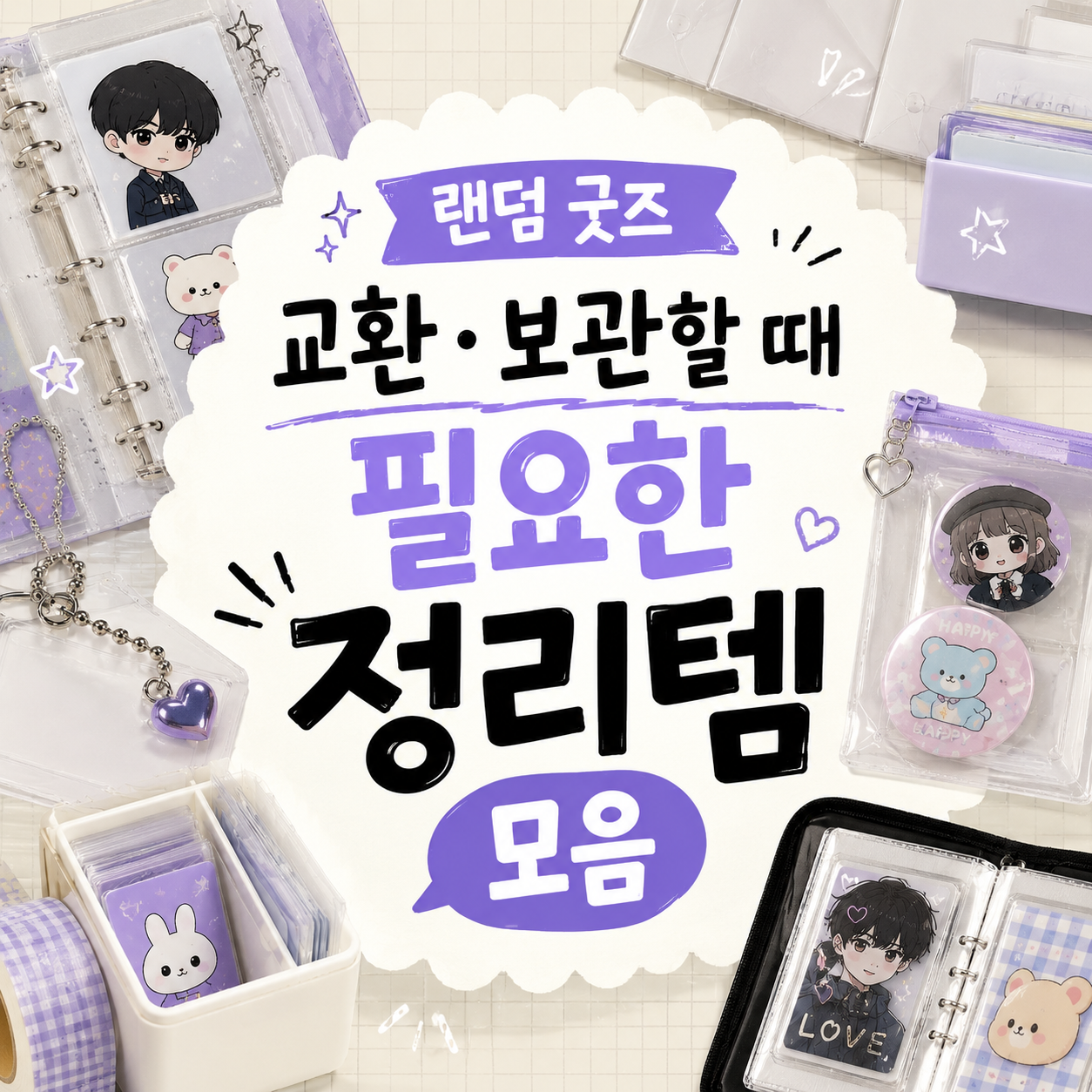
Storage Tools for Trading and Organizing Random Goods
Once random goods like photocards, keyrings and figures pile up, sleeves, binders and cases give each type its own space, with trade items kept apart.

Squishy Toys for Kids: Check Safety Before Cuteness
Before you pick a squishy toy for its cute shape, check the KC safety certification and age label — this list ranks ten tactile toys, from animal-face squishies to bag charms, on exactly that standard.

Bolkku Pen Decorating: What to Buy First as a Beginner
For a first bolkku project, buy the pen barrel and basic beads before any charms — that order avoids most beginner mistakes.