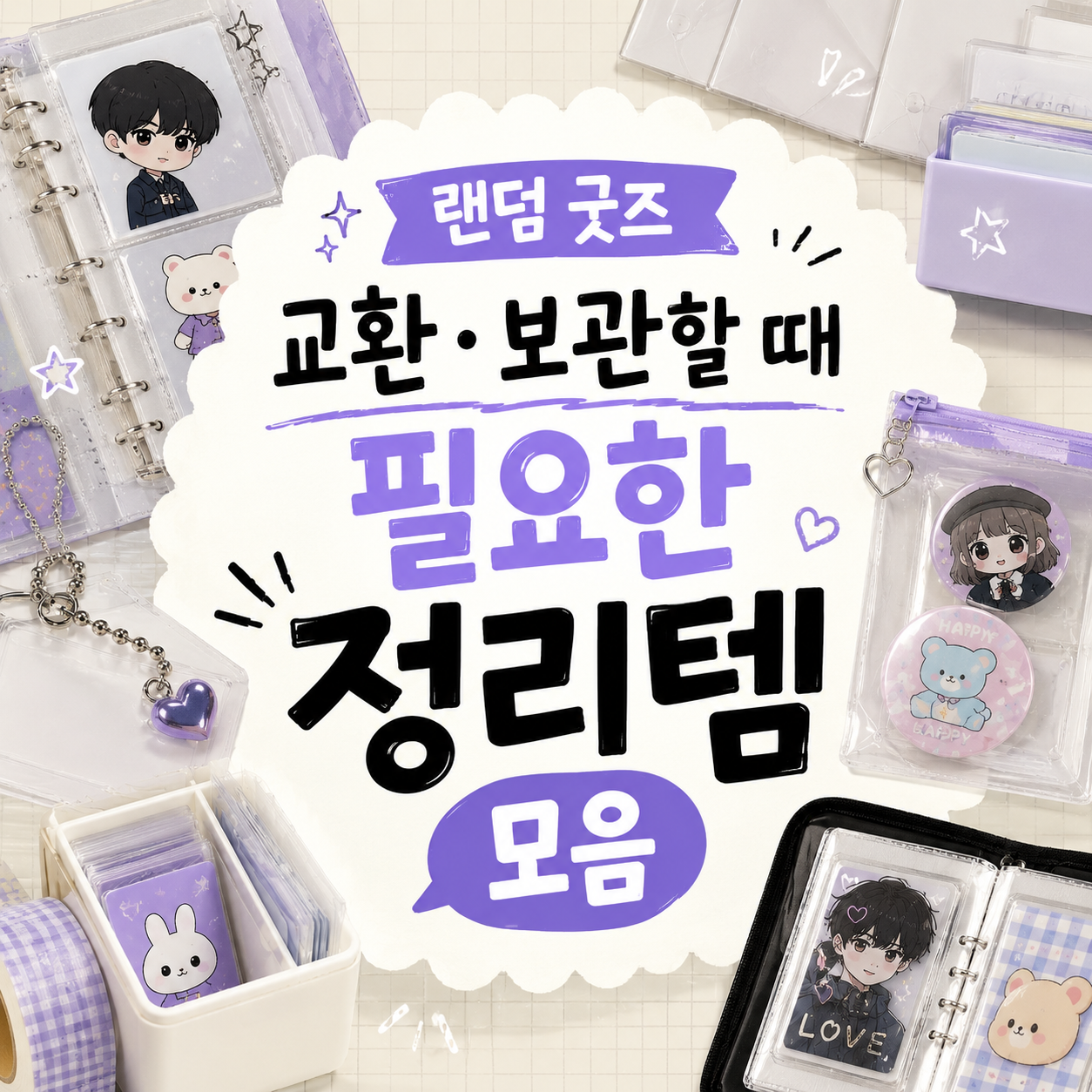
Once random goods like photocards, keyrings and figures pile up, sleeves, binders and cases give each type its own space, with trade items kept apart.
Organizing random goods starts with giving each type its own space and keeping trade items separate from keepers. The fun does not end at the pull; duplicates get swapped with friends and favorite characters get collected, and without tools the pile soon mixes up and gets damaged.
The confusing part is what goes where. Cards fit sleeves and binders, keyrings fit hanging boards, figures fit dust-proof cases, and trade items are safest kept apart in pouches with notes. This list runs storage tools at Nos. 1-4, trading tools at Nos. 5-7, and recording and protection tools at Nos. 8-10.
How we picked
- Protects goods from scratches and crushing
- Lets you tell trade items apart without mix-ups
- Simple enough for a child to use
If a child is collecting, it helps for a parent to set storage and trading rules together in advance, which reduces loss and quarrels.
Photocard Sleeves

Card and Sticker Binder

Keyring Display Board

Figure Display Case

Duplicate Goods Trading Pouch

Small Zip Bags

Name Label Stickers

Collection Checklist Notebook

Small Lockbox

Trade Agreement Memo Cards

How to choose
If you mostly collect cards, the sleeve plus binder pair at Nos. 1 and 2 is the foundation. With many keyrings, get the No. 3 board first; if figures are multiplying, the No. 4 case. If you trade often, using No. 5 pouch, No. 7 labels and No. 10 memo cards together cuts confusion.
With a child, let them track what they own and lack in the No. 8 notebook to avoid needless duplicate purchases, and explain that the No. 9 lockbox is for sorting, not security.
This is general guidance, and specs and prices may change, so confirm through official channels before buying.
Frequently asked questions
What's a good way to store photocards or sticker sheets?
Put each card in its own sleeve to prevent scratches and moisture, and gather many in a binder. Choosing sleeves that match the card size reduces folded corners.
What should I watch for when trading with friends?
Keep trade items and keepers separate in a pouch. Jotting what you agreed to swap on a memo card reduces quarrels from differing memories later.
What if a child is spending too much on random goods?
Review owned and missing goods together in a checklist notebook and set an allowance limit. A rule that duplicates are solved by trading makes spending easier to control.
How should I organize keyrings?
A hanging board or rack on a wall or desk makes the collection visible and easy to manage. For wall types, check that it holds the weight before installing.
Does a small lockbox protect against theft?
It is closer to a way to separate treasured items from other goods than real security. Choose one with a simple lock that a child can use safely alone.
Get new lists before anyone else
Once a week — only the new lists worth your time.
No spam · unsubscribe in one click
You may also like
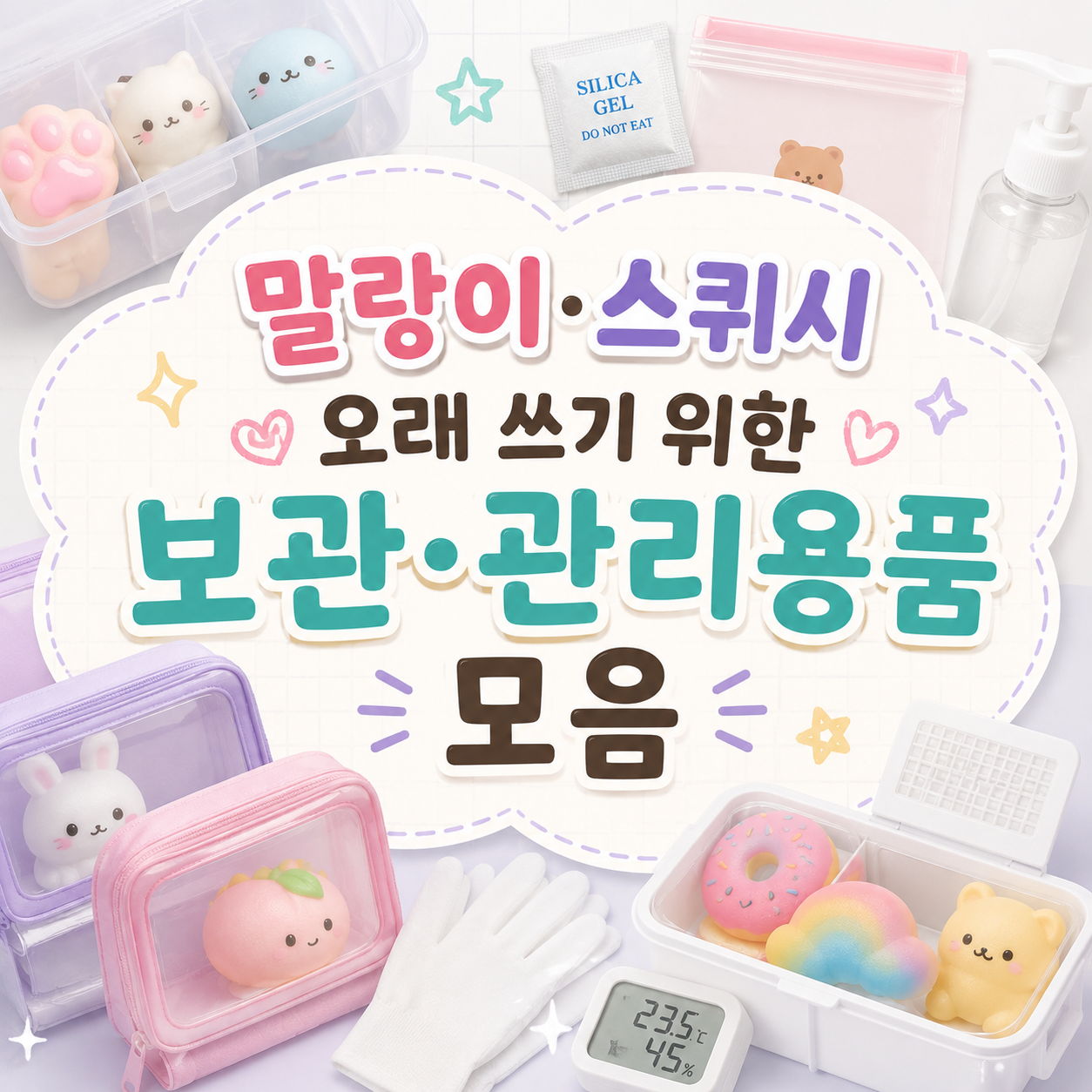
Storage and Care Items to Keep Your Squishies Clean Longer
Dust, stickiness, and squishies fusing together can be cut sharply with a clear case, individual zip bags, and mild wipes.
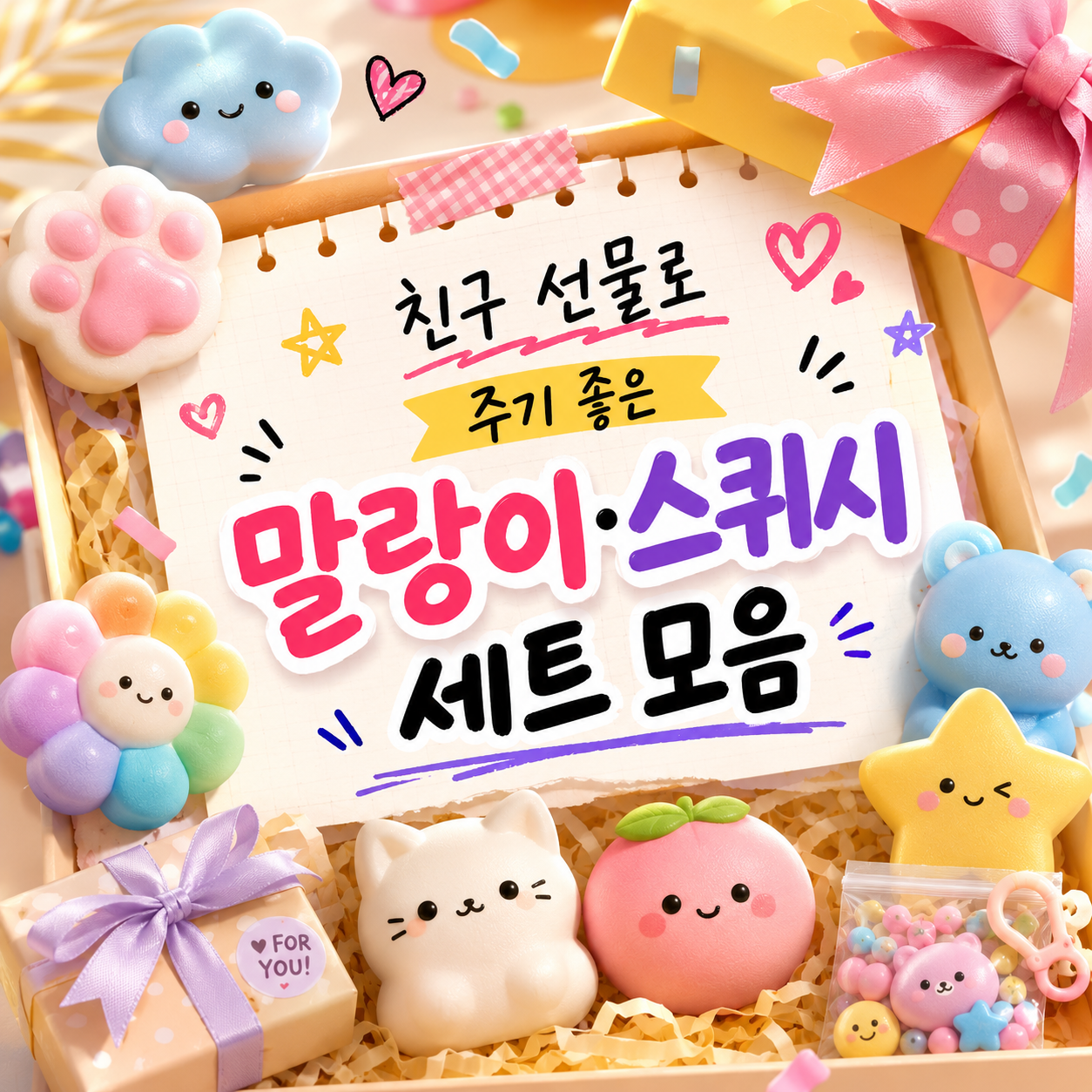
Squishy and Mallangi Gift Sets Kids Love to Share With Friends
For a squishy gift, check individual wrapping and the age label first, then pick a set that matches your friend's taste.

Squishy Toys for Kids: Check Safety Before Cuteness
Before you pick a squishy toy for its cute shape, check the KC safety certification and age label — this list ranks ten tactile toys, from animal-face squishies to bag charms, on exactly that standard.

Bolkku Pen Decorating: What to Buy First as a Beginner
For a first bolkku project, buy the pen barrel and basic beads before any charms — that order avoids most beginner mistakes.