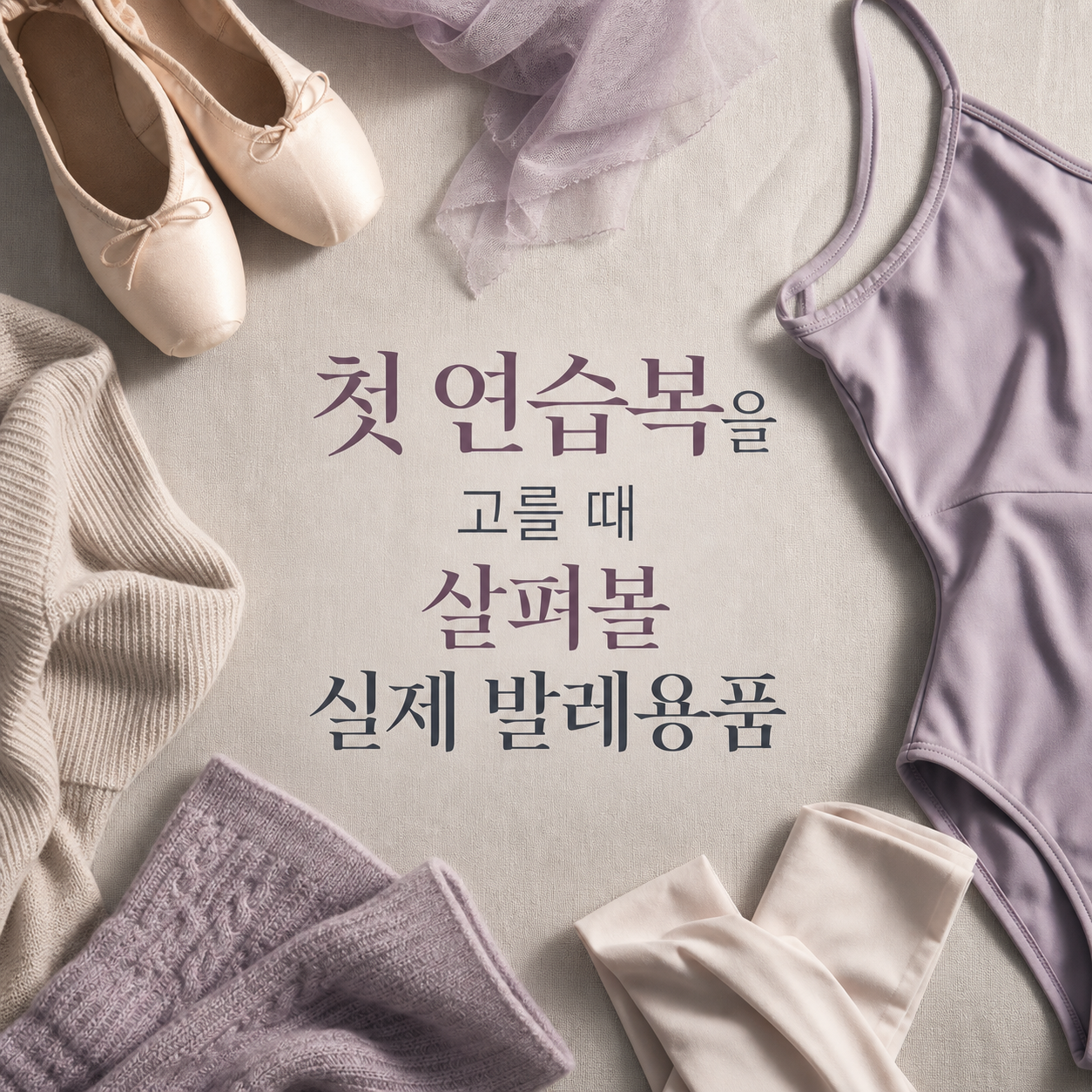
Start with shoes, a leotard, and tights chosen around your teacher's rules and your foot shape, and leave warmers and cardigans for later.
You do not need to buy all your ballet gear before the first class; shoes, a leotard, and tights are enough to start. Once you search, though, shoes split into soft, full-sole, and split-sole types, leotards differ by sleeve, and tights come in several foot styles, so it is hard to tell what is essential. Studios also set their own color and dress rules, so gear bought early often cannot be used.
This list puts what you need from day one first and what can wait until you get a feel for the studio last. The order follows two questions: is it necessary to take part in class, and is it hard to fix if you buy wrong? Shoes vary most with foot shape, so they come first, while warmers and the cardigan come last.
How we chose
- Is it required to take part in class?
- Does it change with studio rules?
- Is it hard to return once tried on?
- Is it a spot where beginners often slip up?
If you are brand new, start with the shoes at ranks 1 to 3 and the leotards at ranks 4 and 5, then fill in the rest after checking the rules with your teacher.
Stretch Canvas Soft Shoes
Leather Full-Sole Ballet Shoes
Stretch Canvas Split-Sole Shoes
Cap-Sleeve Leotard
Tank/Sleeveless Leotard
Convertible Ballet Tights
Footless Tights
Chiffon Wrap Skirt
Bootie-Style Foot Warmers
Wrap Cardigan
How to choose
If you are just starting, prepare for the first class with the soft shoes at rank 1, the cap-sleeve leotard at rank 4, and the tights at rank 6. If stability worries you, look at the full-sole shoes at rank 2; if a recital is the goal, add the split-sole shoes at rank 3. Whatever you buy, asking your teacher about color, sleeve length, and foot style first is the surest order.
When comparing, look at the size chart, the return terms, and whether your studio allows it. Ranks 8 to 10 can wait until you are settled into class. Information reflects the research date (October 2026) and may change, so check official channels before you buy.
Frequently asked questions
Should I order ballet shoes in my regular shoe size?
Ballet shoes have a rounder toe box and hug the instep more tightly, so the size can differ from your sneakers. Check each brand's size chart and, if possible, get your teacher's advice before ordering. For online orders, look at the exchange terms too.
Does leotard color vary by studio?
Most studios set their own color and sleeve-length rules. Ask at your first class which color is required and whether sleeveless or cap sleeves are expected. Ignoring the rule can limit your participation in some classes.
Do I need to buy tights separately?
Tights are standard dress in most classes and often mandatory for performances and exams. They come footed or footless, so check which one your studio requires before buying.
Are soft shoes or full-sole shoes better for beginners?
This list ranks soft shoes first, but full soles are a fine choice if you want more stability. Which type is allowed varies by studio, so asking your teacher first is the surest route.
Do I need foot warmers and a wrap cardigan from the start?
No. Both are supporting items for warming up or moving between rooms, so you can skip them in your first class. Add them once you see how cold the studio gets, and ask your teacher when they may be worn.
Get new lists before anyone else
Once a week — only the new lists worth your time.
No spam · unsubscribe in one click
You may also like
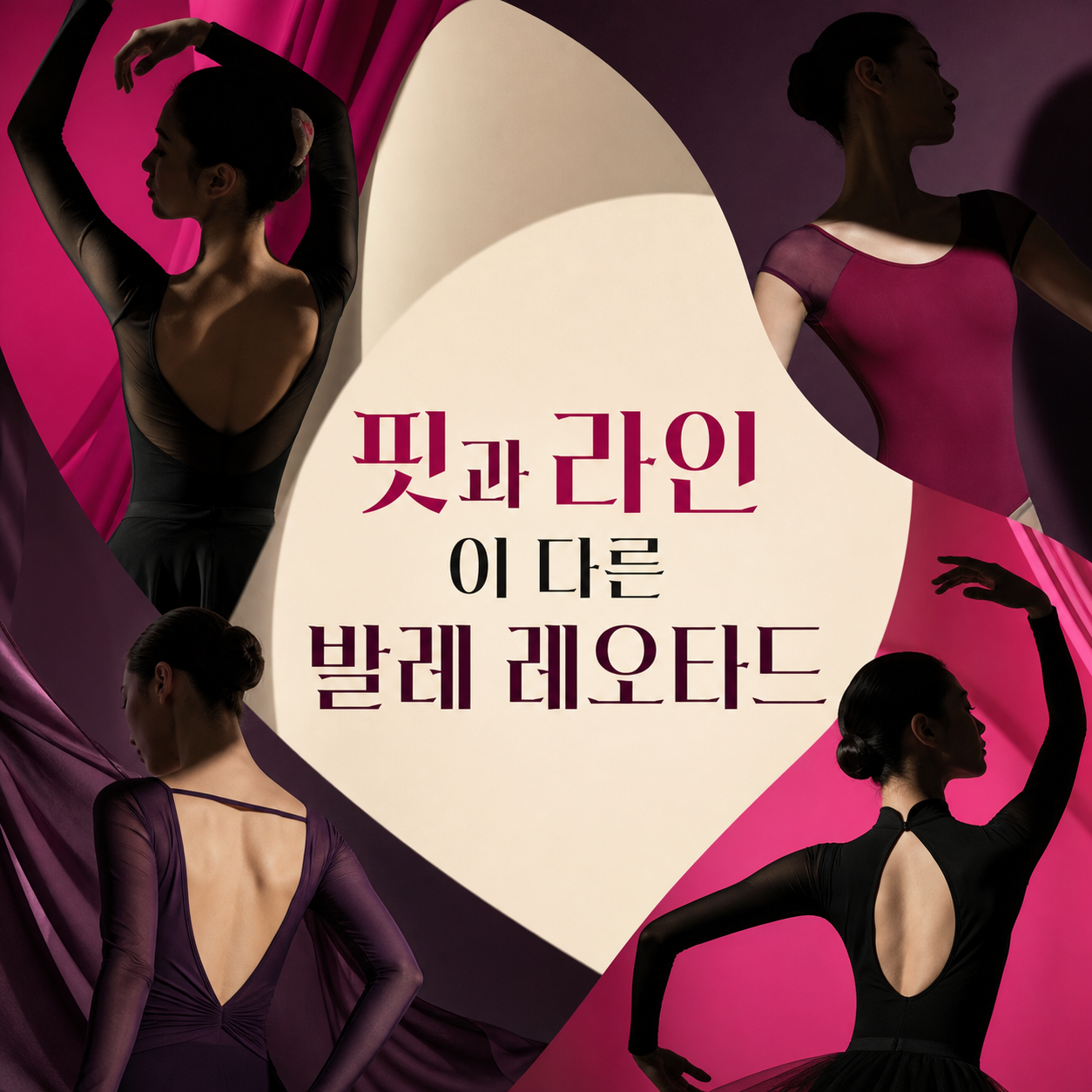
Torso Length Matters More Than the Size Tag: Ballet Leotards Sold in Korea
Sleeve shape and back cut decide fit more than the size label — ten leotards sold through official Korean retail pages, compared by build.
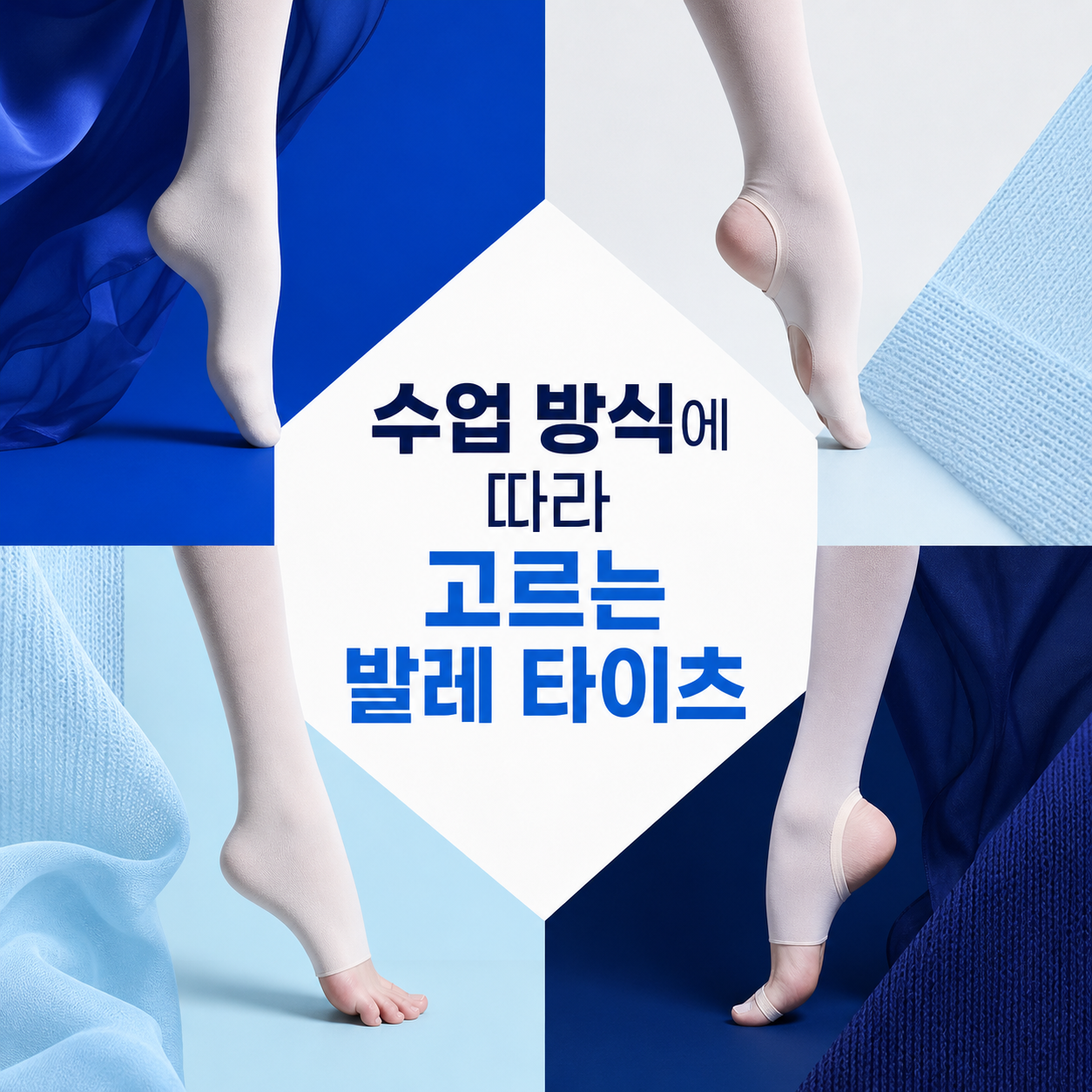
Choosing Ballet Tights Starts With Foot Shape
Footed, convertible, footless, or stirrup — pick the structure that matches your class before comparing brands.
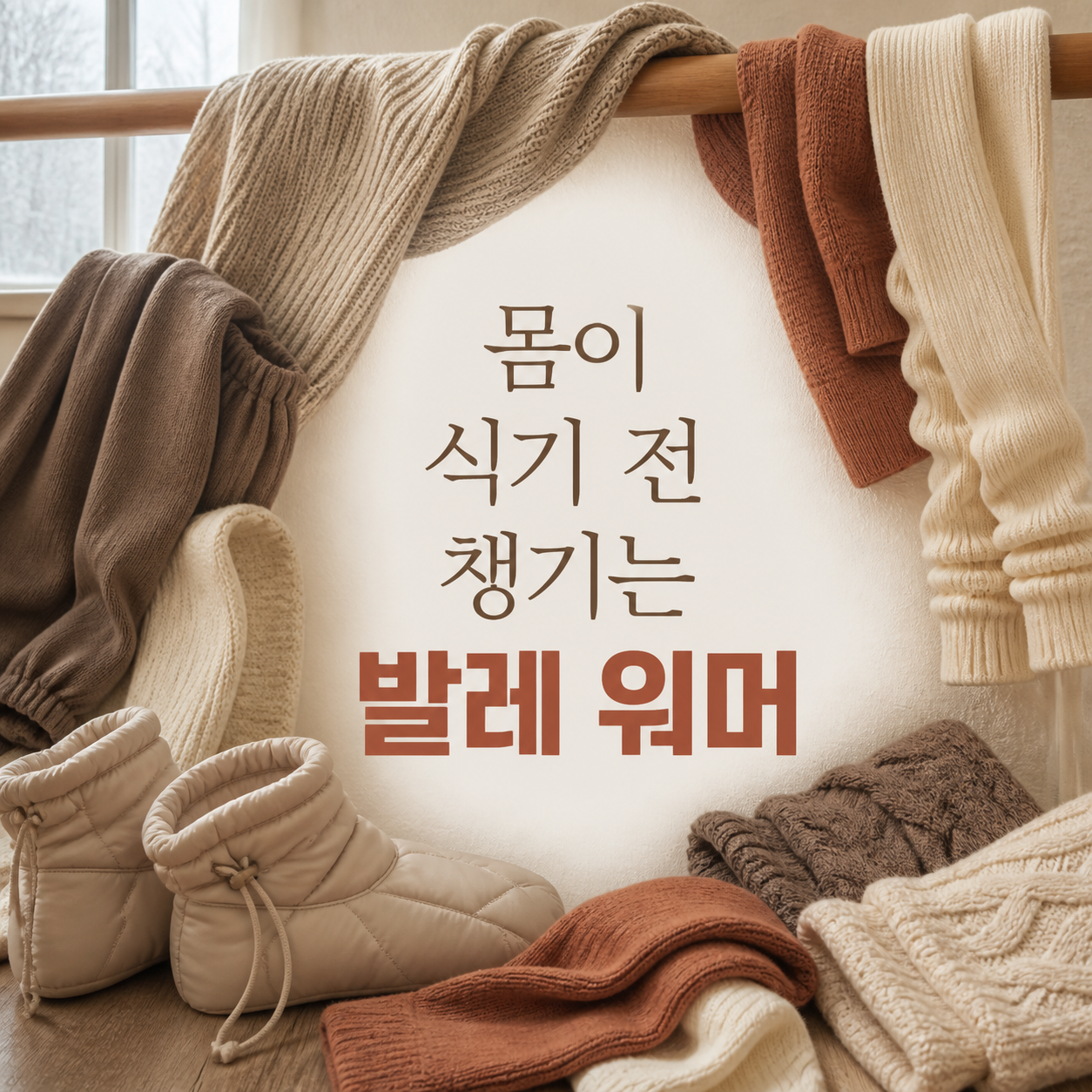
Ballet Warm-Ups: It's About When You Take Them Off
Choosing ballet warm-ups is less about warmth and more about timing - when to layer up, and when to shed them for a clear alignment check.
Ballet Bags Aren't About Size — Check for a Separate Shoe Pocket First
A ballet bag lives or dies on separate compartments, not capacity — and hairpins matter more for hold than for count.