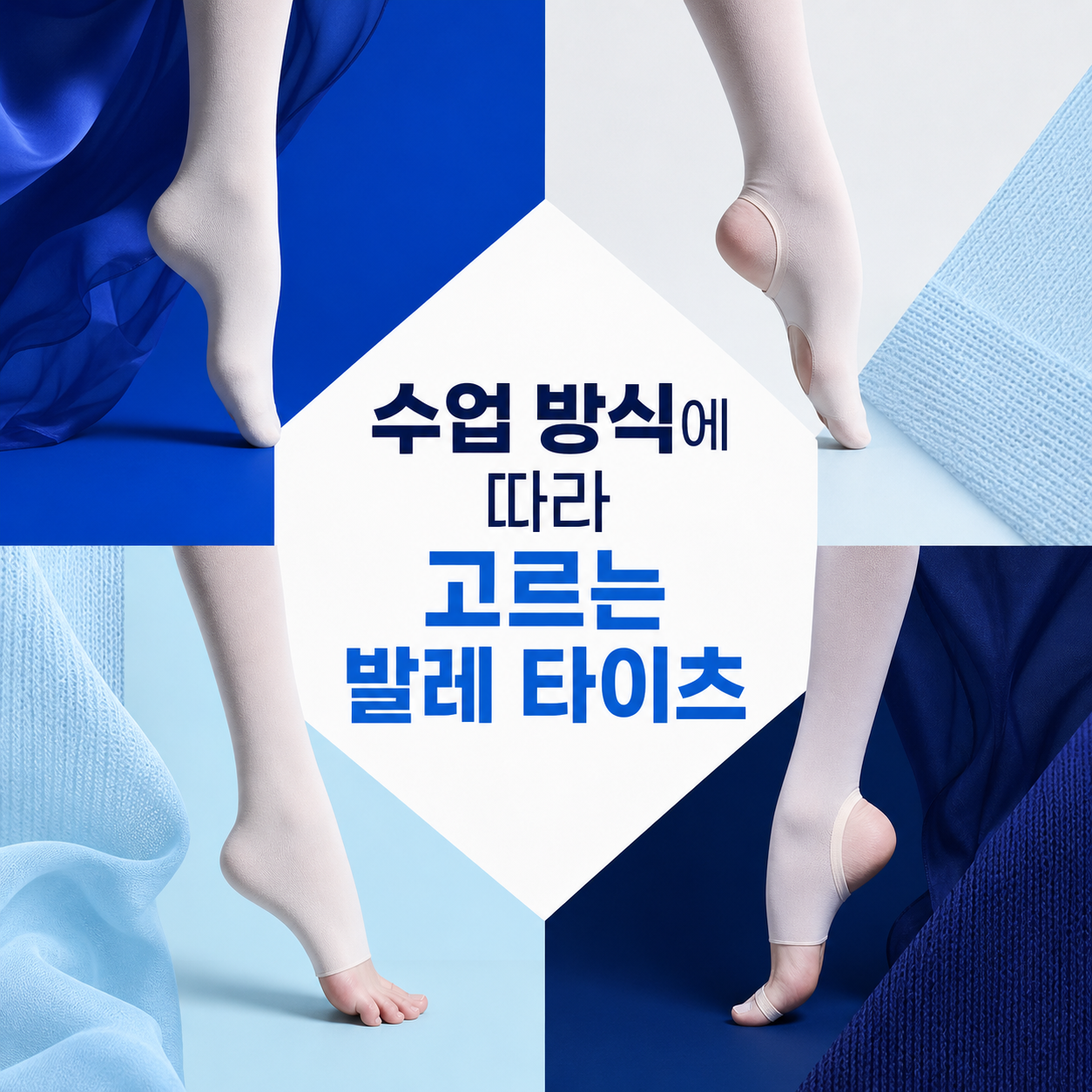
Footed, convertible, footless, or stirrup — pick the structure that matches your class before comparing brands.
Ballet tights look interchangeable until you notice the differences: footed tights that fully cover the toes, convertible tights with a sole opening, footless tights that end at the ankle, and stirrup styles anchored under the foot. Grab whichever pair is closest at the shop and you might end up unable to tend to your toes mid-class, or stuck with a constantly slippery feel on your feet. Which one works best depends on how you put on your shoes in class, whether you need to tend to your feet mid-session, and whether you're also taking other dance styles.
How we picked
- Whether the foot structure (footed, convertible, footless, stirrup) fits your class routine
- Whether you can compare the brand's own size chart against your measurements
- Whether fabric and stretch match your studio's required color and tone
- Whether the return and exchange policy is clear before you buy
This list sorts by that structure first, covering ten tights actually available in Korea. Don't take a label's 'small' or 'medium' at face value — check the brand's own size chart. Because tights touch skin directly, they're often treated as a hygiene item with limited returns once opened or tried on, so confirm the seller's exchange policy and your studio's required color before buying.
Sina Ballet Tights Medium
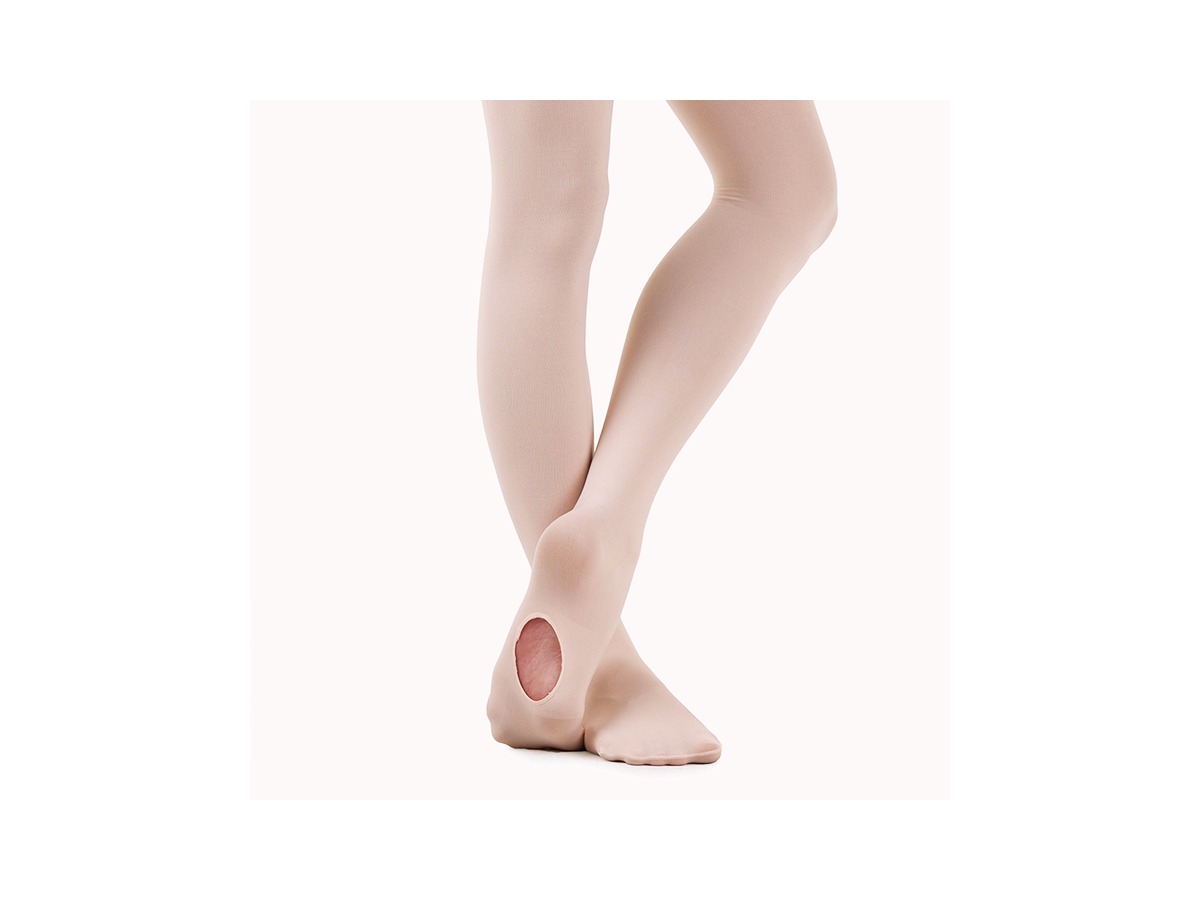
Sansha T90A Adult Ballet Tights
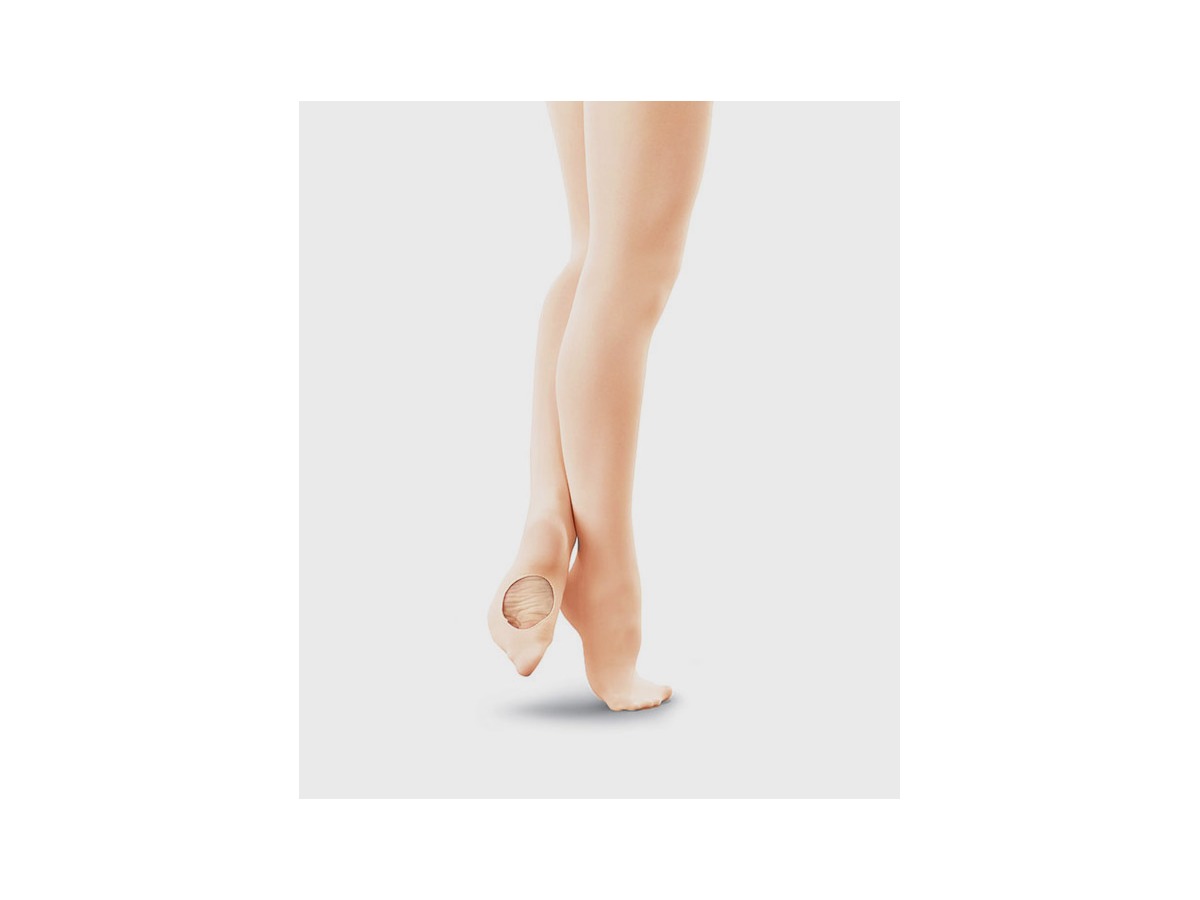
Sansha H0151C Cotton Tights
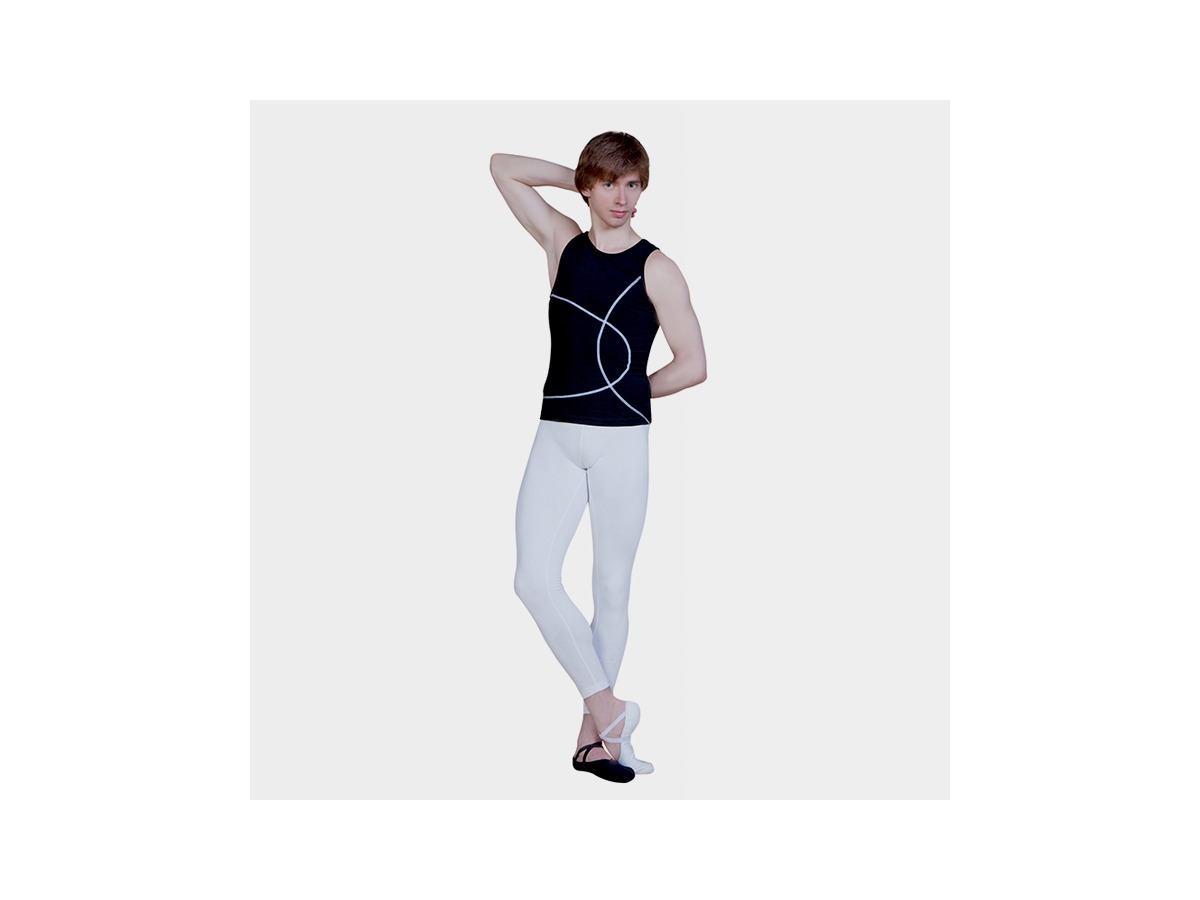
Sansha T91 Black Stirrup Tights
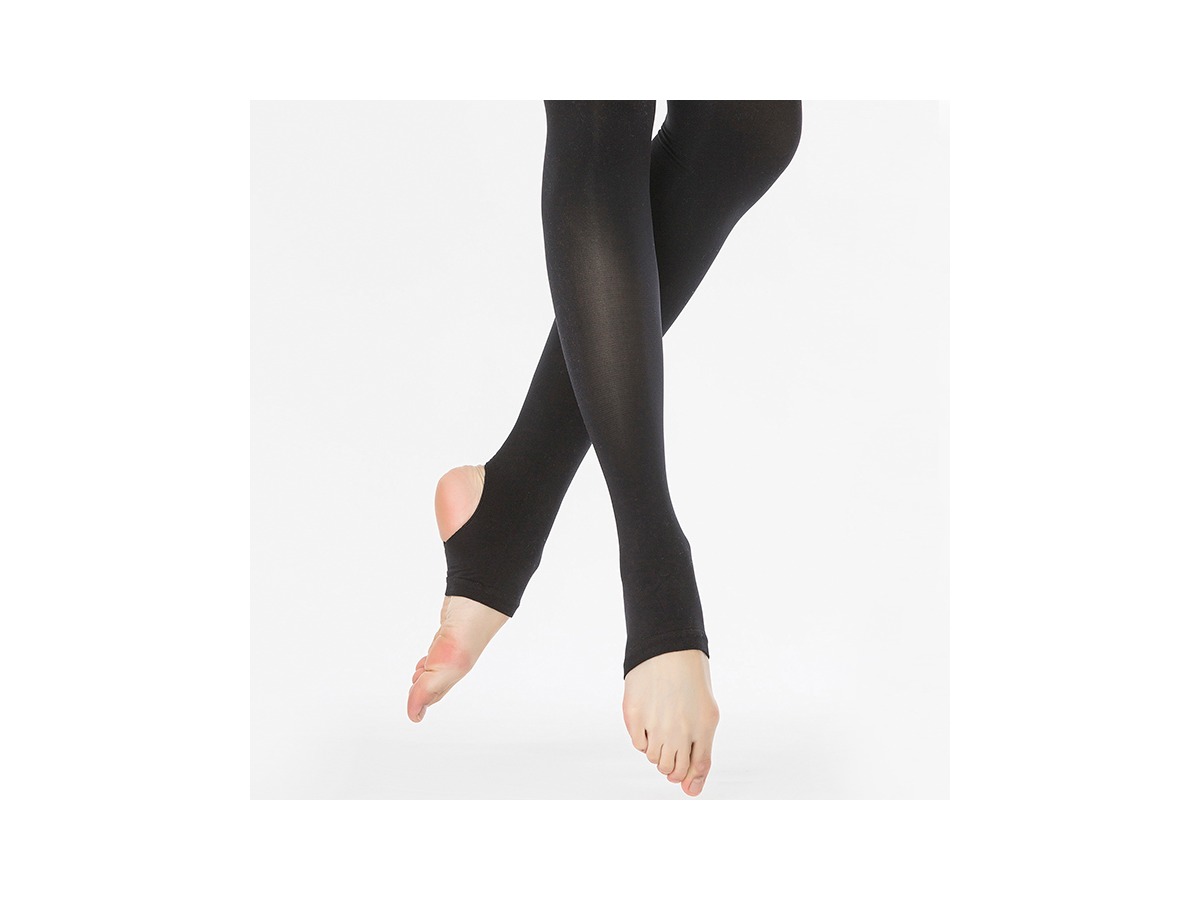
Capezio 1961 Stirrup Tights
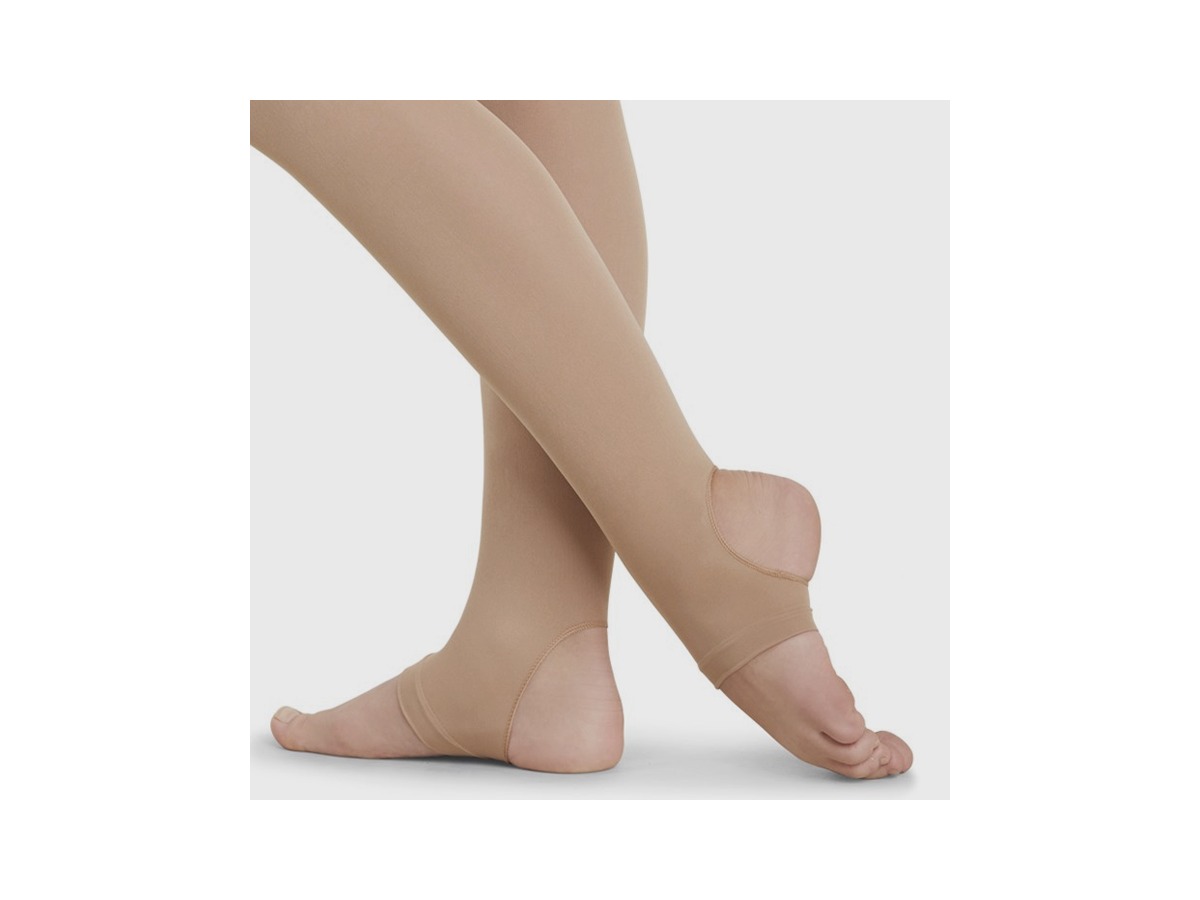
Sina Ballet Tights Small
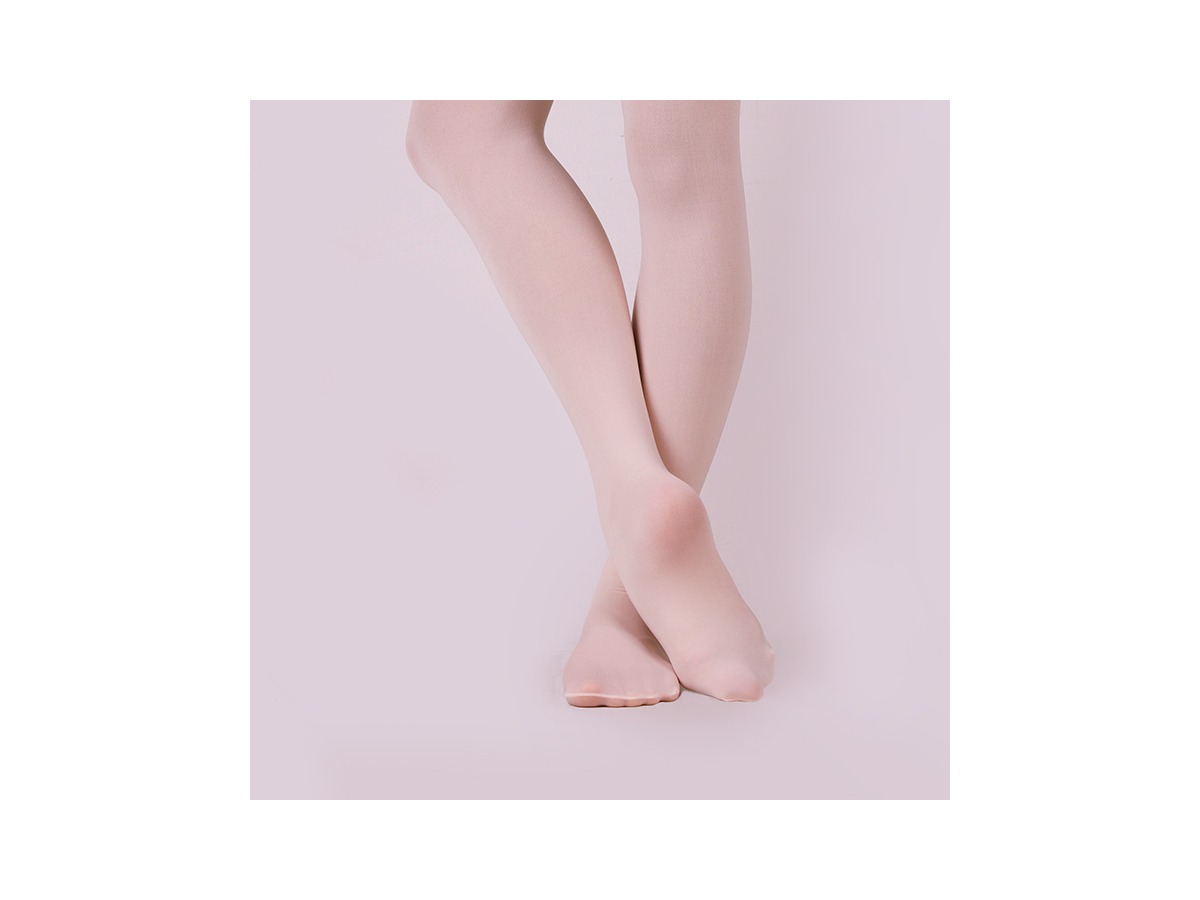
Grishko 0050/0 Convertible Tights
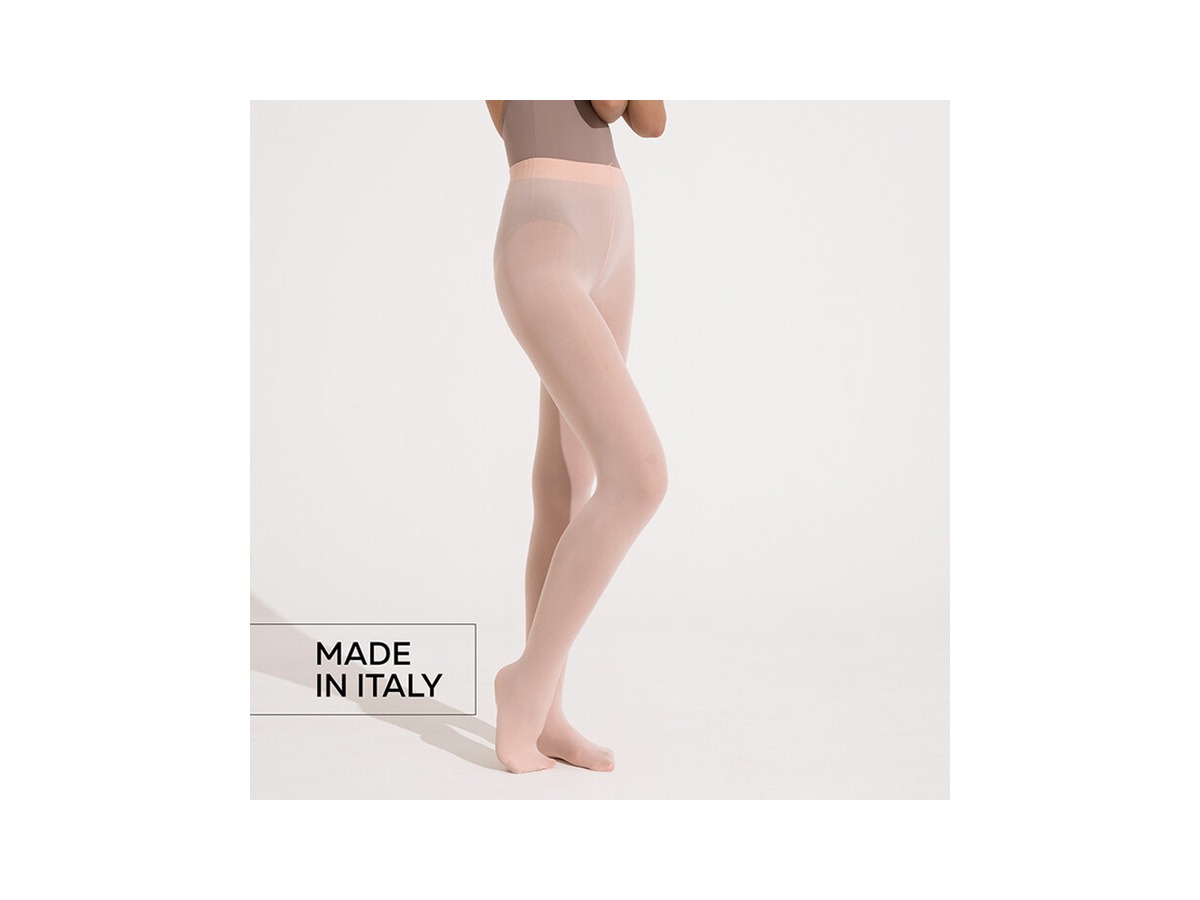
Bloch T0985 Footless Tights
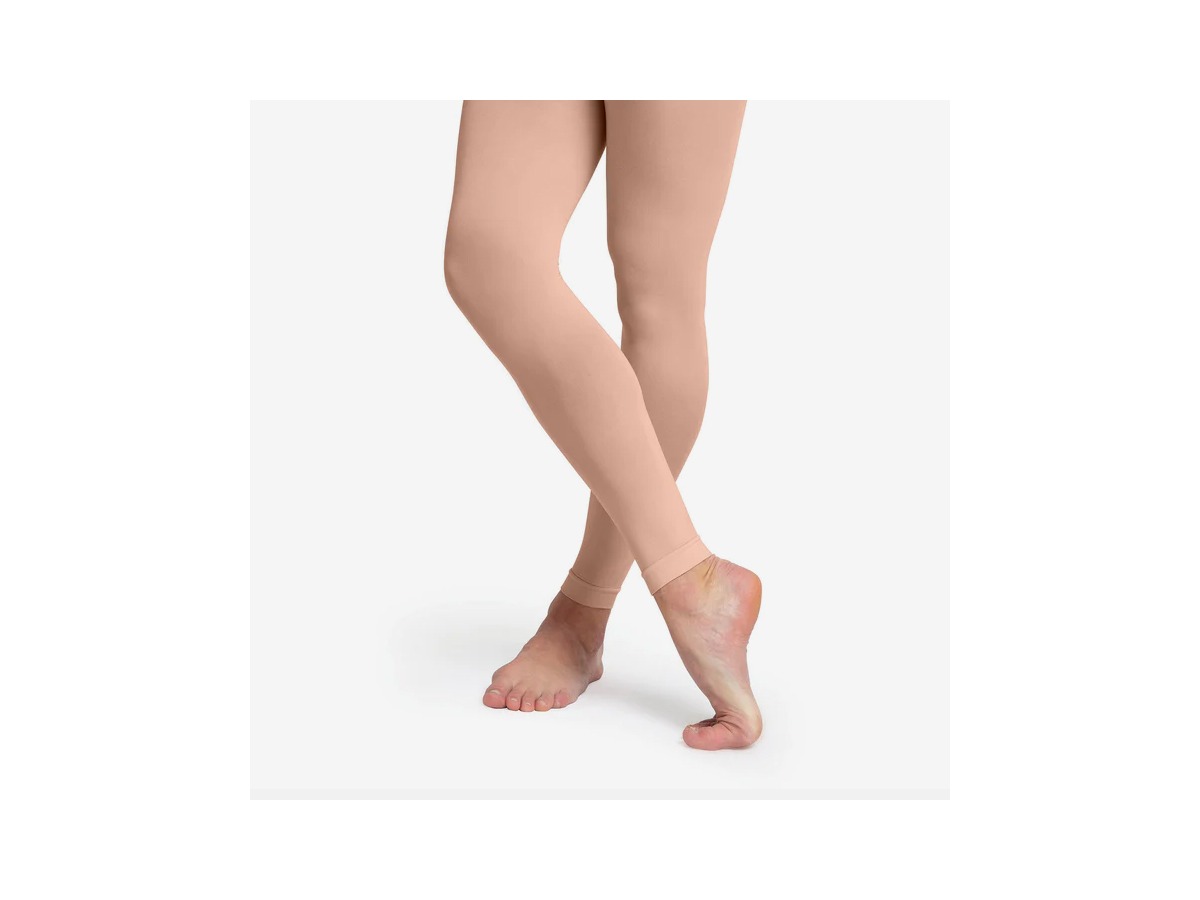
Bloch T0982 Convertible Tights
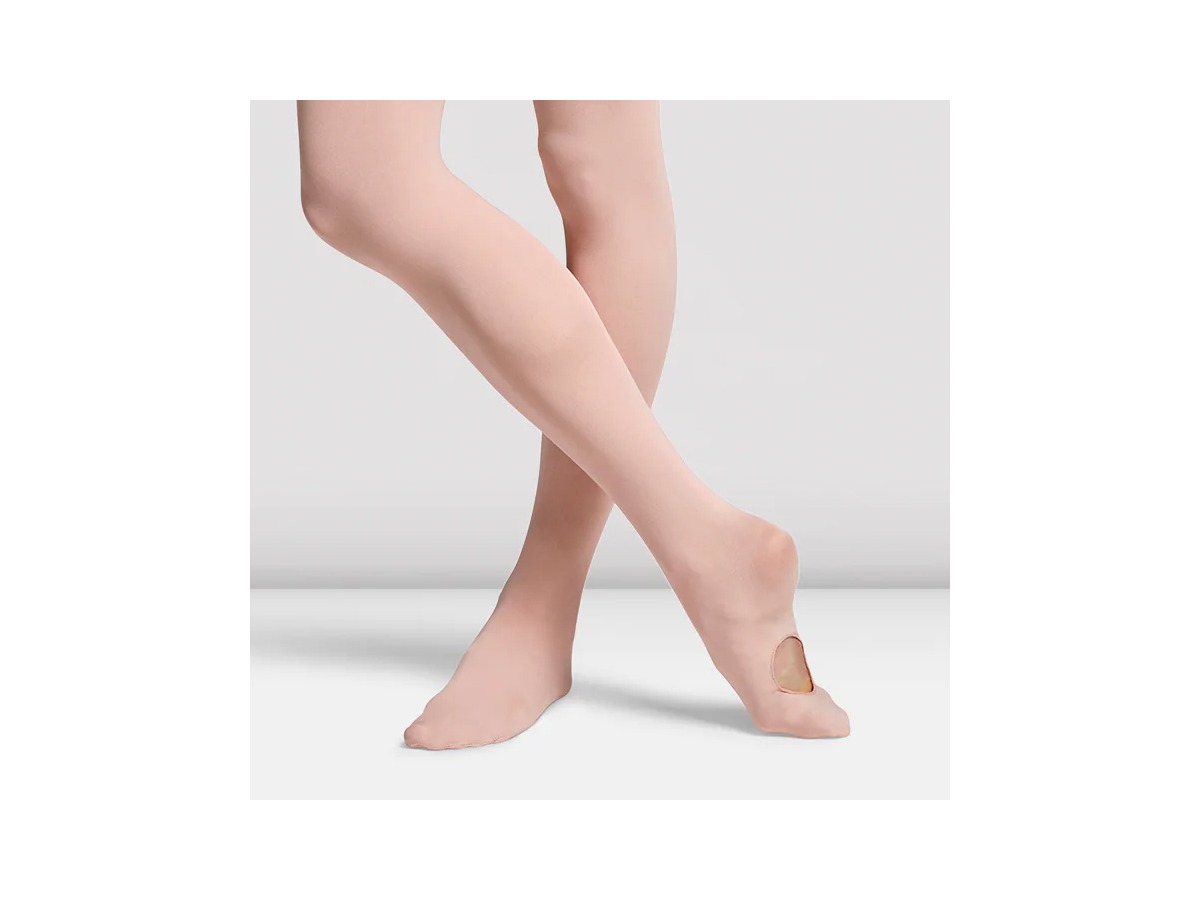
Capezio 10361M Ultra Soft Footed Tights
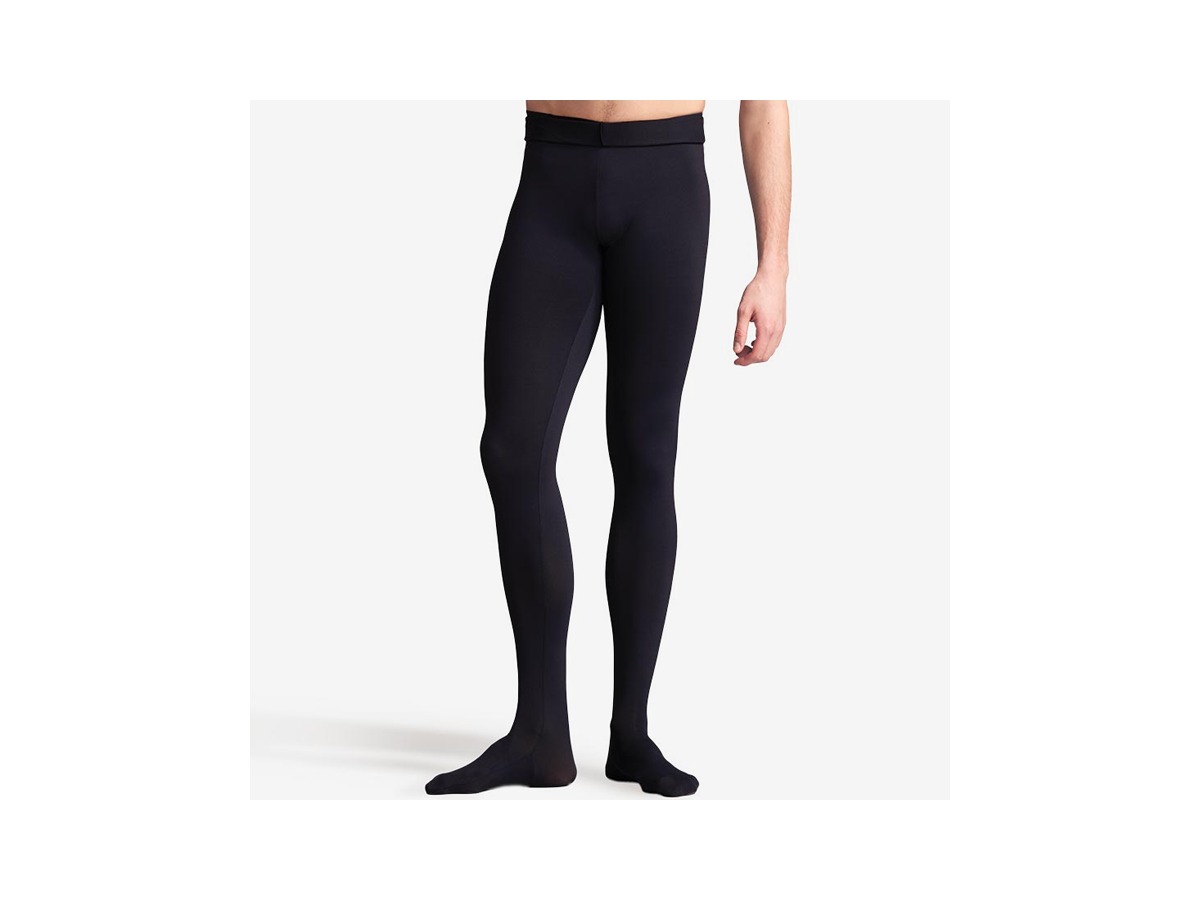
How to choose
If you never take your shoes off mid-class, start with a basic footed pair like #1 or #6. If you regularly tend to your toes before or after class, #7 or #9's convertible styles are more practical. For classes mixing in other genres or needing bare-foot sensation, look at #8's footless style, and for an exposed-ankle look, consider the #4 and #5 stirrup options.
When comparing, check the brand's own height and girth chart rather than the size label alone, and confirm the color matches your studio's dress code. Pricing and availability reflect the time of research and can change, so confirm current details with the official seller before buying.
Frequently asked questions
Footed or convertible — which should I buy?
If you keep your shoes on for the whole class, footed tights work fine. If you need to tend to your toes before or after class, or go barefoot often, convertible tights with a sole opening are more practical. Some studios specify a structure, so check the dress code first.
How do I pick the right size?
Labels like 'small' or 'medium' vary by brand, so height alone isn't enough to go on. Check waist, hip, and leg length together with the fabric's stretch, and size against the brand's own chart rather than the label name.
Can I return or exchange tights?
Because they touch skin directly, tights are often treated as a hygiene item with limited exchanges once opened or tried on. Check the seller's return policy before buying, and make sure the color matches whatever your studio requires.
Can I wear stirrup tights to any class?
Stirrup styles expose the foot and heel, so they're used more often for contemporary or other genres than for standard ballet class. If you train at a ballet studio, check whether stirrup tights are allowed before buying.
What's the real difference between cotton and nylon tights?
Nylon gives a smooth sheen and reliable stretch, while higher cotton content feels softer but can change its stretch after washing. Check the fabric label and follow the wash instructions to keep the fit and color from shifting over time.
Get new lists before anyone else
Once a week — only the new lists worth your time.
No spam · unsubscribe in one click
You may also like
Torso Length Matters More Than the Size Tag: Ballet Leotards Sold in Korea
Sleeve shape and back cut decide fit more than the size label — ten leotards sold through official Korean retail pages, compared by build.
Ballet Warm-Ups: It's About When You Take Them Off
Choosing ballet warm-ups is less about warmth and more about timing - when to layer up, and when to shed them for a clear alignment check.
Ballet Bags Aren't About Size — Check for a Separate Shoe Pocket First
A ballet bag lives or dies on separate compartments, not capacity — and hairpins matter more for hold than for count.