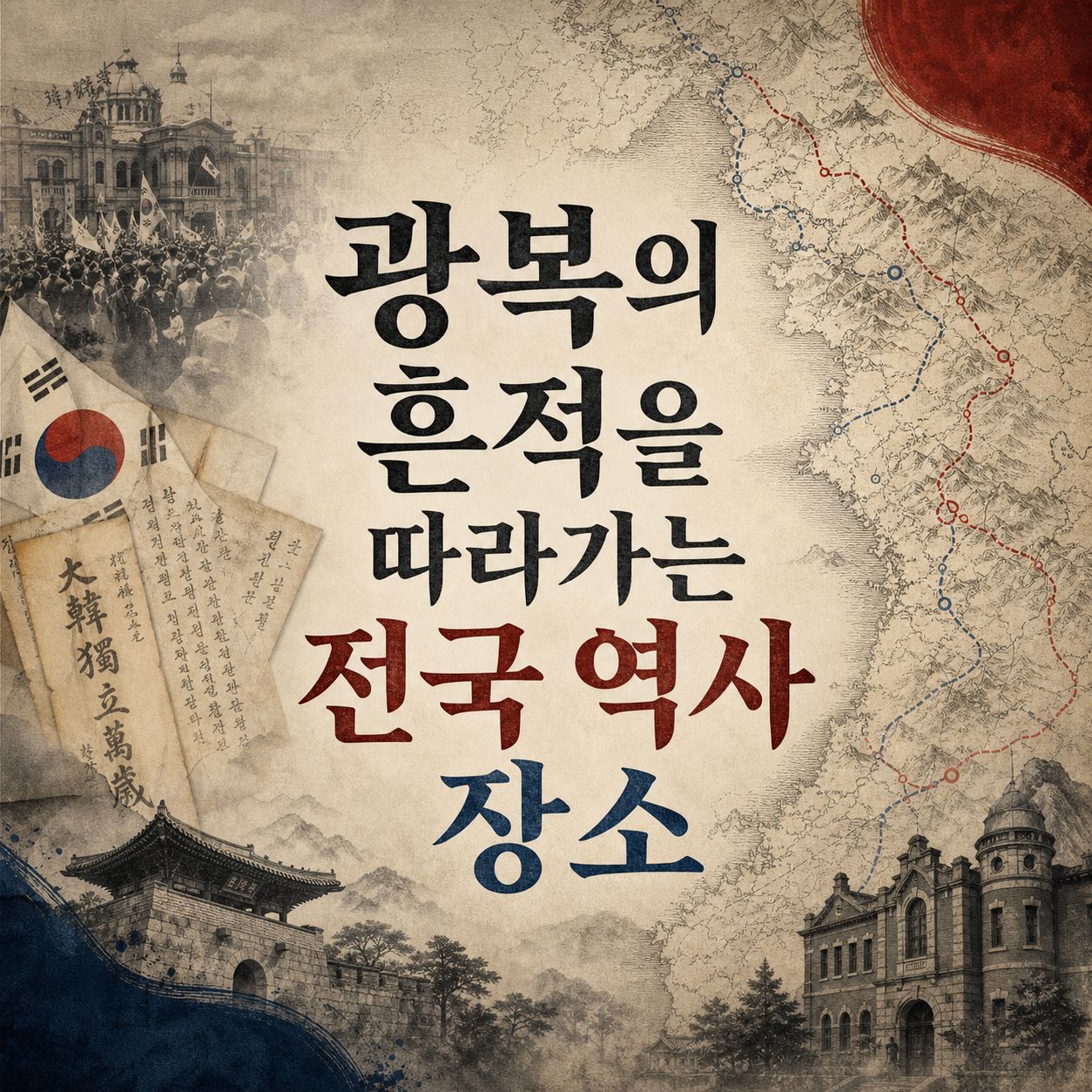
On Liberation Day, ten historic sites across Korea — tied to different people, institutions, and regions — reward walking through, not just a photo stop.
Remember Liberation Day only as a date in a textbook and its weight doesn't really land. Stand in the cramped cell where an independence fighter actually served time, trace on a map how the provisional government moved from Shanghai to Chongqing, or walk the street where local residents once shouted for independence, and the story turns from an abstraction into people and places.
How we picked
- Sites that don't overlap in focus — some center on individuals, others on institutions or events
- A mix that doesn't cluster around Seoul, covering how different regions remember the same period
- Places where you can adjust how much you take in depending on who you're visiting with, kids or older relatives included
We picked ten sites that each represent a different thread — a person, an institution, a region. You don't need to cover the whole country in one day. Go deep on one or two places that match who you're with, and compare how the same period is remembered differently from region to region — that sticks with you far longer than a stack of photos. First time out, start with the larger institutions at #1 through #3; with more time, branch out to the lesser-known regional sites at #9 and #10.
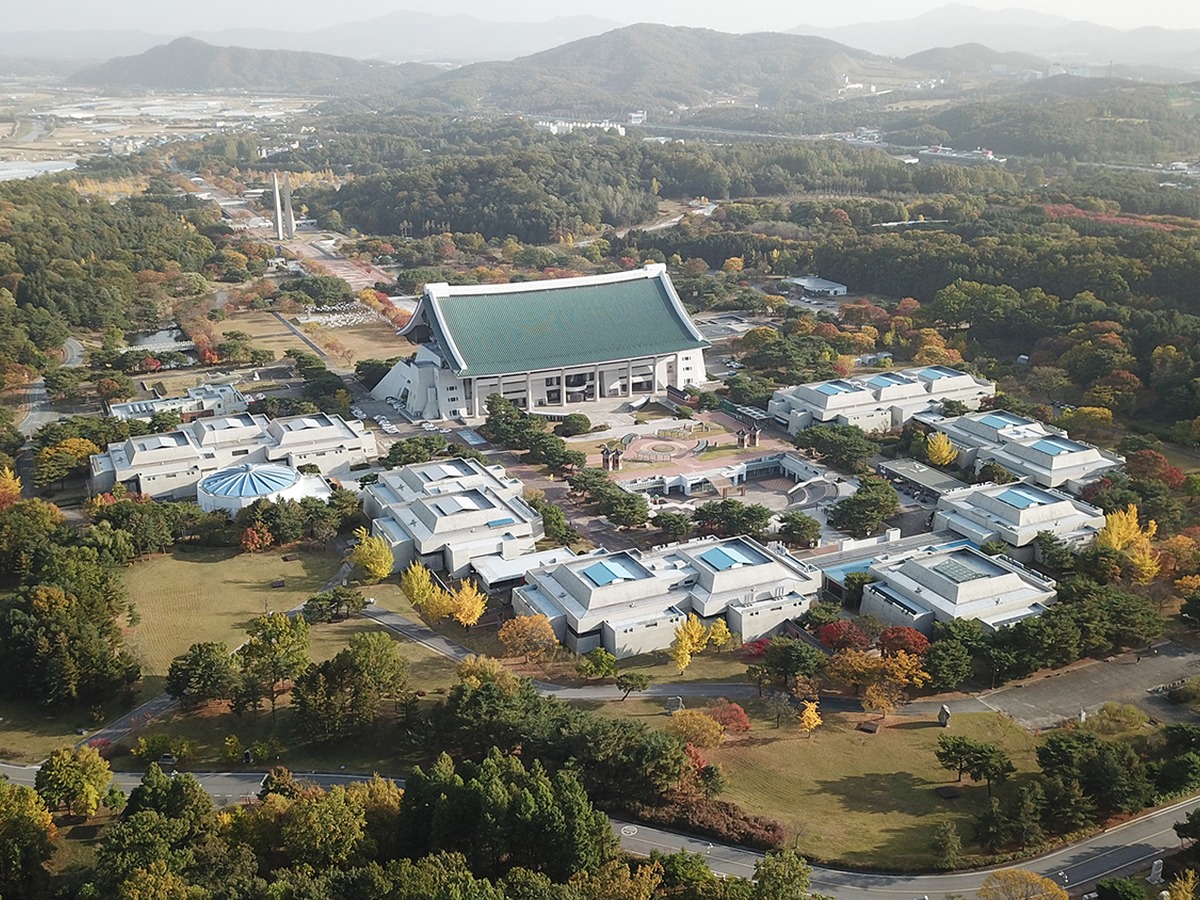
Independence Hall (Cheonan)
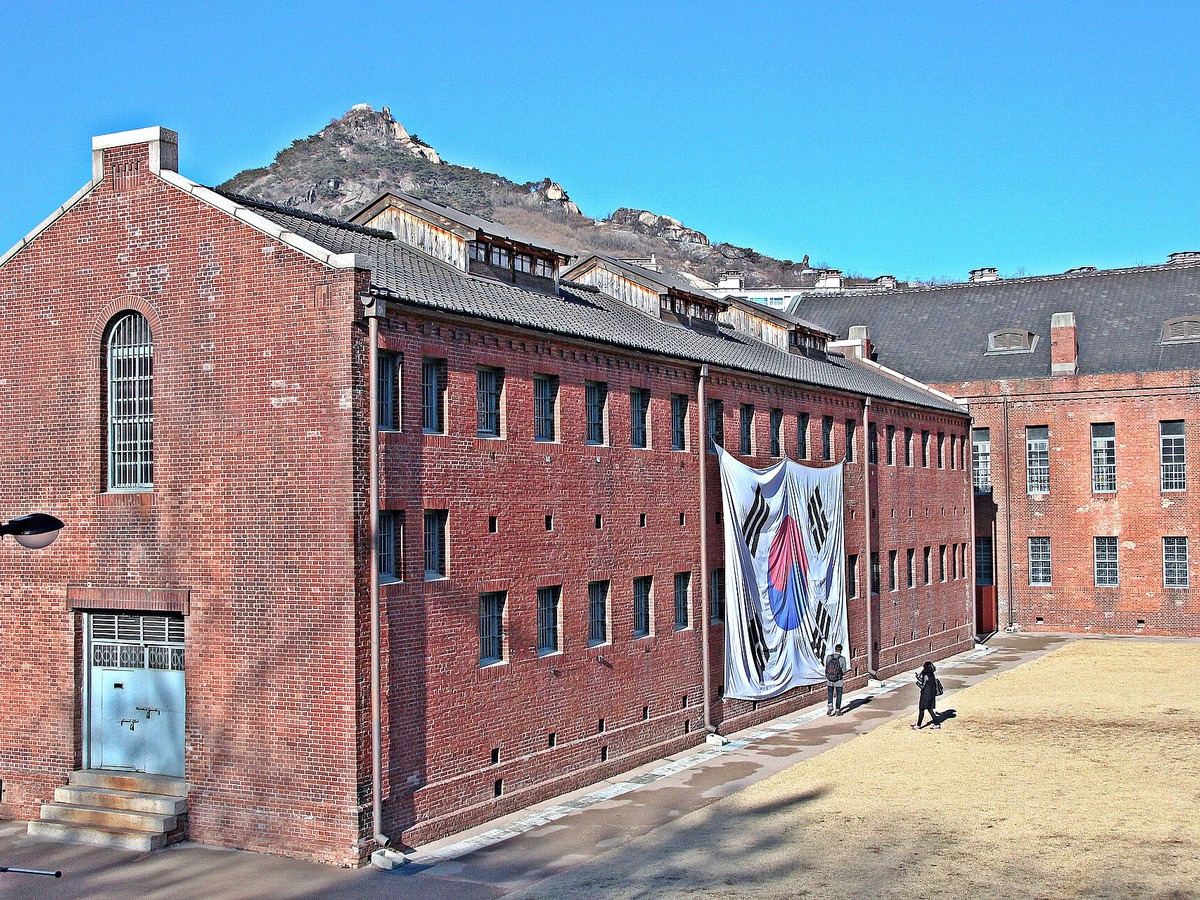
Seodaemun Prison History Hall (Seoul)
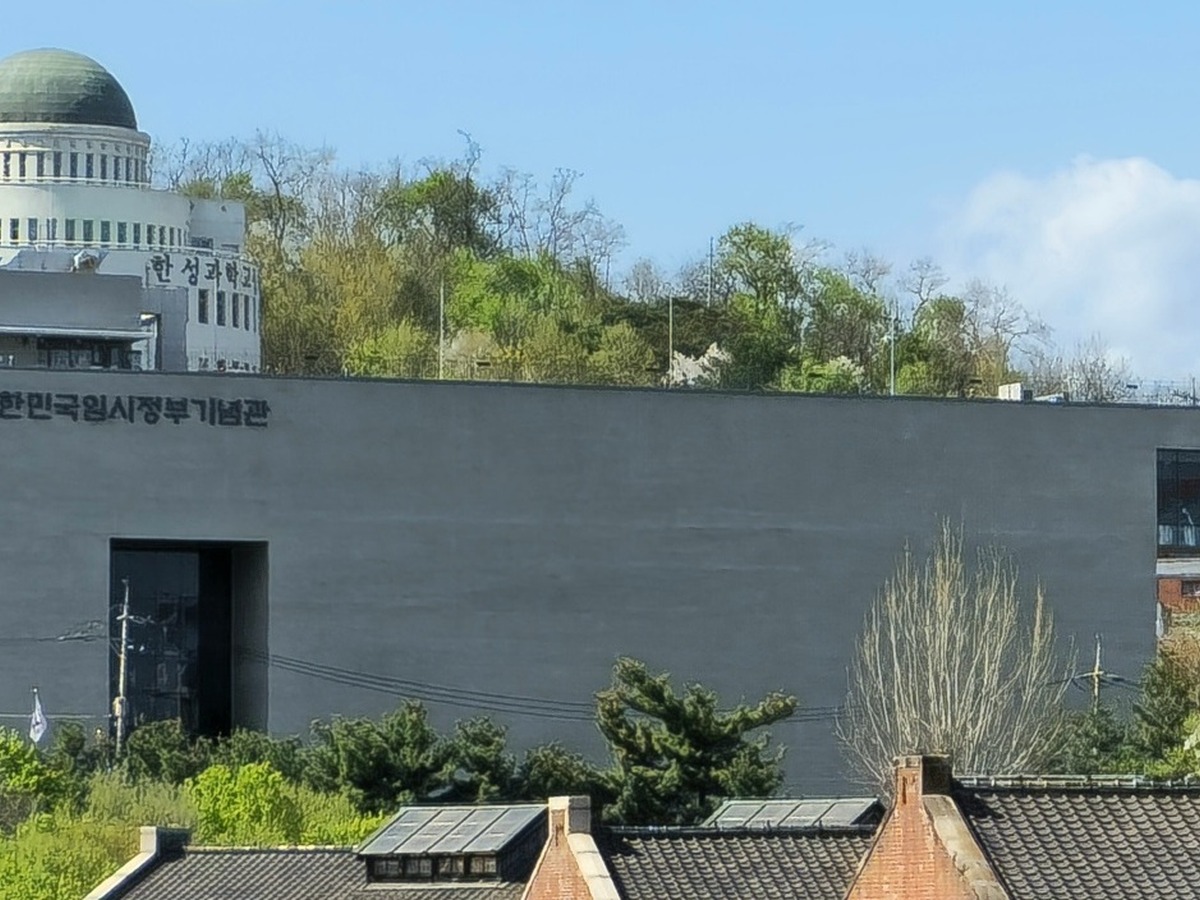
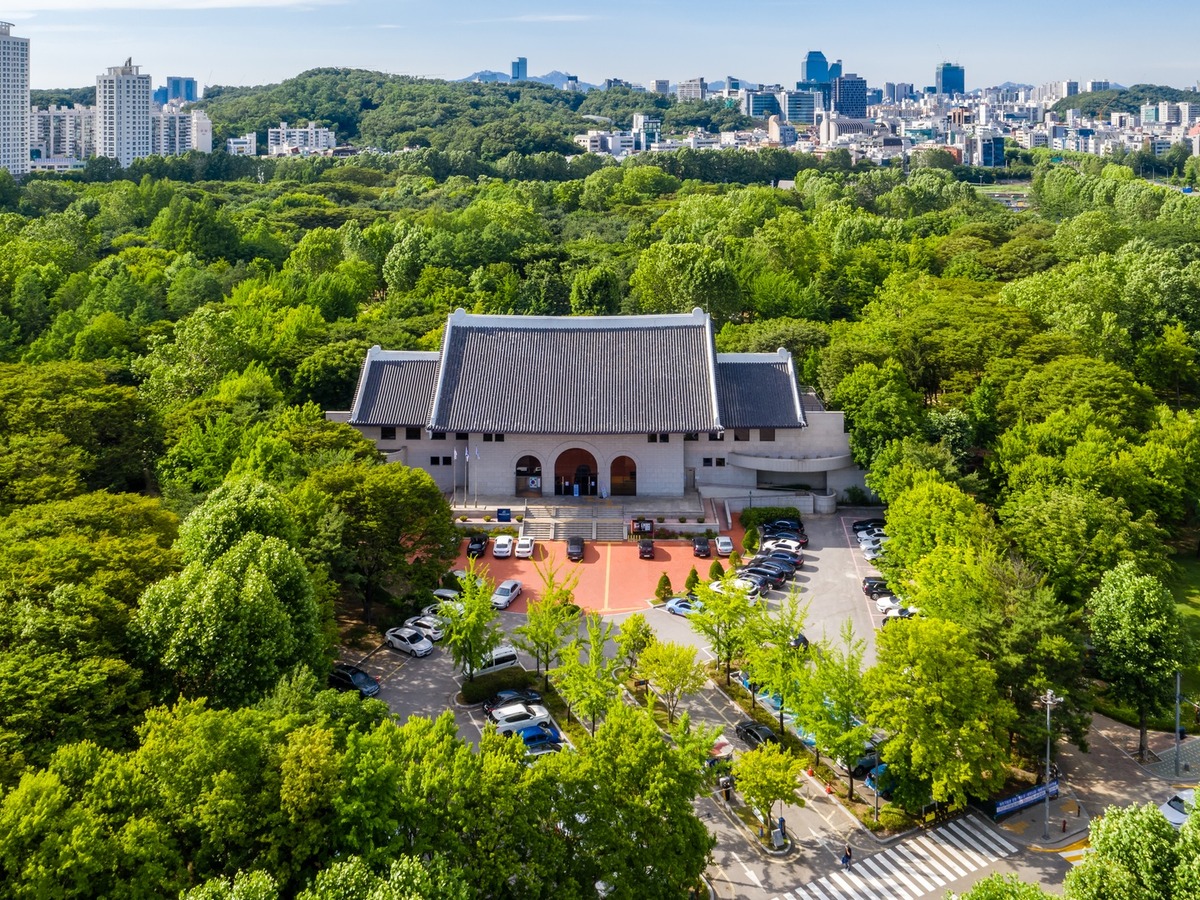
National Memorial of the Korean Provisional Government (Seoul)
Kim Gu Memorial (Seoul)
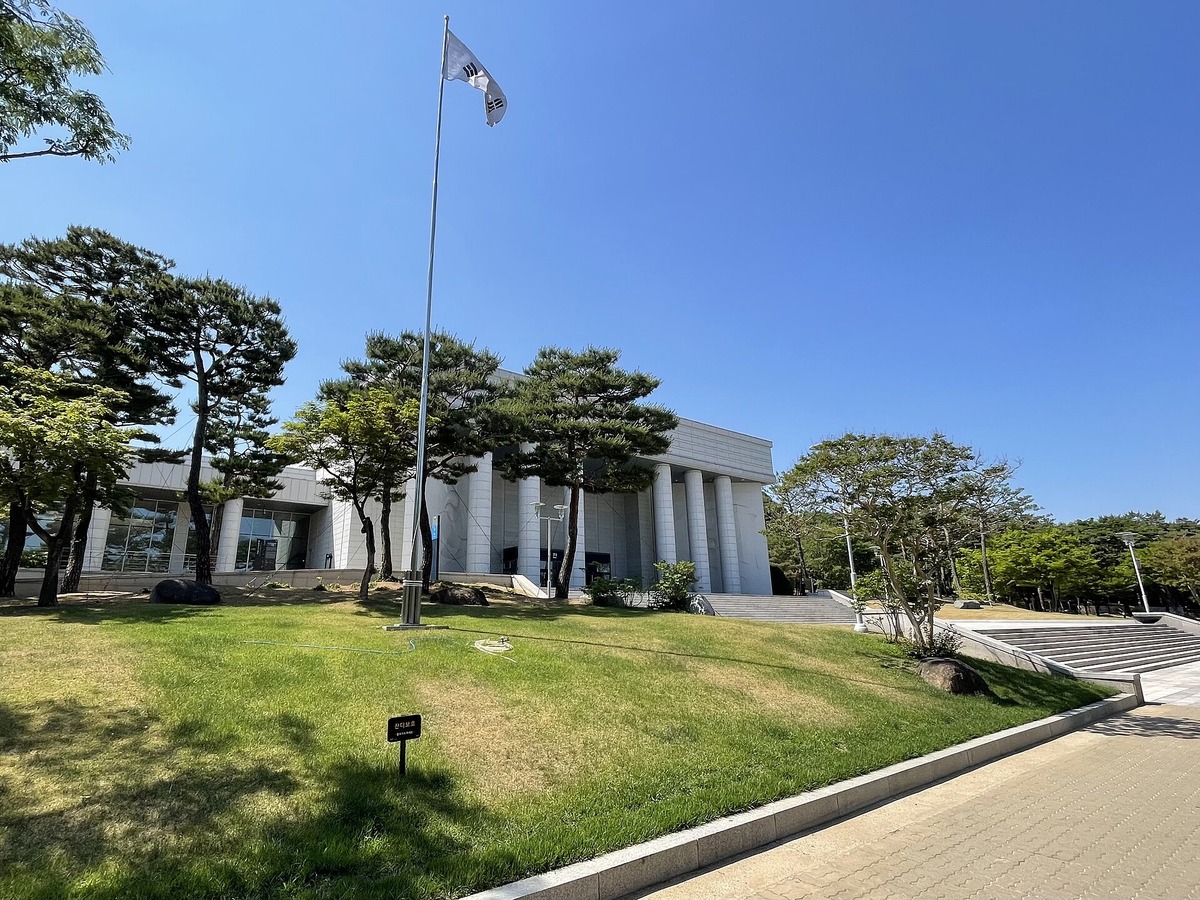
Ahn Jung-geun Memorial Hall (Seoul)
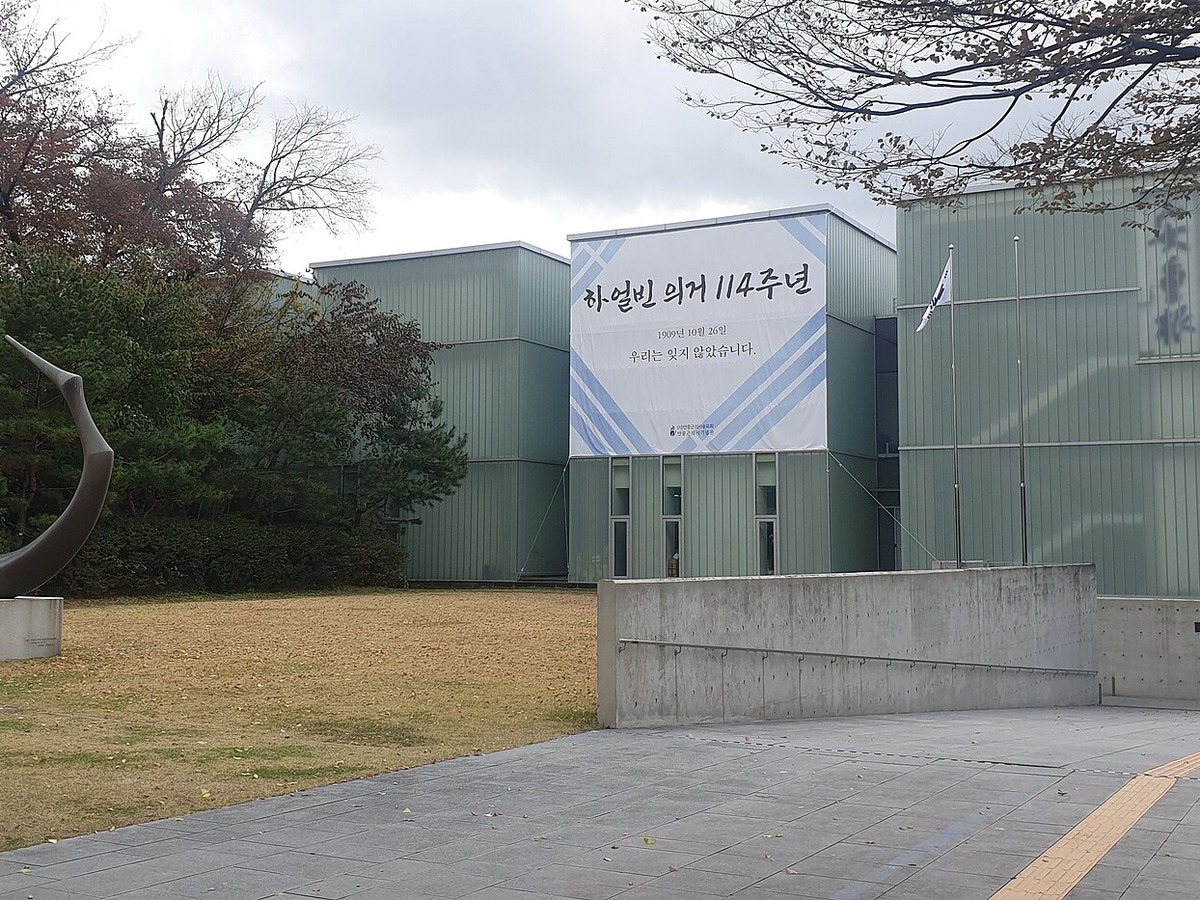
Yun Bong-gil Memorial Hall (Yesan)
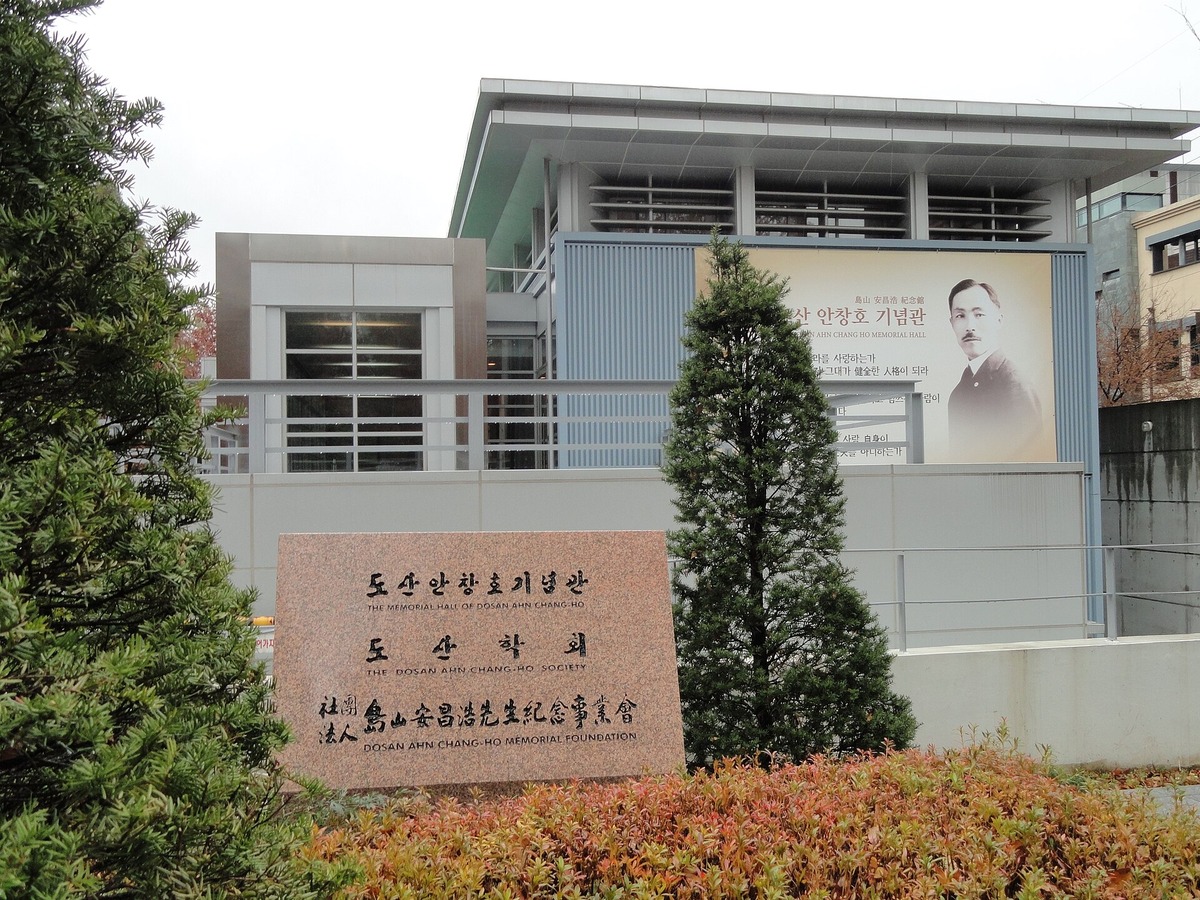
Dosan Ahn Chang-ho Memorial Hall (Seoul)
Yu Gwan-sun Memorial Hall (Cheonan)
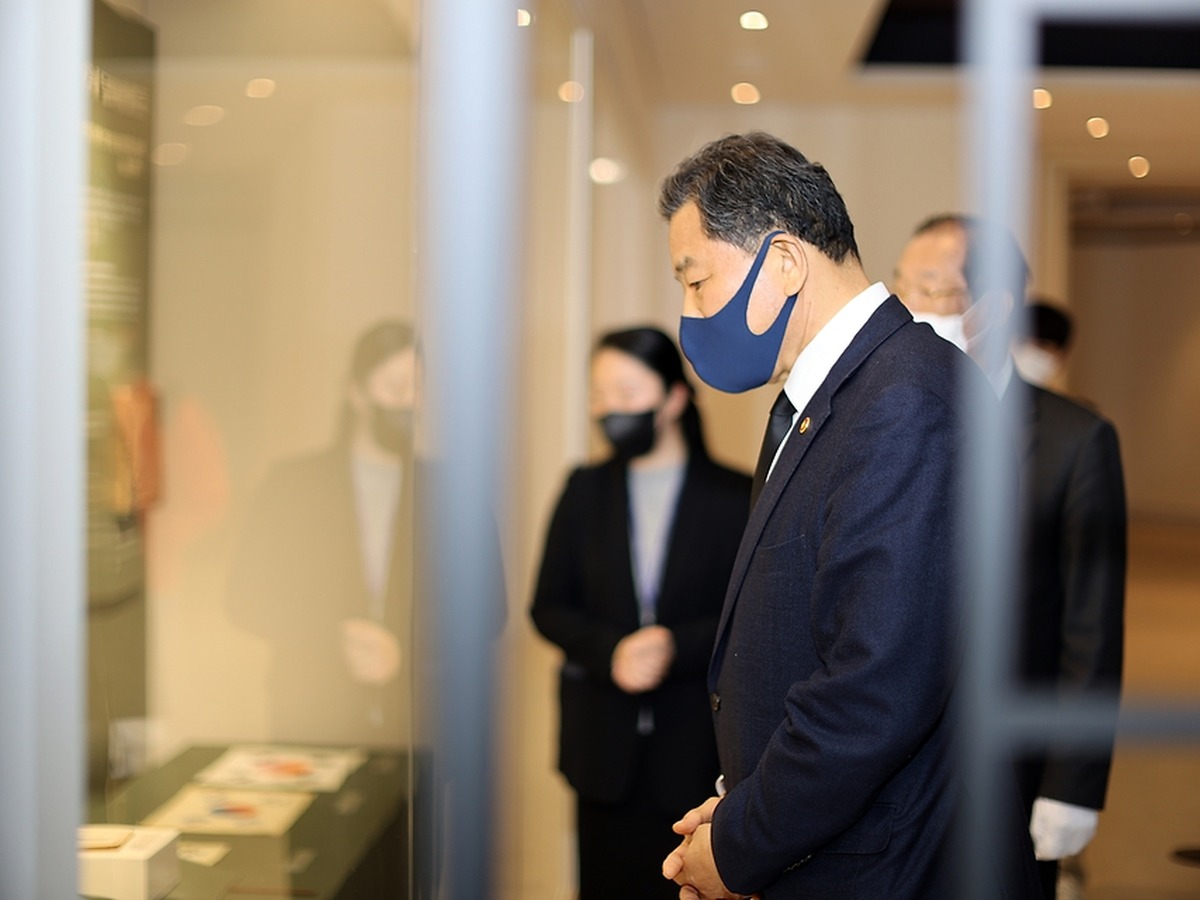
Guk Chae Bosang Movement Memorial Hall (Daegu)
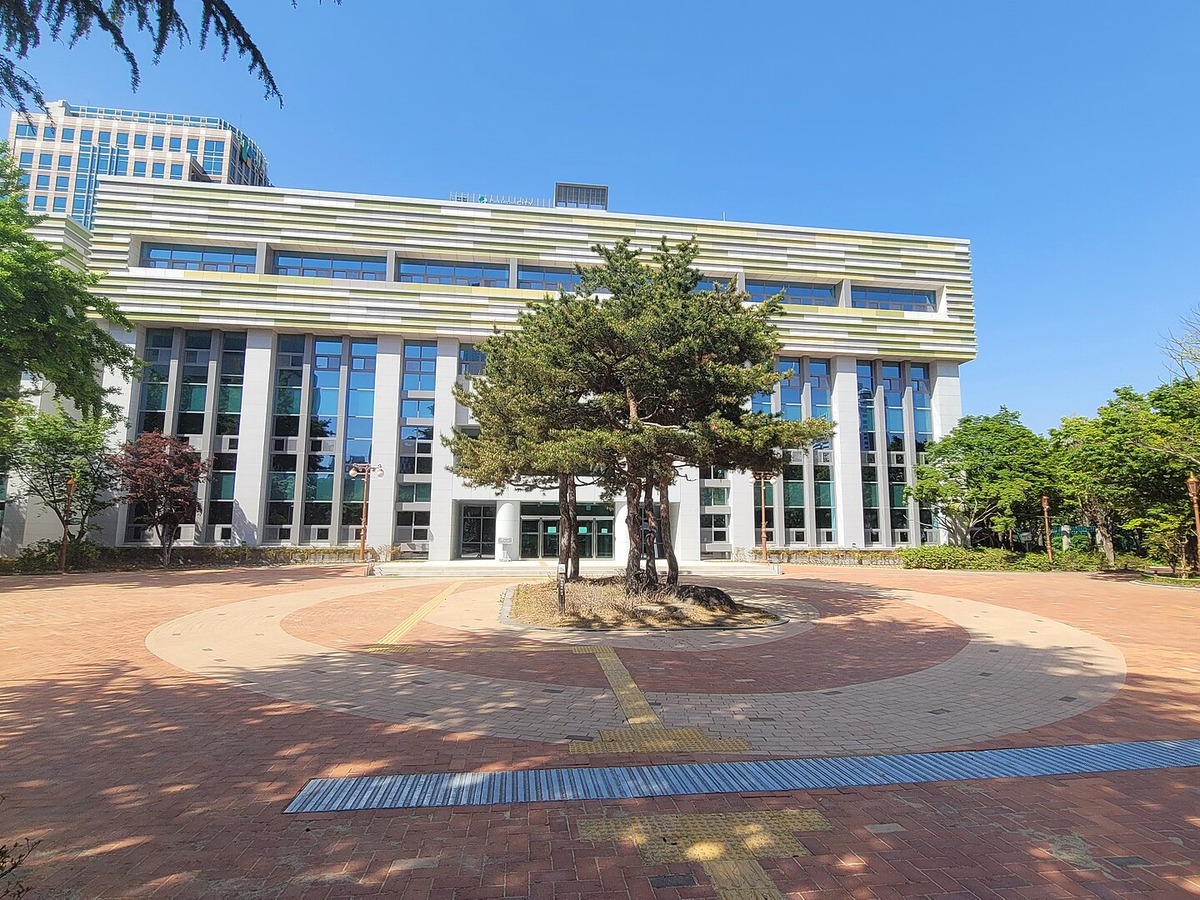
Busan Liberation Memorial (Busan)
How to choose
Want the full sweep of the independence movement? Start with #1 Independence Hall. Want to feel the weight of the era directly? #2 Seodaemun Prison History Hall. To trace the provisional government's work on a map, go with #3. For a deep look at one life, pick whichever figure among #4 through #7 interests you most. To see how local and national history connect, don't skip the lesser-known #9 and #10. When comparing, look less at scale and more at which period and which people each site actually covers.
Hours, closed days, and temporary access changes around events shift by season, so confirm details on each site's official page before you go.
Frequently asked questions
What matters most when visiting these historic sites on Liberation Day?
Less about the photo, more about slowing down to read the exhibit text and the provenance of the artifacts. Sitting with the actual choices these figures made turns a sightseeing stop into something closer to studying history.
Is it all hero-worship narratives?
Most sites these days also cover the roles of women, laborers, and students, along with the concrete consequences of events, not just a single hero's story. Visiting a few different sites and comparing how each frames the period is worthwhile.
Anything to watch for when visiting with kids?
Some exhibits — torture scenes, spaces honoring those who died — are heavy material, so give kids context beforehand and let them set the pace. What they actually take away matters more than covering every exhibit.
Can I visit all ten sites in one day?
They're spread across the country, so trying to cover them all in a day mostly means spending it in transit. Within Seoul you can pair two or three, but Cheonan, Yesan, Daegu, and Busan are far enough apart to need separate trips.
How do I check opening hours and closed days?
Hours and closed days vary by site, and Liberation Day itself often brings special events that change the schedule. Check each institution's official website or call ahead before visiting.
Get new lists before anyone else
Once a week — only the new lists worth your time.
No spam · unsubscribe in one click
You may also like
Where the Sea Becomes Part of the Show: Korea's Coastal Fireworks Festivals
Same fireworks, different scene — bridges, harbors, and coastlines reshape ten of Korea's seaside fireworks festivals, one venue at a time.
It's the Stage, Not the Scale: Korea's Major Fireworks Festivals Compared
Korea's fireworks festivals differ less in scale than in the stage behind them — the Han River, a bridge, or open water each shape a different show.
Fireworks Come Second — 10 Regional Festivals in Korea Worth a Full Day
From canola fields to naval history reenactments, ten Korean festivals where the daytime program is worth the trip even before the fireworks start.
Season Comes Before Spectacle — 10 Korean Fireworks Festivals, Spring Through New Year's
The same fireworks read differently by season — from spring's blossom shows to winter's countdown, here's how to pick where and when to go.