
Fireworks festivals live or die by what they're paired with — music sync, drones, or a media facade — more than by scale, and that's how we ranked these ten.
Picking a fireworks festival isn't about counting shells — it's about what they're paired with. The same-sized show reads completely differently depending on whether it syncs to music, layers over drone-drawn shapes, or turns a building facade into a screen. Festival promos just tout 'the biggest ever,' so the actual staging tech often only becomes clear once you're there.
We built this list of ten Korean fireworks festivals around that gap, sorted by what each pairs with and where it's staged, not by scale — some play off a skyline, others reflect off water, and a few lean on drones or a media facade.
How to use this list
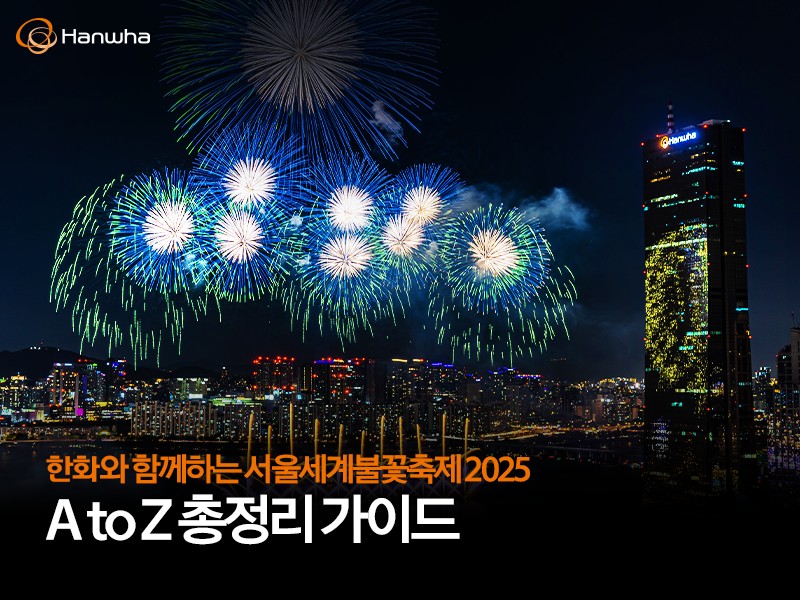
- Want fireworks against a city skyline? Start with No. 1.
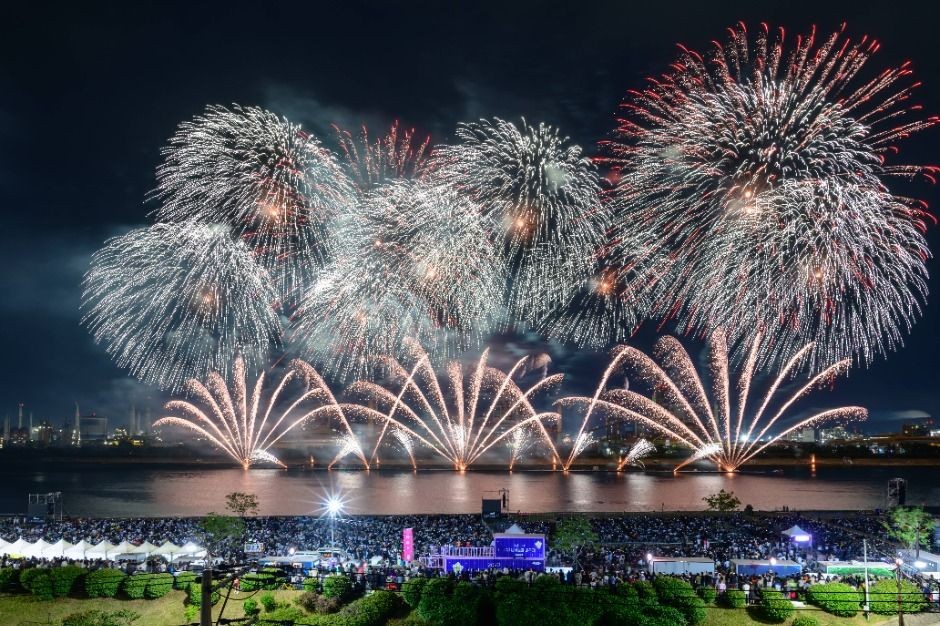
- Chasing a doubled reflection off water? Check No. 2.
- Curious about drones or media-facade tech? Look toward the lower entries.
- Schedules and pricing shift yearly — confirm through official channels first.
Seoul International Fireworks Festival
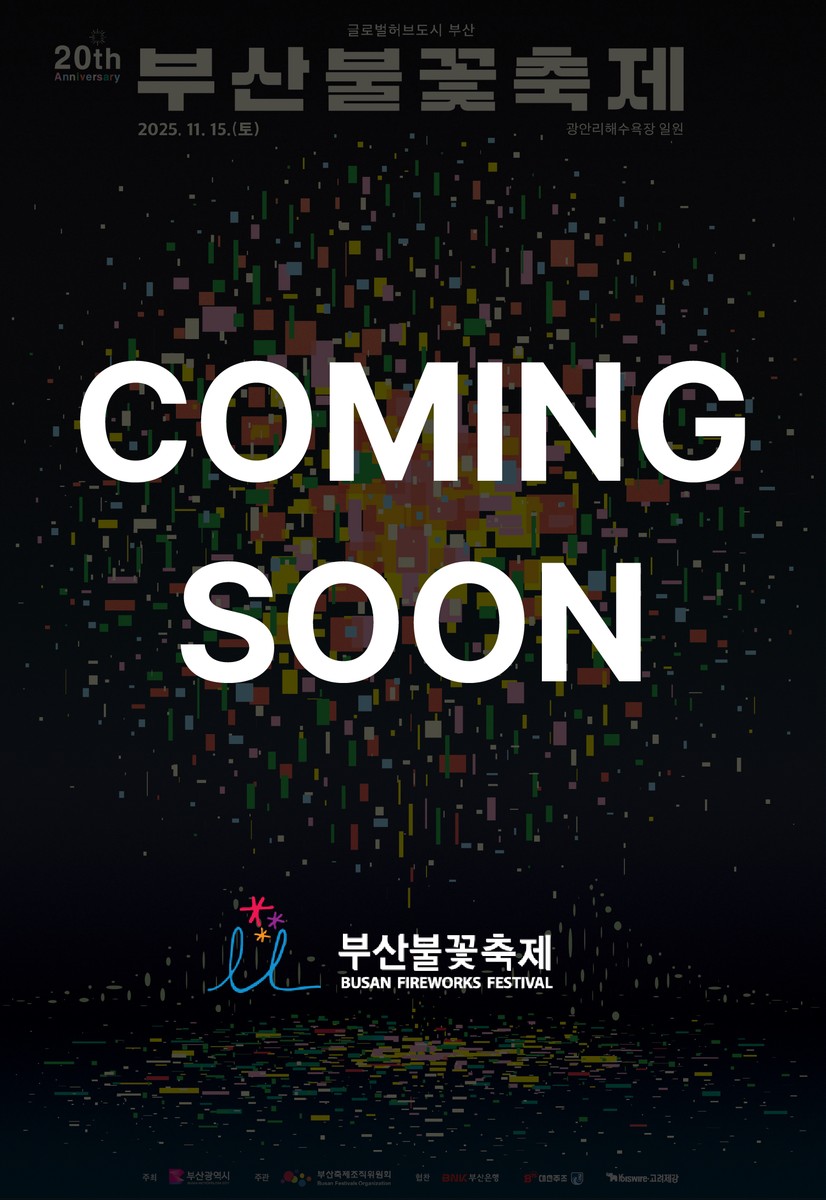
Busan Fireworks Festival
Pohang International Light Festival
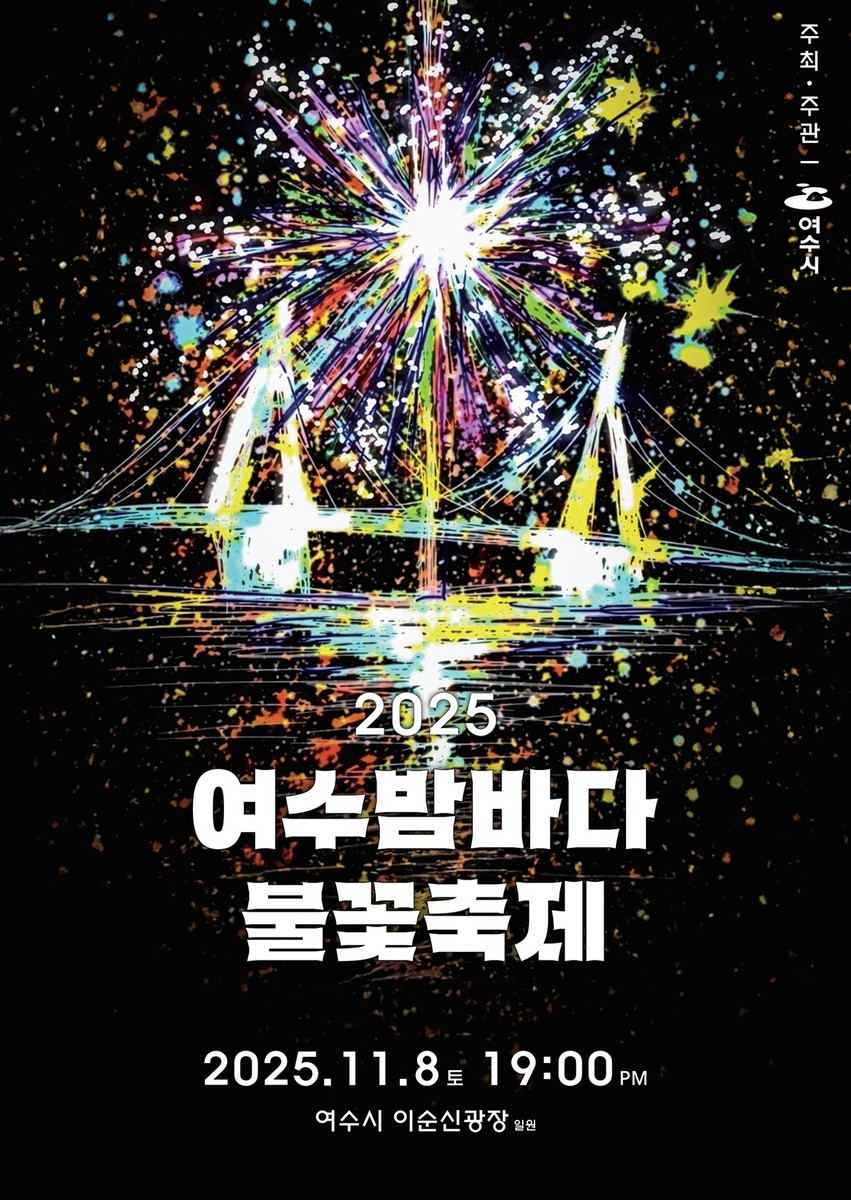
Yeosu Night Sea Fireworks Festival
Unjeong Lake Park Fireworks Festival
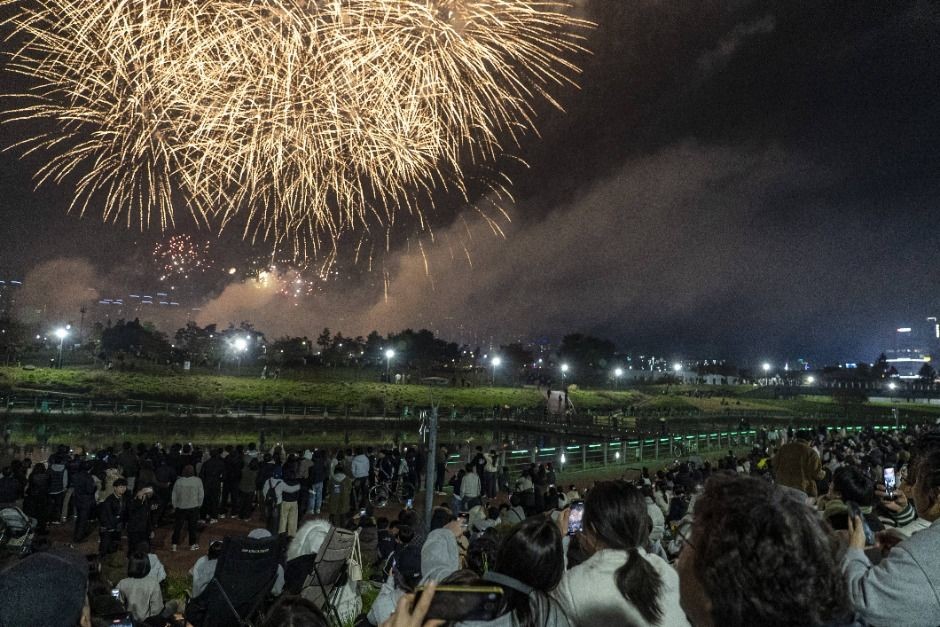
Busan Port Festival
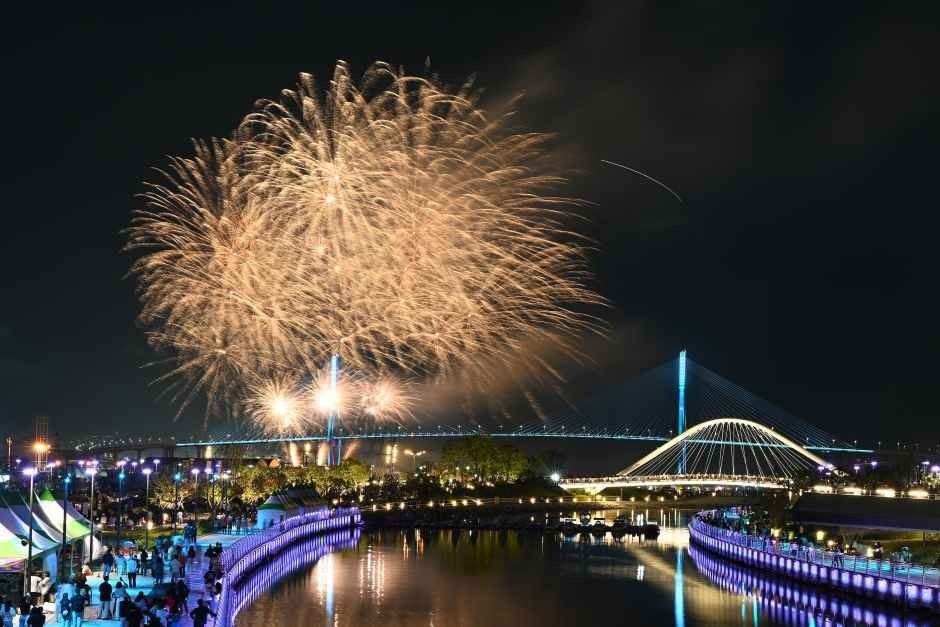
Masan Gagopa Chrysanthemum Festival Multimedia Fireworks Show

Gangdong Prehistoric Culture Festival Fireworks Show
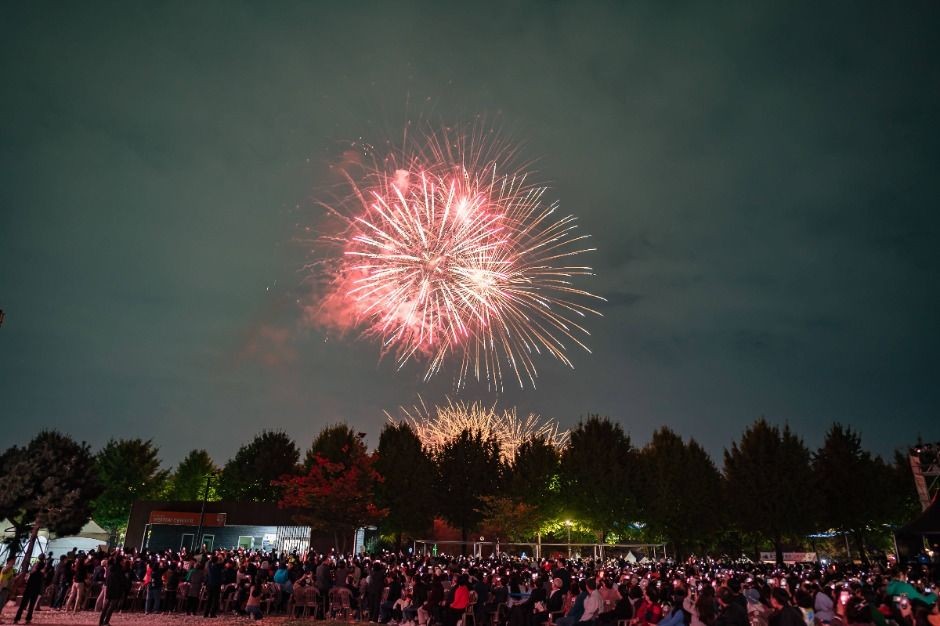
Seoullo Light DDP New Year Fireworks Show
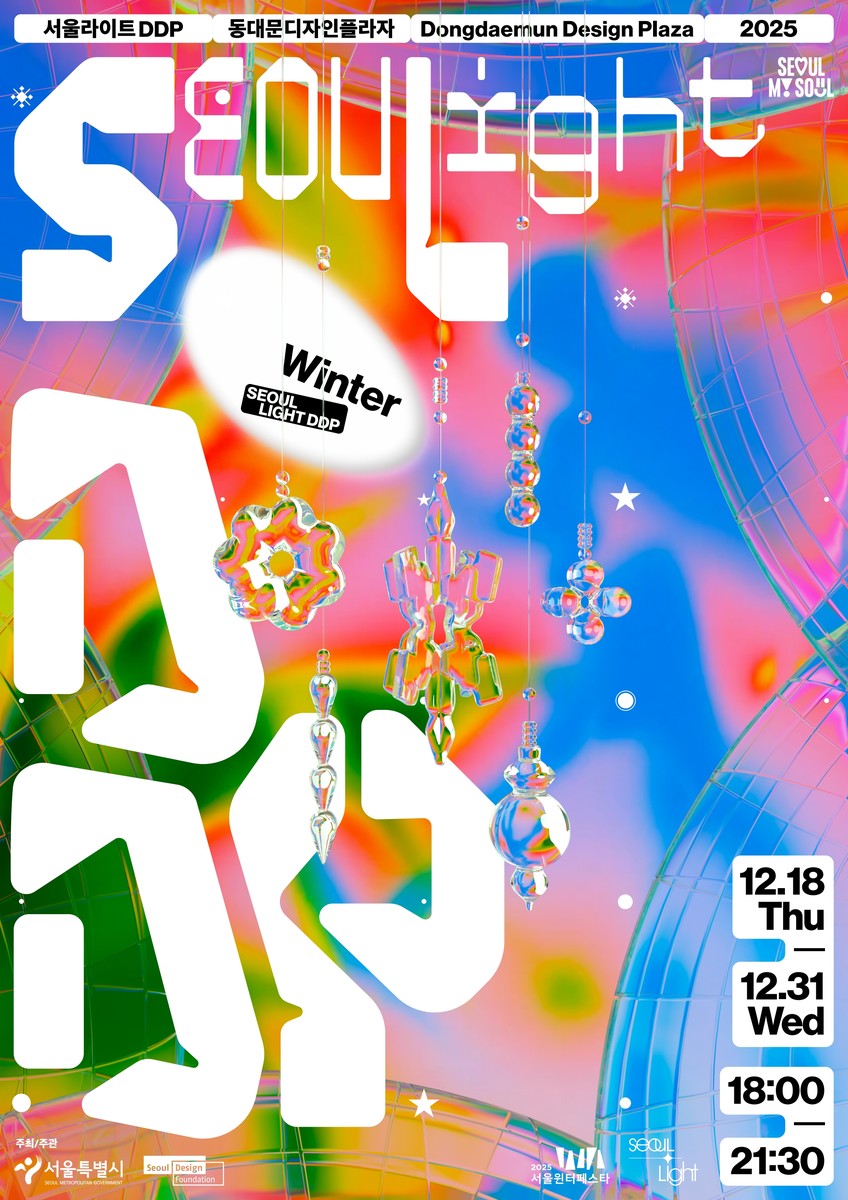
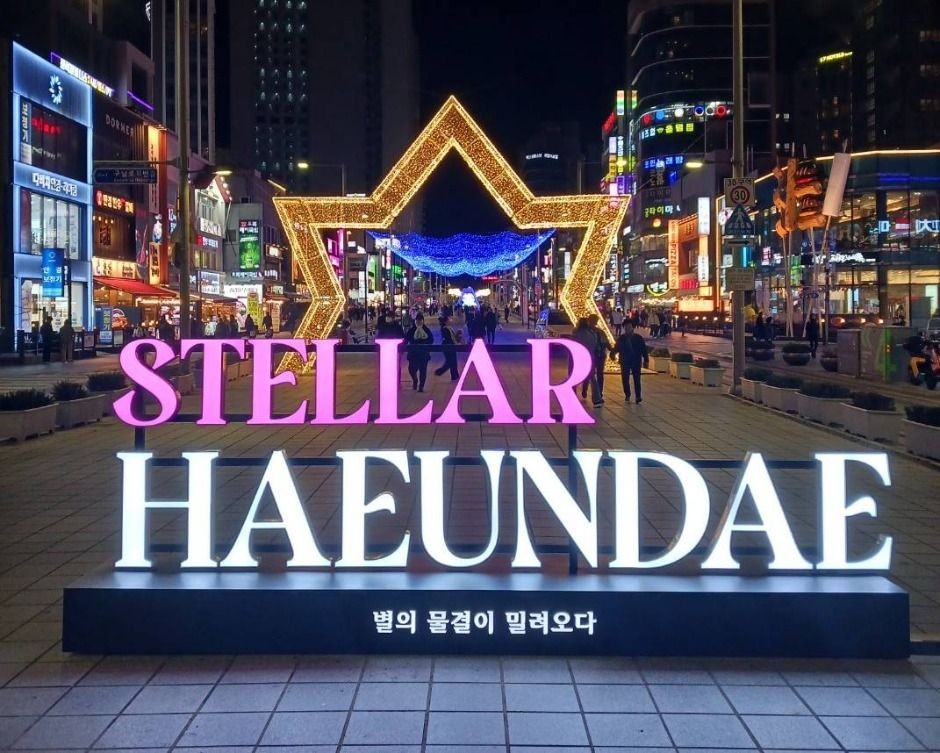
Haeundae Light Festival Fireworks Show
How to choose
Want fireworks against a downtown skyline? Start with No. 1. Chasing that doubled water reflection? No. 2 comes first. Comparing styles and music across countries? Look at No. 3. Curious about drones or a media facade? The lower-ranked entries lean on that tech.
Weigh the backdrop, what the fireworks pair with, and how much of the festival they take up. This reflects what we found when we checked — confirm through official channels before you visit.
Frequently asked questions
Do music-synced and drone fireworks call for different viewing spots?
For music-synced shows, stand in the official viewing zone where the sound carries clearly — that's where the sync between the beat and the shells really lands. Drone shows use a much wider stretch of sky, so a spot with some distance and a clear, unobstructed view works better. Most festivals list recommended viewing spots by technology type in their official guides, so it's worth checking ahead.
Show times vary by festival — how do I check in advance?
Opening ceremonies, the main show, and closing fireworks all run at different times depending on the festival, so the official website or the organizer's program schedule is the most reliable source. Bad weather or technical checks can shift the timing, so confirm again a few hours before you head out.
Are these festivals only held at night?
The fireworks themselves usually run between 7 and 10pm, but the festivals around them often start during the day. Plan around exhibits, performances, and food trucks in the afternoon, then wind up with the fireworks in the evening — that structure makes for a fuller day.
Can you fit more than one of these festivals into a single day?
These festivals are spread across different regions, so hopping between more than one in a single day usually isn't realistic. That said, a festival with a set, relatively short program — like Yeosu — is easier to pair with another stop in the same area on the same trip.
What's the difference between a media-facade show and a drone show?
A media facade turns a building's exterior into a screen for the projection, while a drone show draws shapes and patterns directly in the sky using a coordinated fleet. A facade-driven festival like Seoullo Light DDP and a drone-driven show call for different things to watch for, so it helps to decide which effect you actually want to see before picking a festival.
Get new lists before anyone else
Once a week — only the new lists worth your time.
No spam · unsubscribe in one click
You may also like
Where the Sea Becomes Part of the Show: Korea's Coastal Fireworks Festivals
Same fireworks, different scene — bridges, harbors, and coastlines reshape ten of Korea's seaside fireworks festivals, one venue at a time.
It's the Stage, Not the Scale: Korea's Major Fireworks Festivals Compared
Korea's fireworks festivals differ less in scale than in the stage behind them — the Han River, a bridge, or open water each shape a different show.
Fireworks Come Second — 10 Regional Festivals in Korea Worth a Full Day
From canola fields to naval history reenactments, ten Korean festivals where the daytime program is worth the trip even before the fireworks start.
Liberation Day: Places to Walk and Read, Not Just Photograph
On Liberation Day, ten historic sites across Korea — tied to different people, institutions, and regions — reward walking through, not just a photo stop.