These eight Korean broadcasts open with a familiar actor or host, and this guide shows exactly which claims to verify against official archives afterward.
Getting curious about Korea's independence movement often means opening a government report or a court record first, and closing it just as fast because the names and events feel remote. That's why many people start instead with a broadcast fronted by a familiar face: an actor reading a letter aloud, a TV host walking a former battlefield. The catch is what happens next: mistaking a re-enacted line for an actual quote, or taking a celebrity's on-air claim about a distant ancestor at face value. Once that confusion sets in, the activist's actual name and record fade into the background while the celebrity moment is all that sticks.
This list rounds up eight documentaries, memorial specials, and history-themed variety segments that actually aired, noting which historical figures and events each one covers. Programs are ordered not by popularity but by how specifically the history is named and how clearly each show separates dramatization from documented fact. Each entry also flags what's worth double-checking afterward, so you know what to search once the episode ends.
How these were chosen
- Only programs with a confirmed broadcast and celebrity appearance
- Whether re-enactments are distinguishable from primary sources on screen
- Whether the activists and events covered are named down to specific people and places
- Whether it points toward a public archive for follow-up verification
- Whether any on-air family claims stay within what the celebrity has stated publicly
"Memory Archive: A 100-Year Journey"
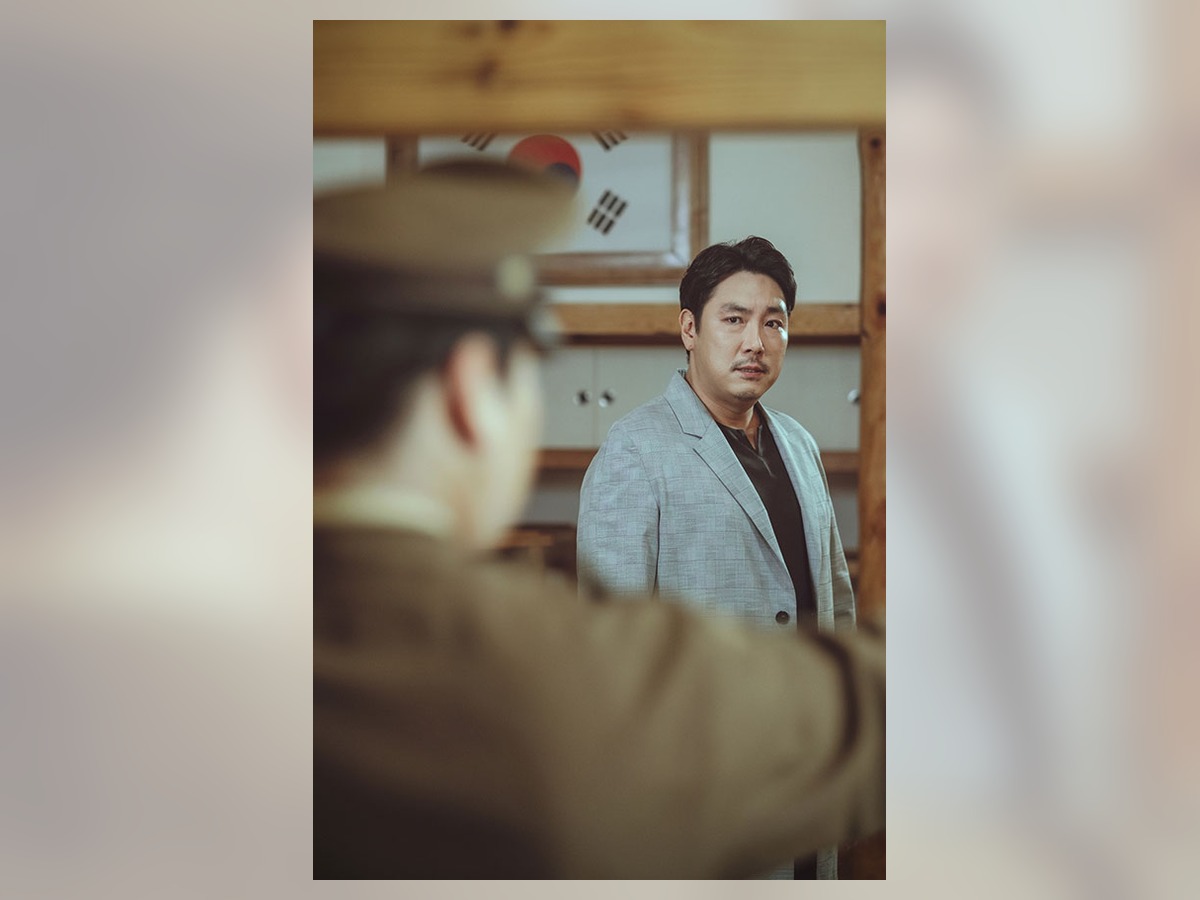
"Spring, 100 Years" and Yoon Ju-bin's Letter Reading
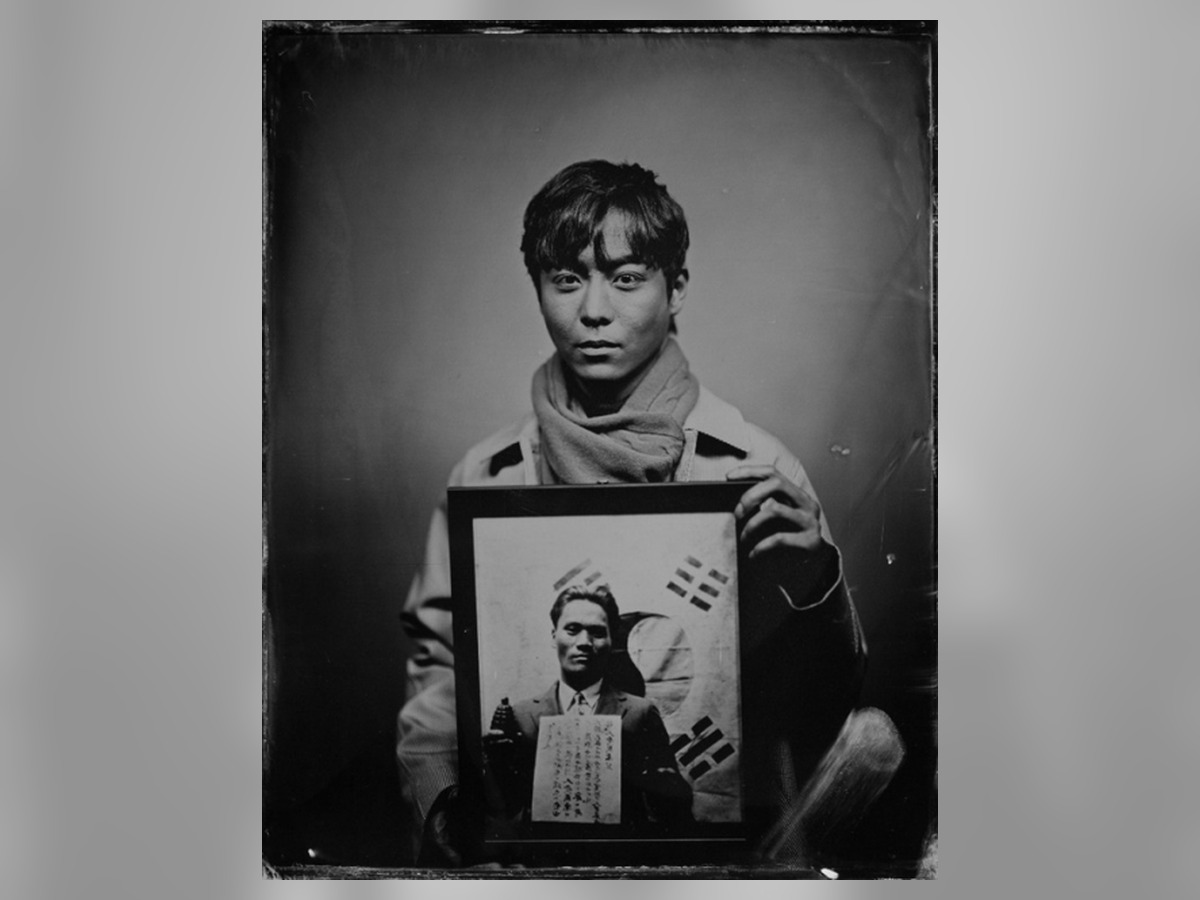
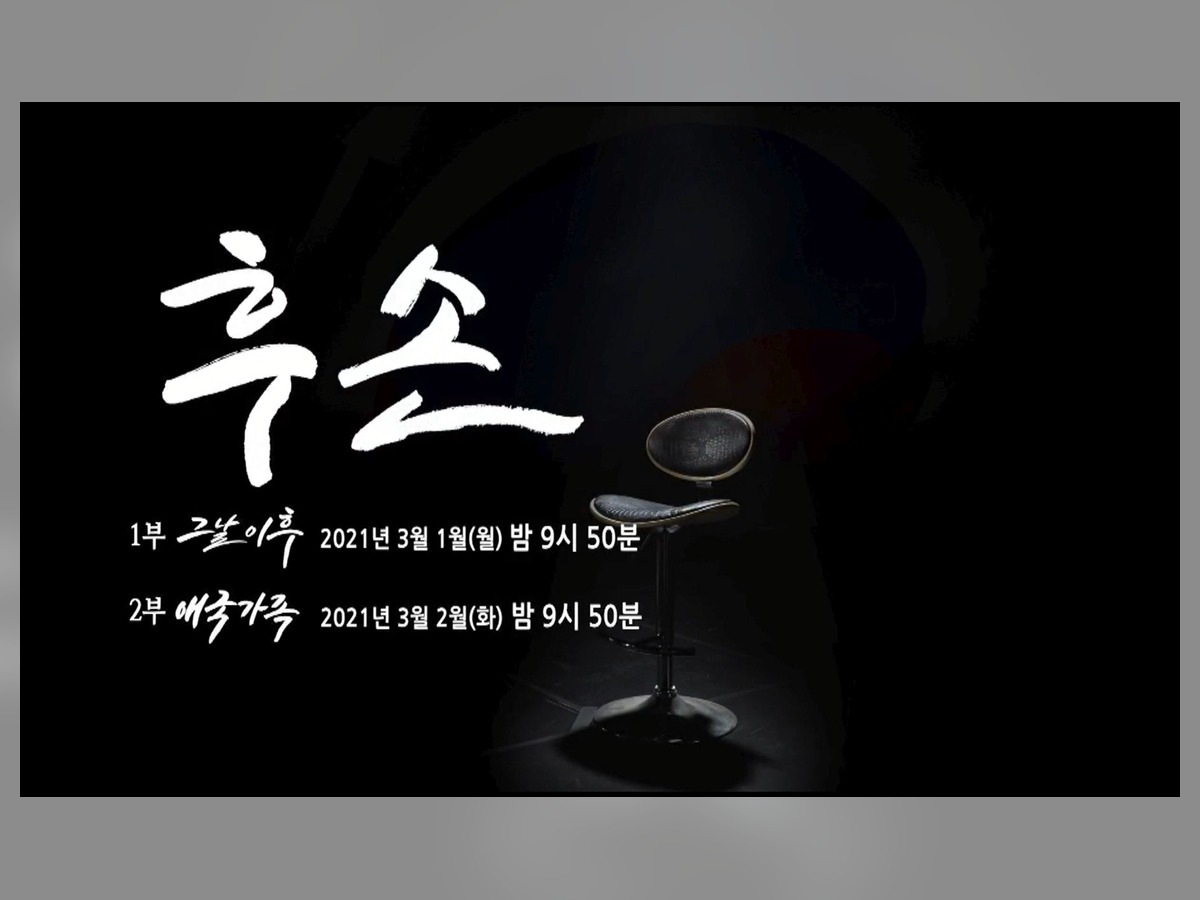
EBS Special Documentary "Descendants"
KBS's "Immortal Songs" Liberation Day Special

Song Il-gook's Cheongsanri History Trek
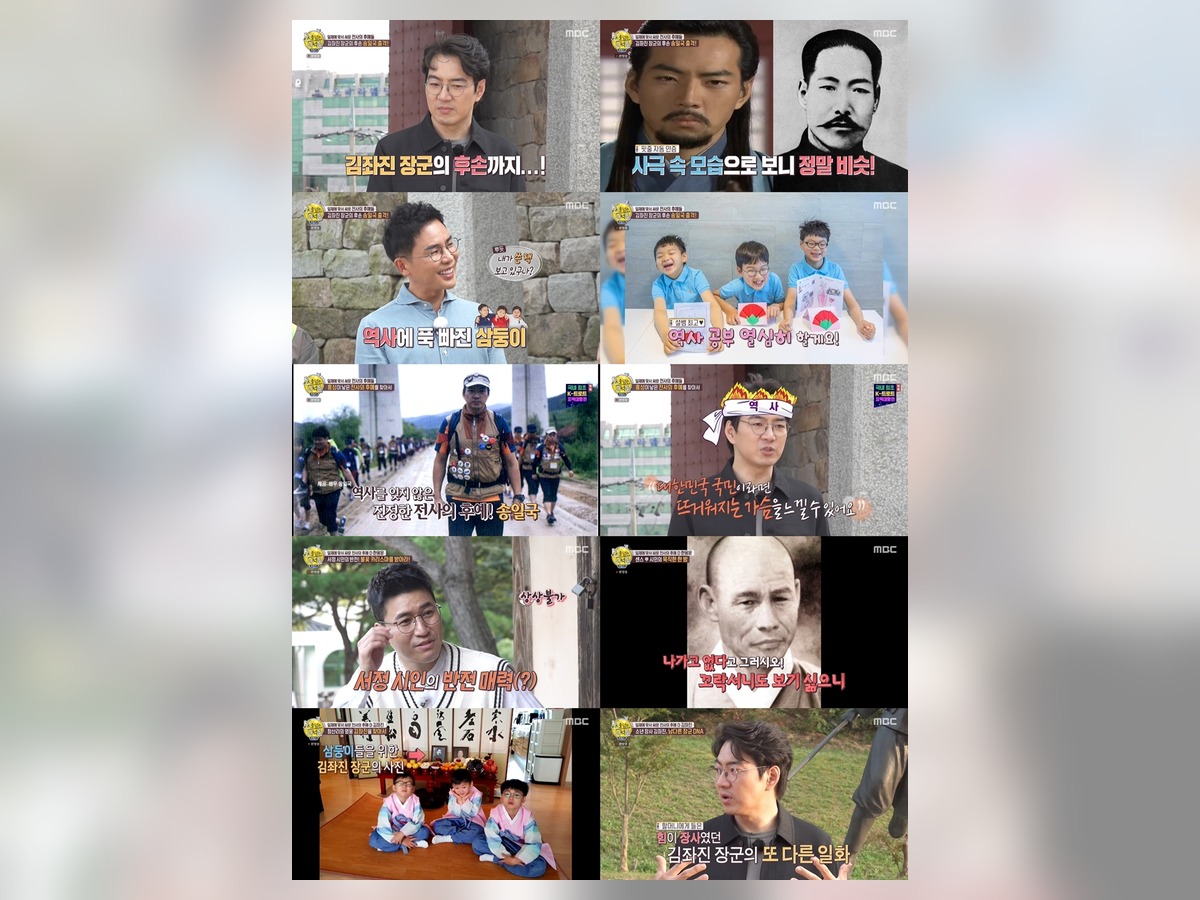
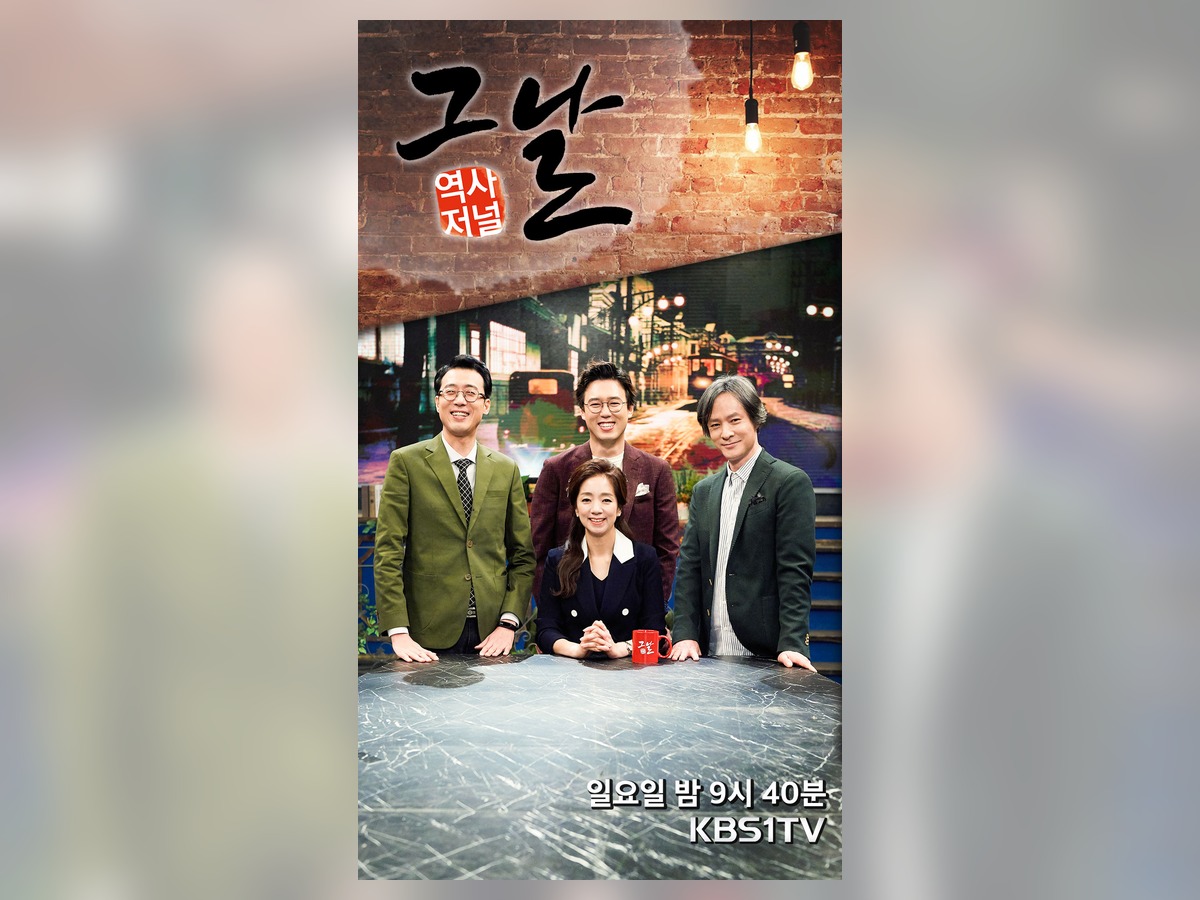
"History Journal 그날" — The Anti-National Activities Committee Episode
"Crossing the Line" Colonial-Era History Trek

SBS's "Tale After Tale" — Independence Movement Episodes

Matching the show to what you want
For a quick, name-by-name introduction, start with #1 "Memory Archive" or the #4 "Immortal Songs" special, both built around one figure per segment. For a stronger sense of place, #5's Cheongsanri trek and #7's "Crossing the Line" take you to the actual sites where events happened. To understand a structural failure like the collapse of postwar anti-collaboration prosecutions, #6's "History Journal" episode is the place to start. If you're drawn to how memory passes across generations and families, pairing #2 and #3, both centered on descendants, works well together.
When comparing these, prioritize whether a show clearly separates re-enactment from documented fact through captions or cited sources. What's shown reflects the reporting and air date, and streaming availability or supplementary research can change afterward, so check the broadcaster's official channel and public government archives before treating anything here as final.
Frequently asked questions
Are the re-enactment scenes historically accurate?
Not necessarily. Most of these programs use actors and adapted dialogue to make the material easier to follow. For what was actually said or documented, check the sources listed in the broadcast captions or the government's official record of independence activists.
How reliable are the family connections celebrities mention on air?
The safest approach is to rely only on the specific relationship and ancestor's name a person has stated publicly, whether on a broadcast or at a memorial event. Sharing a surname isn't enough to assume a connection, and a stated degree of kinship shouldn't be loosely altered.
Where can I stream these specials?
Anniversary specials often disappear from streaming platforms or get renamed over time. Searching the broadcaster's official site and YouTube channel alongside public archives, such as those run by government heritage and memorial institutions, is the most reliable way to track them down.
Should I watch the documentaries or the variety-show treks first?
Start with documentaries built around one figure per episode (#1, #4) to learn names and faces, then move to the on-site treks (#5, #7) for a sense of place, and finish with a structural piece like #6 to see the bigger picture.
Is watching these enough to understand independence-era history?
No. These broadcasts are a good entry point for building interest, but the specifics should be confirmed against primary sources: the government's official record of independence activists, memorial-institution research reports, and academic scholarship. Treat the shows as a starting point, not a conclusion.
Get new lists before anyone else
Once a week — only the new lists worth your time.
No spam · unsubscribe in one click
You may also like

On Screen, Not in Real Life: Fictional Collaborator Families in Korean Period Dramas
From "Assassination" to "Nokdukkot," how to read invented family rifts without mistaking them for an actor's real lineage.
The Family Histories These Korean Celebrities Have Spoken About Publicly
Eight Korean entertainers' ties to independence-activist ancestors, drawn only from their own on-record statements and confirmed press coverage.
Before You Trust the Rumor: 8 Primary Sources on Collaboration and Confiscated Wealth
From government investigation reports to a dedicated museum, eight reference sources worth checking before repeating a claim about a 'pro-Japanese family.'