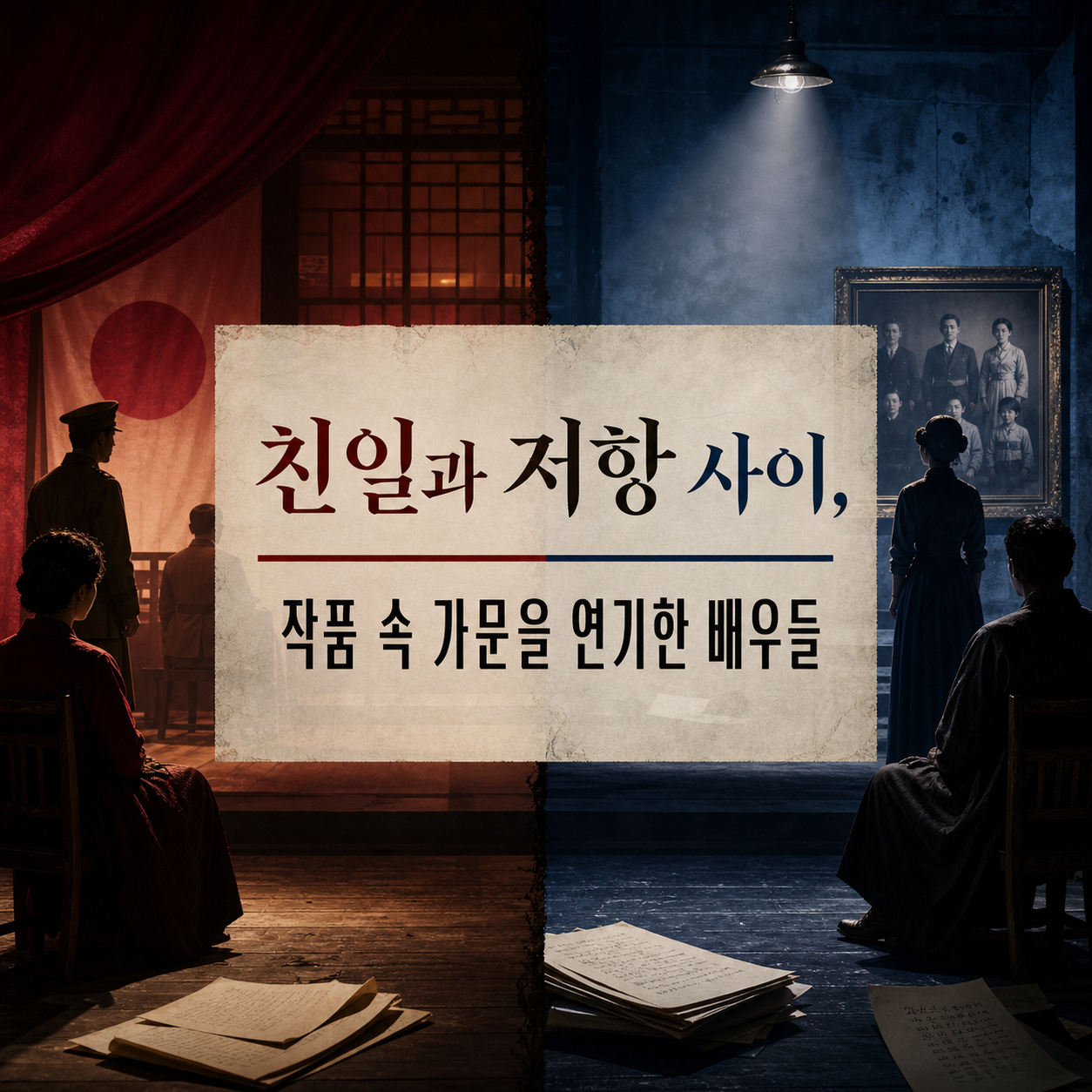
From "Assassination" to "Nokdukkot," how to read invented family rifts without mistaking them for an actor's real lineage.
Period dramas often stage extreme family splits — a father who collaborated with Japanese colonial rule, a daughter who joined the resistance; a brother who became a colonial police officer, another who fought back. The more convincing the performance, the easier it is for viewers to blur the line between actor and role, but a character's choices are the screenwriter's invention, not evidence of the actor's real family or politics. This list rounds up eight fictional family conflicts split between collaboration and resistance, along with the actors who played them.
Each entry notes who chose what, and whether the character is a loose stand-in for a real historical figure or pure invention. Rather than searching an actor's name for sensational family gossip, it's more useful to compare what each story chooses to emphasize — and leave out — in its portrayal of that era.
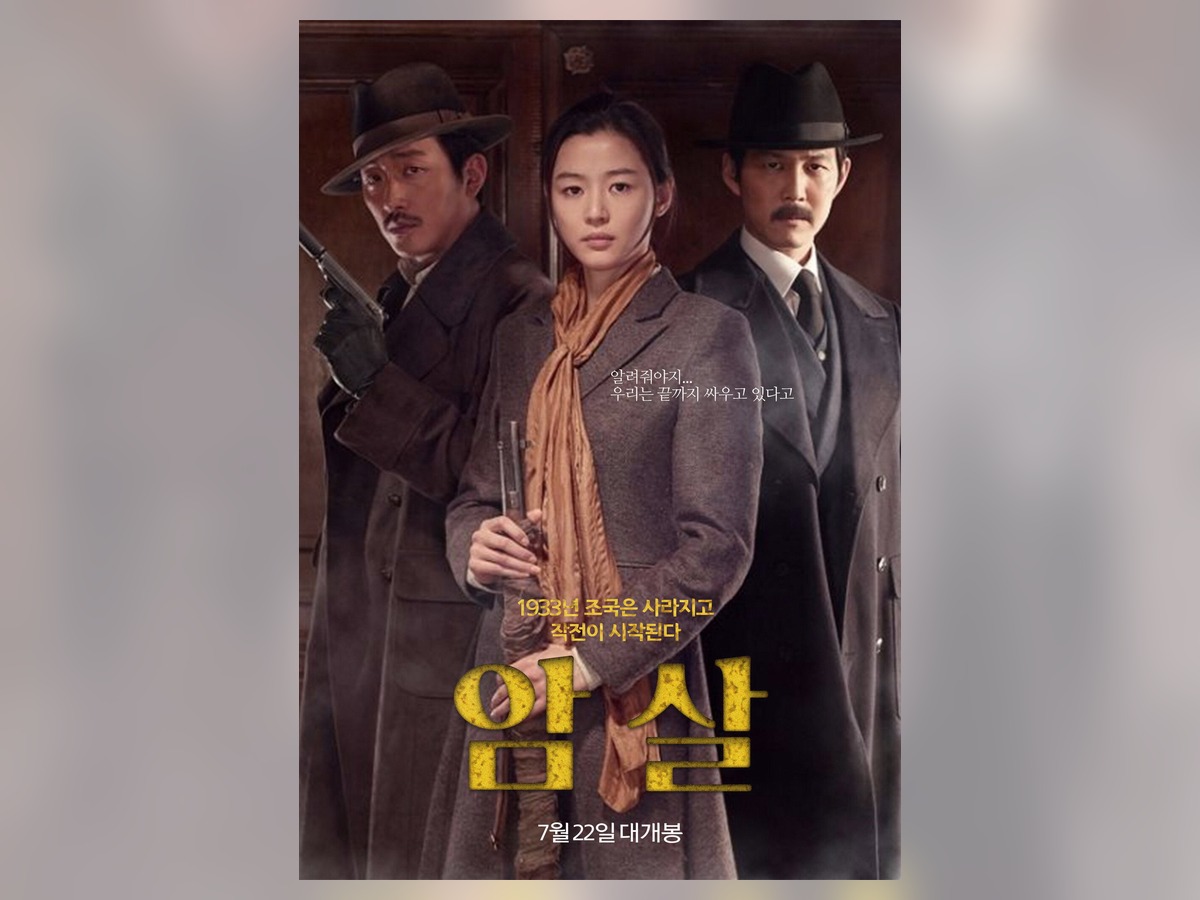
Kang In-gook & An Ok-yun — "Assassination"
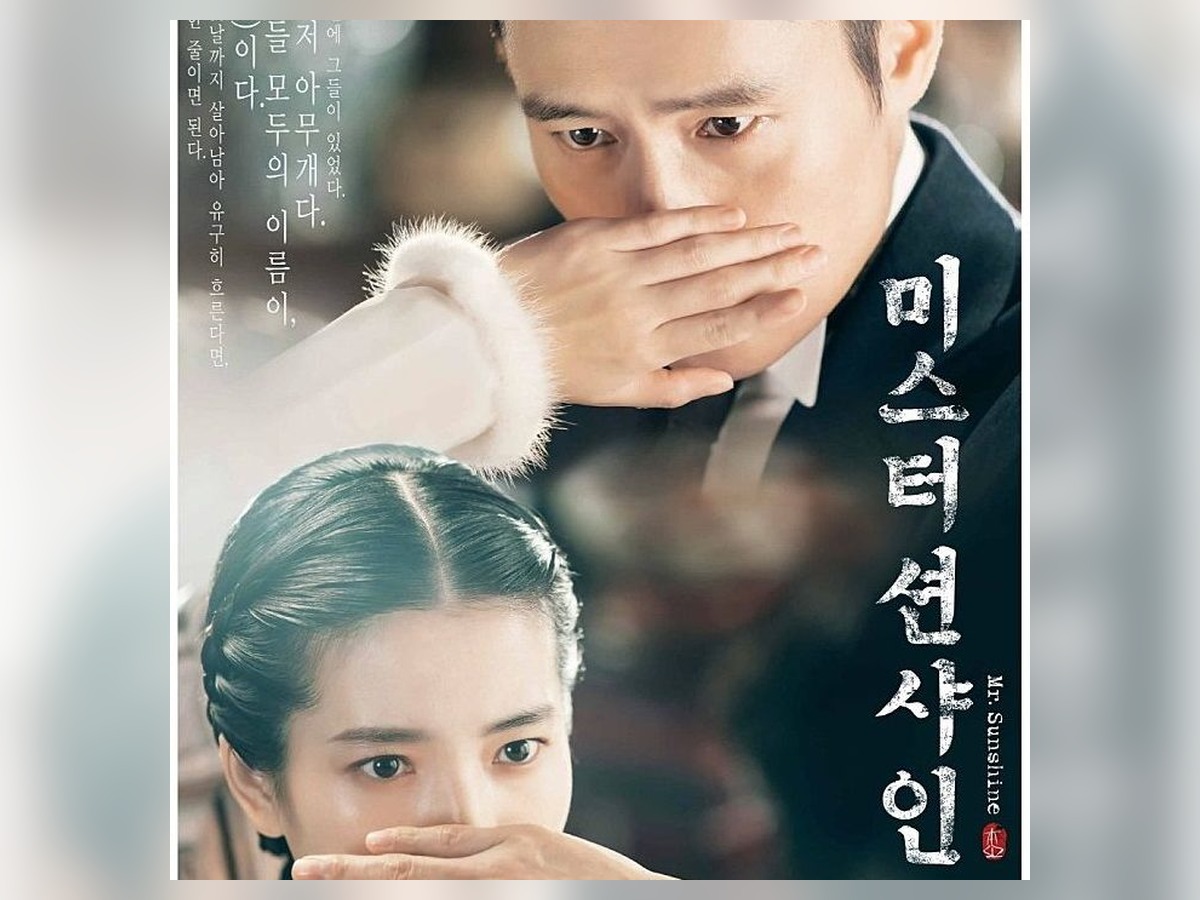
Lee Wan-ik & Kudo Hina — "Mr. Sunshine"
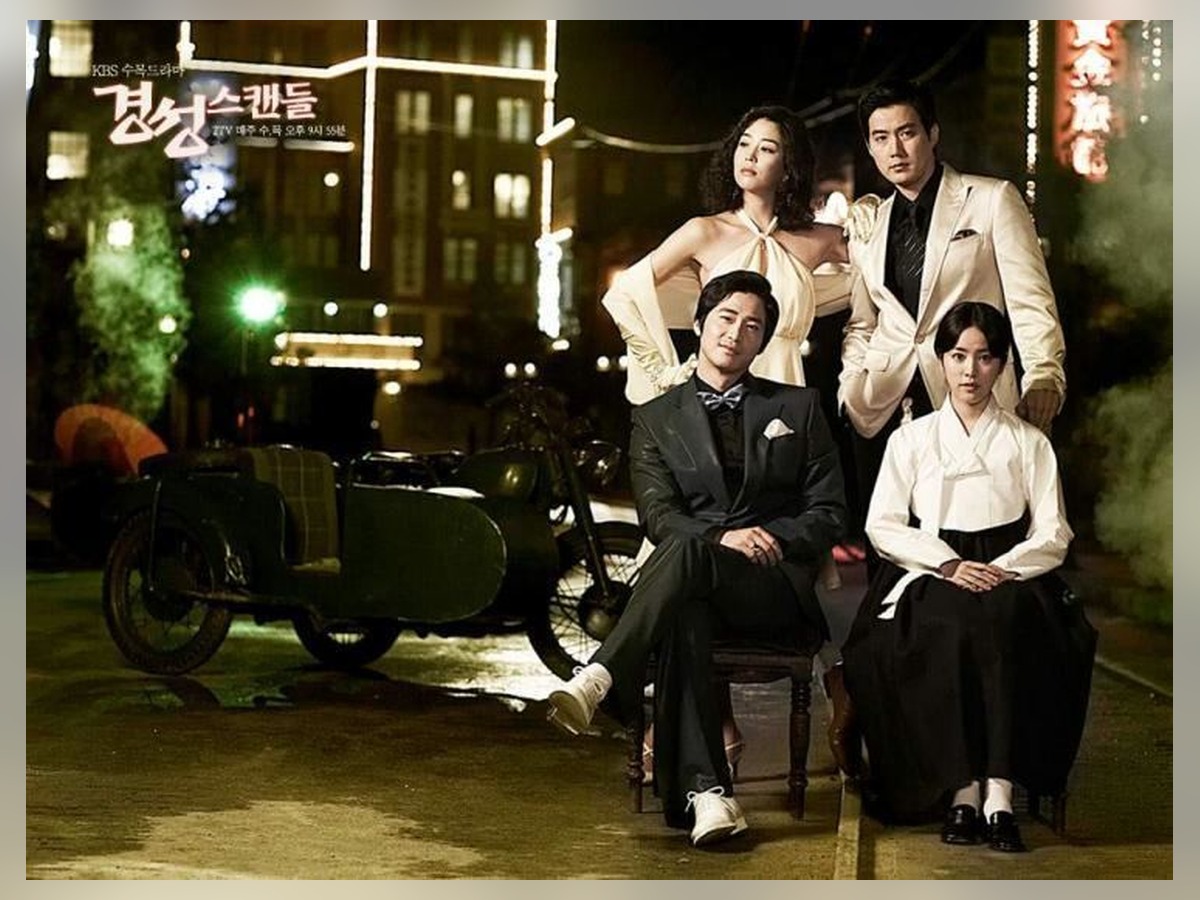
Sun-woo Wan and His Father — "Capital Scandal"
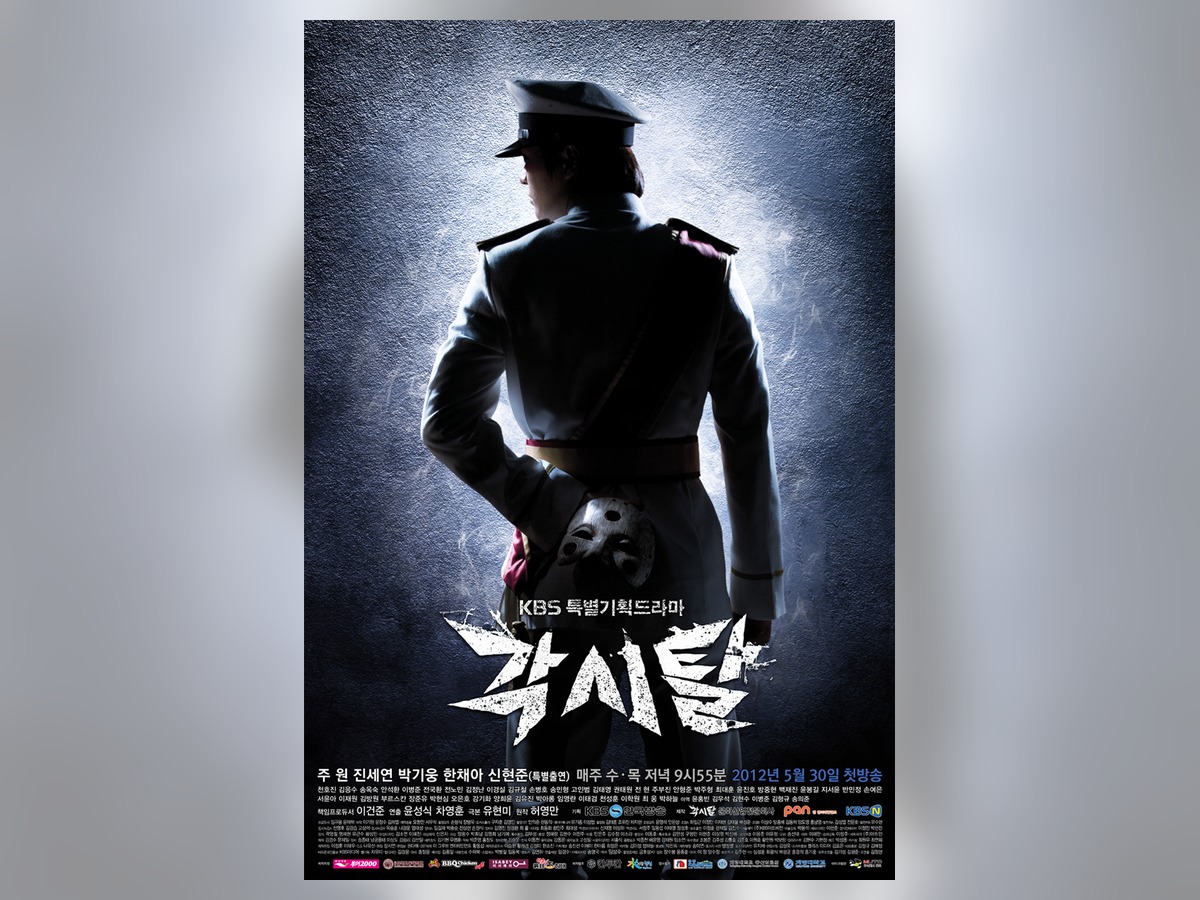
Lee Kang-to & Lee Kang-san — "Bridal Mask"
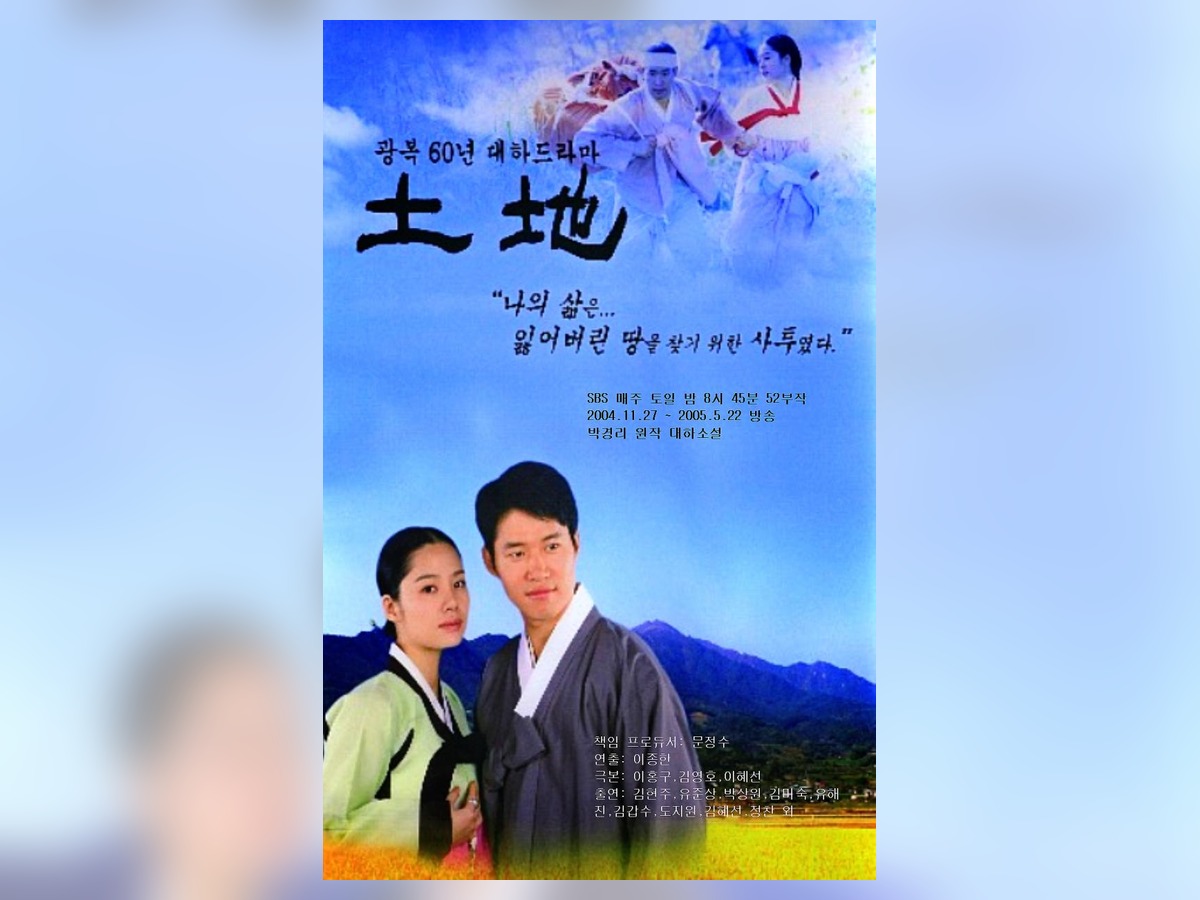
The Jo Jun-gu Family — "Land"
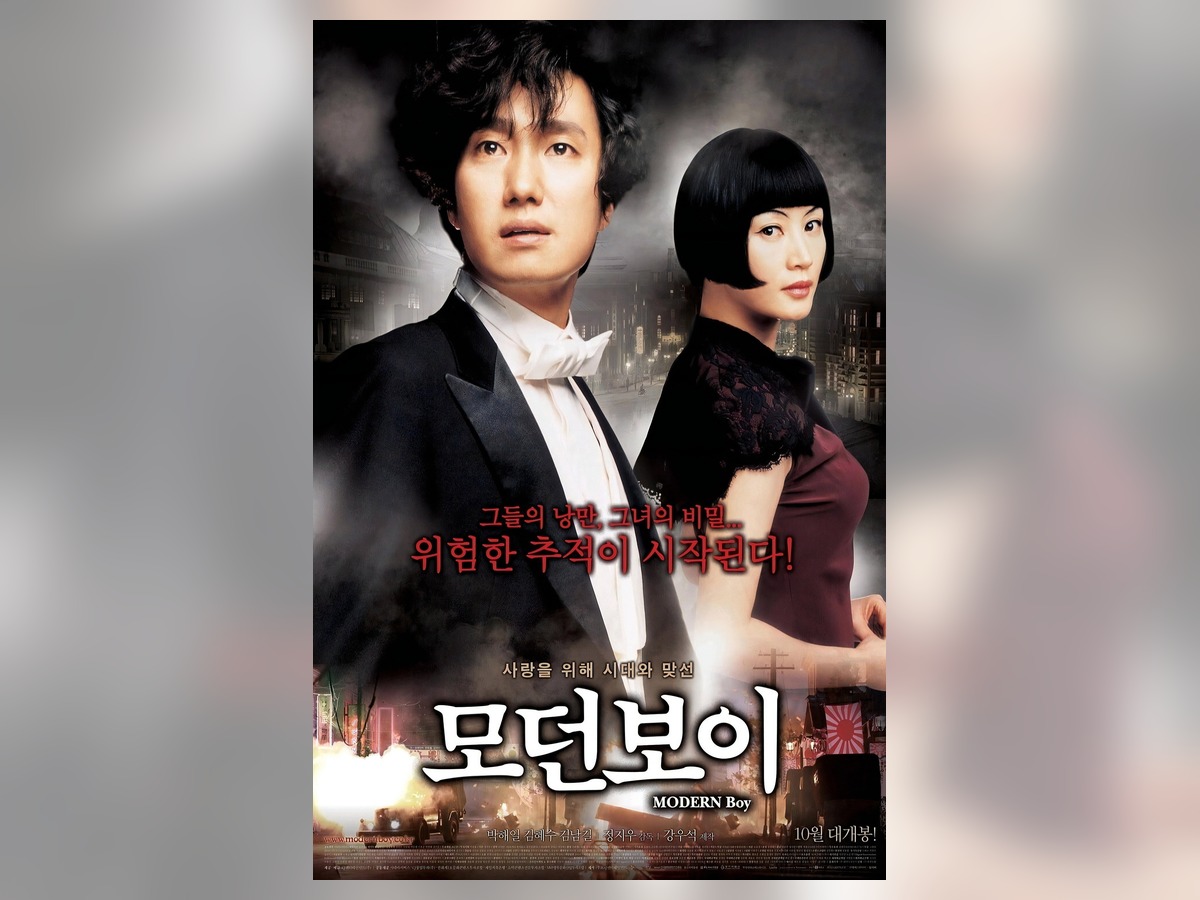
Lee Hae-myung & Jo Nan-sil — "Modern Boy"
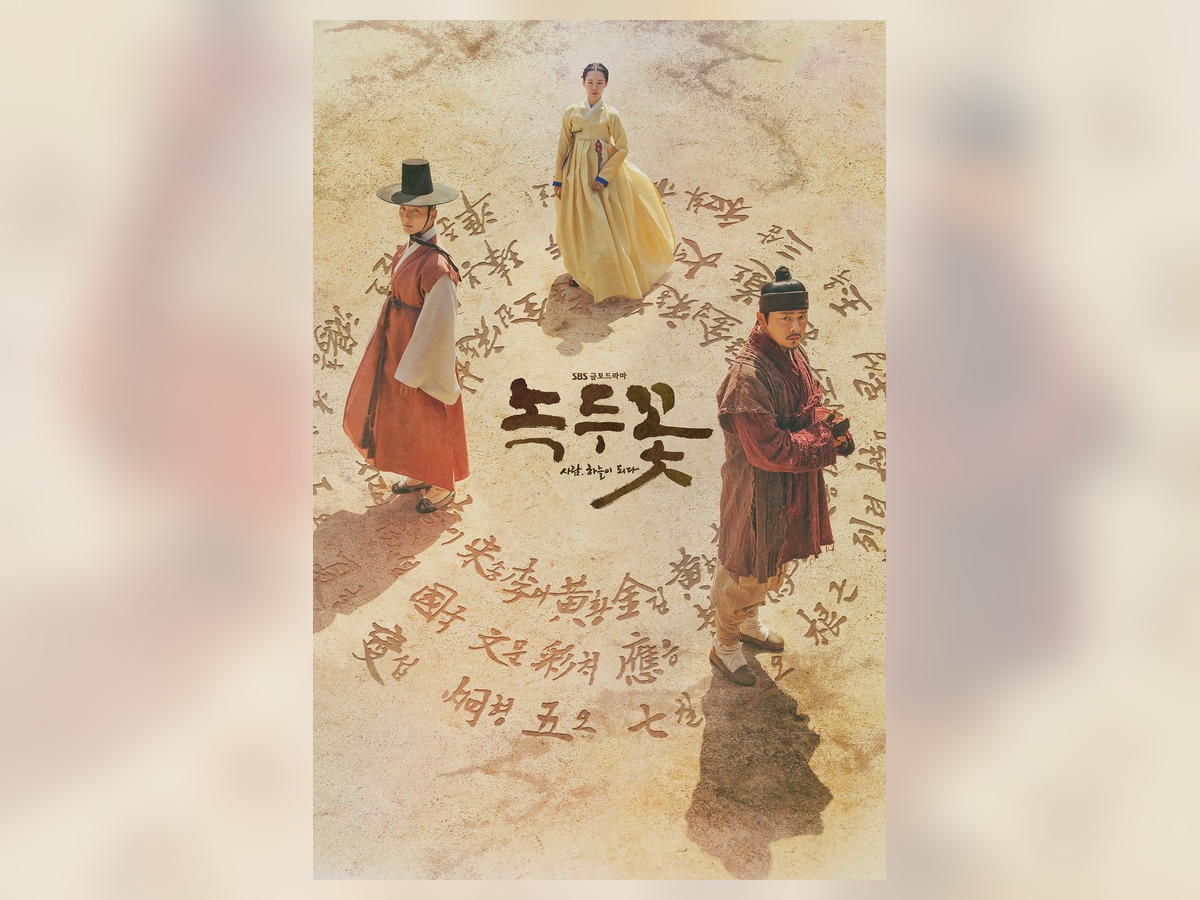
The Baek Family — "Nokdukkot"
Four Young Lives at Liberation — "Seoul 1945"
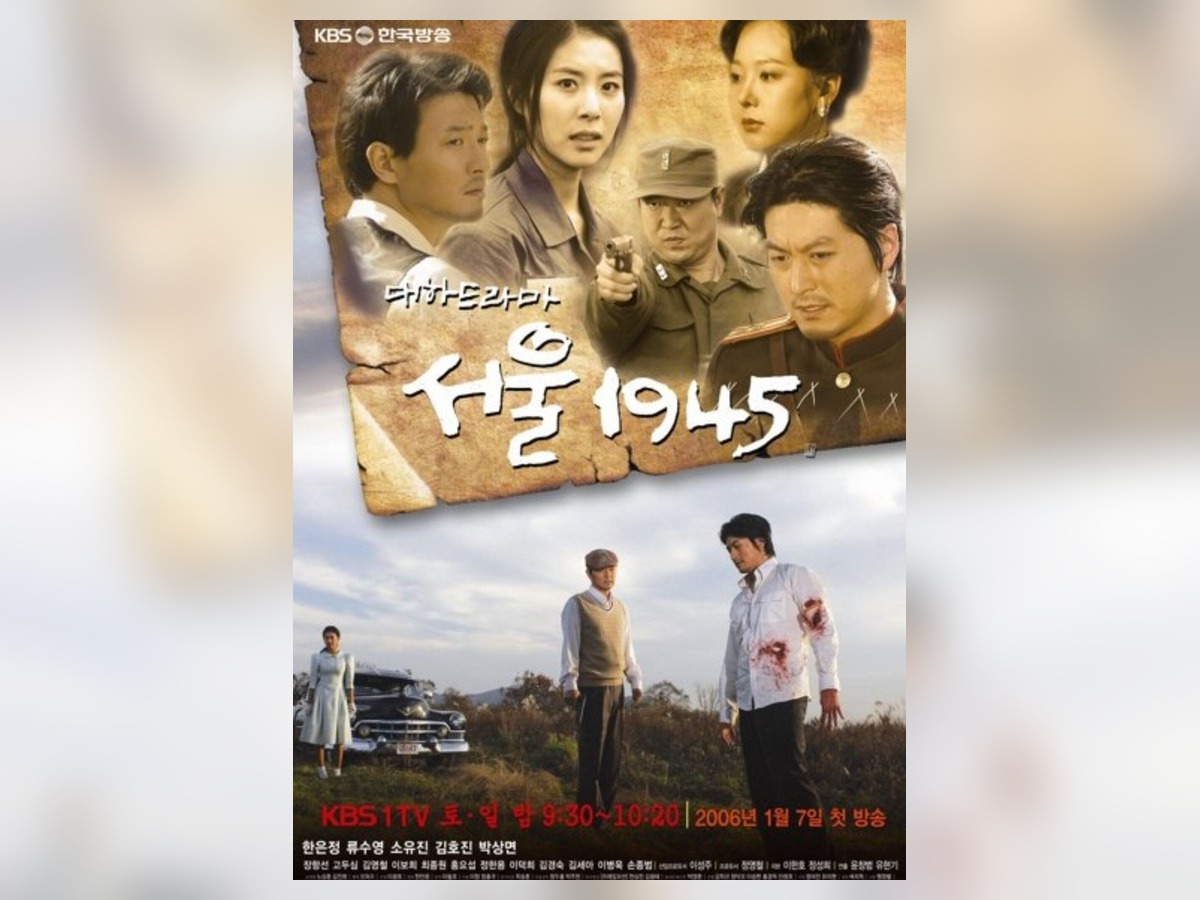
Set side by side, these eight works show why period dramas keep splitting families apart. Choices made under colonial rule land with real weight only when they move from abstract slogans to an argument at the dinner table. The cost of that approach is that characters become sharper and circumstances simpler. A decision a drama settles in a single scene was, in actual history, a far longer and more tangled path, and that is worth keeping in mind.
If a work leaves you curious, looking up whether a role was based on a real person, or which events the story draws on, is far more rewarding than searching for an actor's family background. Actors perform the parts they are given, and any judgment of a character's choices should stay inside the story. Questions about actual collaboration belong to official investigation records and historical research.
Frequently asked questions
Are these characters connected to the actors' real families?
No. Every character on this list is a fictional invention from a novel or screenplay. Sharing a surname with the actor or with a real historical figure isn't evidence of an actual family connection.
Can a drama's portrayal of a collaborator be used to judge whether someone was 'pro-Japanese' in the legal sense?
No. Whether someone's actions meet the legal definition of collaboration with Japanese colonial rule is determined by historical records and law, not a drama's emotional arc. A show's ending or a character's likability shouldn't be treated as a historical verdict.
How can I tell if a character is loosely based on a real person?
Even when a name echoes a real historical figure, like Lee Wan-ik evoking Lee Wan-yong, the character's specific actions are usually invented for the story. Check what the production has said about its source material and setting, and verify any real person's actual record through official investigation reports or government archives.
Why do Korean period dramas so often use this kind of family split?
The colonial era saw collaboration and resistance play out within the same generation, sometimes the same household, so writers compress that tension into a single family to make the era's stakes feel immediate. It's a storytelling device, not a claim about how real families actually split.
Do actors face real criticism for playing a collaborator character?
Criticizing an actor for the role itself confuses the character with the person playing it. The actors on this list were performing parts written for them, and their real-life activities are outside the scope of what this list covers.
Get new lists before anyone else
Once a week — only the new lists worth your time.
No spam · unsubscribe in one click
You may also like
Beyond the Broadcast: 8 Korean Shows That Bring Independence History to Life
These eight Korean broadcasts open with a familiar actor or host, and this guide shows exactly which claims to verify against official archives afterward.
The Family Histories These Korean Celebrities Have Spoken About Publicly
Eight Korean entertainers' ties to independence-activist ancestors, drawn only from their own on-record statements and confirmed press coverage.
Before You Trust the Rumor: 8 Primary Sources on Collaboration and Confiscated Wealth
From government investigation reports to a dedicated museum, eight reference sources worth checking before repeating a claim about a 'pro-Japanese family.'