TOP 10

Know It by Hand, Not by Name — 10 Emergency Essentials for Hiking Safety

Updated 9/12/2026
Know It by Hand, Not by Name — 10 Emergency Essentials for Hiking Safety

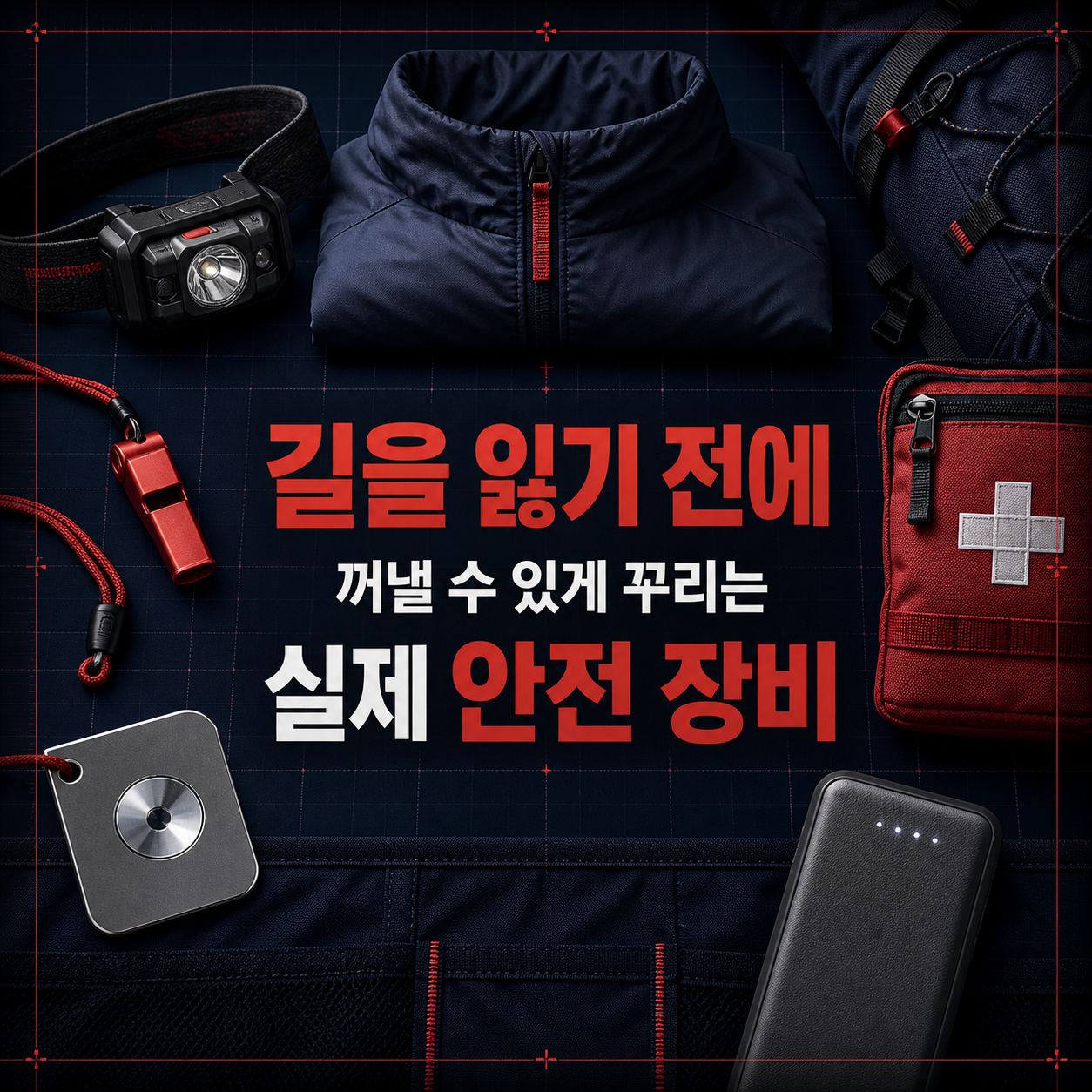
Hiking safety gear isn't about the brand — it's whether you've covered light, warmth, signaling, and first aid, and that's how this list is ranked.

The sun sets faster than you expected, or you twist an ankle with two hours of trail still left before you're off the mountain — in either case, it's hard to know what to grab first. A well-known brand name won't save you; what matters is whether your gear actually covers the situations that come up on a trail. We sorted these ten picks into four roles: light, warmth, signaling, and first aid, and ranked them on that basis.

The order runs from gear light and small enough to carry on every hike, toward items you'd only need in specific situations like night hiking or getting stuck longer than planned. You don't need all ten at once. If you mostly do day hikes, start with the warmth, signal, and first-aid picks at 6 through 9; if you start before dawn or hike after dark often, look at the headlamps ranked 1 through 5 and pick the one that matches your style.

How we picked

  • Simple enough to operate with numb or shaking hands in a real emergency
  • Light and small enough to carry on every hike without a second thought
  • Batteries or consumables that are easy to manage, so it won't fail when you need it
  • Actually useful for a real scenario — night hiking, an extended delay, or a minor injury
01

Petzl TIKKINA

A no-frills headlamp with a single button you can operate even with numb or shaking hands, which makes it a solid entry point for newer hikers. It runs on replaceable batteries with no charging to worry about — just swap in fresh ones before a hike and actually test the light, since skipping that step is how people end up in the dark. If this is your first headlamp or you mostly do easy day hikes, this level of simplicity is genuinely safer than extra features, and it's cheap enough to keep a second one as backup.
Petzl TIKKINA
02

Petzl TIKKA

Better suited to hikers who also need camp lighting, thanks to multiple brightness settings. A battery indicator makes it easier to gauge remaining runtime, and checking the brightness levels before you leave means you're not figuring it out for the first time on the mountain. It's a reasonable step up from the TIKKINA for overnight trips or camping alongside hiking, and it also frees up your hands inside a tent.
Petzl TIKKA
03

Petzl ACTIK CORE

A high-performance option for hikers who move fast or start before dawn, with both rechargeable and disposable battery options for flexibility. Cold weather noticeably drains the rechargeable battery faster, so carry backup disposables in winter. It suits hikers who already go often enough to be comfortable managing battery types and charge levels, and who alternate between night hikes and early starts.
Petzl ACTIK CORE
04

Petzl SWIFT RL

Built for hikers with real night-hiking experience who need a wide field of view. It automatically adjusts brightness between steep and flat sections, so you rarely need to change settings by hand, but angle it carefully — you don't want the beam hitting another hiker's eyes. That extra brightness also means faster battery drain, so bring a spare on longer hikes and check the charge level before you set out.
Petzl SWIFT RL
05

Petzl BINDI

A minimal option for anyone who just needs backup light during a day hike and wants to save weight. It tucks easily into a small gap in your pack or pocket and covers you if you're delayed on the way down, though it's not bright enough to rely on as your main night-hiking light. It works best as a backup for someone who already owns a primary headlamp, or for ultralight hikers trimming every gram.
Petzl BINDI
06

SOL Emergency Blanket

Nearly weightless and small enough to leave in your pack permanently. It's not a real insulated layer, but blocking wind and moisture alone meaningfully cuts your risk of hypothermia, and it's inexpensive for what it does. For day hikers, this alone covers the minimum warmth base, and it's especially useful if an injury limits how much you can move to stay warm or your descent runs longer than planned — worth keeping at the bottom of your pack at all times.
SOL Emergency Blanket
07

SOL Emergency Bivvy

A full-body wrap that holds heat far better than a blanket, making it a real last resort if you end up stuck on the mountain longer than planned. The simple design means ventilation is limited and moisture can build up inside, so it's worth unpacking and practicing how to use it once before you actually need it. If you do long-distance or higher-risk routes, this is the better choice over the blanket, and it's especially worth the extra weight in winter.
SOL Emergency Bivvy
08

SOL Slim Rescue Howler Whistle

Loud enough to signal for help using just finger strength, which matters when your voice gives out from shouting. Clip it somewhere you can reach instantly, like a pack strap — fumbling to find it wastes the exact time you don't have. It weighs almost nothing, so there's no real downside to carrying it alongside your other safety gear at all times, and it carries much farther than a shouting voice, which helps rescuers locate you.
SOL Slim Rescue Howler Whistle
09

SOL Traverse Tin First Aid Kit

Covers the basics for a twisted ankle or a cut finger, which is plenty for minor first aid on a day hike. For deeper wounds or serious injuries, apply basic first aid like pressure to stop bleeding and then call 119 for professional rescue rather than trying to handle it yourself. If you take regular medication, pack it separately since this kit doesn't cover personal prescriptions, and restock any supplies you use up.
SOL Traverse Tin First Aid Kit
10

Nitecore NB10000 Gen3

For hikers who depend on GPS and being reachable, this capacity can recharge a phone multiple times over one hike. It's light enough not to weigh down your pack while still taking the battery anxiety out of longer hikes or thru-hikes. Just remember a full battery won't help if you lose signal or the device itself fails, so carry a whistle as a backup way to signal for help, and start the hike with the power bank fully charged.
Nitecore NB10000 Gen3

How to choose

For a light day hike, packing the No. 6 emergency blanket, No. 8 whistle, and No. 9 first-aid kit alone covers the basics. If you often start before dawn or come down after dark, pick a headlamp from No. 1 through 5 based on how bright you need it and whether you prefer disposable or rechargeable batteries; on routes where getting stuck overnight is a real possibility, add the No. 7 bivvy as well.

When comparing options, check three things: how simple it is to operate, how easy the batteries or consumables are to manage, and whether it fills a role you're actually missing. Don't just grab whatever ranks highest — figure out which role your current kit is missing first. Specs and prices here reflect when we checked, so confirm current details through official channels before you buy.

Frequently asked questions

What's the first thing to do if it gets dark and I lose the trail?

Stay calm, stop somewhere safe, and turn on your headlamp before doing anything else to check your position. Use a map or GPS if you have one; if not, don't push forward blindly — signal for help with a whistle and wait for rescue instead. If the situation feels serious, call 119 (Korea's emergency line) right away to report your location and condition, and if you told someone your hiking plan beforehand, a rescue call naturally follows once you're overdue.

Do I need all of this for a short summer day hike?

Even a day hike can go sideways unexpectedly. A headlamp, emergency warmth, and a first-aid kit are all small enough to carry at minimum. The moments you think you 'definitely won't need this' turn out to be common on the mountain.

How do I keep my headlamp battery from failing when I need it?

Swap in fresh batteries before you hike and test the light so you know it works. Cold weather drains batteries faster, so treat summer and winter runtimes as genuinely different. Carry spares, or if it's rechargeable, make a habit of charging it fully before you head out.

How should I treat a wound if I get hurt on the trail?

Move somewhere safe first, then apply steady pressure with a clean cloth or gauze from your first-aid kit if there's bleeding, and rinse the wound with water if you can to reduce contamination. Don't try to stitch it yourself or attempt anything beyond basic first aid — if the wound is deep or bleeding won't stop, call 119 immediately for help. Wrap the person in something warm while you wait, since body temperature can drop quickly once movement stops.

How do I recognize early signs of hypothermia?

Shivering, clumsy hands, and slurred speech are the classic early signs. If you notice these, move out of the wind right away, wrap up in an emergency blanket or bivvy, and change out of wet clothing into dry layers if possible. If symptoms worsen or the person becomes confused, call 119 immediately, report your location, and wait for rescue.

NEWSLETTER

Get new lists before anyone else

Once a week — only the new lists worth your time.

No spam · unsubscribe in one click
This page contains affiliate links. We may earn a commission from qualifying purchases.
10 Hiking Emergency & Safety Gear Picks | Golladream