The Greek underworld was never one fixed cosmology — it was redrawn text by text from Homer through Plato, and reading it in historical layers reveals a far richer myth.
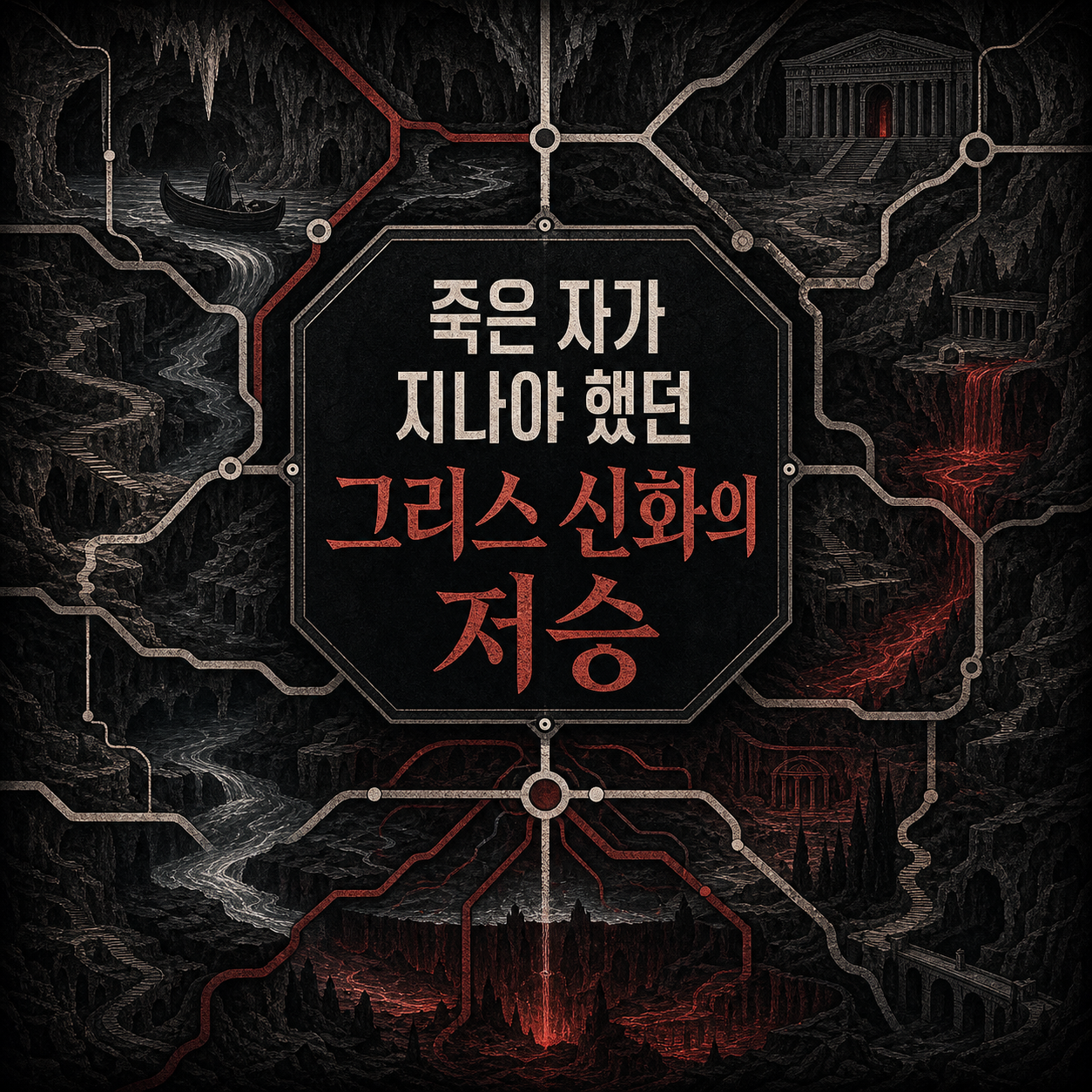
Treating the Greek underworld as one finished map actually loses most of what makes it interesting. Homer's hazy realm of shades and the elaborate moral judgment system that developed after Plato are imaginings from very different eras, and even the same figure plays a different role depending on the text. This list unpacks the underworld we usually picture as a fixed 'final version' into its historical layers, showing how ancient writers kept reimagining death across centuries.
As you go through these thirteen elements, ask yourself which era's text is describing each one. Treating the most familiar later imagery as the single, definitive account erases the process by which the myth changed — and pinning any modern location down as the underworld's confirmed setting distorts what myth actually is.